
Repair problem
Rodent Recurrence Troubleshooting Guides
Published FixGraph guidance for diagnosing and responding to rodent recurrence.
Matching published guides
Choose a guide that matches the service, equipment, and conditions you are seeing.
-
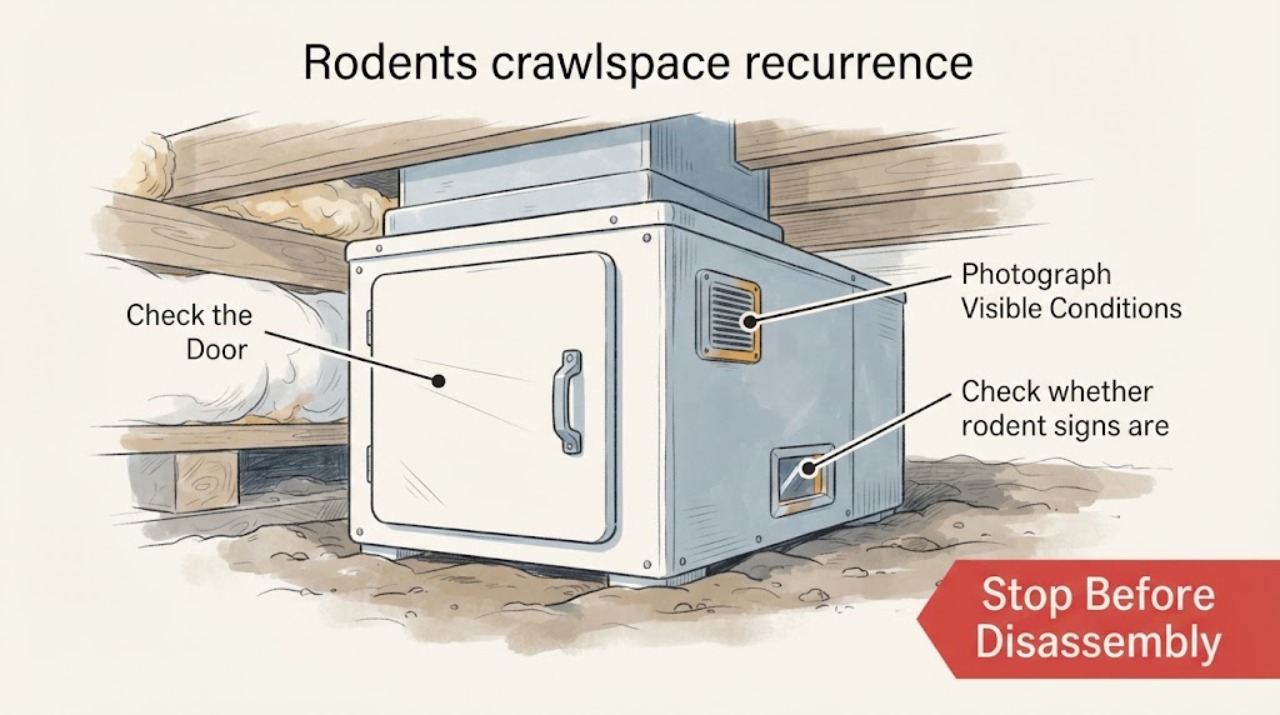
Rodents crawlspace recurrence: What to Check and What to Do Next
Recurring rodent activity in a crawlspace usually means an entry route, food or water source, shelter, or an unresolved contaminated area remains. From outside or a safe access point, record droppings, gnawing, sounds, gaps, moisture, and recurrence timing; do not crawl into a confined or heavily contaminated space, sweep or vacuum waste, mix chemicals, handle wildlife, or place poison where children, pets, or wildlife can reach it.
-
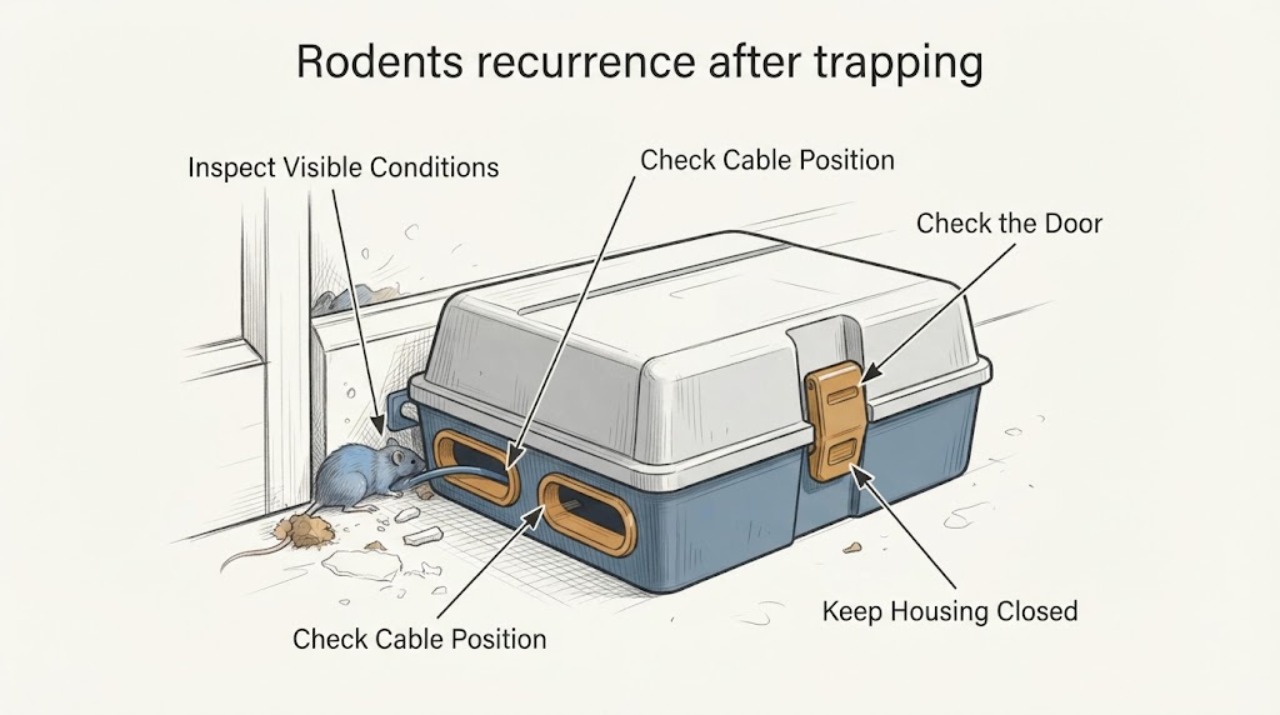
Rodents recurrence after trapping: What to Check and What to Do Next
If rodents return after trapping, a trap usually removed an animal without removing the reason they can keep entering or feeding. First distinguish fresh activity from old droppings or nesting material, then inspect accessible interior and exterior gaps around doors, foundations, roof edges, vents, and utility penetrations.
-
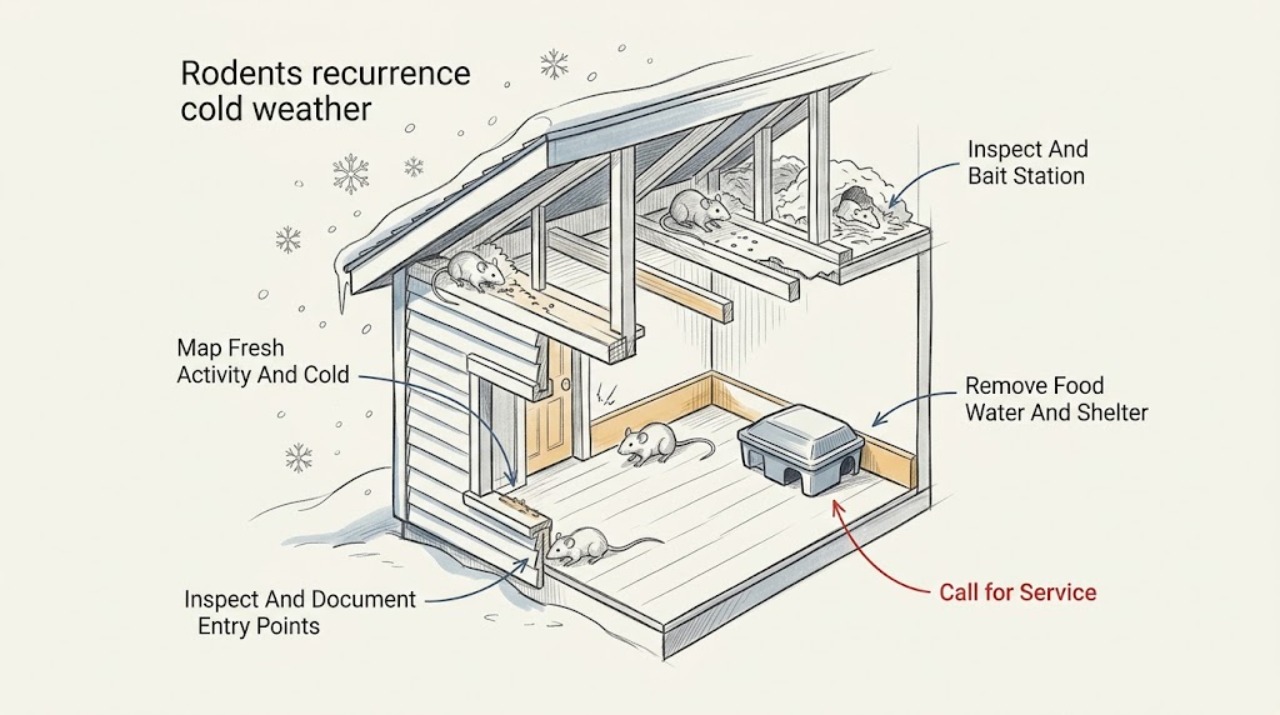
Rodents recurrence cold weather: What to Check and What to Do Next
Rodent sightings that return as weather turns cold usually mean an entry point, indoor food or water, or a protected nesting place is still available; the cold weather explains the timing but does not identify the route. First record fresh droppings, gnaw marks, urine, nesting material, or sounds without disturbing them.
-
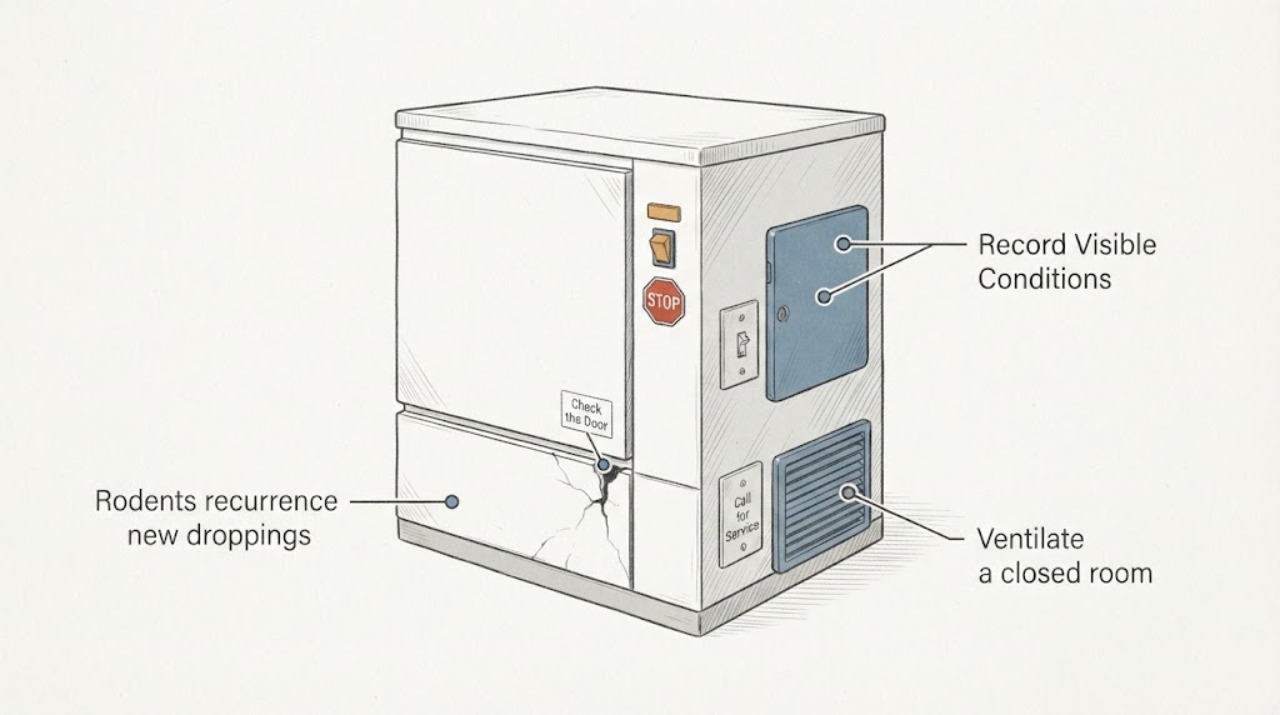
Rodents recurrence new droppings: What to Check and What to Do Next
Droppings that reappear after a safe cleanup are evidence of continuing rodent activity, but the pattern alone does not identify the species, nest, or entry point. First document where and when the signs appear, then ventilate and wet the waste with disinfectant before wiping it up; do not sweep or vacuum dry droppings.
-
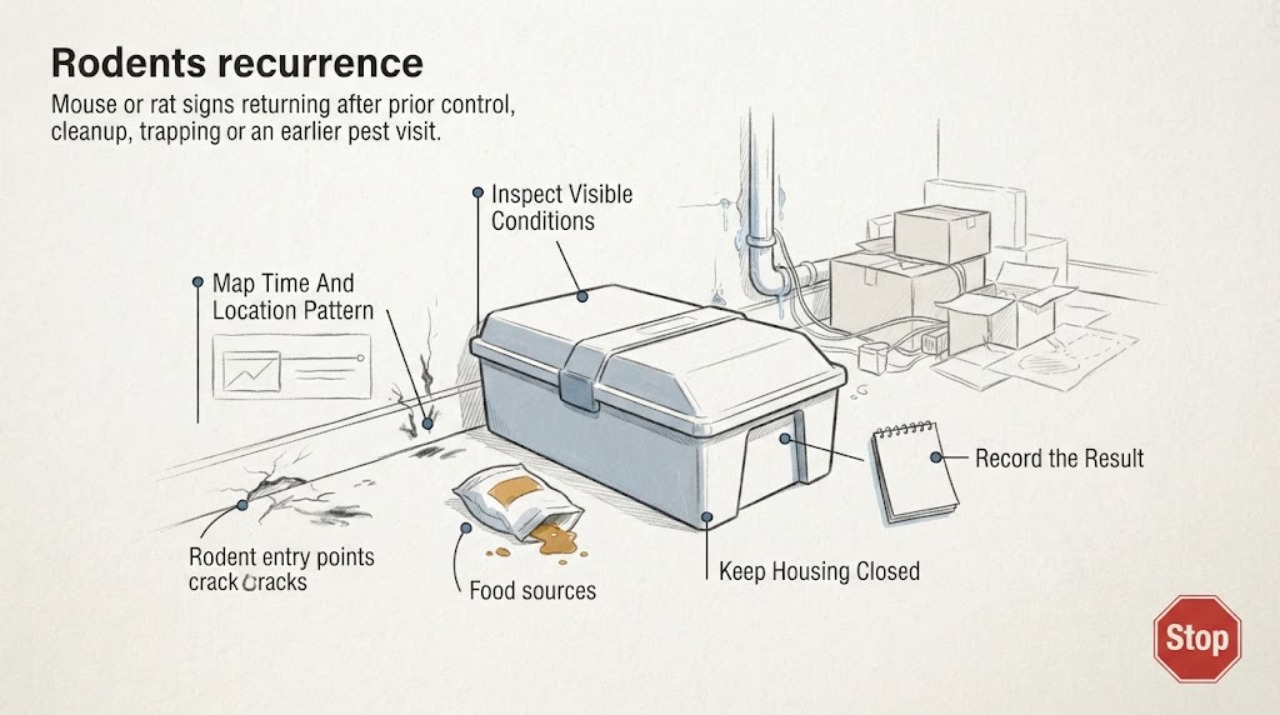
Rodents recurrence: What to Check and What to Do Next
Recurring rodent signs usually mean that an entry path, food or water source, shelter area, or untreated part of the building remains available; a single missed sign does not prove why they returned. From safe living areas and the exterior ground level, document fresh droppings or gnawing without touching them, map the room and time pattern, look for visible gaps or disturbed material without reaching into them, and record accessible food, water, trash, or shelter conditions.