
Summit appliance guidance
Summit Refrigerator Repair Guides
Troubleshooting and repair guidance for published Summit Refrigerator problems, symptoms, and maintenance questions.
Published Summit Refrigerator guides
Choose the guide whose symptom or condition most closely matches what you are seeing.
-
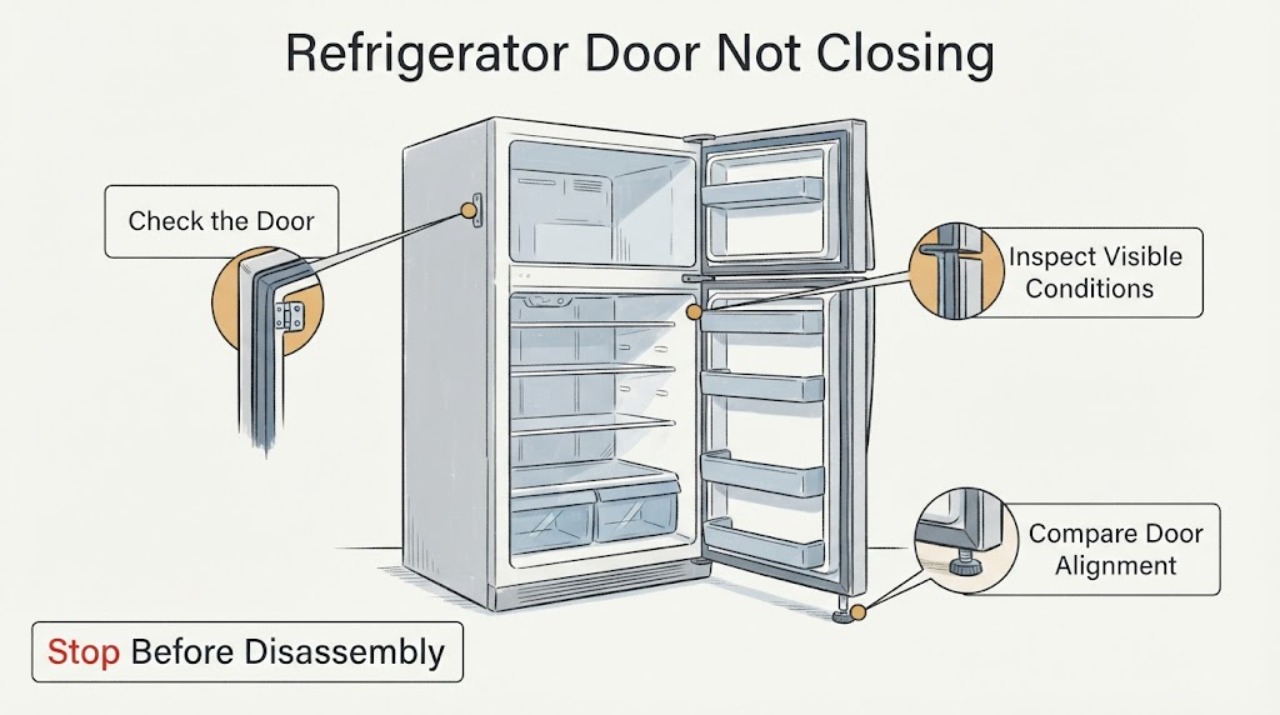
Summit Refrigerator Door Not Closing: Check Obstructions, Gasket, and Level
When a Summit refrigerator door will not close, first remove any food, shelf, or container that is contacting the door and check that shelves and bins are seated. Inspect the entire rubber gasket for dirt, tears, deformation, or a gap; Summit's troubleshooting guidance says to clean a dirty gasket with warm soapy water and ensure it seals tightly.
-
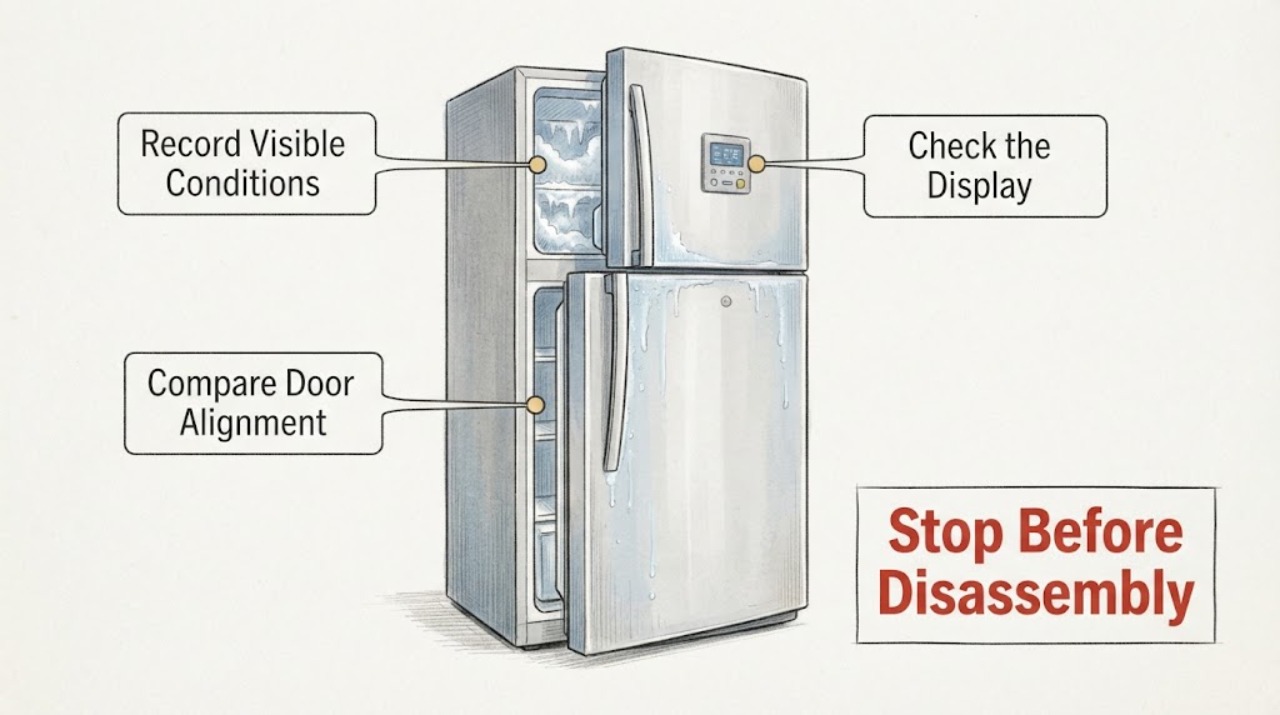
Summit Refrigerator Frost Buildup: Find the Cause and Defrost Safely
Summit refrigerator frost buildup is not diagnosed by the frost alone because Summit sells both manual-defrost and auto-defrost designs. First record whether frost is on the refrigerator rear wall, in the freezer, around a door seal, or blocking an air path, then check the temperature setting, door closure, packing, and model defrost instructions.
-
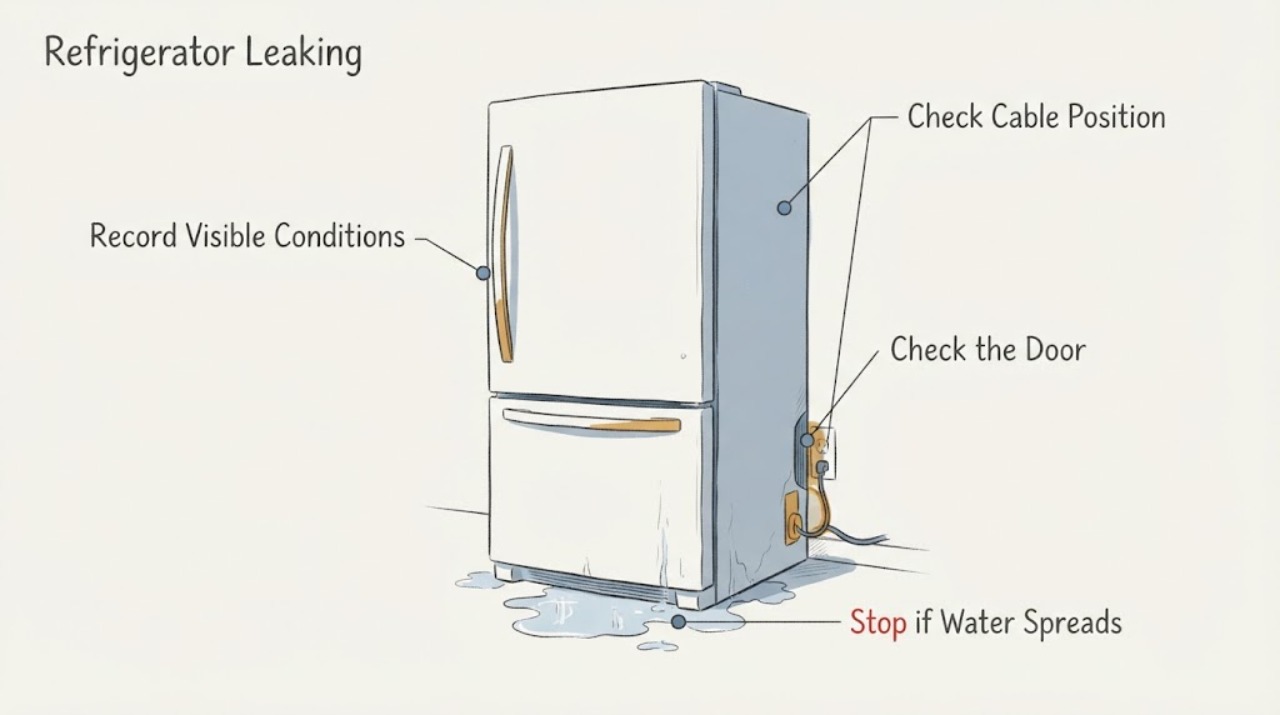
Summit Refrigerator Leaking: Find the Drain, Seal, or Water-Supply Cause
For a leaking Summit refrigerator, first identify whether the water is a normal droplet on the rear interior wall, a pool inside the cabinet, water on the floor, or a leak at a water connection if the model has one. Summit's troubleshooting guidance points to a clogged discharge opening or water gutter, a thick ice layer, poor door sealing, a dirty or damaged gasket, and an unlevel appliance.
-
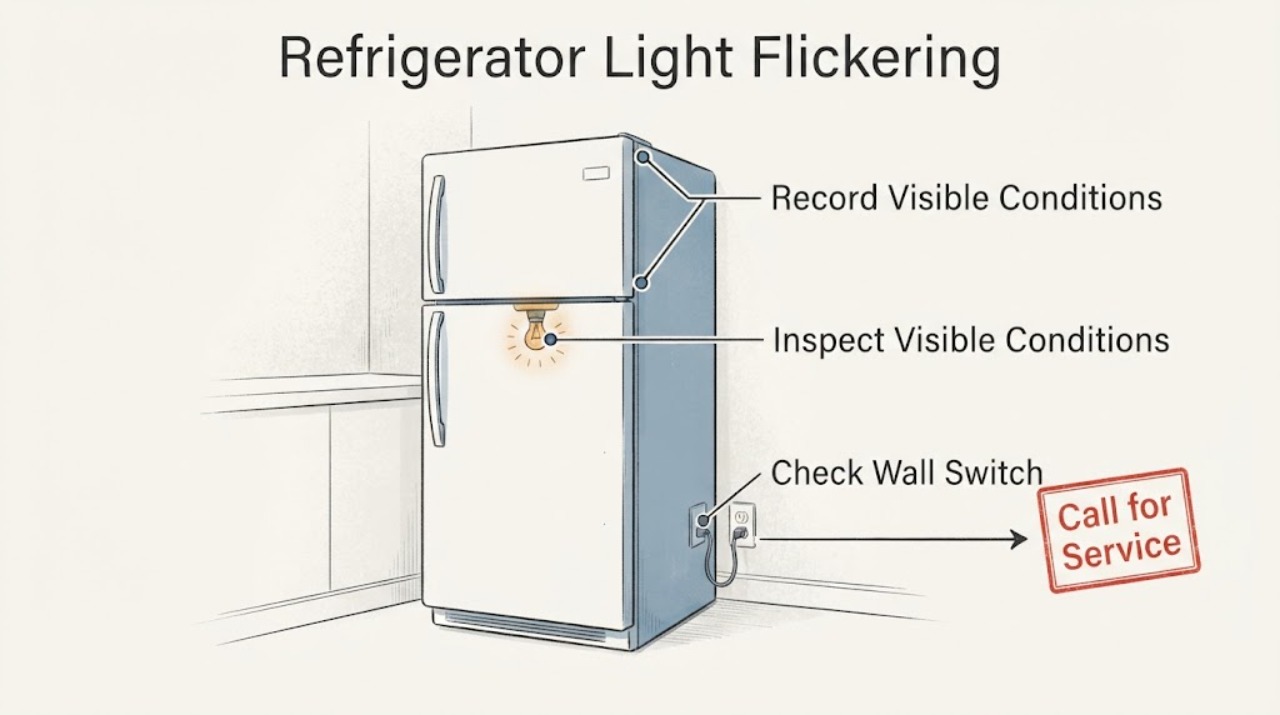
Summit Refrigerator Light Flickering
For a Summit refrigerator with a flickering interior light, first determine whether the flicker is limited to the light or whether the refrigerator, display, or other lights also lose power. Check the exact model's light switch or door-activated behavior, the plug and outlet, and any visible loose or damaged light cover without touching live wiring.
-
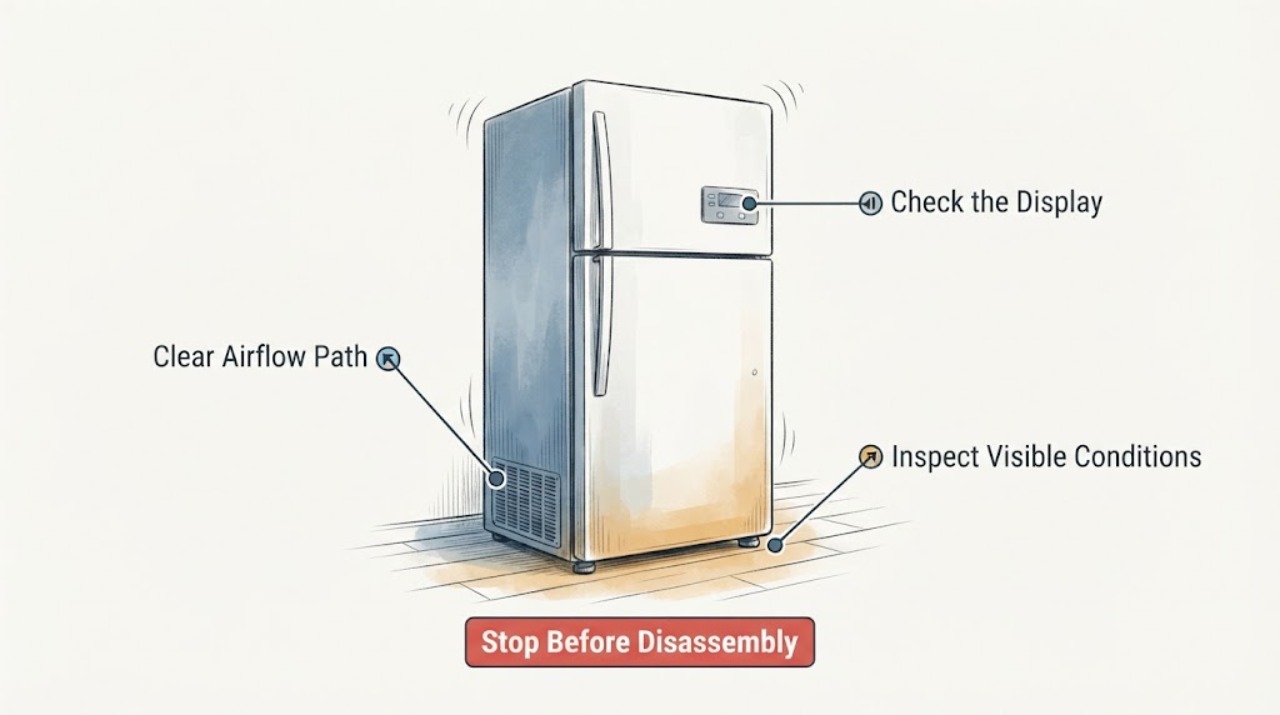
Summit Refrigerator Making Noise
For a Summit refrigerator with making noise, start with the external control, closure, setting and user-accessible path checks for this model. Note exactly when the symptom appears and what changes after one safe check. If the appliance shows smoke, sparking, a burning smell, abnormal heat, flooding near electrics, damaged wiring or repeated breaker operation, stop using it and arrange qualified service.
-
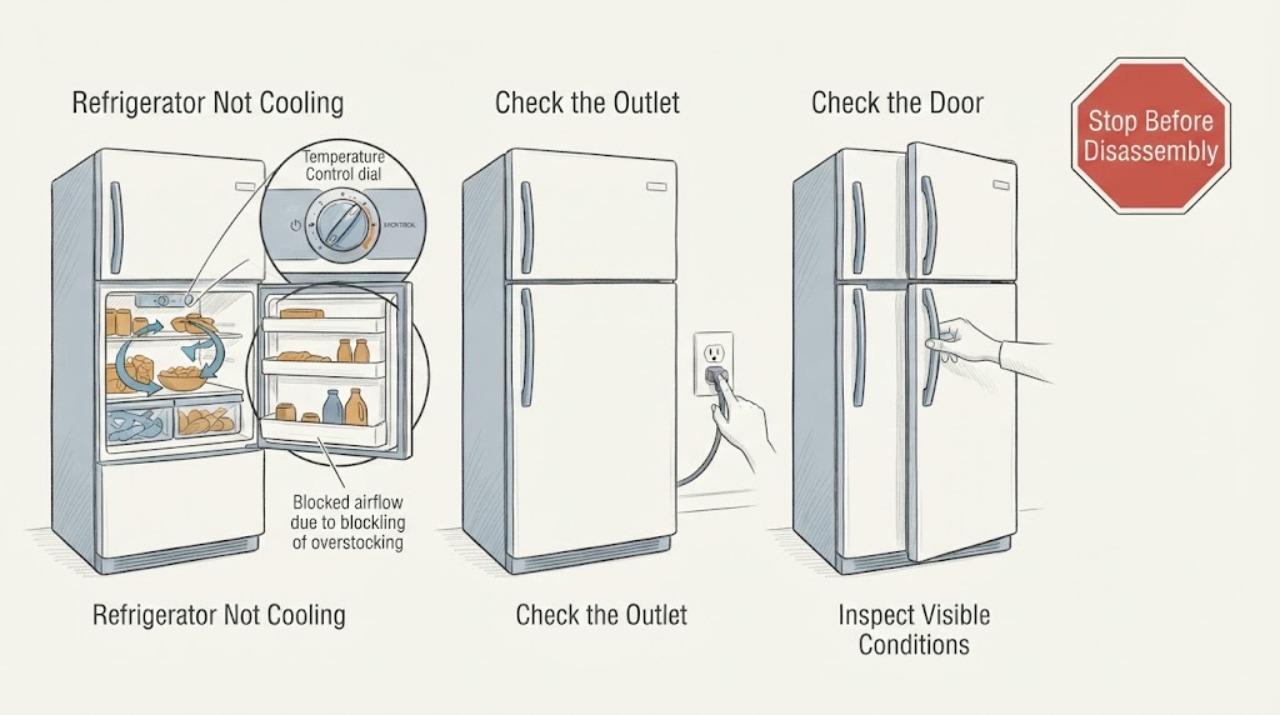
Summit Refrigerator Not Cooling: Safe Checks Before Service
When a Summit refrigerator is not cooling, first confirm that it has power and is actually turned on, then check the thermostat setting, door seal, internal airflow, frost on the rear wall, condenser clearance, and room temperature. Summit's official FAQ says a newly installed unit may need up to 24 hours to cool, while blocked vents, a poorly closed door, excessive frost, a dirty rear condenser, unsuitable room temperature, or an incorrect control setting can reduce cooling.
-
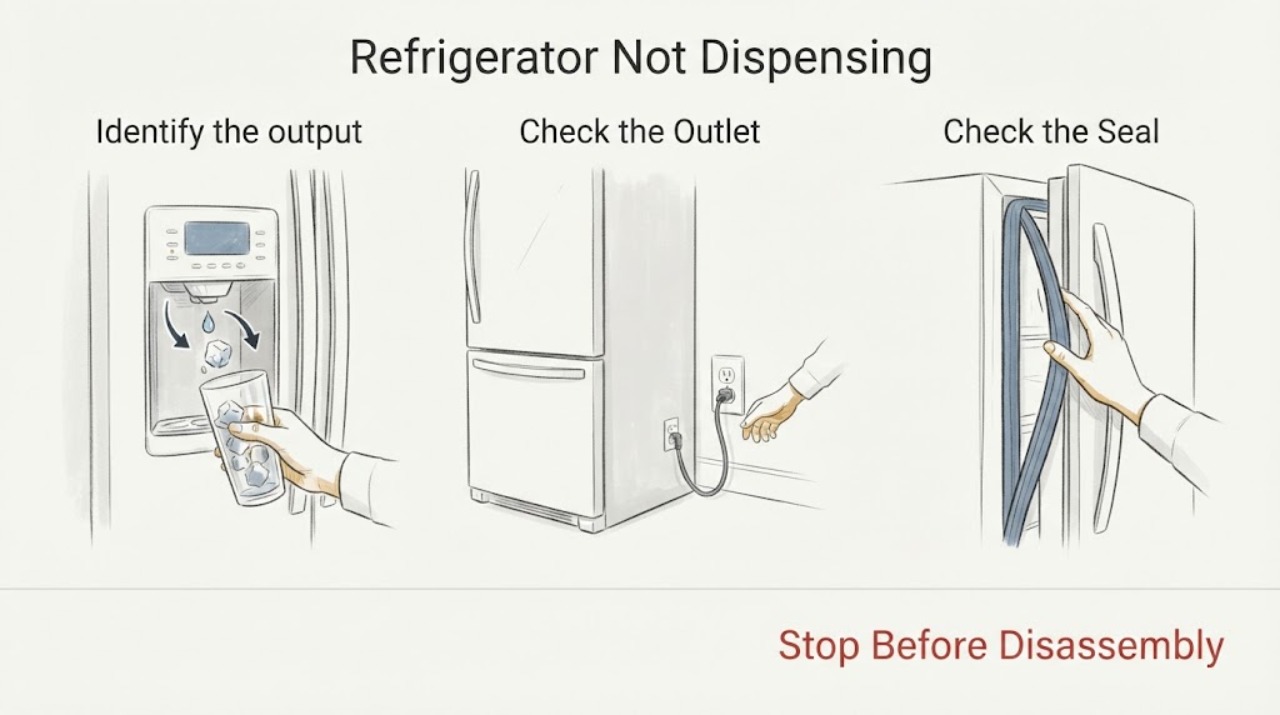
Summit Refrigerator Not Dispensing
Start by separating a Summit refrigerator's water symptom from its ice symptom: some Summit models use a refillable water tank, some use an external water line, and an icemaker may be optional. Confirm the refrigerator is powered on, the correct model feature is present, and the tank or supply valve is available and correctly installed before looking for a part.
-
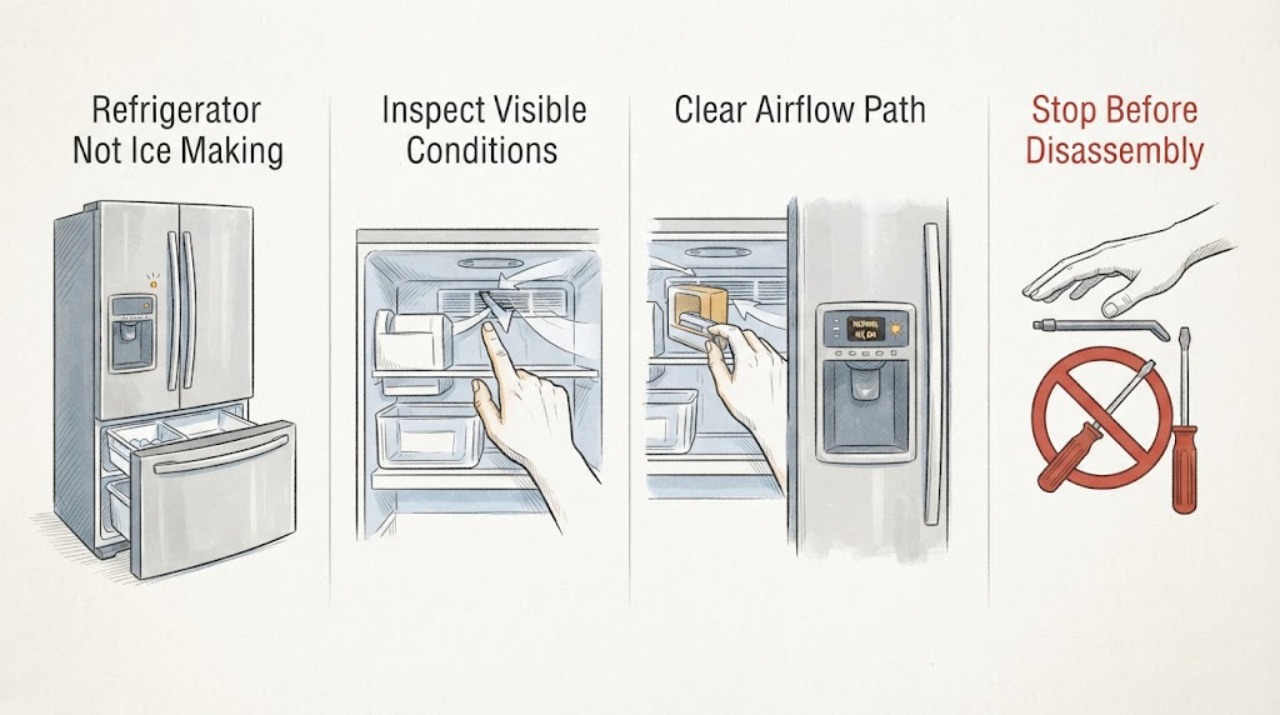
Summit Refrigerator Not Ice Making
For a Summit refrigerator with not ice making, start with the external control, closure, setting and user-accessible path checks for this model. Note exactly when the symptom appears and what changes after one safe check. If the appliance shows smoke, sparking, a burning smell, abnormal heat, flooding near electrics, damaged wiring or repeated breaker operation, stop using it and arrange qualified service.
-
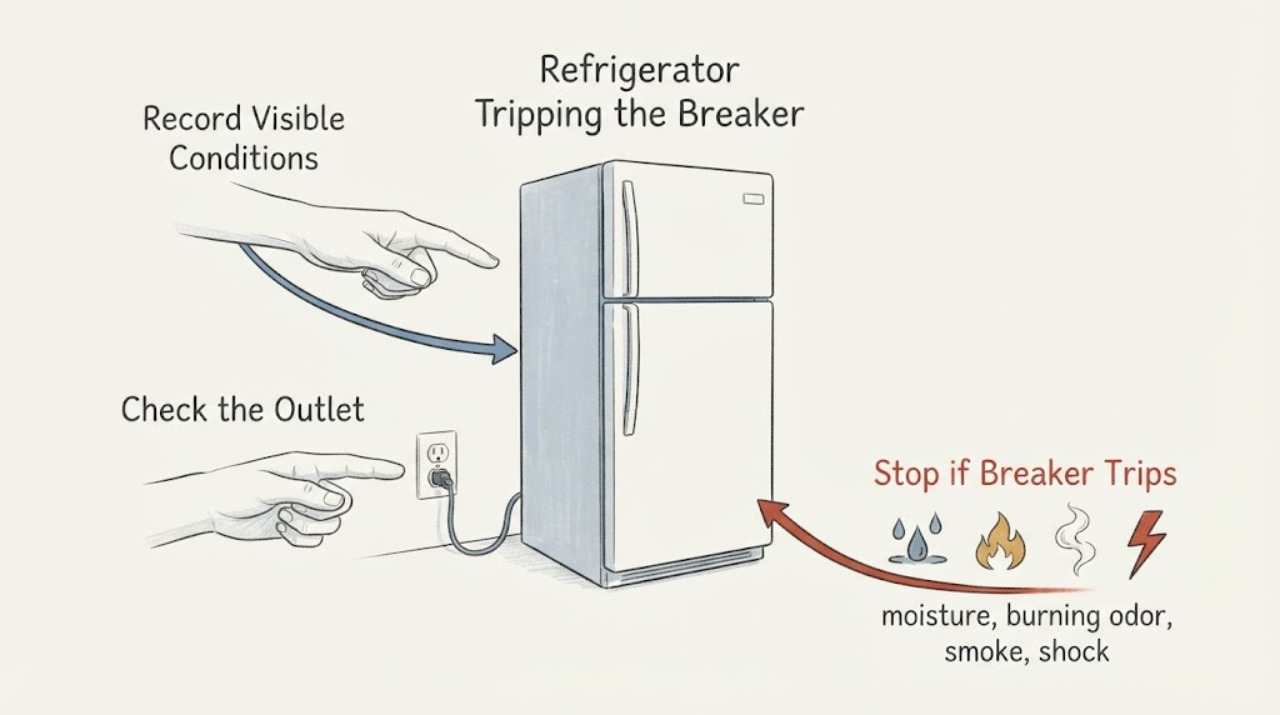
Summit Refrigerator Tripping the Breaker: Safe Electrical Checks
A Summit refrigerator that trips the breaker should be treated as an electrical protection event, not a normal cooling symptom. Record whether the breaker trips as soon as the refrigerator is connected, when the compressor starts, or only after the unit has run for a while.