
Beko appliance guidance
Beko Freezer Repair Guides
Troubleshooting and repair guidance for published Beko Freezer problems, symptoms, and maintenance questions.
Published Beko Freezer guides
Choose the guide whose symptom or condition most closely matches what you are seeing.
-
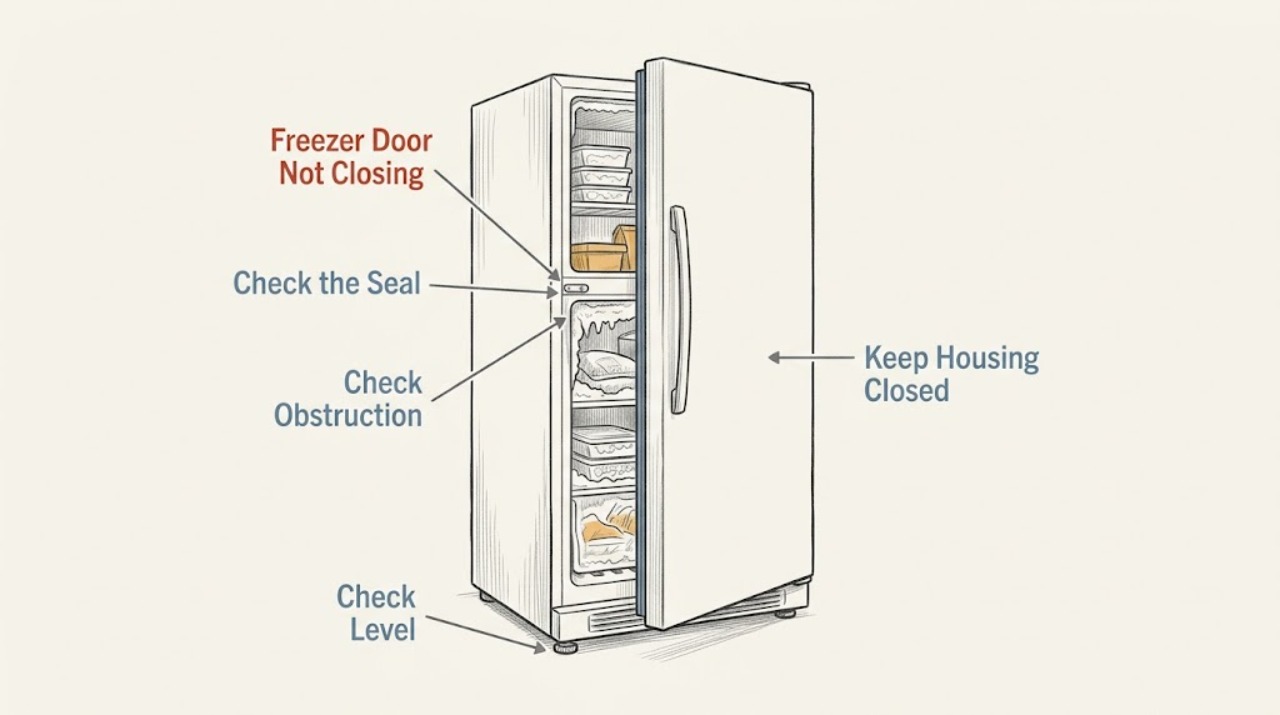
Beko Freezer Door Not Closing: Find the Blockage or Seal Problem
If a Beko freezer door is not closing, first remove only a plainly visible package, shelf, basket, or frost ridge that prevents the door from reaching the cabinet. Then inspect the gasket for a gap, crack, tear, dirt, or a section pulled away from the door, and check from the outside whether the appliance is standing level.
-
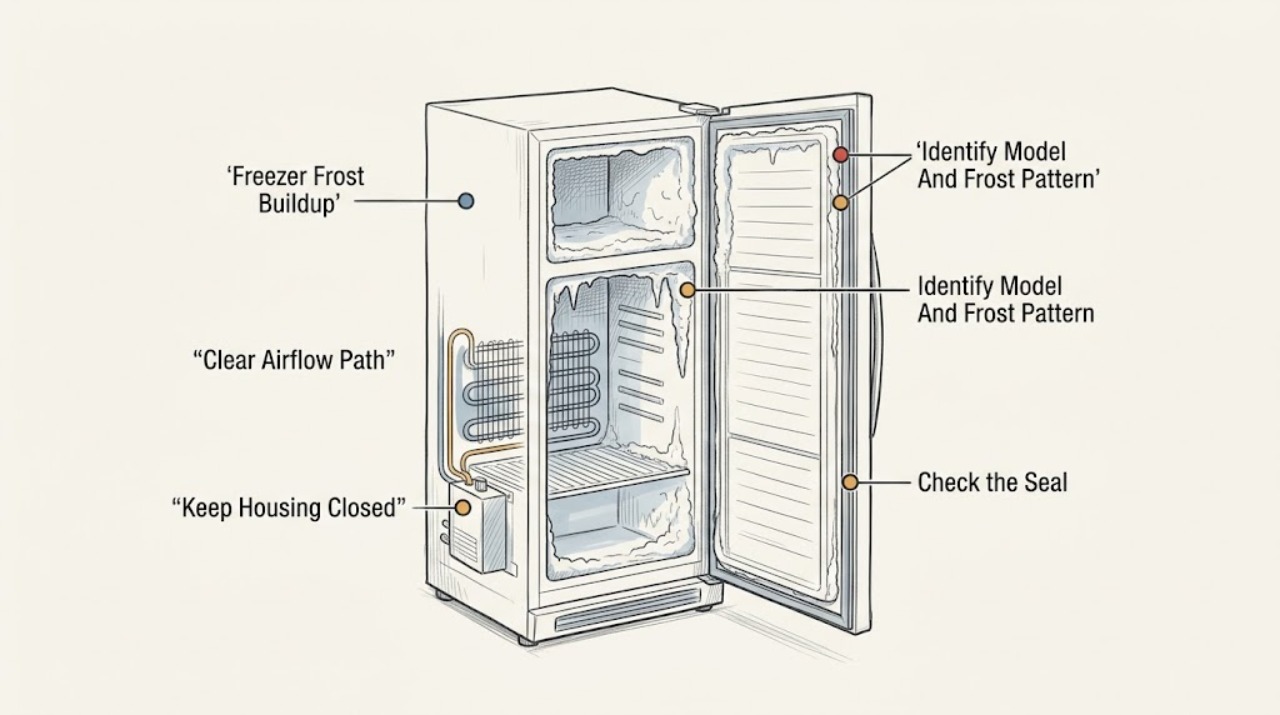
Beko Freezer Frost Buildup: Check the Seal and Defrost Safely
Start by checking whether your Beko freezer is a manual-defrost or Frost Free model, where the frost is forming, and whether the door closes and seals completely. Beko says warm humid air entering during frequent or prolonged openings, gaps or damage in the door seal, warm food, blocked airflow, and an unsuitable temperature setting can increase frost.
-
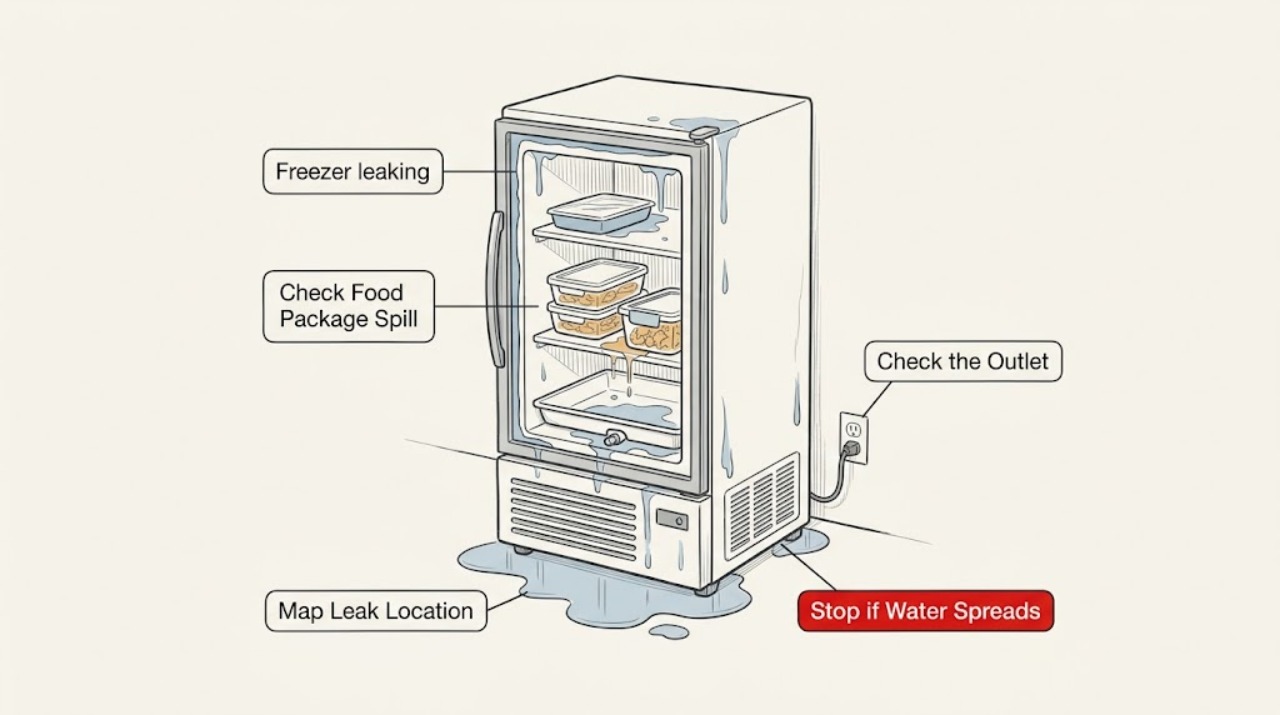
Beko freezer leaking: safe checks before calling for service
First locate the liquid: inside the cabinet, on the outer walls, or on the floor underneath. Keep the freezer closed while you inspect, and stop immediately if water reaches the plug, socket, damaged cord, or another electrical area.
-
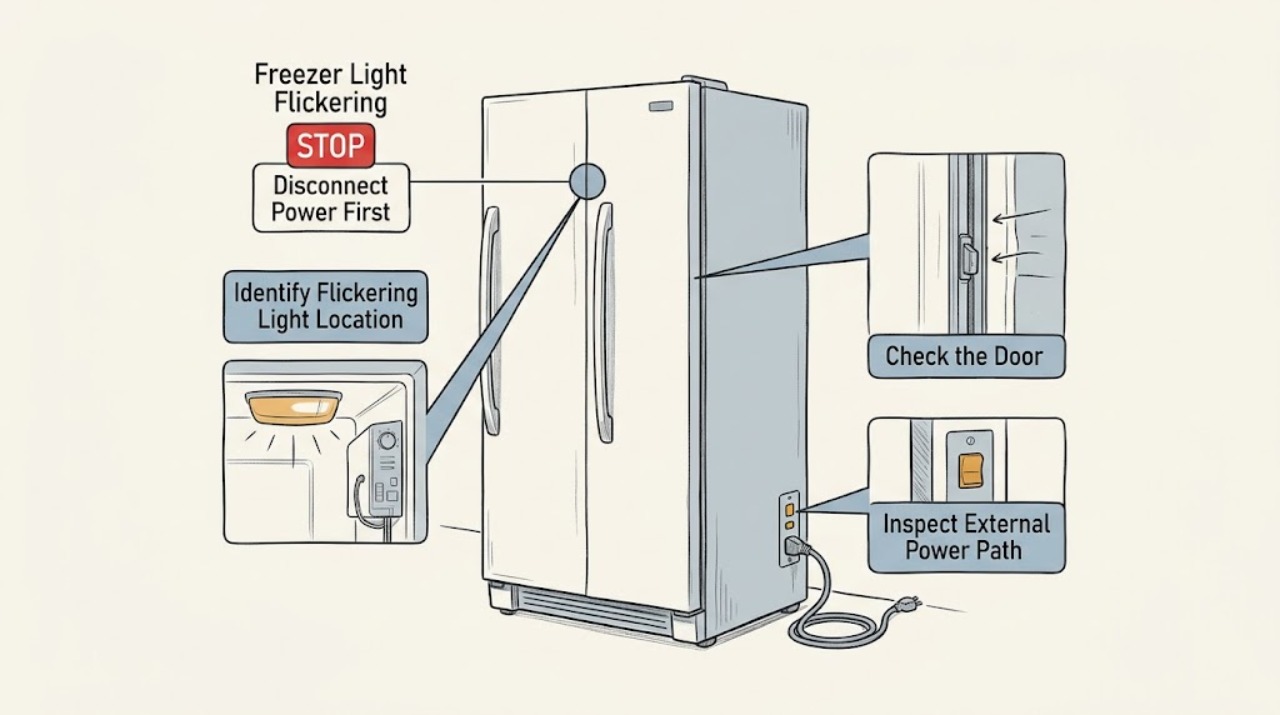
Beko Freezer Light Flickering: Identify the Light and Check It Safely
First identify which Beko freezer light is flickering: the interior light when the door moves, a front/status indicator, or a display icon. Beko says indicator meanings vary by model, while many units use an interior LED and direct light faults to authorized service.
-
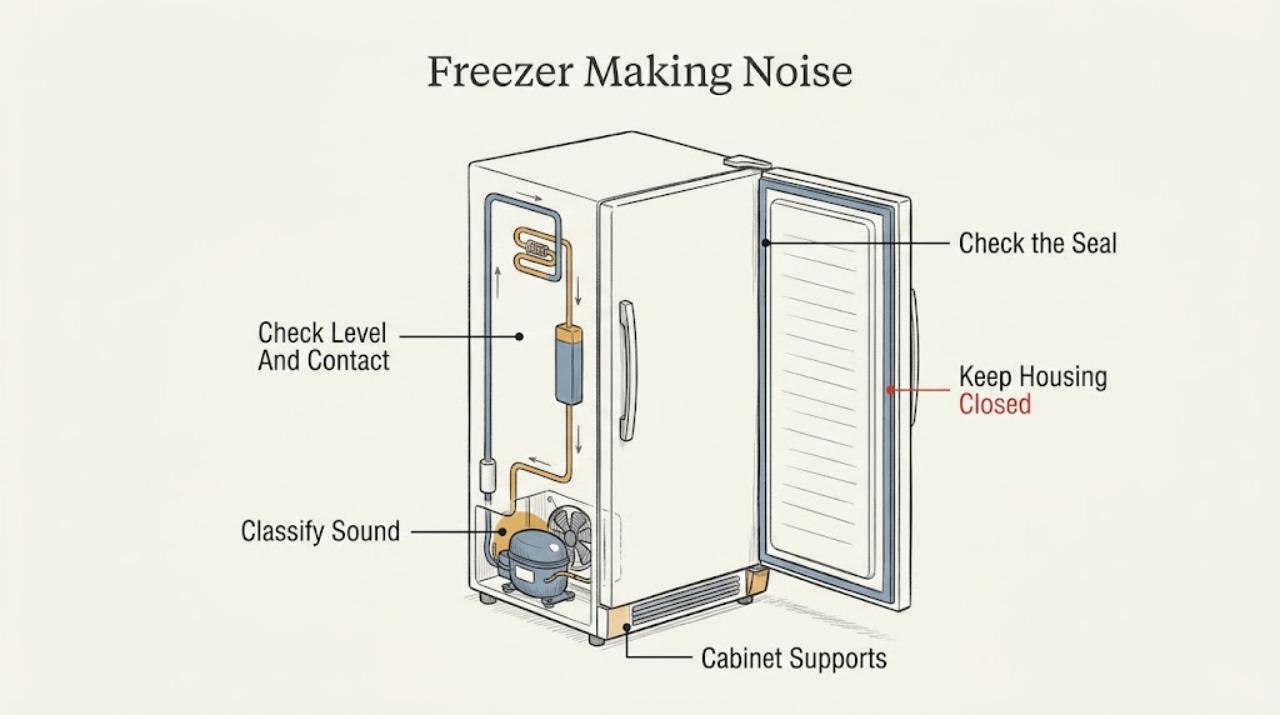
Beko Freezer Making Noise: Normal Sounds, Safe Checks, and Next Steps
A Beko freezer can make normal humming, fan, liquid-flow, clicking, or cracking sounds during cooling and defrosting. First identify the sound and where it comes from, then check whether the freezer is still holding temperature, whether it is level and touching a wall or object, whether items are vibrating, and whether the door seal, vents, or frost pattern look abnormal.
-
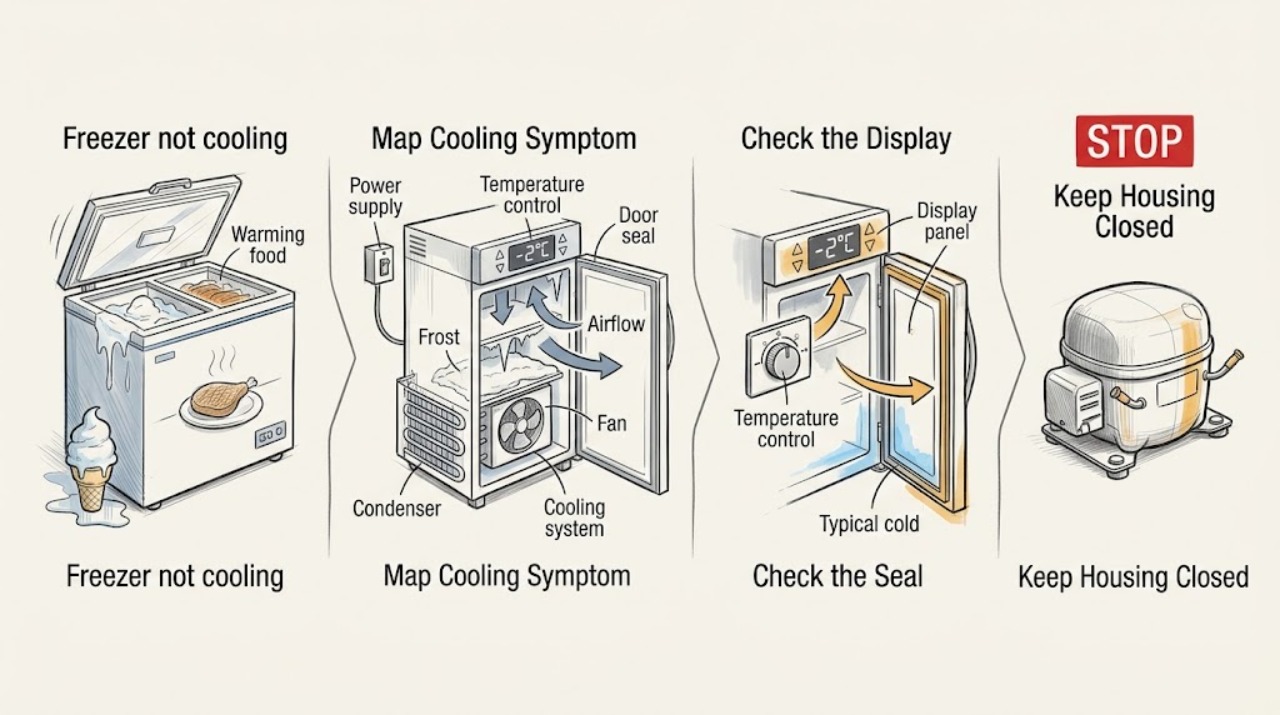
Beko freezer not cooling: safe checks before calling for service
Keep the freezer door closed while you determine whether the problem is a recent installation, a power or control issue, blocked airflow, a poor door seal, heavy frost, or a fault that needs service. Check the plug, normal temperature control, and any visible alarm only from a dry, safe position; do not repeatedly cycle power or open the cabinet.
-
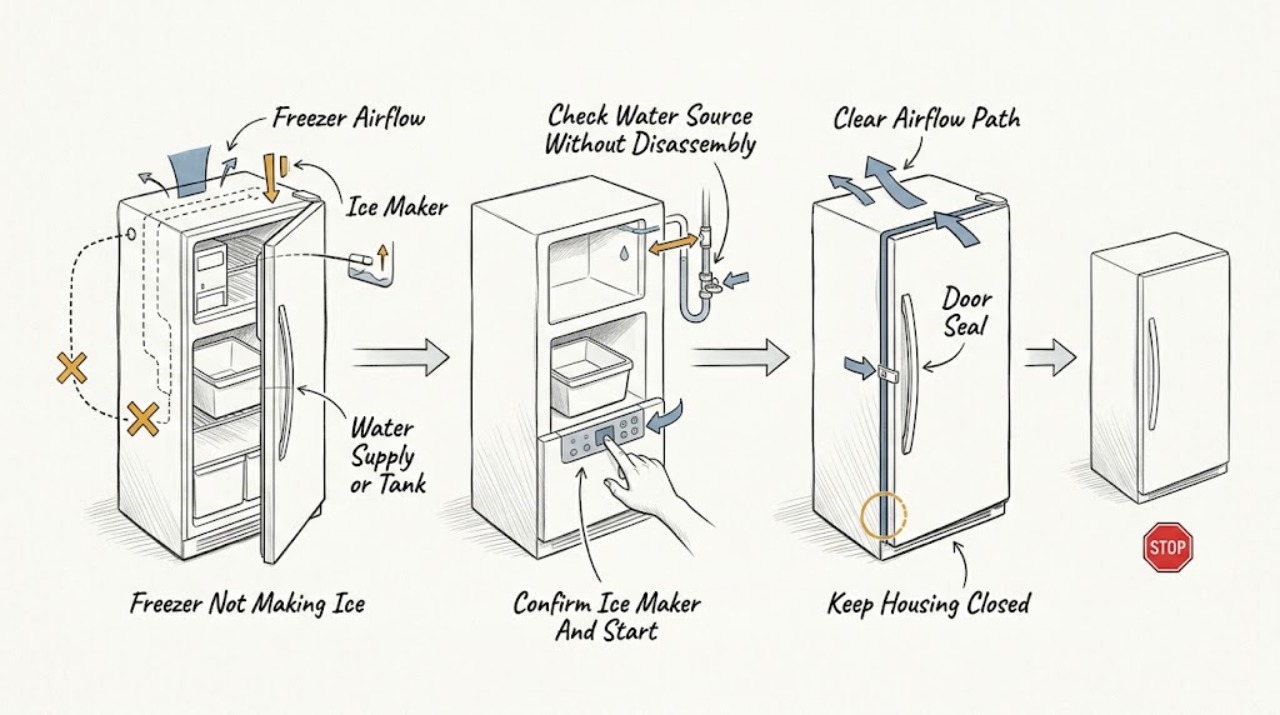
Beko Freezer Not Making Ice: Check Temperature, Water, and the Ice Path
First confirm that this Beko freezer is an ice-making model and whether it uses a plumbed water supply or a refillable tank. If it was newly connected, Beko says the first ice can take eight to twelve hours while the freezer reaches operating temperature.
-
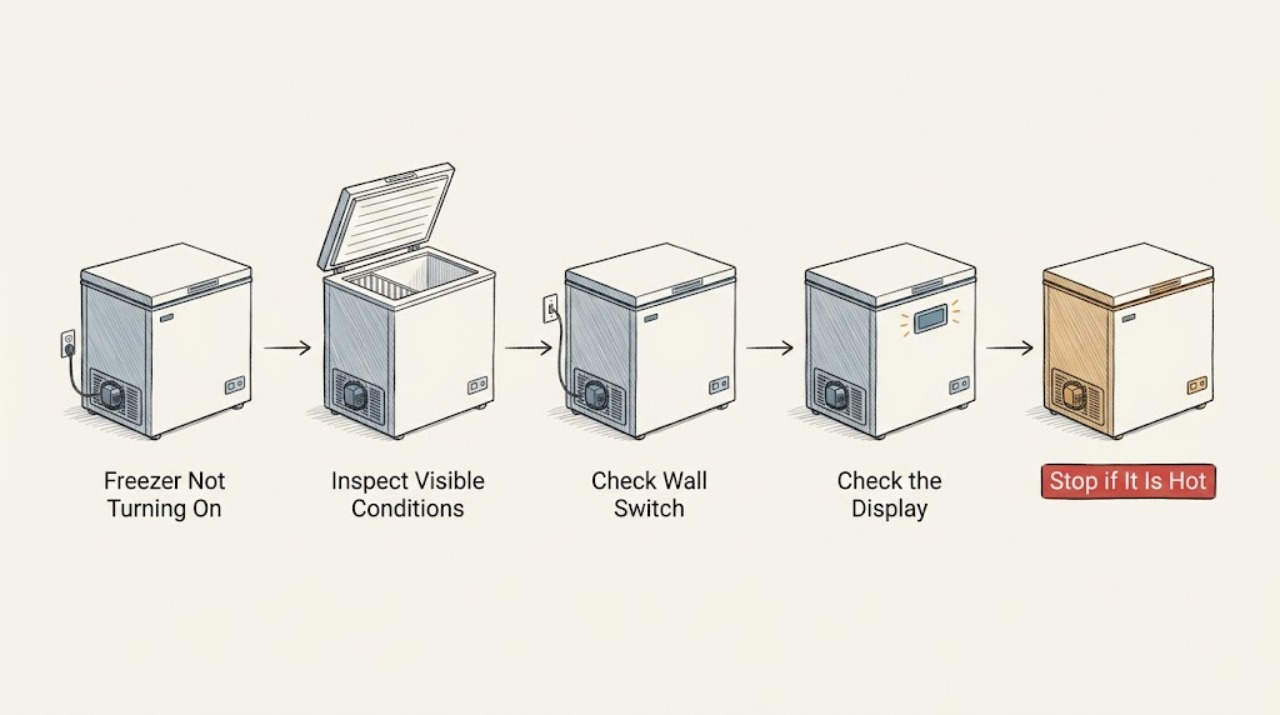
Beko Freezer Not Turning On: Safe Power Checks and Next Steps
If a Beko freezer is not turning on, first distinguish a completely unpowered appliance from one that has power but is not cooling. Check the plug, outlet, isolator, and the model's indicator lights without opening the cabinet.
-
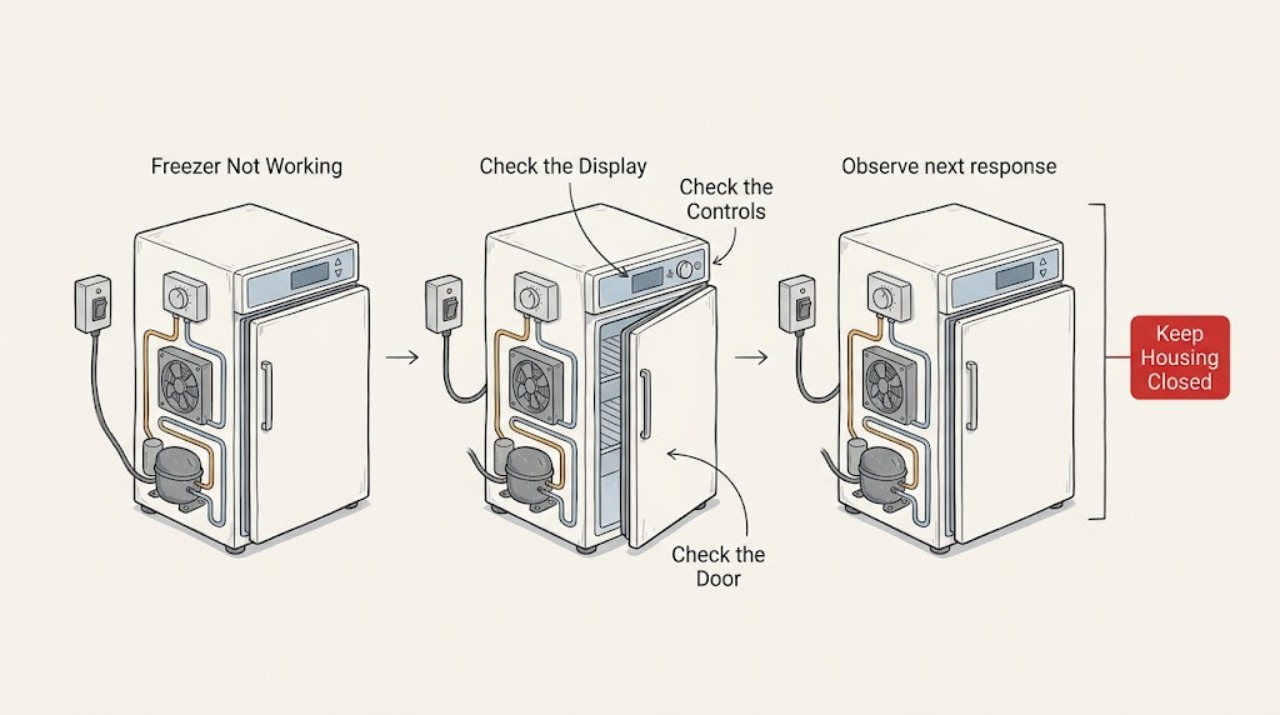
Beko Freezer Not Working: Safe Power, Cooling and Frost Checks
When a Beko freezer is not working, first separate a completely dead appliance from one that has power but is not getting cold. Check that the plug is fully seated, the outlet has power, and the thermostat or power control is not set to Off; do not use an extension lead as a substitute for a proper outlet.
-
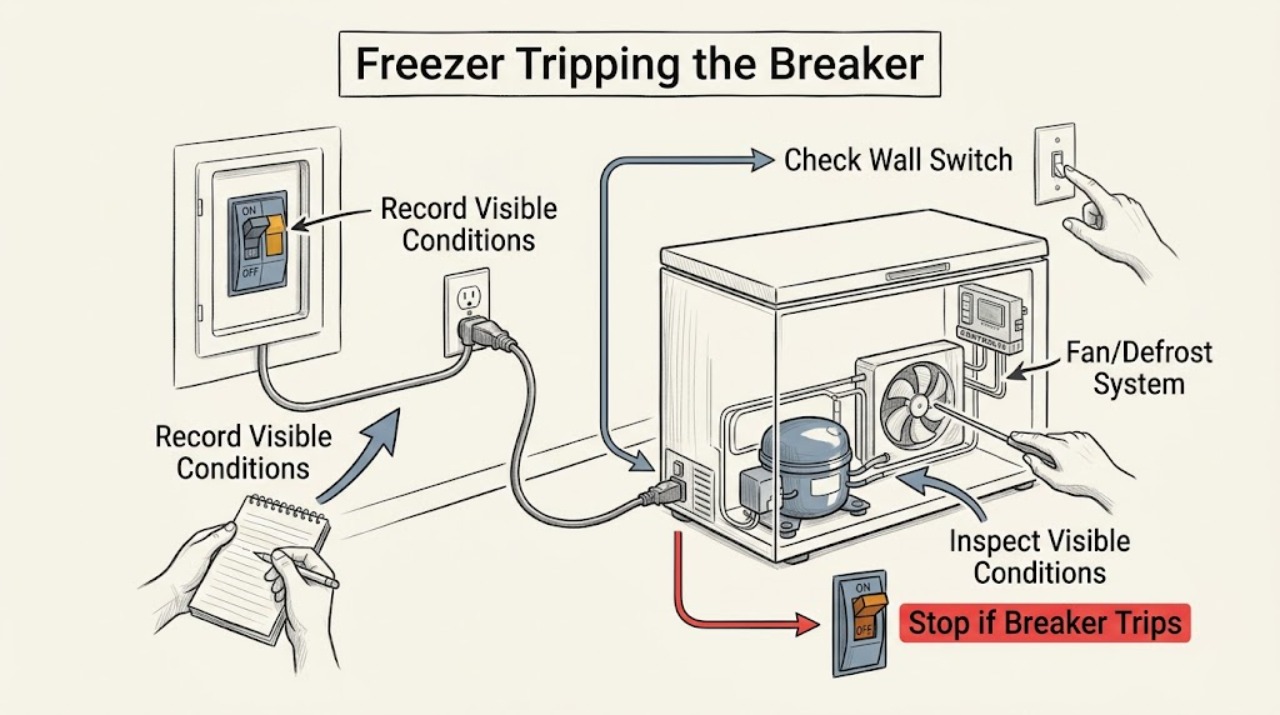
Beko Freezer Tripping the Breaker: Isolate the Circuit Safely
If a Beko freezer repeatedly trips the circuit breaker, unplug it if this can be done safely and do not keep resetting the breaker or continue using the appliance. Beko describes frequent breaker trips as a serious electrical warning and advises unplugging the appliance and consulting a professional.