
Viking appliance guidance
Viking Dishwasher Repair Guides
Troubleshooting and repair guidance for published Viking Dishwasher problems, symptoms, and maintenance questions.
Published Viking Dishwasher guides
Choose the guide whose symptom or condition most closely matches what you are seeing.
-
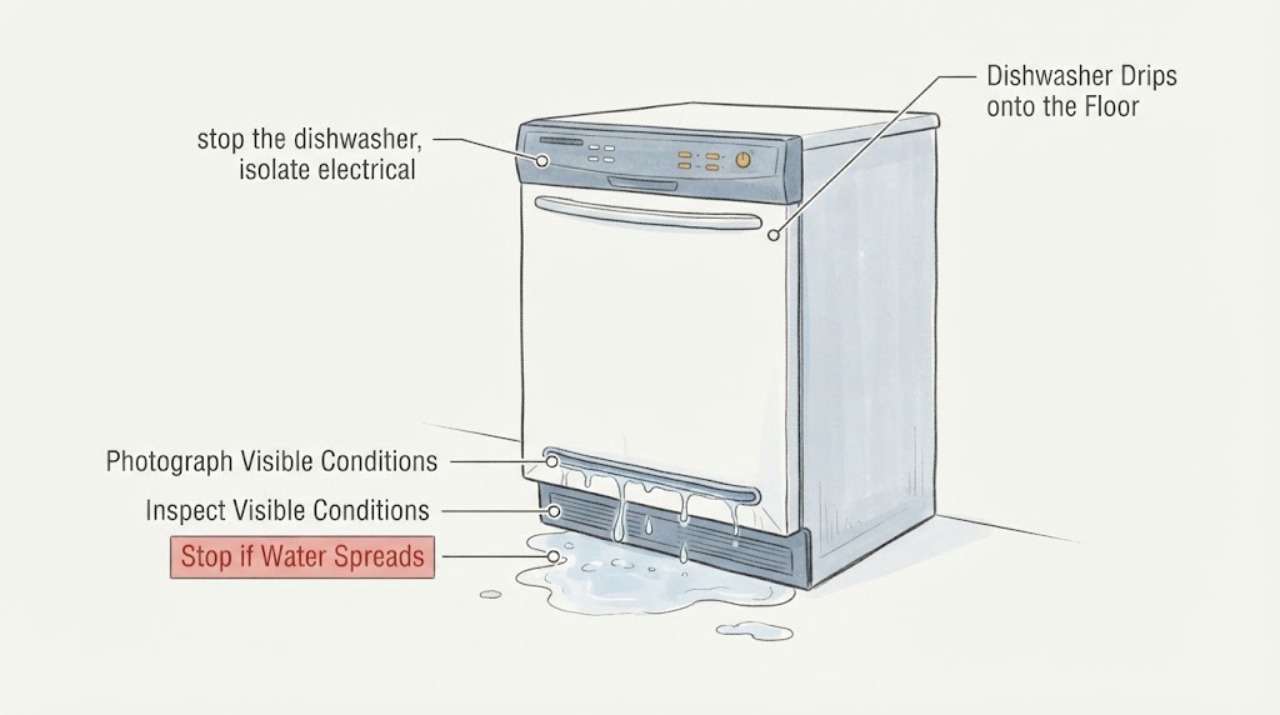
Viking DFUD042 Dishwasher Drips onto the Floor During Heated Dry
If a Viking DFUD042 dishwasher puts water on the floor during heated dry, stop the cycle, switch off power at a safe point, and close the dishwasher's water shutoff. Do not run another heated cycle to locate the source, pull the built-in unit forward, remove the toe-kick, tilt it, or apply sealant.
-
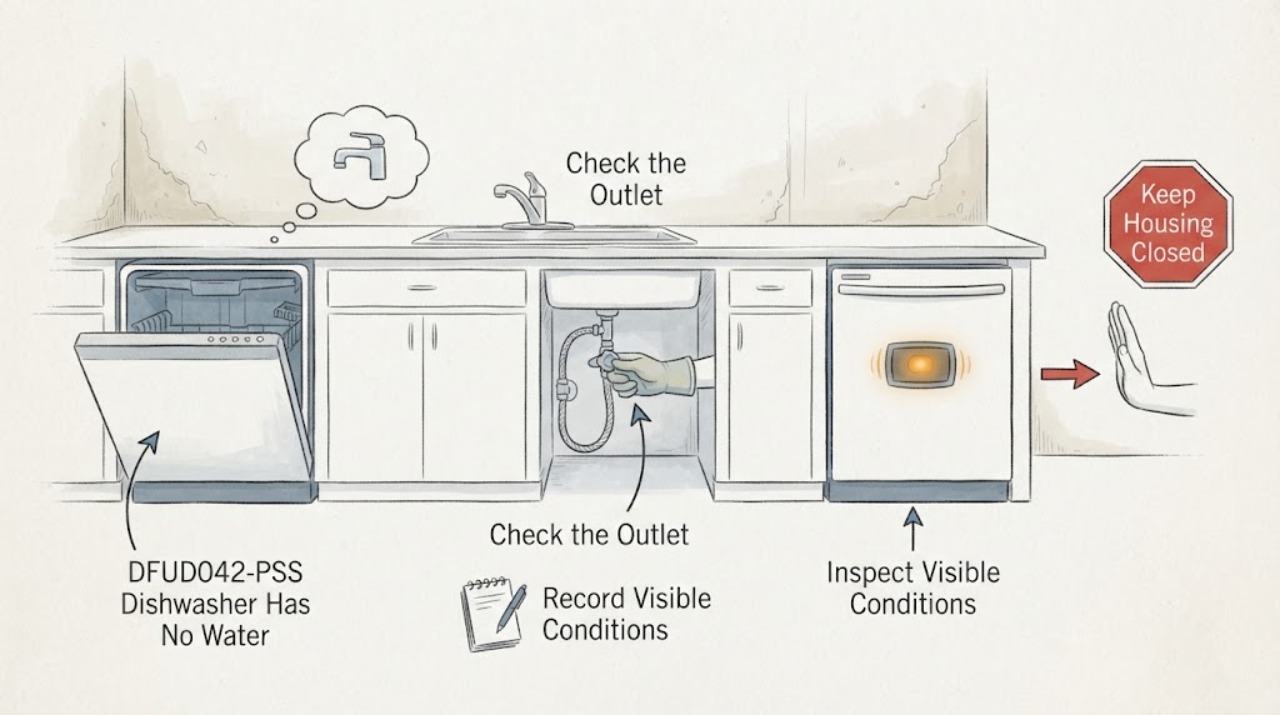
Viking DFUD042-PSS Dishwasher Has No Water After 10 Years Idle: Check the Supply Safely
Do not keep starting a Viking DFUD042-PSS dishwasher that has been idle for about 10 years just to see whether it fills. First keep the appliance off, check from a dry position that the under-sink water shutoff is available and that the visible supply line is not kinked, and look for leakage or corrosion without loosening a fitting.
-
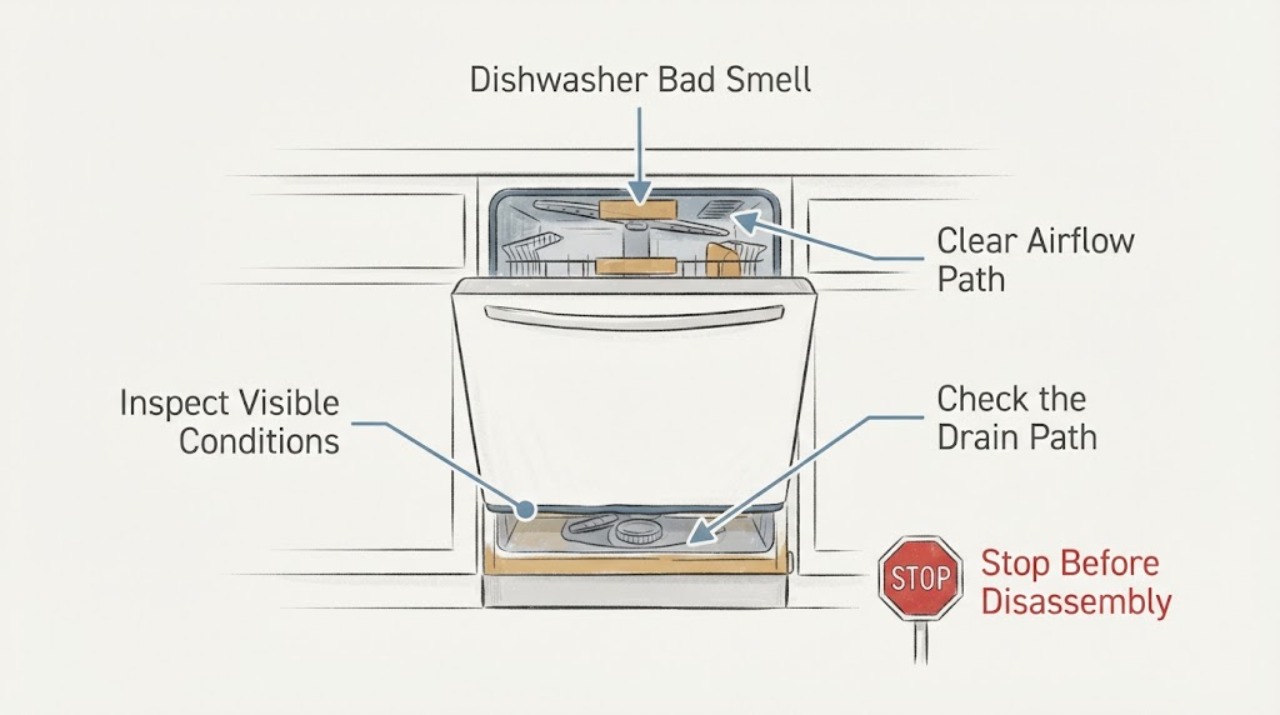
Viking Dishwasher Bad Smell
For a Viking dishwasher with bad smell, start with the external control, closure, setting and user-accessible path checks for this model. Note exactly when the symptom appears and what changes after one safe check. If the appliance shows smoke, sparking, a burning smell, abnormal heat, flooding near electrics, damaged wiring or repeated breaker operation, stop using it and arrange qualified service.
-
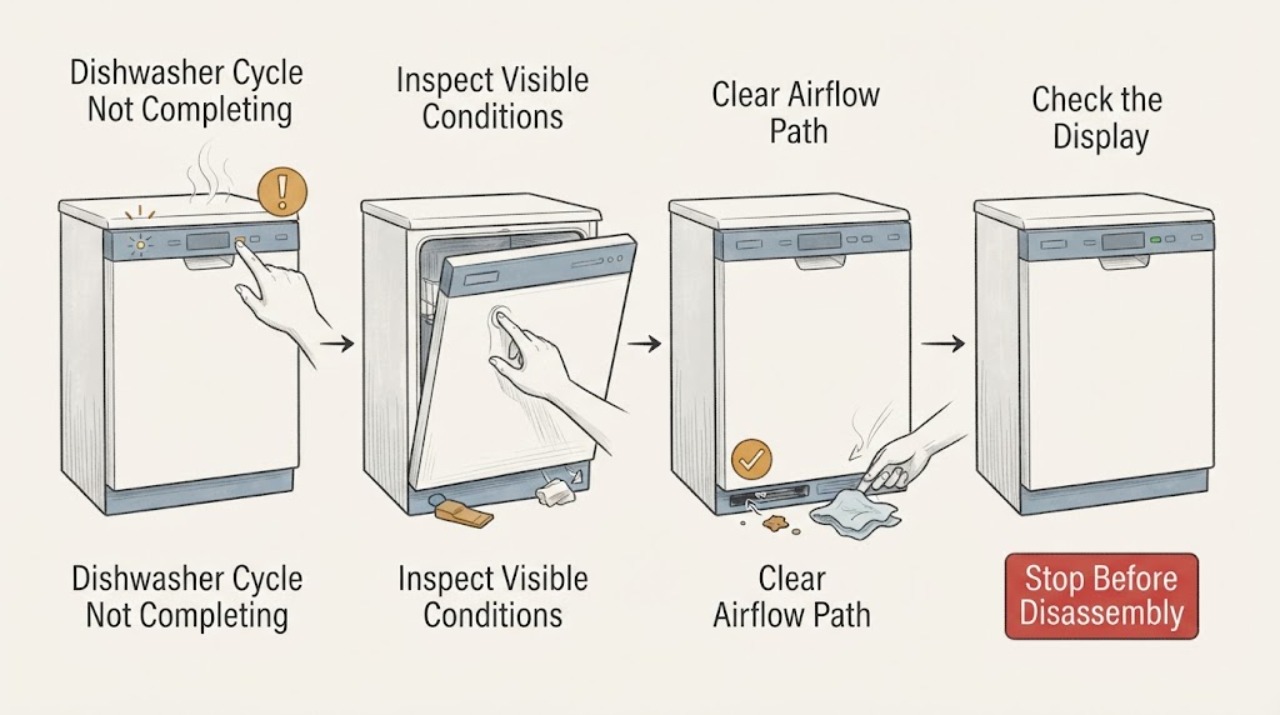
Viking Dishwasher Cycle Not Completing
For a Viking dishwasher with cycle not completing, start with the external control, closure, setting and user-accessible path checks for this model. Note exactly when the symptom appears and what changes after one safe check. If the appliance shows smoke, sparking, a burning smell, abnormal heat, flooding near electrics, damaged wiring or repeated breaker operation, stop using it and arrange qualified service.
-
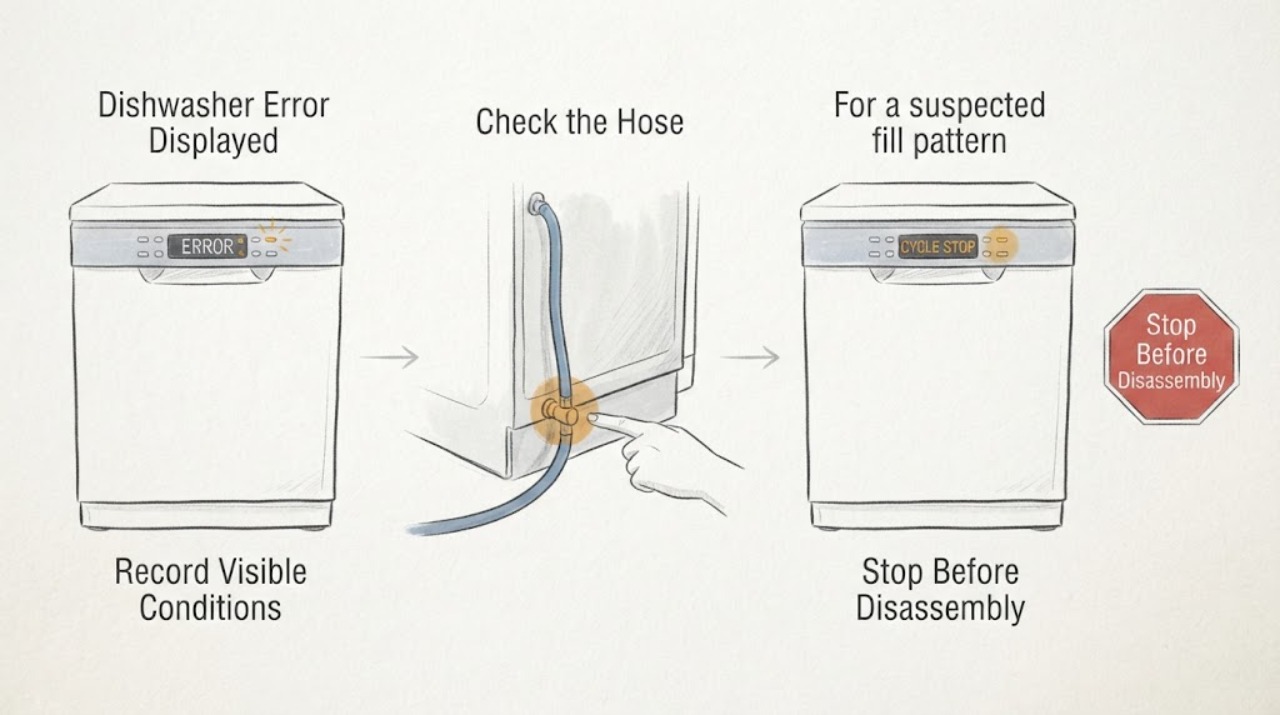
Viking Dishwasher Error Displayed: Read the Fault Pattern Before Resetting
A Viking dishwasher error display or flashing pattern must be recorded before it is cleared. On the opened 451 Series manual, the pattern identifies separate conditions such as drain, fill, motor-control, flood-sensor, and internal errors. Use the documented four-second Start reset only after the matching visible checks, and contact service when the fault returns. Other Viking series use different tables, so do not transfer a flash code between models.
-
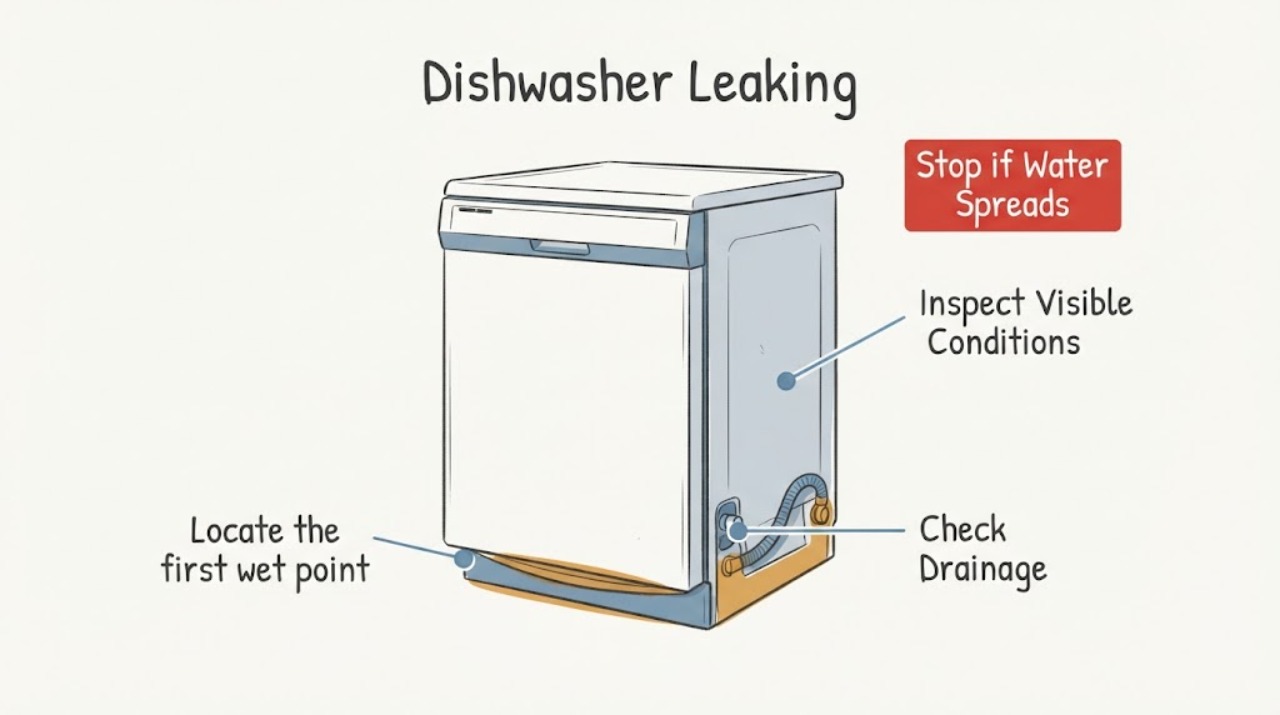
Viking Dishwasher Leaking
For a Viking dishwasher with leaking, start with the external control, closure, setting and user-accessible path checks for this model. Note exactly when the symptom appears and what changes after one safe check. If the appliance shows smoke, sparking, a burning smell, abnormal heat, flooding near electrics, damaged wiring or repeated breaker operation, stop using it and arrange qualified service.
-
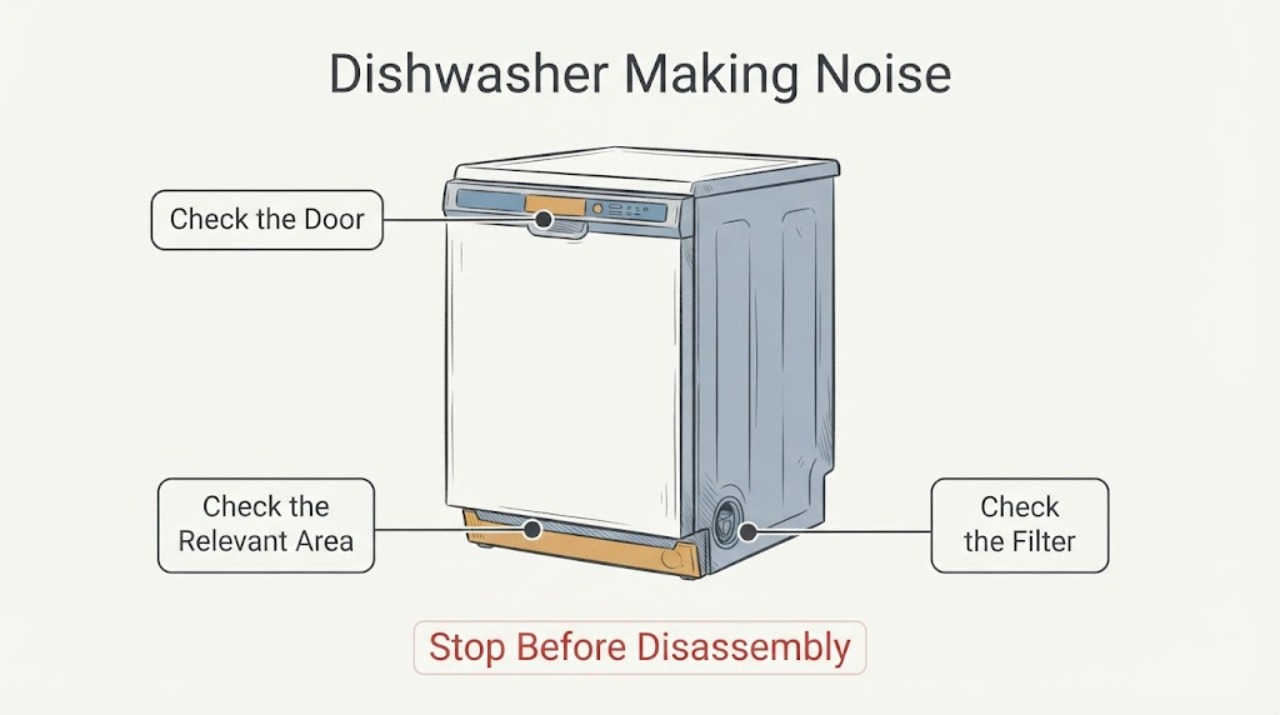
Viking Dishwasher Making Noise
A Viking dishwasher noise often comes from dishes, pot lids, light items, spray arms, or plumbing transmitting sound. Stop the cycle and, when safe, check that dishes do not touch one another or the tub, light items are secured, pot handles and lids do not strike the walls, the spray arms can rotate, and the sink drain plugs are in place.
-
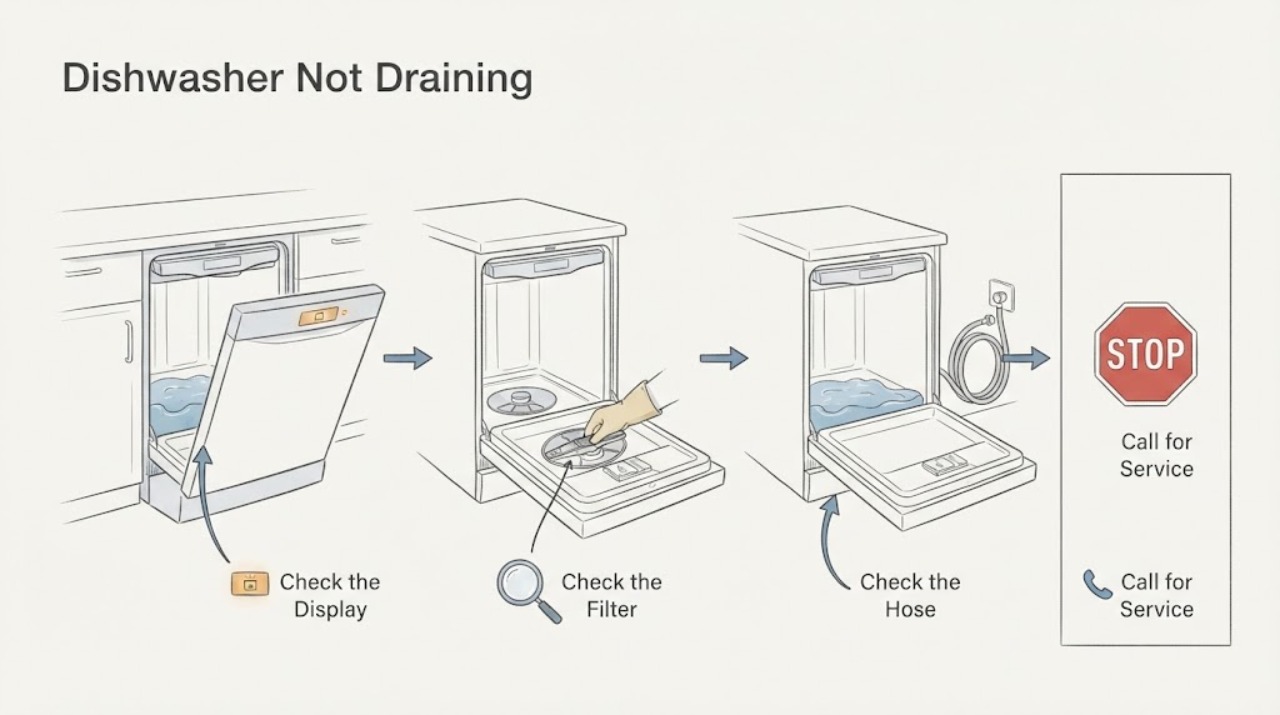
Viking Dishwasher Not Draining
A Viking dishwasher that is not draining should be separated into a clogged filter or sink connection, a restricted or incorrectly routed drain hose, or a drain-pump or control fault. Turn off the dishwasher before opening the tub, check only the accessible filter and external drain path, then use the exact model manual for its reset or fault indication. Stop for a leak, overflow, burning odor, damaged wiring, or a drain error that returns after one documented reset.
-
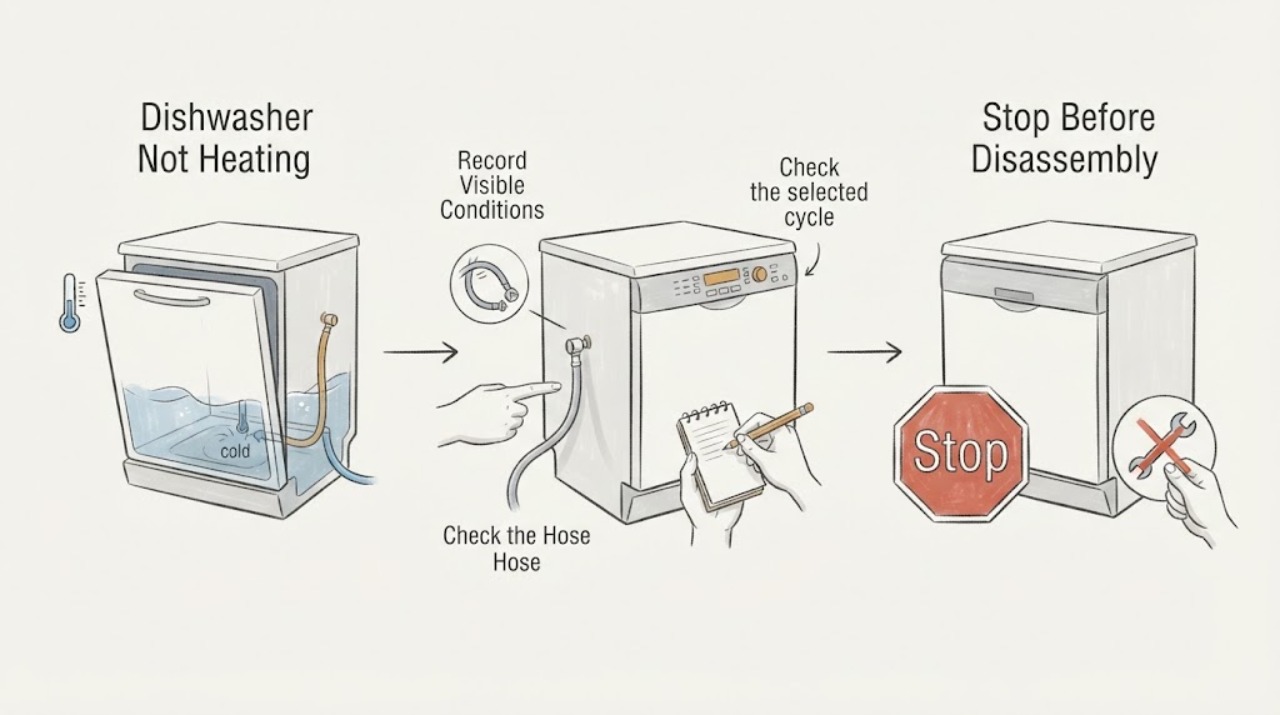
Viking Dishwasher Not Heating: Safe Checks
If a Viking dishwasher is not heating, first distinguish cold incoming water or a long cycle from dishes that remain cold and wet after completion. Confirm the dishwasher is connected to the intended hot-water supply, note the selected cycle, rinse aid, and any flashing fault pattern, and use the exact model manual. Do not access the heater or live wiring; recurring temperature or control faults require Viking service.
-
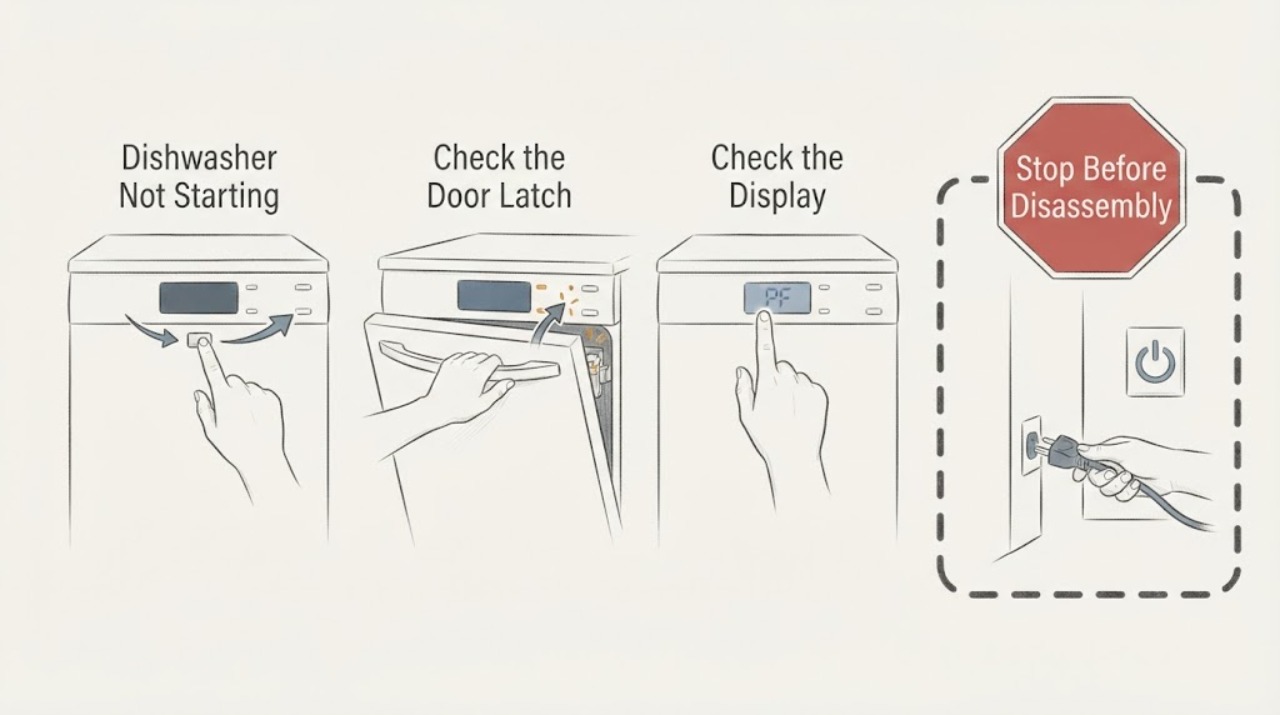
Viking Dishwasher Not Starting: Check the Door, Delay, Water, and Power
If a Viking dishwasher will not start, close the door firmly and confirm the selected program is not waiting on DELAY START. Then verify the water supply is on and the cord, outlet, fuse, or breaker are sound.
-
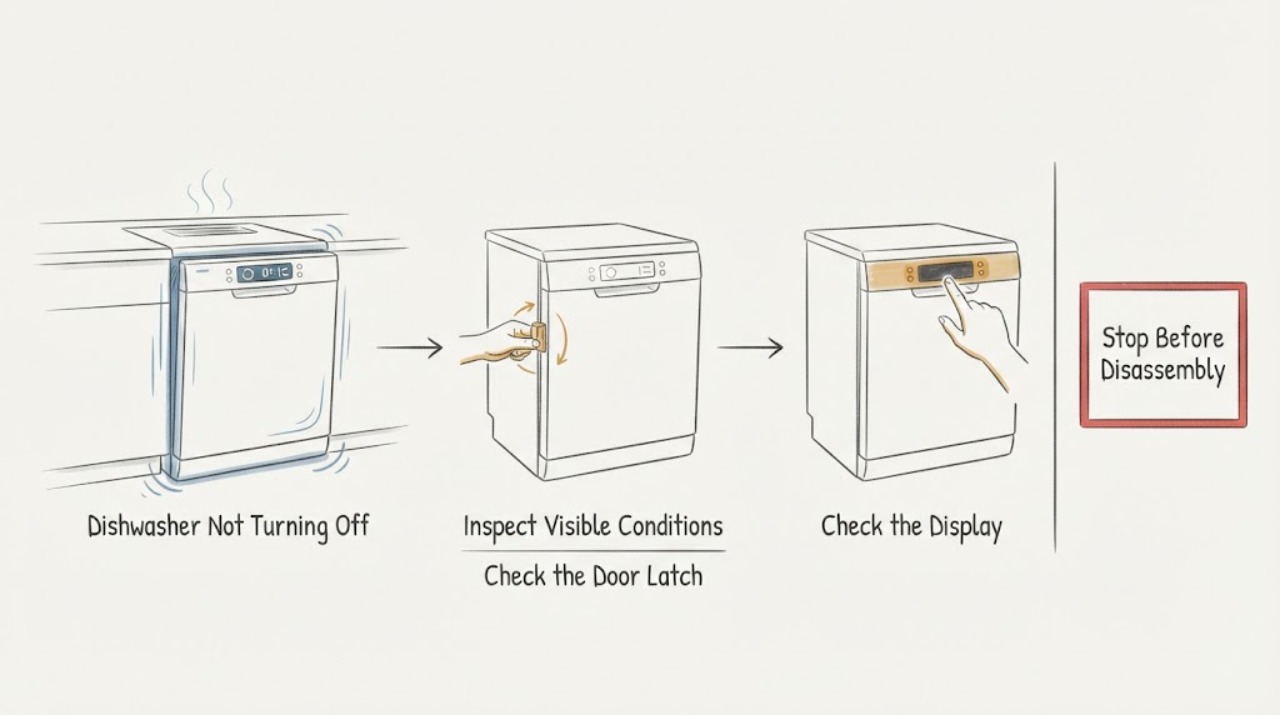
Viking Dishwasher Not Turning Off
A Viking dishwasher that keeps running may be waiting for a drain, fill, or cycle condition rather than having a simple power-button problem. Check whether the Start or Power indicator is flashing, whether the tub is draining, whether the door is securely closed, and whether a fault pattern is displayed. Use the exact model manual to cancel or reset once; if the pump continues, water remains, the unit leaks, or a fault returns, leave it off and arrange qualified service.
-
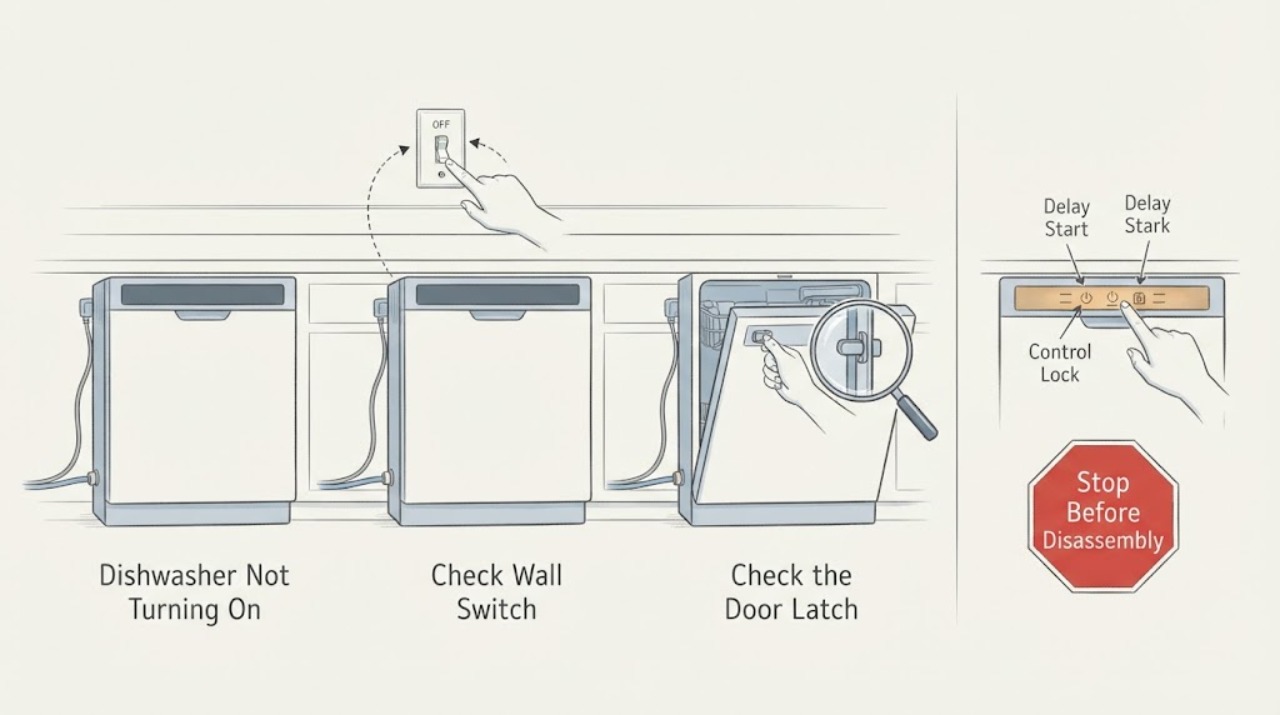
Viking Dishwasher Not Turning On: Check Door, Delay Start, and Power
When a Viking dishwasher will not turn on or start, verify the breaker, outlet, and cord, then close the door firmly and check for a control lock or delay start. Viking's use-and-care guidance lists an open door, delay start, disconnected water, power cord, fuse, and breaker among start-failure checks. Do not bypass the door latch or open live panels. A repeated breaker trip, burning odor, or failure after these checks requires qualified service.
-
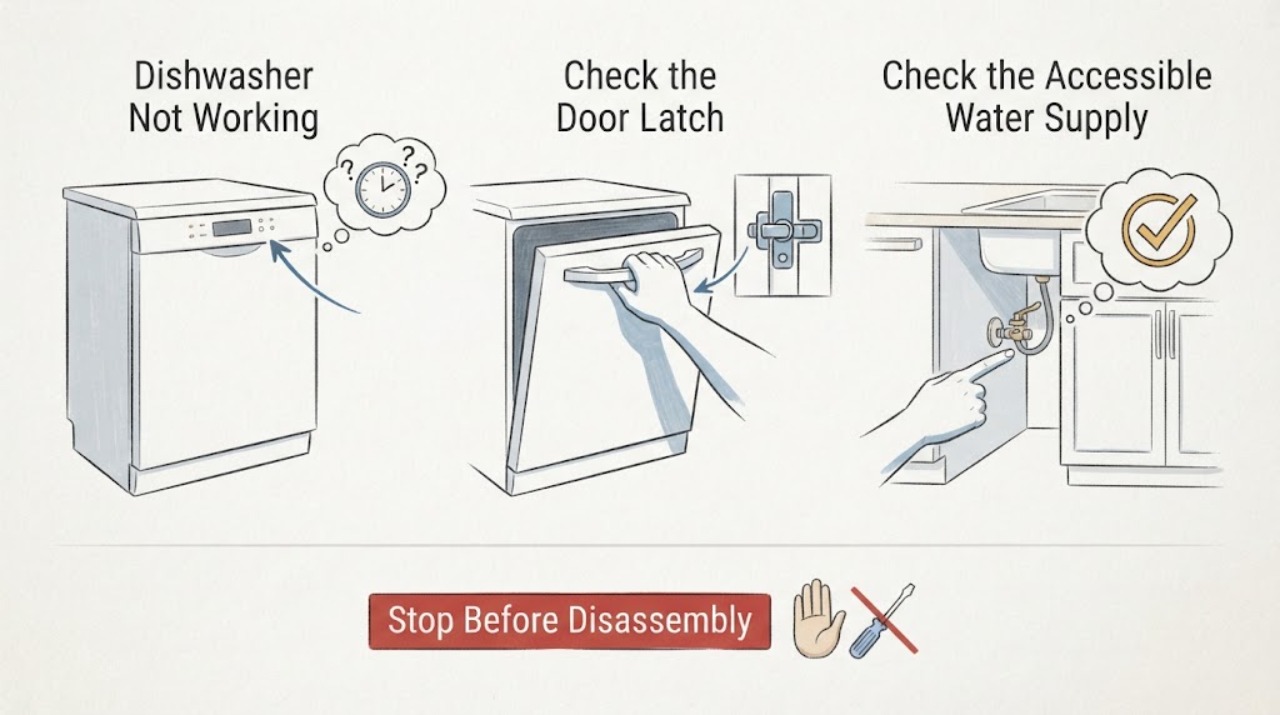
Viking Dishwasher Not Working
A Viking dishwasher that is not working may be stopped by the door, a delay setting, missing water supply, power protection, or a fault indication. Viking’s official use-and-care material starts diagnosis with the door and delay option, then water and power checks, filters, and the displayed fault pattern.
-
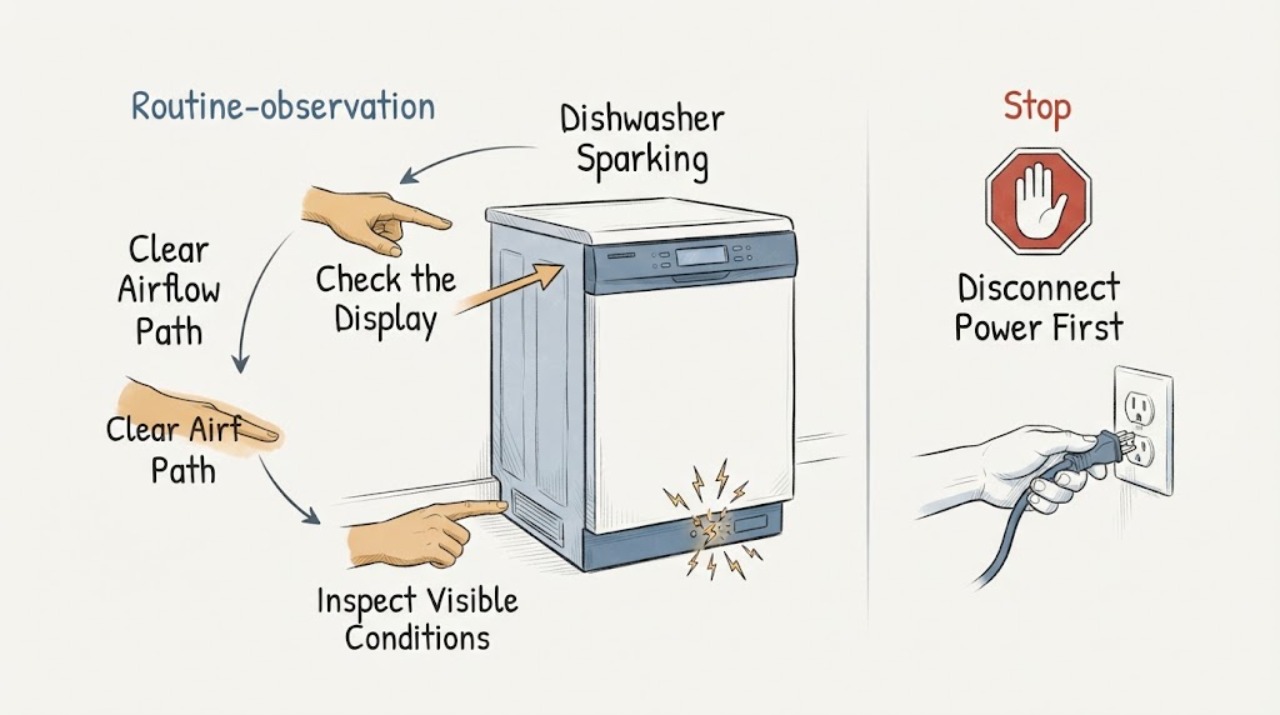
Viking Dishwasher Sparking
For a Viking dishwasher with sparking, start with the external control, closure, setting and user-accessible path checks for this model. Note exactly when the symptom appears and what changes after one safe check. If the appliance shows smoke, sparking, a burning smell, abnormal heat, flooding near electrics, damaged wiring or repeated breaker operation, stop using it and arrange qualified service.