
Beko appliance guidance
Beko Refrigerator Repair Guides
Troubleshooting and repair guidance for published Beko Refrigerator problems, symptoms, and maintenance questions.
Published Beko Refrigerator guides
Choose the guide whose symptom or condition most closely matches what you are seeing.
-
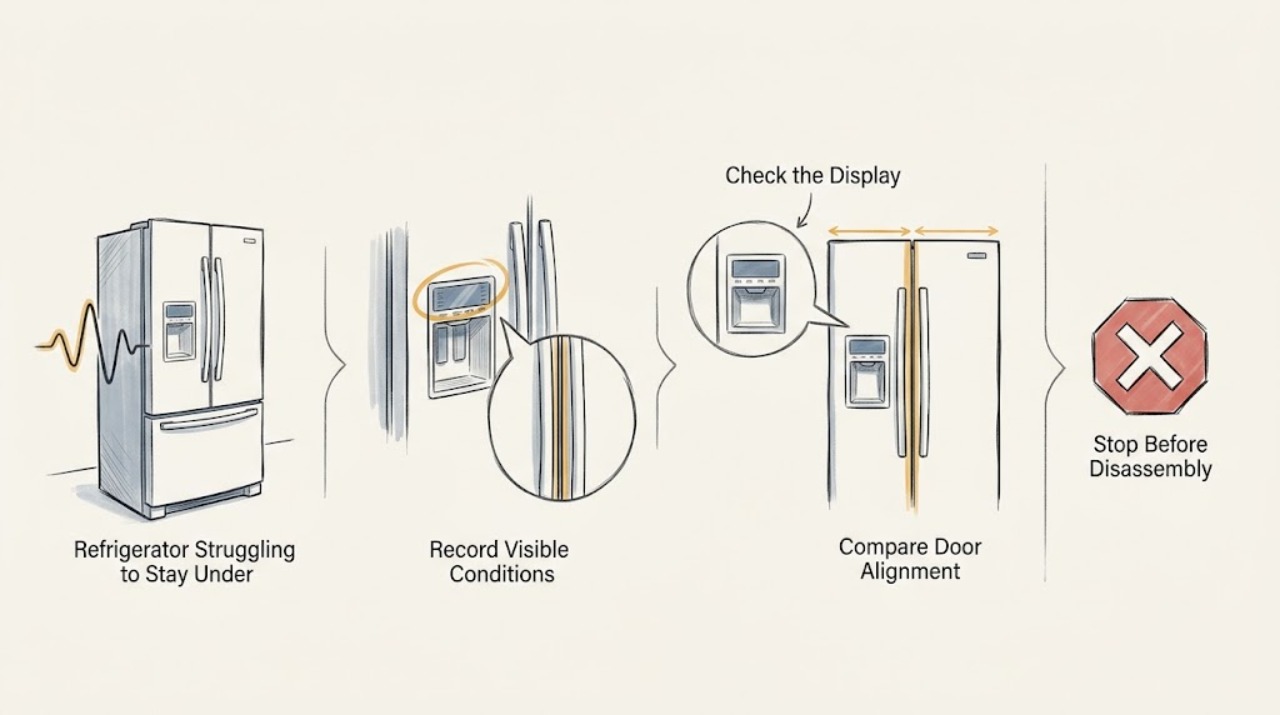
Beko BFBD30216SS Refrigerator Struggling to Stay Under 40°F
Treat a refrigerator that cannot stay at or below 40°F as a food-safety and service issue, not just a setting complaint. For the Beko BFBD30216SS, first put an accurate appliance thermometer in a cup of water on a middle shelf and record the temperature after it has been undisturbed; the control setting is not the same as the measured compartment temperature.
-
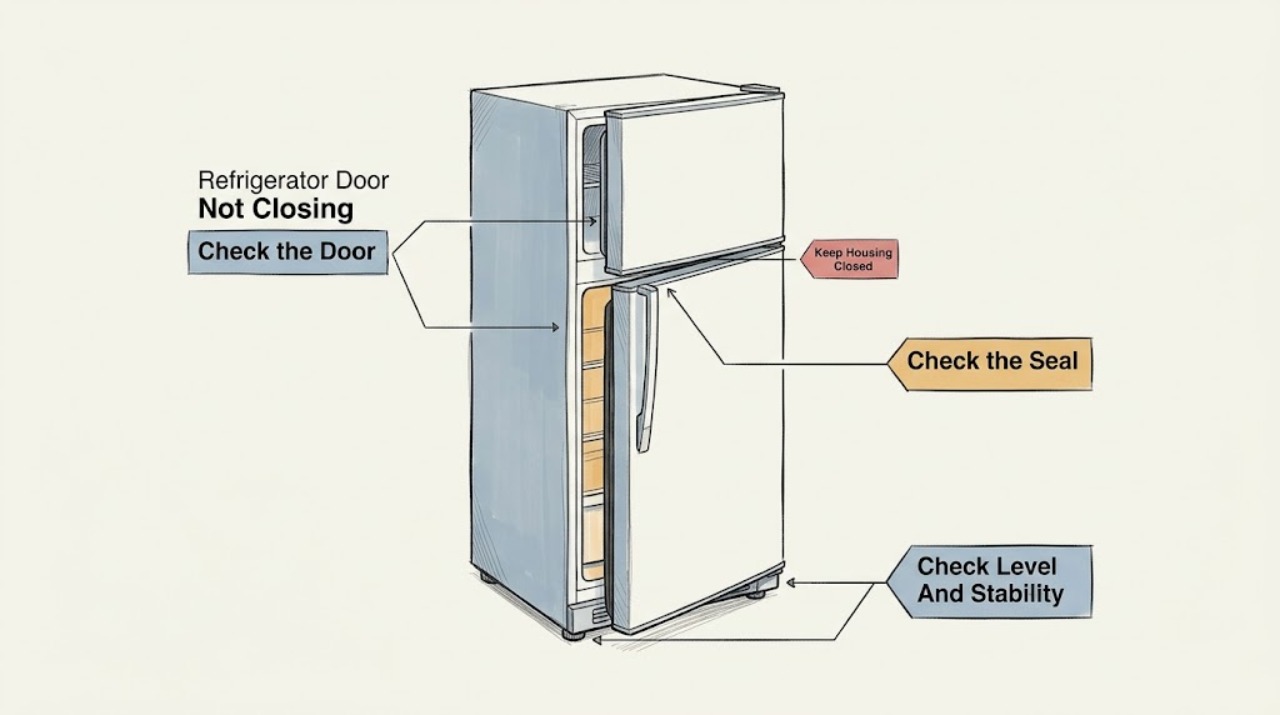
Beko Refrigerator Door Not Closing: What to Check and What to Do Next
For a Beko refrigerator door that will not close, first remove any container or shelf item that projects into the door path, then check whether the refrigerator stands stable and whether the gasket has a visible gap, crack, tear, or loose section. Inspect the freezer edge for frost that prevents closure, but do not chip ice or force the door.
-
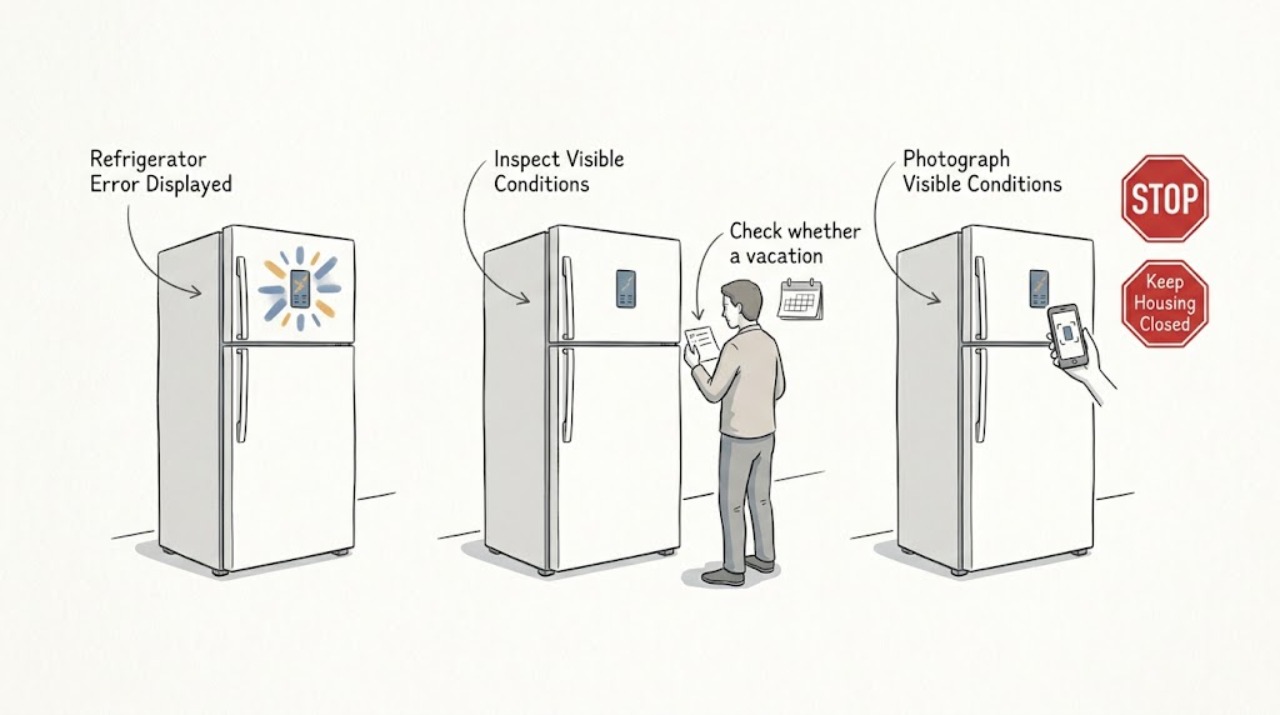
Beko Refrigerator Error Displayed
If a Beko refrigerator is displaying an error or warning, do not assume that every icon means the same thing on every model. First record the exact symbol or flashing temperature combination and the model number.
-
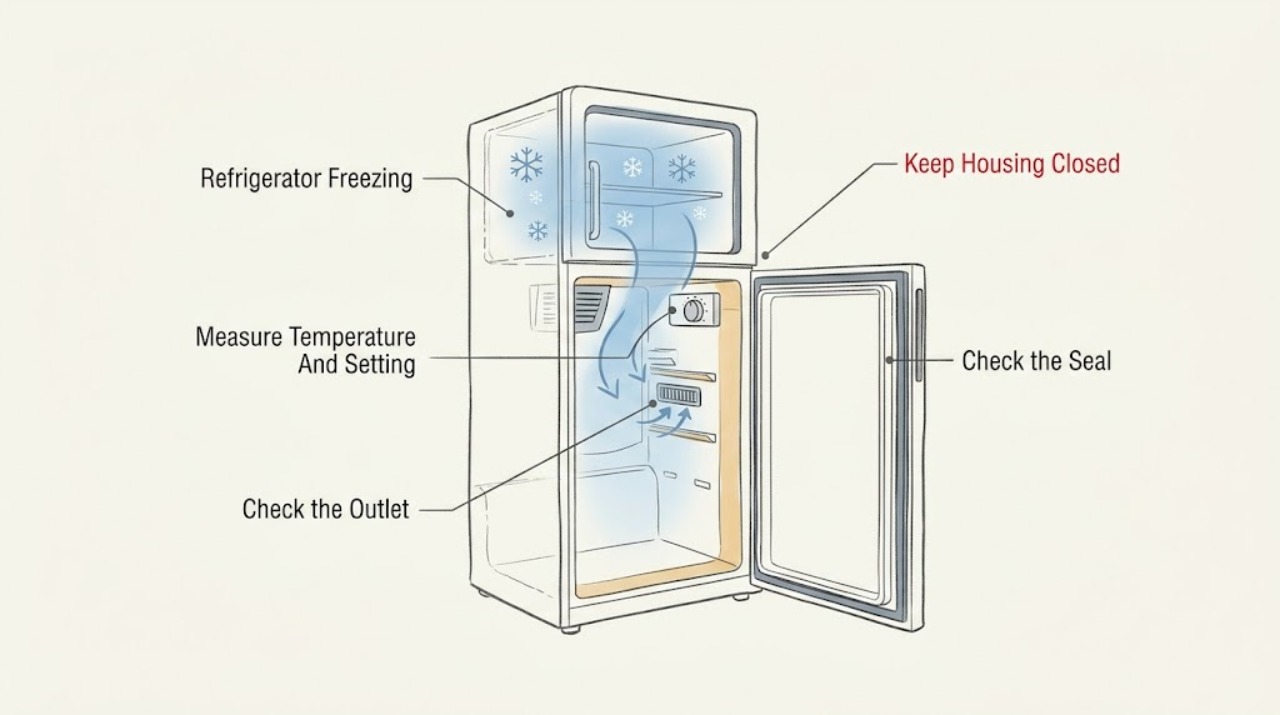
Beko Refrigerator Freezing
If food is freezing in the refrigerator compartment of a Beko refrigerator or fridge-freezer, first check the temperature setting and measure the actual compartment temperature with a thermometer rather than relying only on the display. Move sensitive food away from top-shelf air outlets and the rear wall, check that the door seal is clean and undamaged, and inspect for unusual frost or an active Fast Freeze setting.
-
Beko Refrigerator Frost Buildup
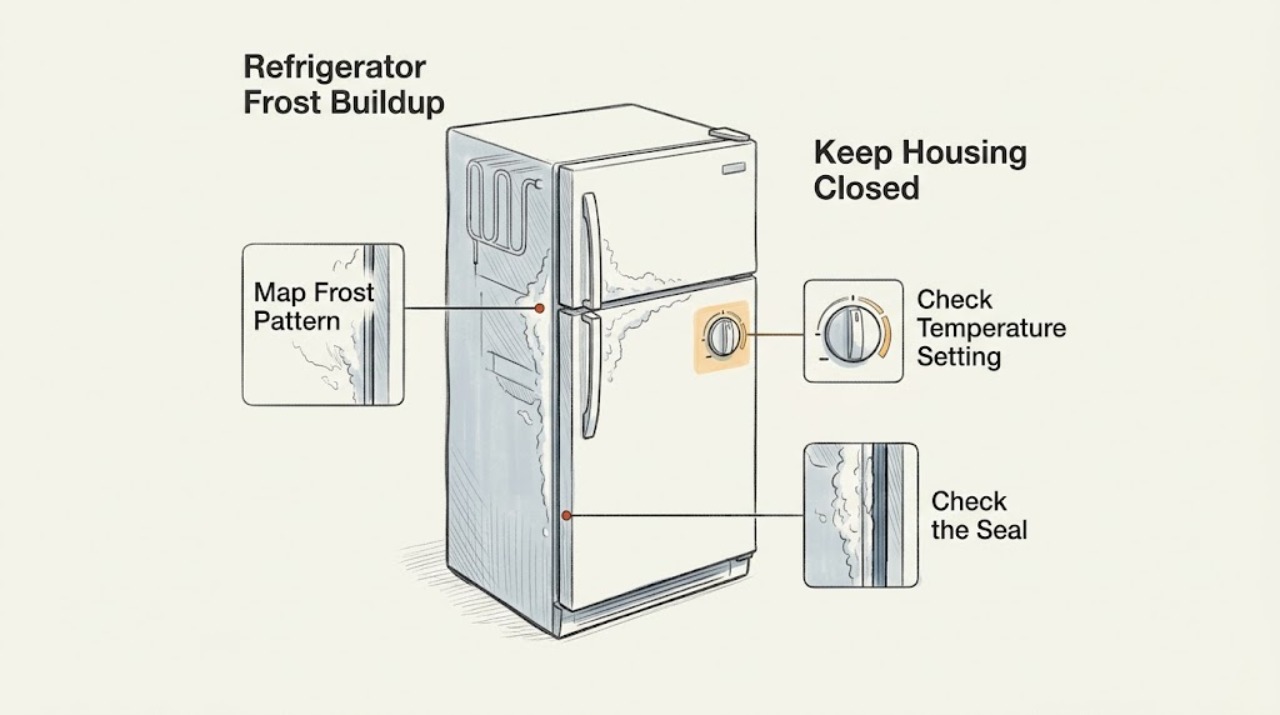
A thin frost layer on the rear wall of a Beko refrigerator can be normal, but dense or recurring ice is a symptom to investigate. First identify whether frost is limited to the rear wall or covers shelves, side walls, or the freezer, then check the temperature setting and the door seal for gaps, cracks, or tears.
-
Beko Refrigerator Leaking
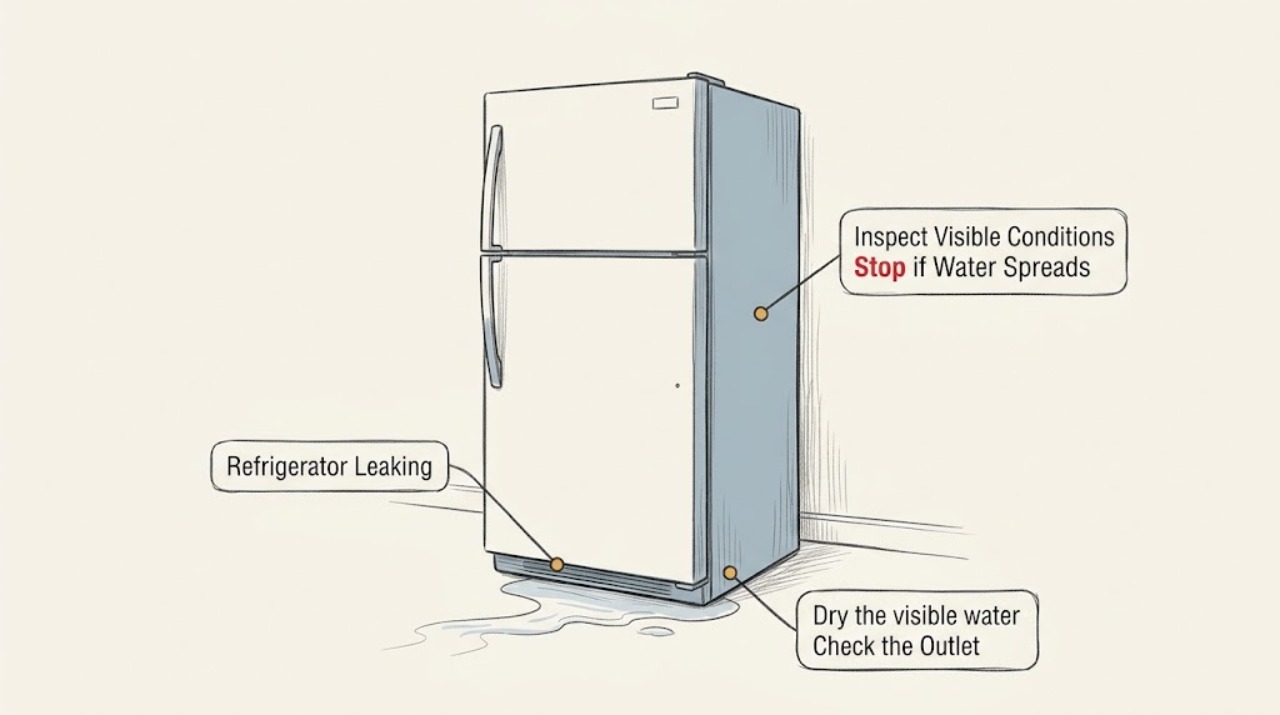
First locate whether the water is behind the crisper drawers, on the floor under the refrigerator, or at a plumbed dispenser connection. A blocked defrost drain commonly leaves a puddle inside; an unbalanced refrigerator can spill its drain pan; frost, a door that does not seal, or a water connection can create other leak paths.
-
Beko Refrigerator Light Flickering: Safe Checks and Next Steps
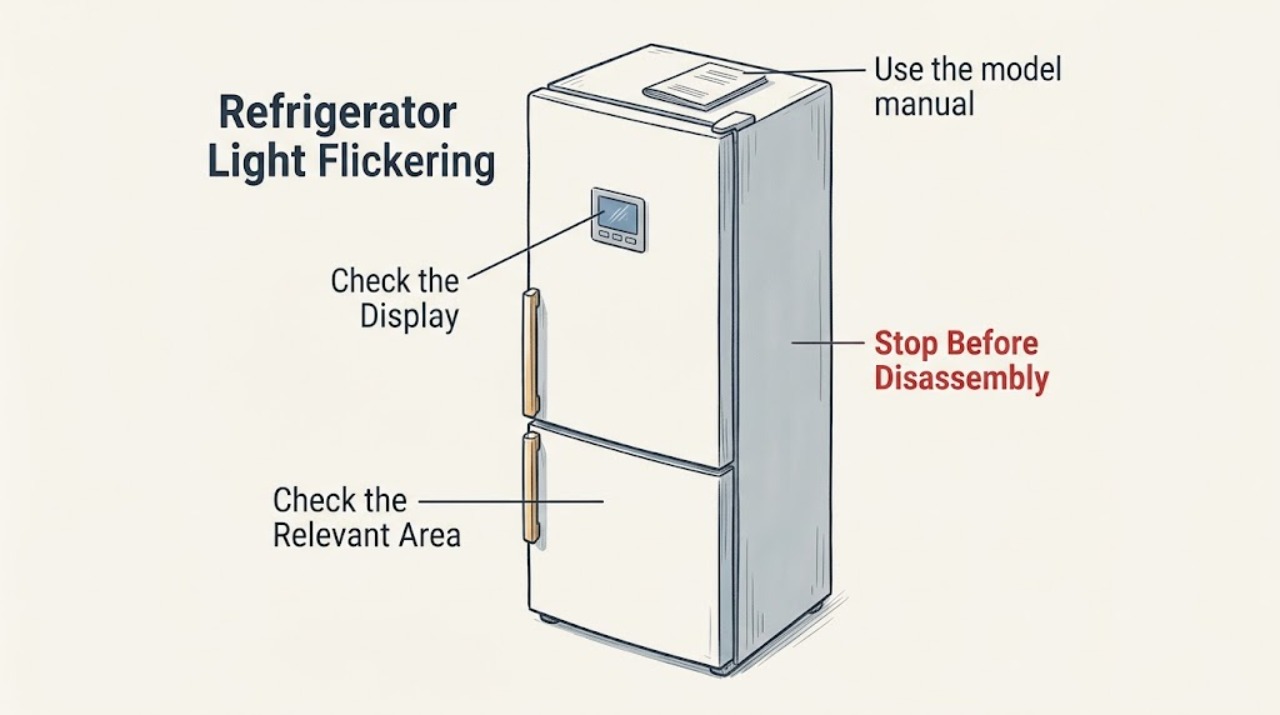
A flickering light in a Beko refrigerator is usually a light-source or door-activated contact issue, but first check whether the refrigerator is also losing cooling or whether other household lights are flickering. Beko says many of its refrigerators use an LED light and that LED faults should be handled through Beko support; only a model that uses a standard bulb should be inspected or replaced, with the appliance unplugged and the exact manual followed.
-
Beko Refrigerator Making Noise: What the Sound Means
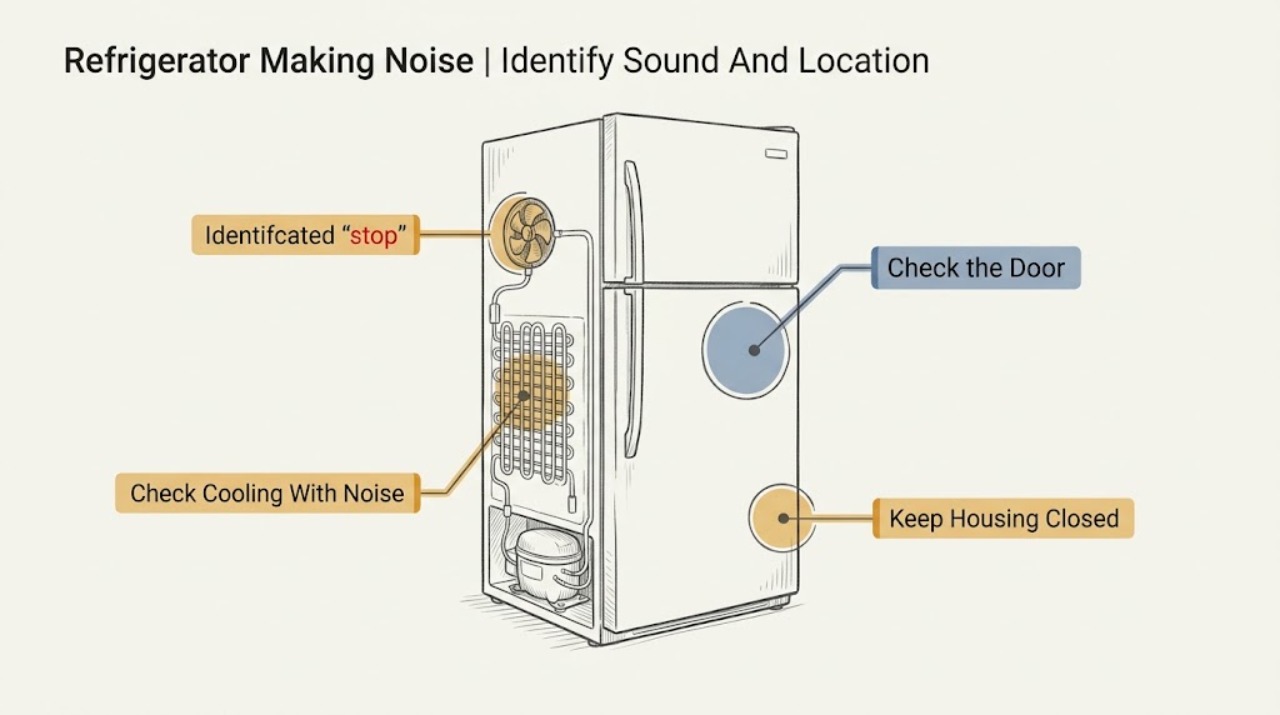
Some Beko refrigerator sounds are part of normal operation: flowing or bubbling sounds can come from refrigerant movement, clicking can come from a defrost timer or ice maker, cracking can come from components expanding or contracting, and hissing can occur during No-Frost defrosting. First identify the sound and whether cooling remains normal.
-
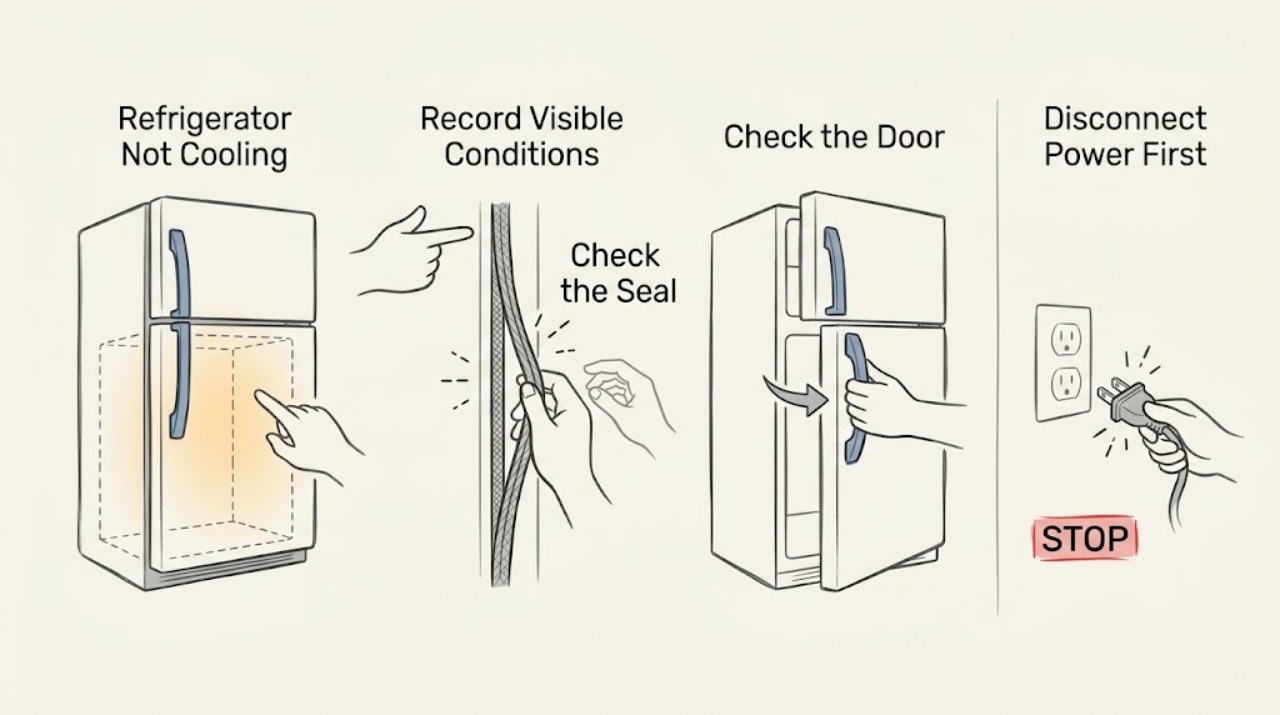
Beko Refrigerator Not Cooling
Verify the actual temperature before assuming the compressor has failed: place a thermometer in a glass of water on the middle shelf and leave it for 12 hours or overnight. Then check the temperature setting, door seal, recent hot food or long door opening, blocked airflow from overpacking, and the appliance's ambient location.
-
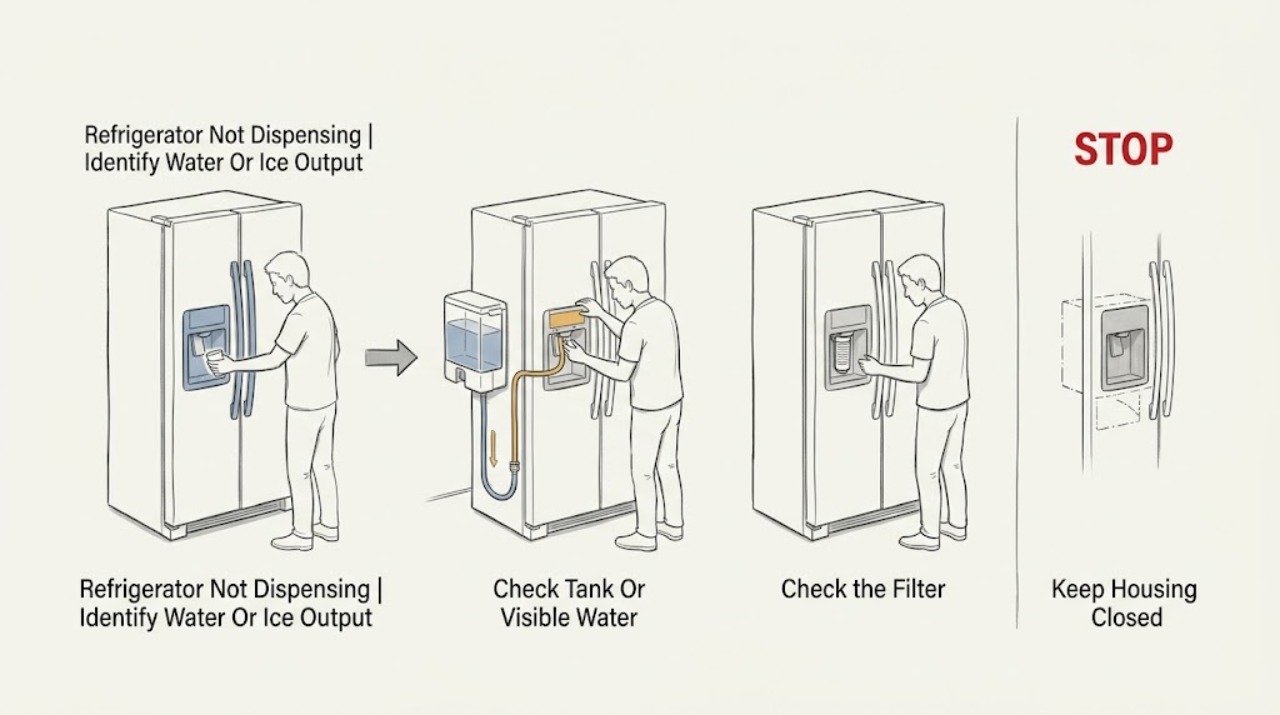
Beko Refrigerator Not Dispensing: Restore Water or Ice Flow Safely
First identify whether the missing output is drinking water, ice, or both, and whether your Beko refrigerator uses an internal tank or a plumbed water line. An empty tank, a closed or obstructed line, trapped air after installation or filter replacement, a restricted filter, a disabled ice maker, or ice stuck in the dispenser path can each stop dispensing without proving a failed valve or control.
-
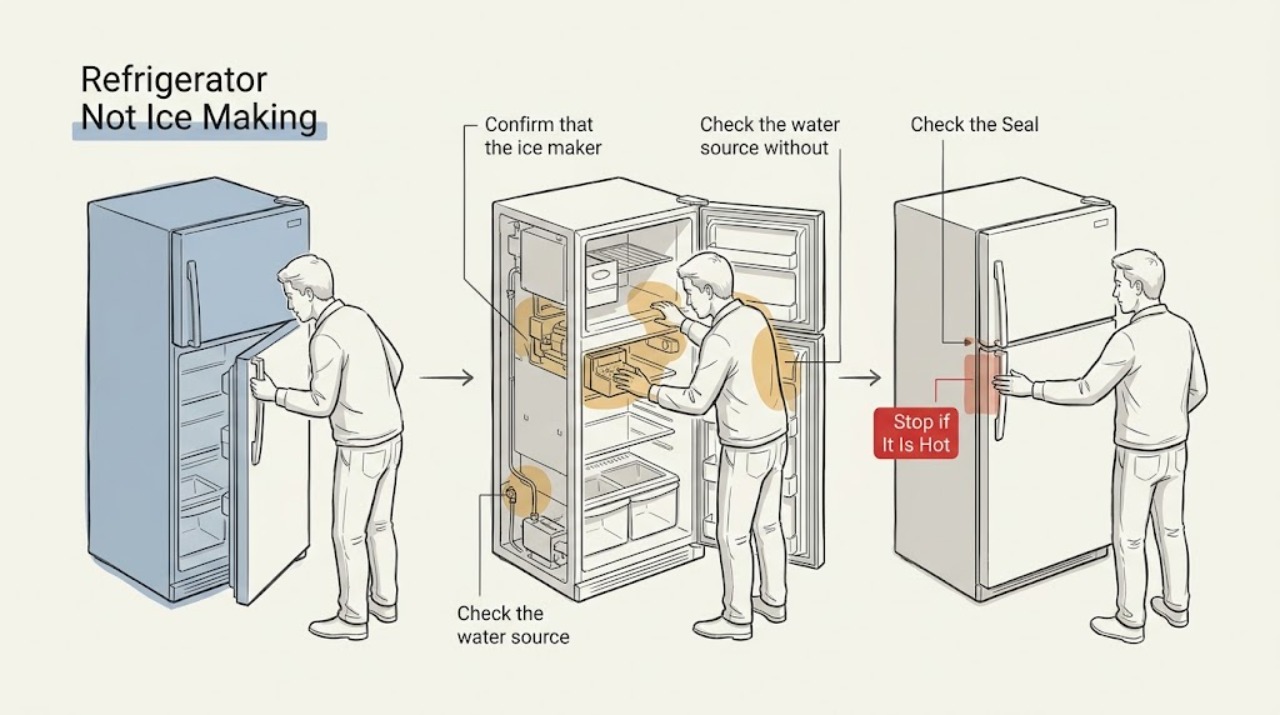
Beko Refrigerator Not Ice Making
Check the ice-maker status and bin first, then separate a water-supply problem from a freezer-temperature or ice-blockage problem. For a non-plumbed Beko refrigerator, fill the water tank; for a plumbed model, check the model-specific connections and any visible shutoff valve.
-
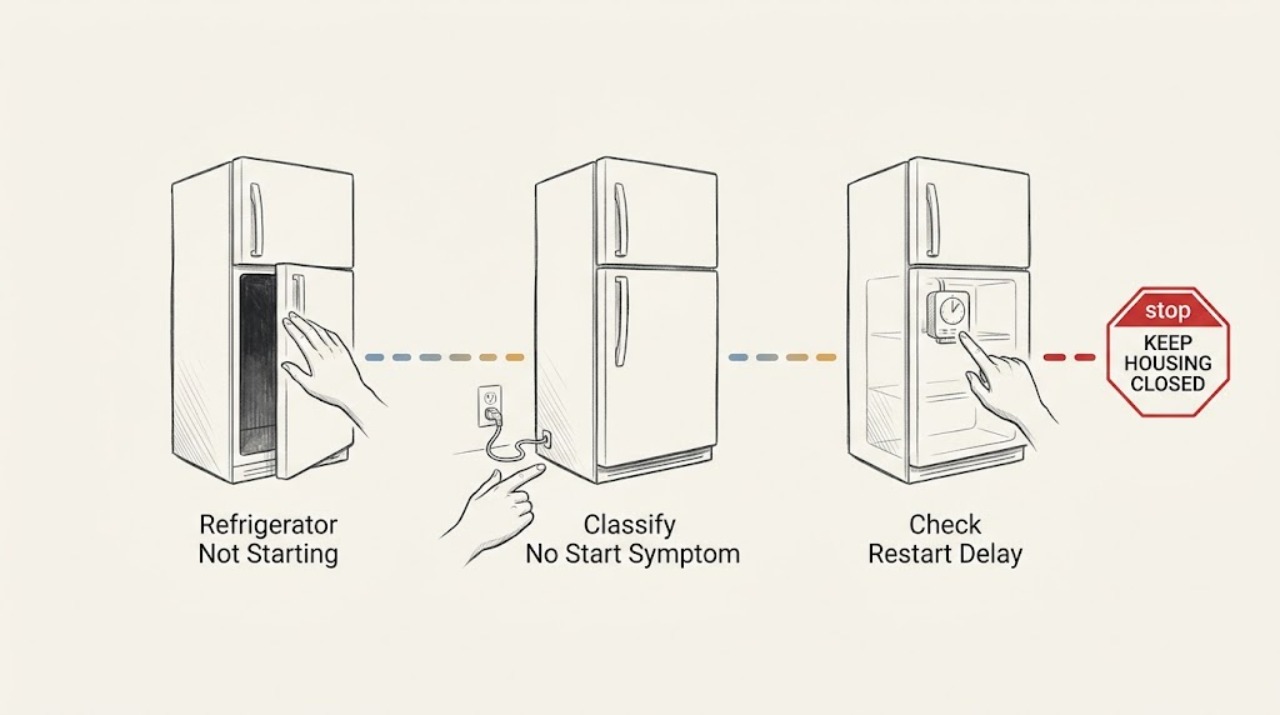
Beko Refrigerator Not Starting: What to Check and What to Do Next
If a Beko refrigerator is not starting, first decide whether the whole appliance is without power or whether the lights and controls work but the compressor is silent. Check the plug, accessible outlet, fuse or breaker, and model-specific temperature setting without opening panels.
-
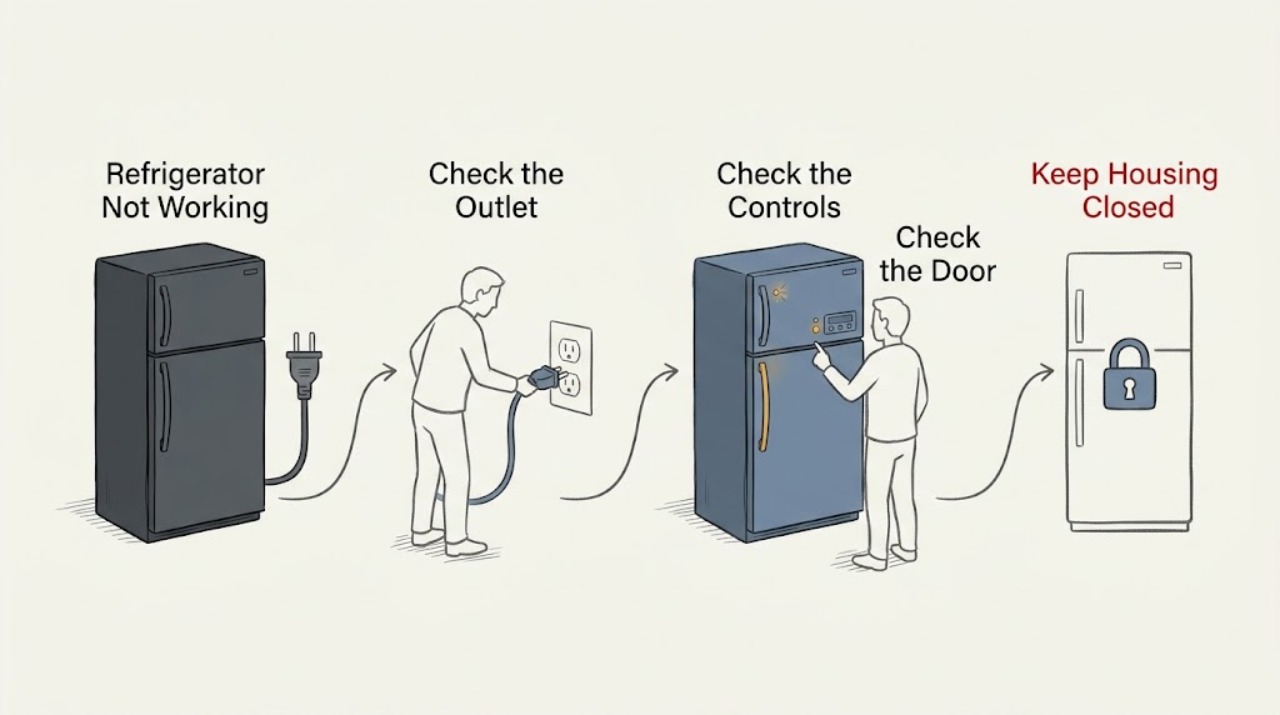
Beko Refrigerator Not Working
If a Beko refrigerator is not working, first determine whether it is completely without power or has power but is not cooling. Check the household supply and the refrigerator's accessible controls, then measure the actual cabinet temperature rather than relying on a door display.
-
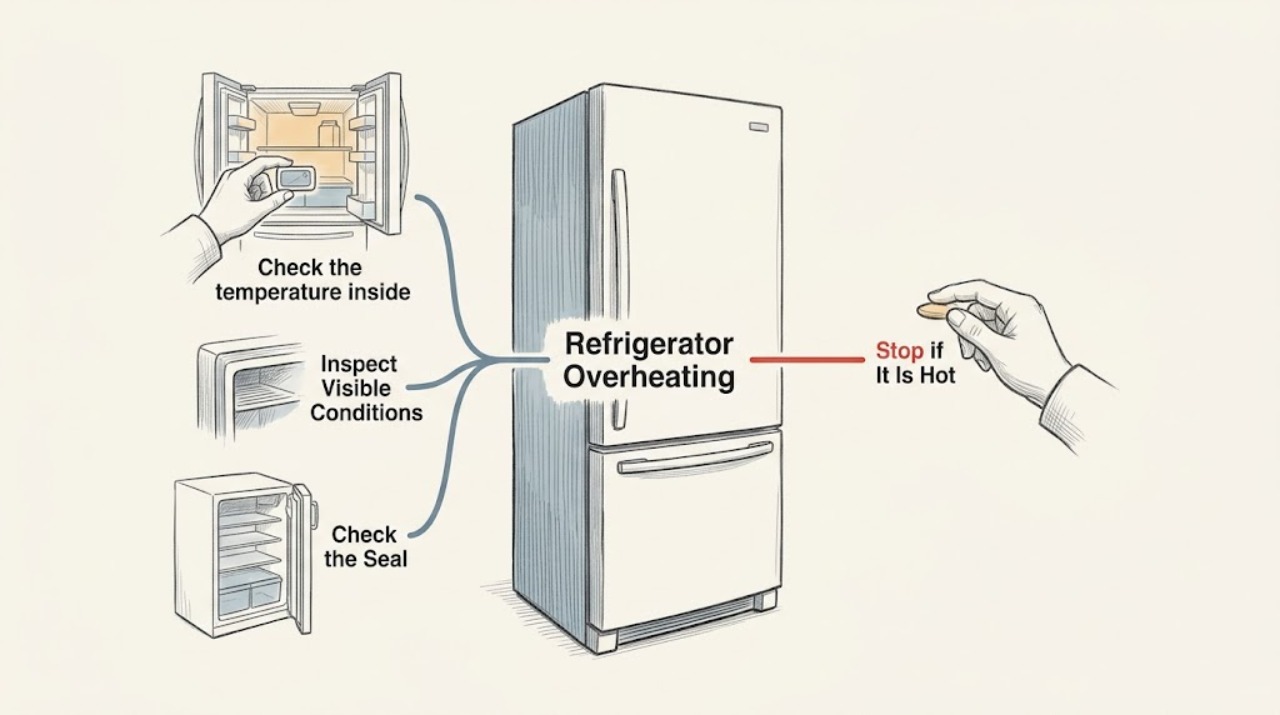
Beko Refrigerator Overheating
A Beko refrigerator's sides or front can feel slightly warm because the appliance releases heat through its condenser, especially in humid weather. Treat it as a fault when the inside temperature is rising, the compressor repeatedly clicks off, the cabinet is extremely hot, or the refrigerator runs for unusually long periods.
-
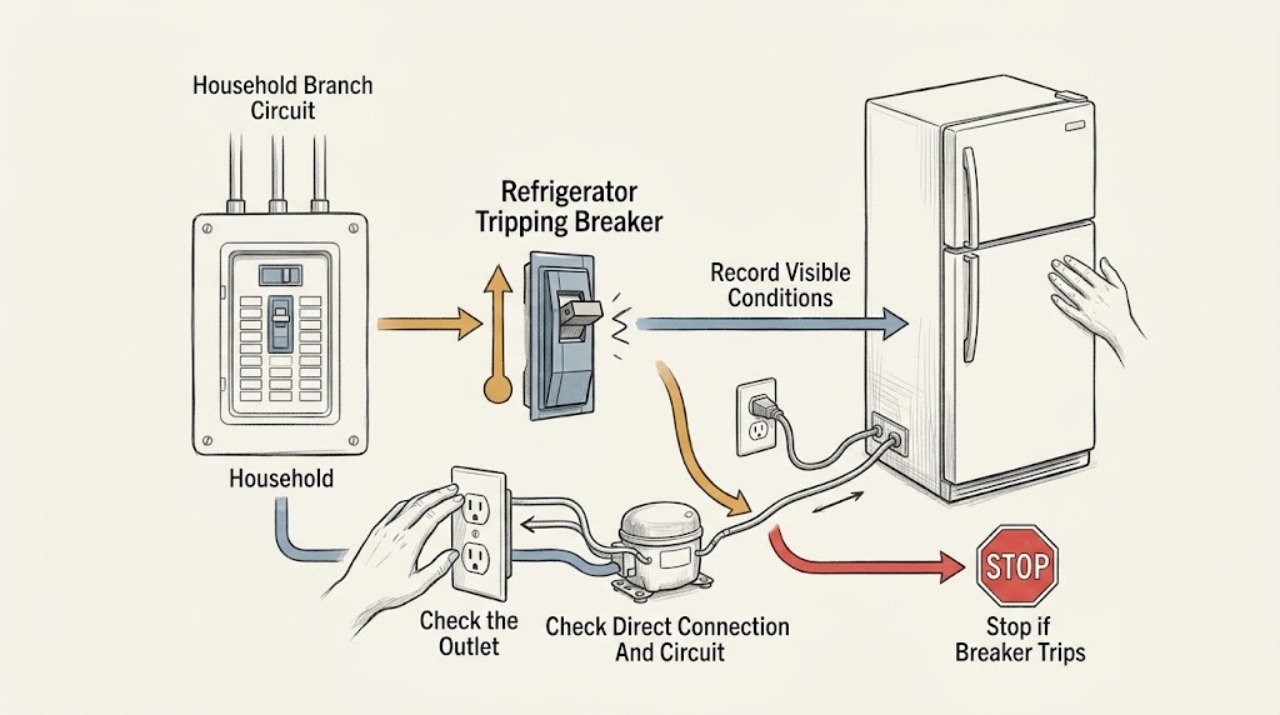
Beko Refrigerator Tripping Breaker
If a Beko refrigerator trips the household breaker, leave the breaker and refrigerator off rather than repeatedly resetting them. Note whether the trip happens as soon as the refrigerator is connected, when the compressor starts, after a defrost or ice-maker event, or only when other loads run.