
Electrical guides
Light Fixtures Repair Guides
Lighting guidance for flicker, dimming, wiring symptoms, lamps, and fixtures.
Published light fixtures guides
Choose the guide that best matches the equipment and symptom you are seeing.
-
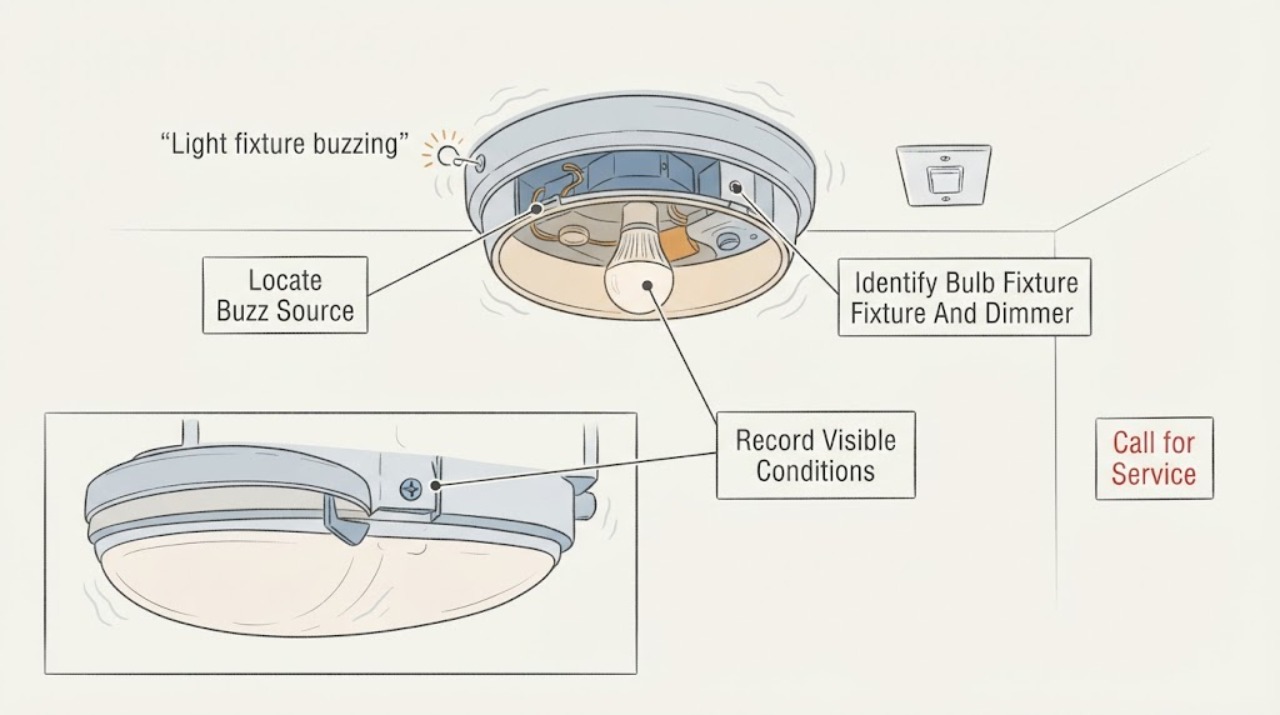
Feit light fixture buzzing: What to Check and What to Do Next
A buzzing Feit light fixture is often related to an LED bulb or fixture driver, an incompatible or incorrectly loaded dimmer, a loose bulb, or a loose or faulty connection. First determine whether the sound comes from the bulb, fixture, or wall control and whether it changes with brightness.
-
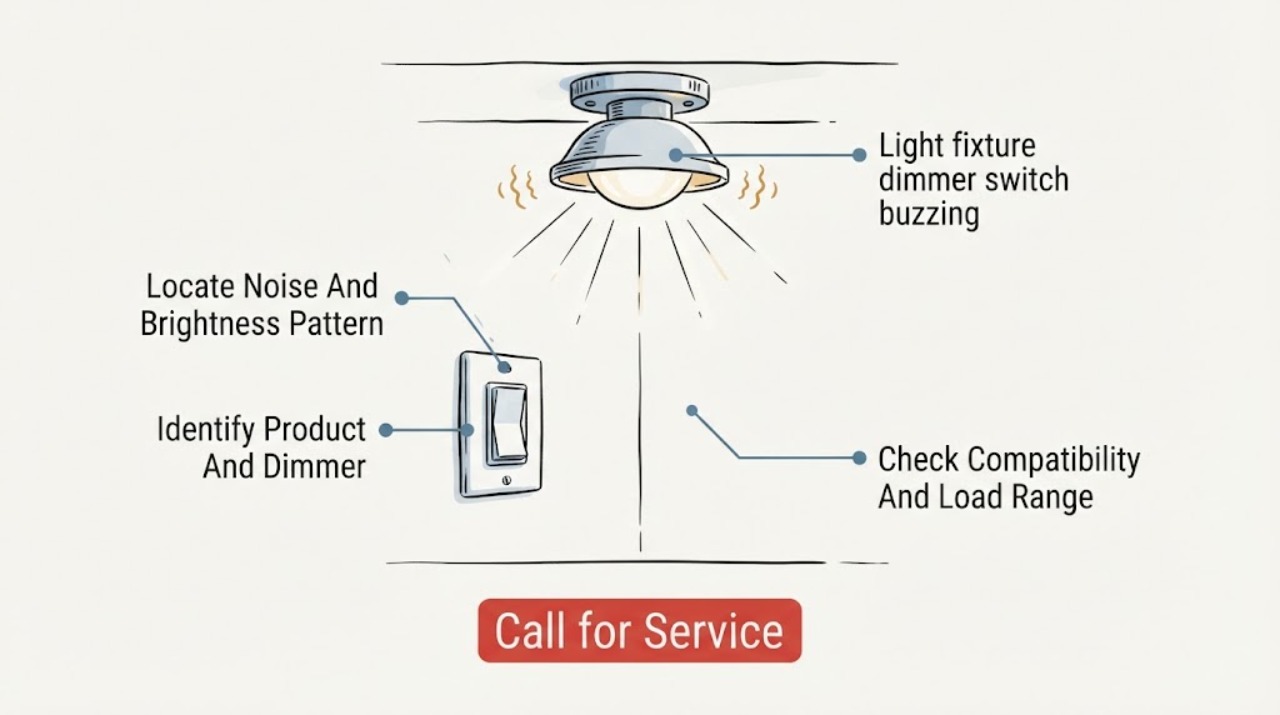
Feit light fixture dimmer switch buzzing: What to Check and What to Do Next
A Feit light fixture that buzzes on a dimmer usually needs the sound source and the LED/dimmer combination separated before any part is changed. From a safe position, identify whether the noise comes from the wall dimmer, the Feit lamp or integrated fixture, or the ceiling box, then note whether it changes with brightness.
-
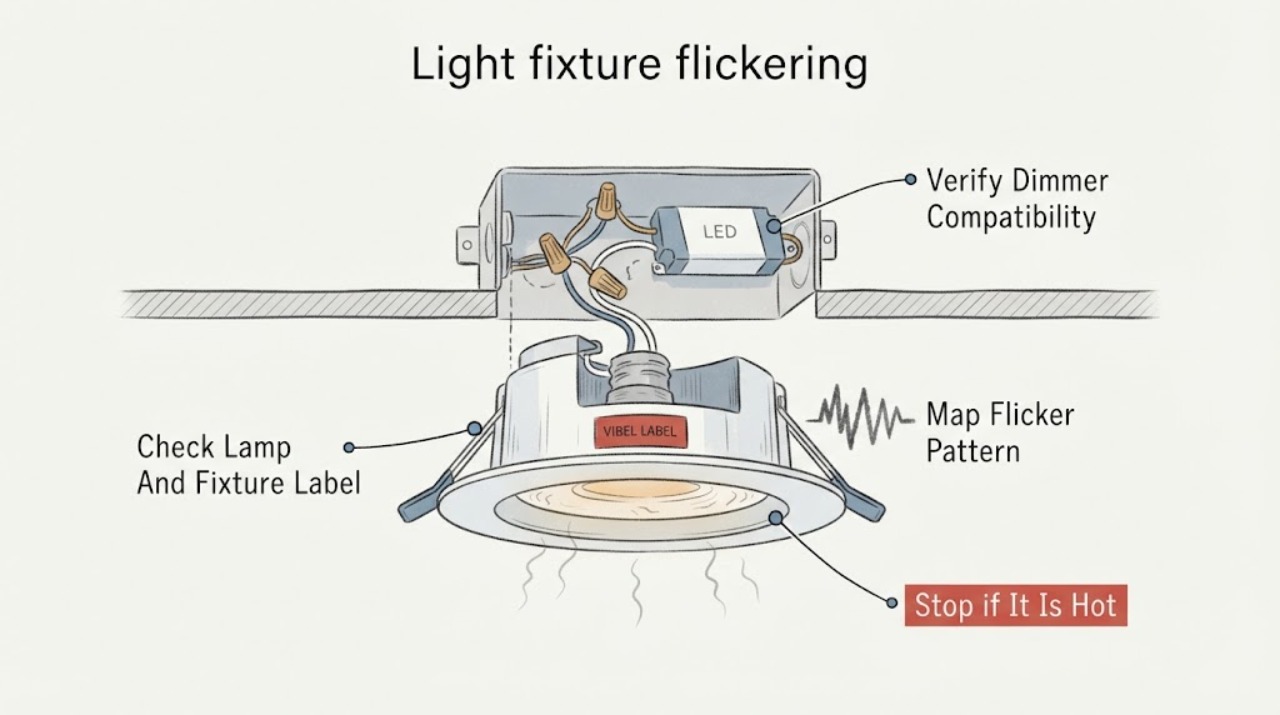
Feit light fixture flickering: What to Check and What to Do Next
A flickering Feit light fixture can result from a non-dimmable lamp on a dimmer, an LED and dimmer mismatch, a loose or failing lamp, an integrated LED driver fault, or an electrical connection or circuit problem. First note whether one fixture flickers or several lights do, and whether the change follows the dimmer position, switch action, or another appliance.
-
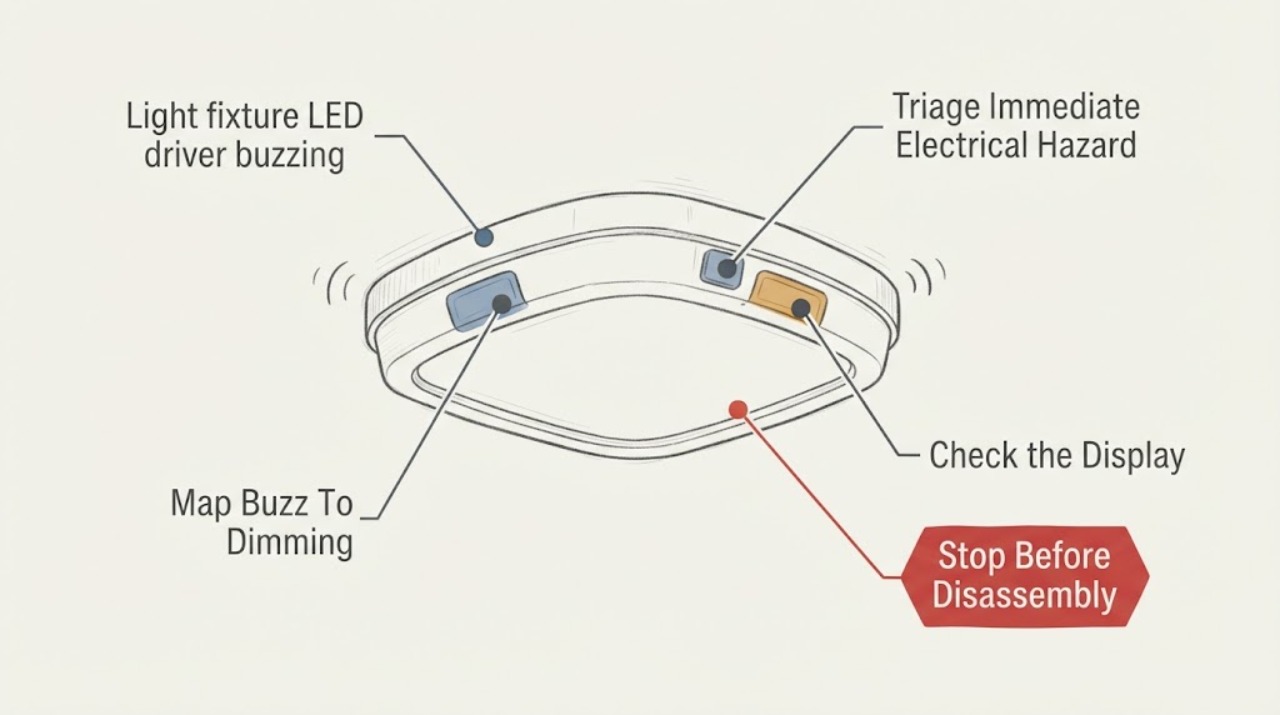
Feit light fixture LED driver buzzing: What to Check and What to Do Next
A Feit LED fixture that buzzes near its driver may be reacting to an incompatible dimmer, loose installation or wiring, or a failing driver or fixture. First observe whether the sound changes with dimming, starts with power, comes from the wall control, or is accompanied by flicker, heat, odor, or visible damage.
-
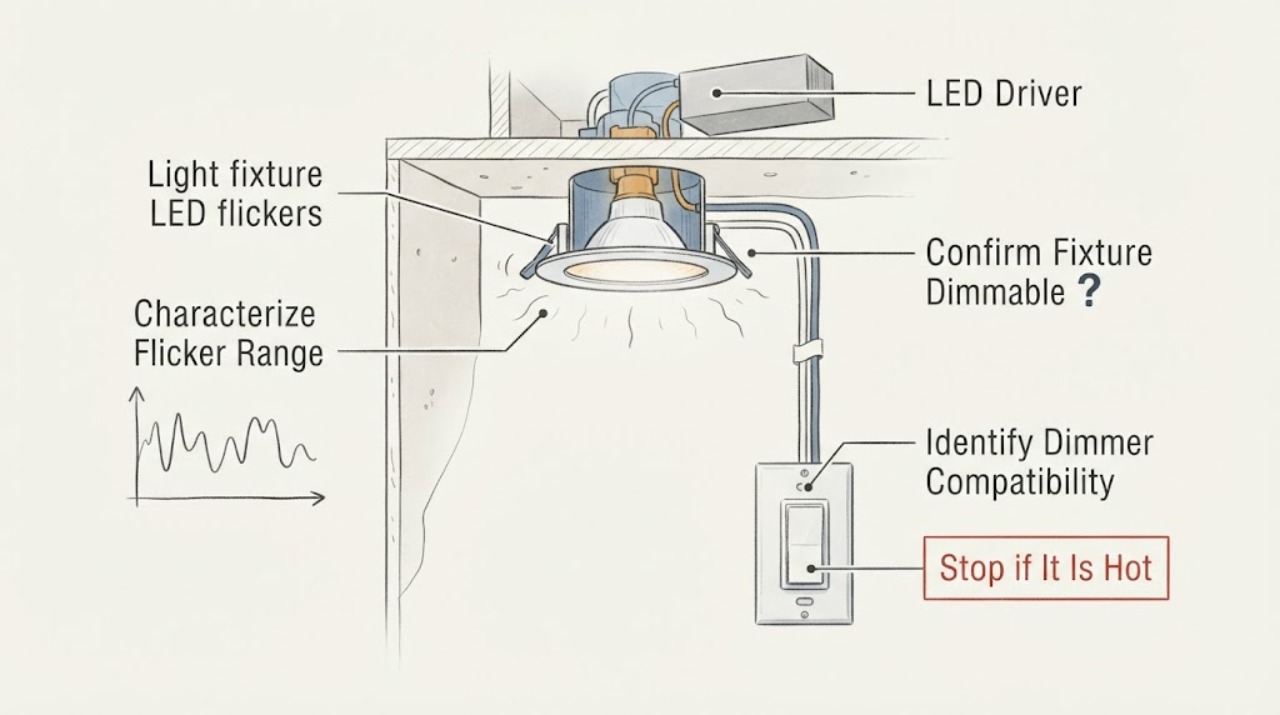
Feit light fixture LED flickers with dimmer: What to Check and What to Do Next
A Feit LED fixture that flickers on a dimmer most often has a compatibility or operating-range mismatch: the fixture may not be dimmable, the dimmer may not be rated for LED loads, the total load may be outside the dimmer's range, or the driver and dimmer may not work well together. Flicker that is strongest near the low end can sometimes be reduced by setting the dimmer's minimum level according to its instructions.
-
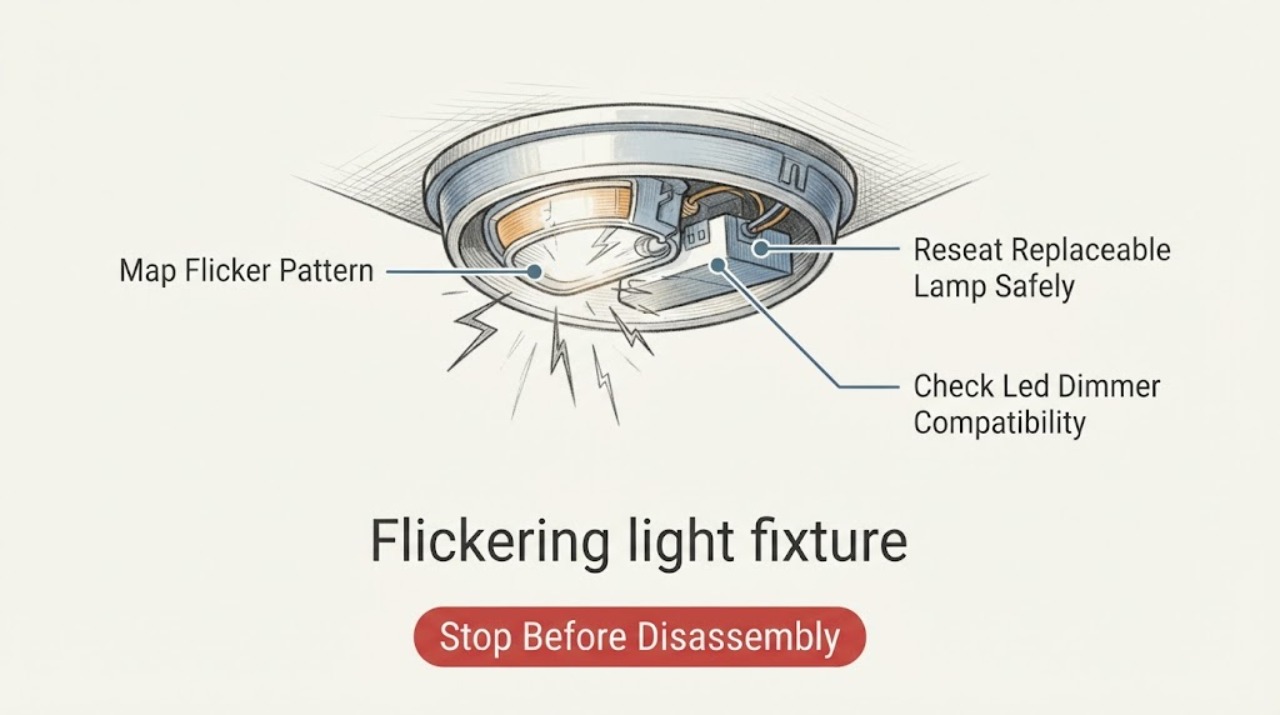
Flickering light fixture: Safe checks and when to call an electrician
A flickering light fixture can be a loose or failing lamp, an LED-and-dimmer compatibility issue, or an electrical connection or circuit problem. First note whether only one fixture flickers, whether it happens only while dimming or when another load starts, and whether the fixture still flickers with a correctly rated, compatible lamp.
-
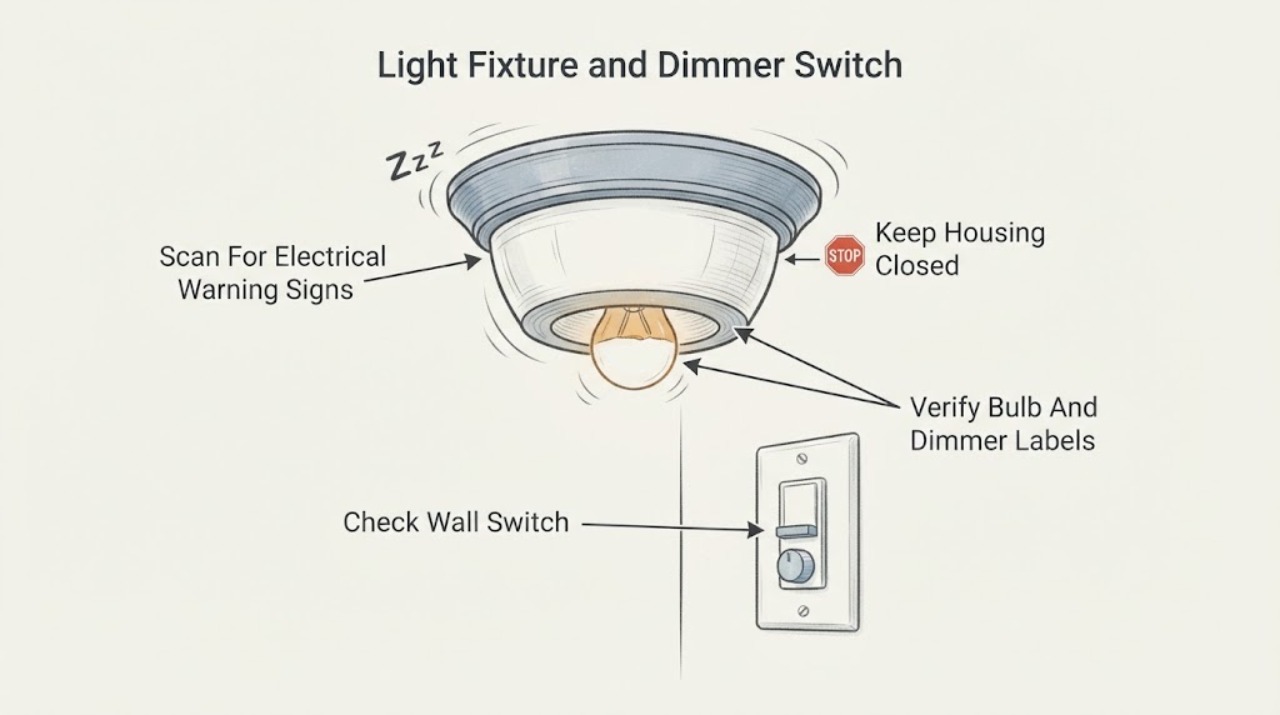
Hampton Bay Light Fixture and Dimmer Switch Buzzing: What to Check Next
A buzzing Hampton Bay light fixture on a dimmer can be caused by an incompatible LED bulb and dimmer, a lamp or LED driver that vibrates under dimmed power, a loose fixture part, or an electrical fault at the switch or wiring. First stop if the switch plate or fixture is hot, discolored, sparking, crackling, smells burned, or makes the breaker trip; from a safe position turn the light off and arrange qualified electrical service.
-
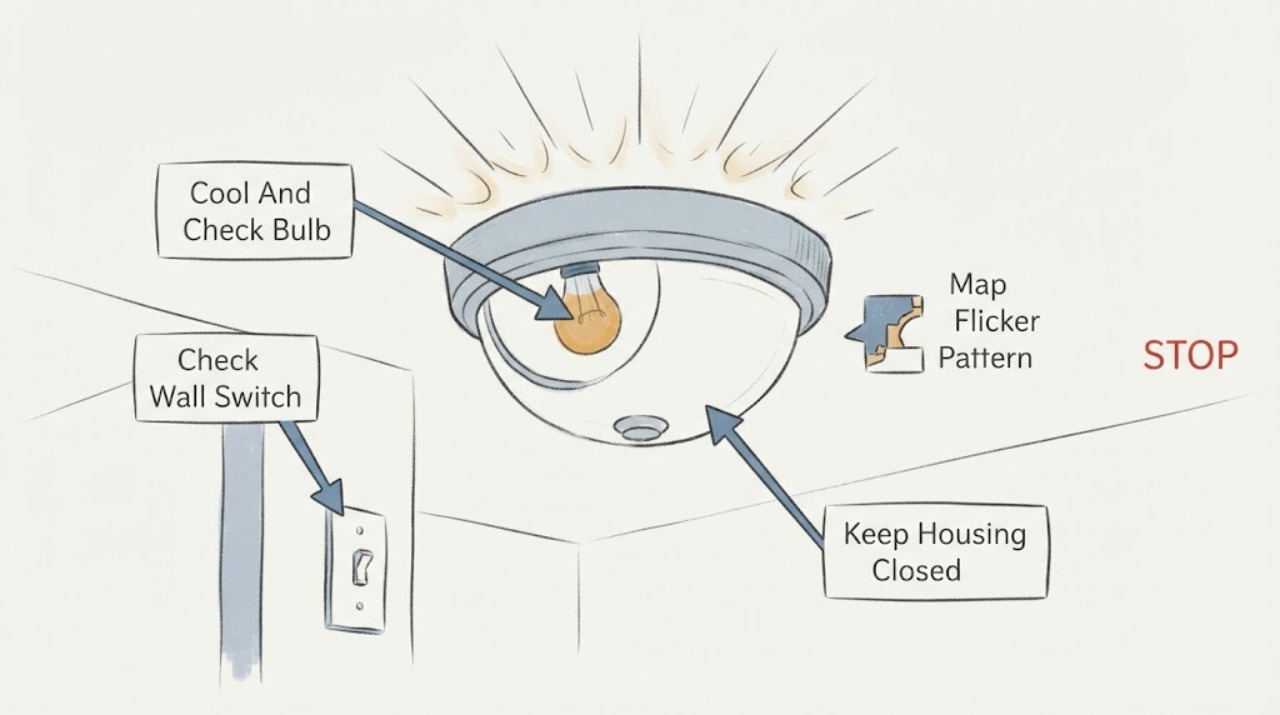
Hampton Bay light fixture flickering: What to Check and What to Do Next
A Hampton Bay light fixture that flickers may have a loose or failing bulb, a switch or dimmer compatibility problem, a loose fixture connection, or a broader wiring issue. Turn the light off, let the bulb and fixture cool, and only reseat or replace a bulb if the socket and bulb can be reached without opening the fixture.
-
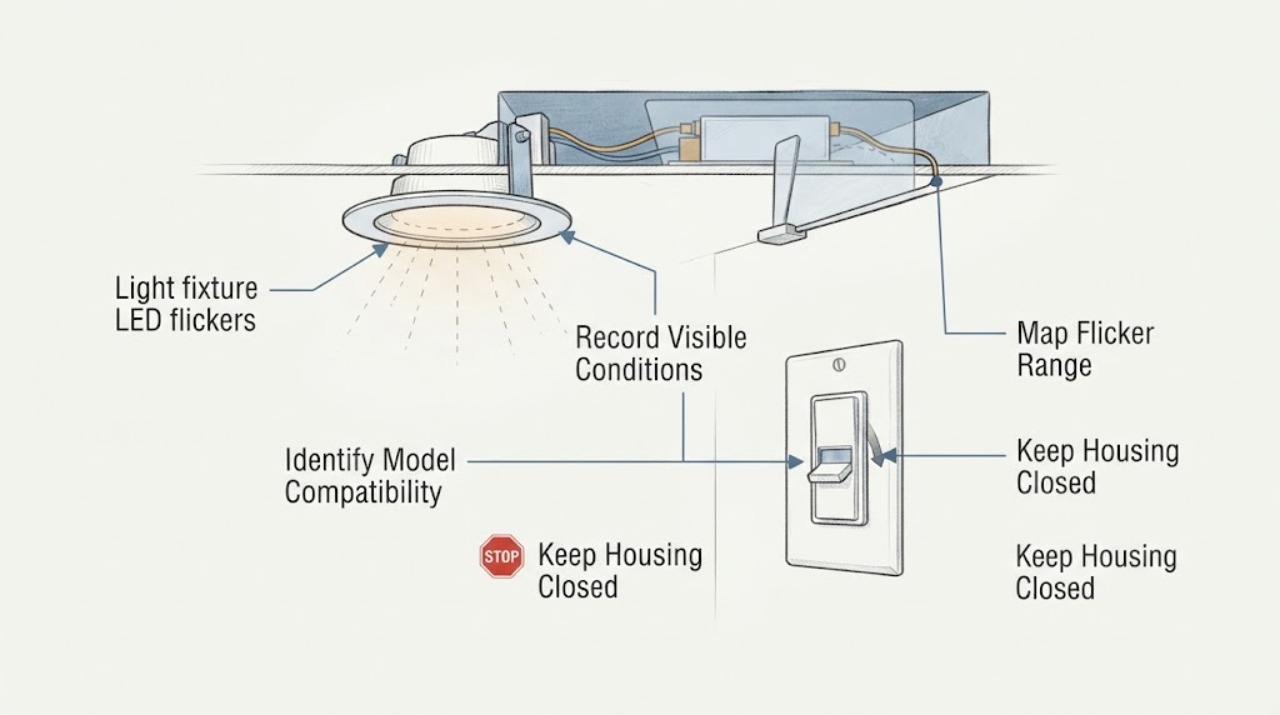
Hampton bay light fixture LED flickers with dimmer: What to Check and What to Do Next
A Hampton Bay LED fixture that flickers on a dimmer is most often a compatibility, dimmer-setting, wiring, or LED-driver issue, but the exact fixture and dimmer model determine the answer. First stop using the dimmer if there is heat, buzzing, arcing, a burning smell, or a tripping breaker.
-
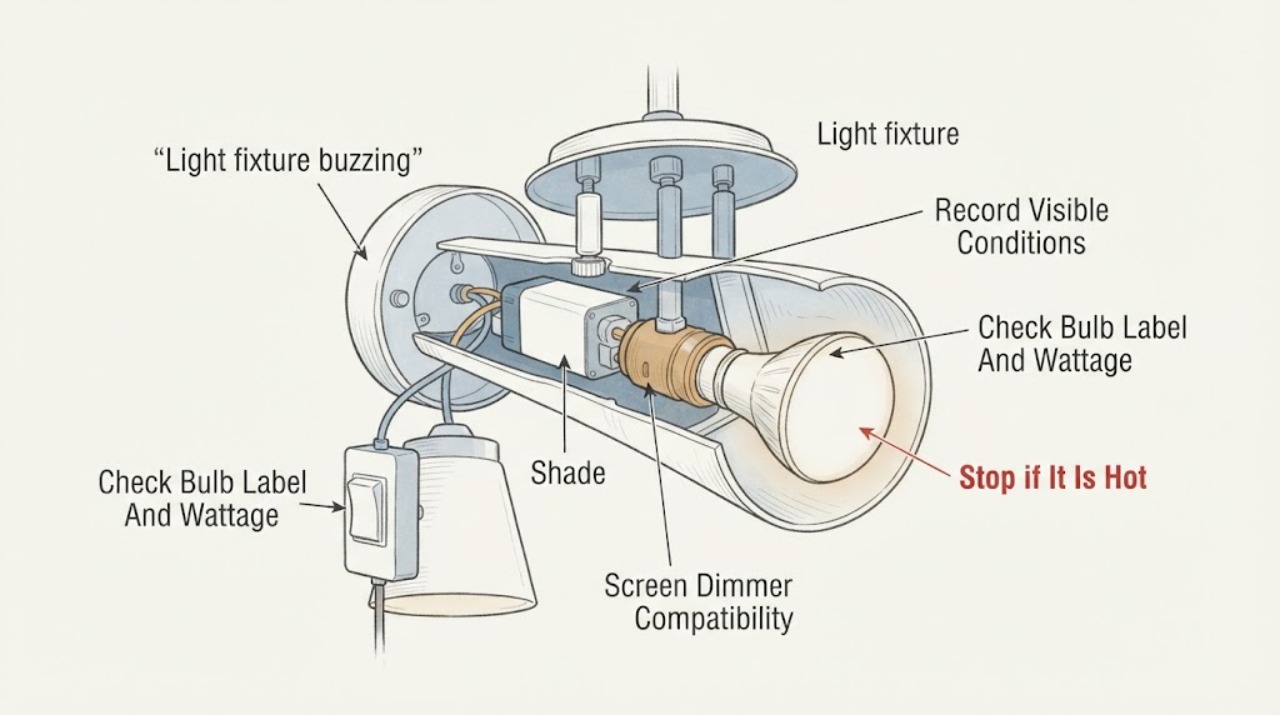
Kichler light fixture buzzing: What to Check and What to Do Next
A buzzing Kichler light fixture may be reacting to an incompatible bulb and dimmer, a vibrating shade or mounting piece, a failing lamp or LED driver, or an electrical connection or switch problem. First determine whether the sound is from the lamp, fixture, dimmer, or nearby wiring and whether it changes with brightness.
-
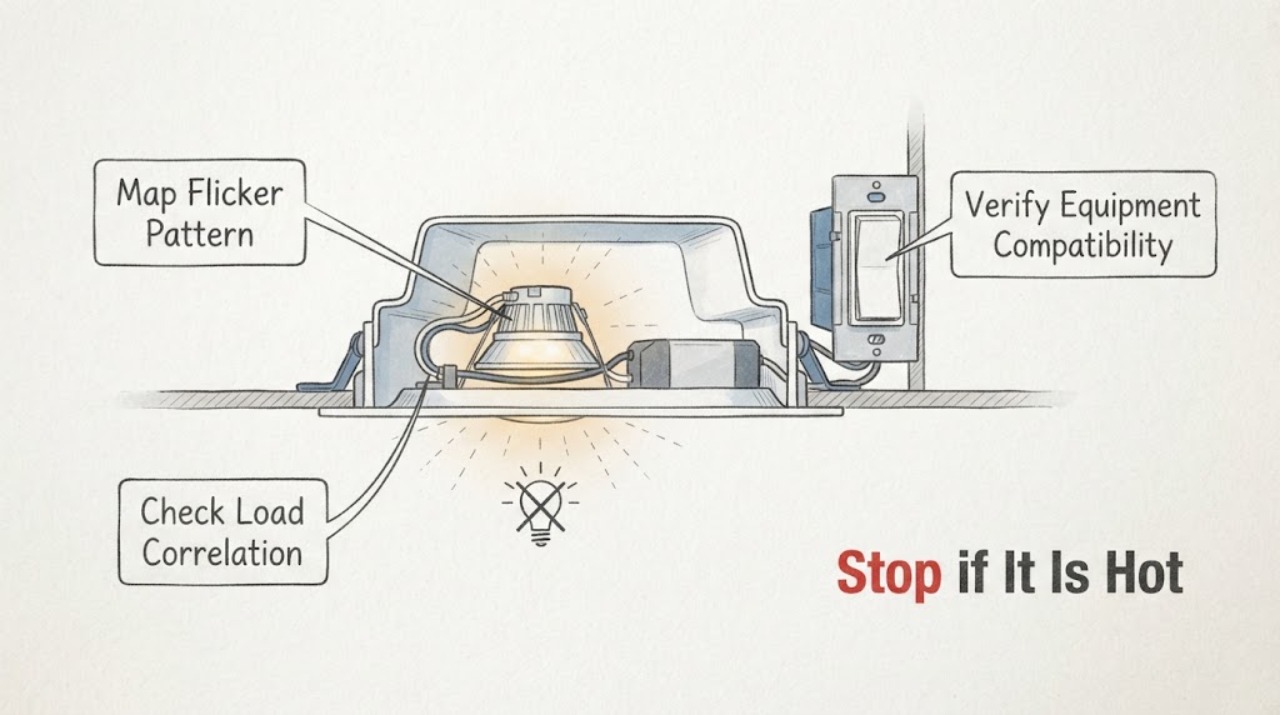
Kichler light fixture flickering: What to Check and What to Do Next
First determine whether the Kichler light flickers only at certain dimmer positions, only when another load starts, or at every setting. From a safe position, record the pattern, confirm that the lamp and dimmer are intended to work together, and check the exact fixture instructions; Kichler and ENERGY STAR both caution that LED fixtures and dimmers are not universally compatible.
-
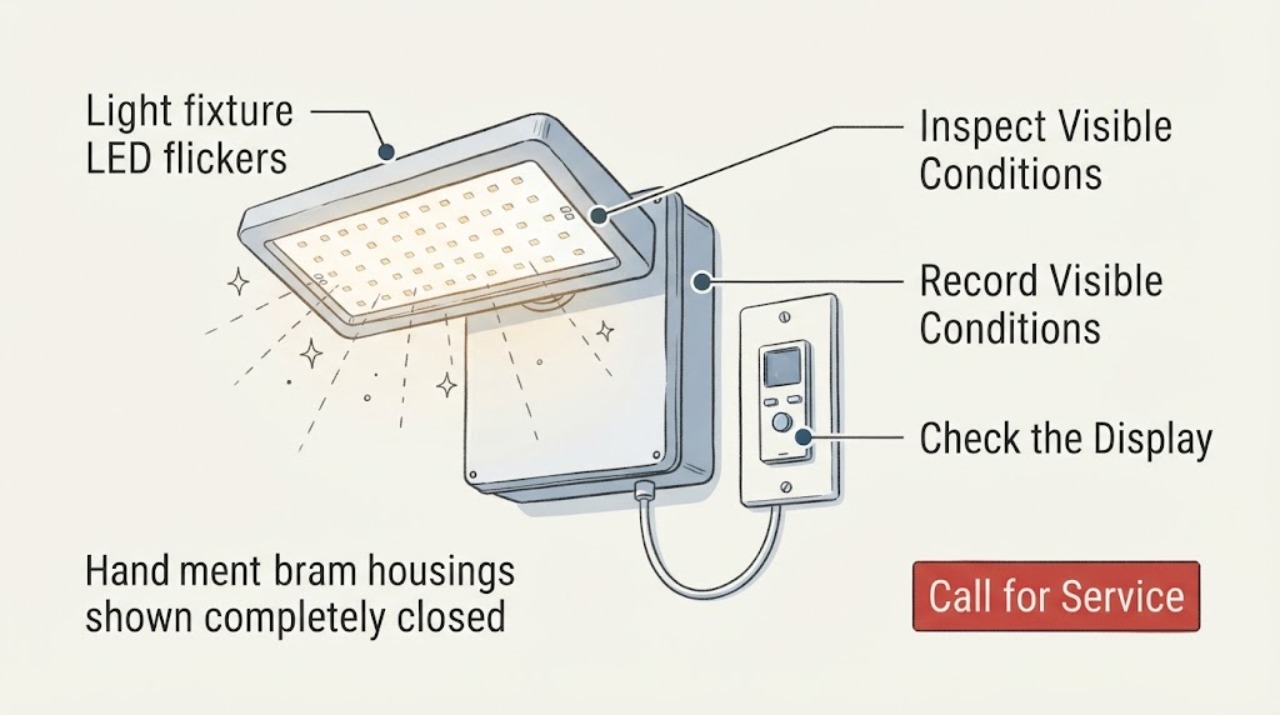
Kichler light fixture LED flickers with dimmer: What to Check and What to Do Next
A Kichler LED fixture that flickers only when controlled by a dimmer most often has a dimmer, phase, LED driver, or load-compatibility mismatch, especially at the low end of the dimming range. First determine whether the fixture is marked dimmable and record the Kichler fixture or LED-module information and dimmer model.
-
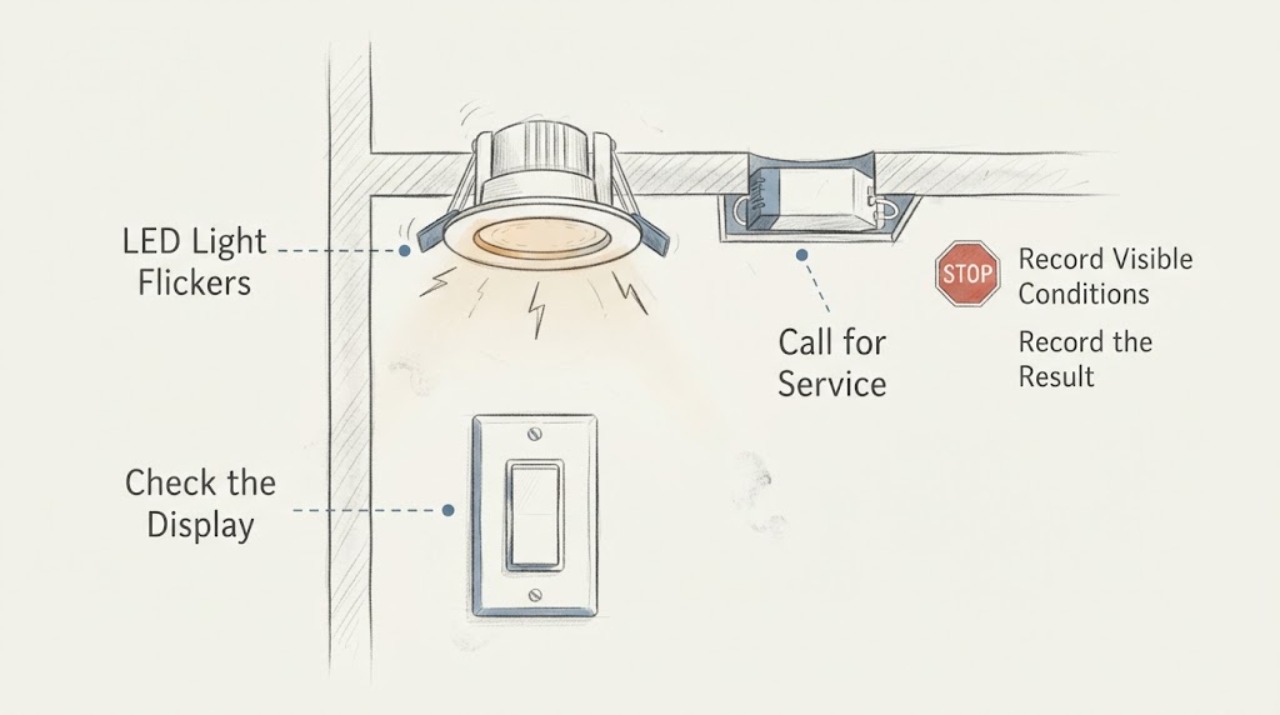
LED Light Flickers With a Dimmer: Check for a Non-Dimmable Lamp
If an LED light flickers when you move a dimmer, first check the lamp or fixture label for a clear dimmable marking. A non-dimmable LED is not intended to be controlled by a dimmer and can flicker or buzz; even a dimmable LED can flicker when its driver and dimmer are not a tested match, when the load is outside the control's range, or when the flicker appears only at the bottom of the dimming range.
-
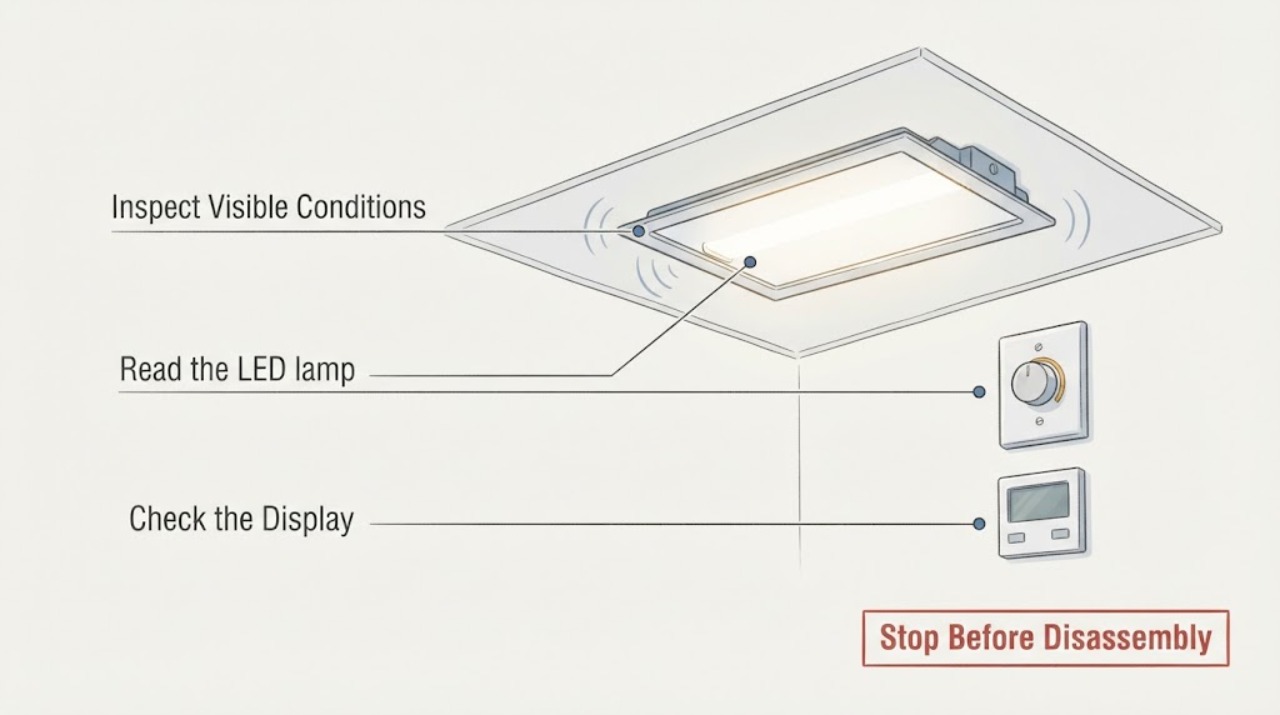
Light fixture buzzing remains on: What to Check and What to Do Next
A buzzing LED fixture that remains faintly on after the control is switched off often reflects interaction between the LED load, the dimmer, and a locator or multi-location switch; buzzing while the light is on can instead indicate an incompatible LED and dimmer combination or a device or fixture fault. Note whether the sound changes with brightness, whether the light glows only when off, and whether the sound comes from the lamp, the dimmer, or the wall box.
-
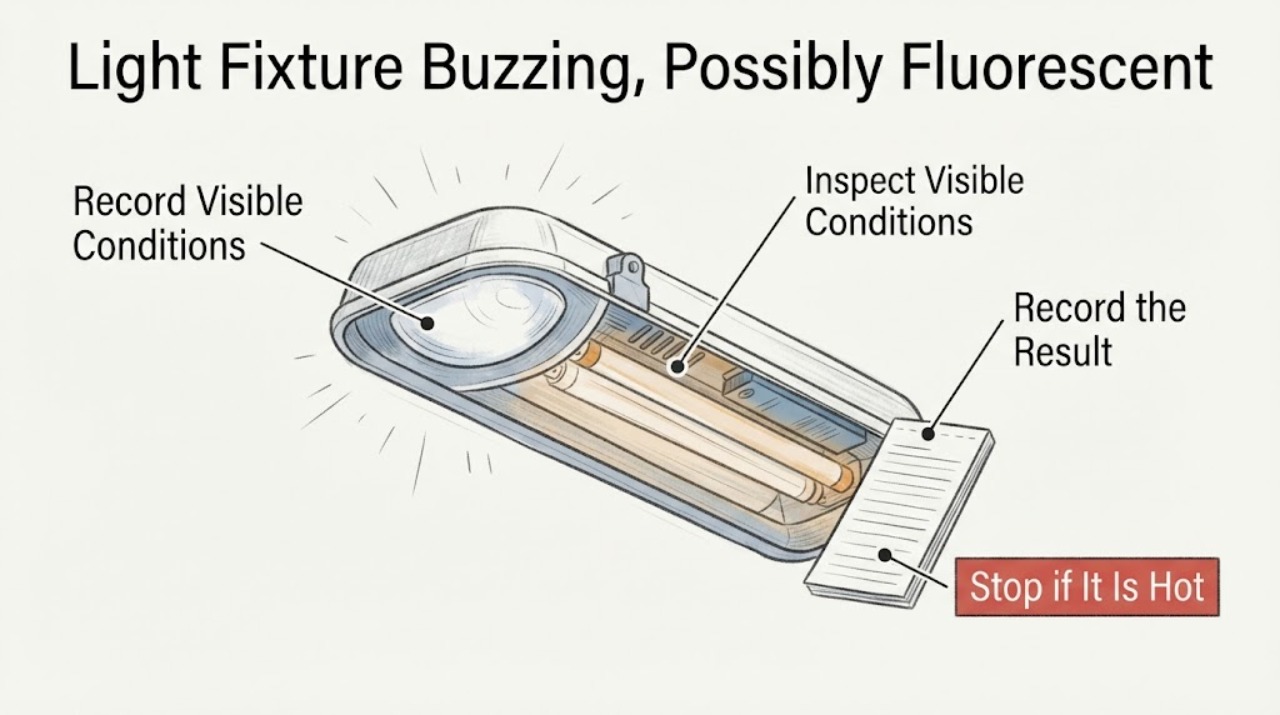
Light Fixture Buzzing, Possibly Fluorescent or LED: What to Check and What to Do Next
First identify whether the sound comes from a fluorescent tube fixture, an LED lamp or integrated LED fixture, a dimmer, or the switch or wiring—not just from the bulb. A mild steady hum can be amplified by a fluorescent ballast and the fixture or ceiling, while an LED can buzz when its electronic driver and dimmer are incompatible.
-
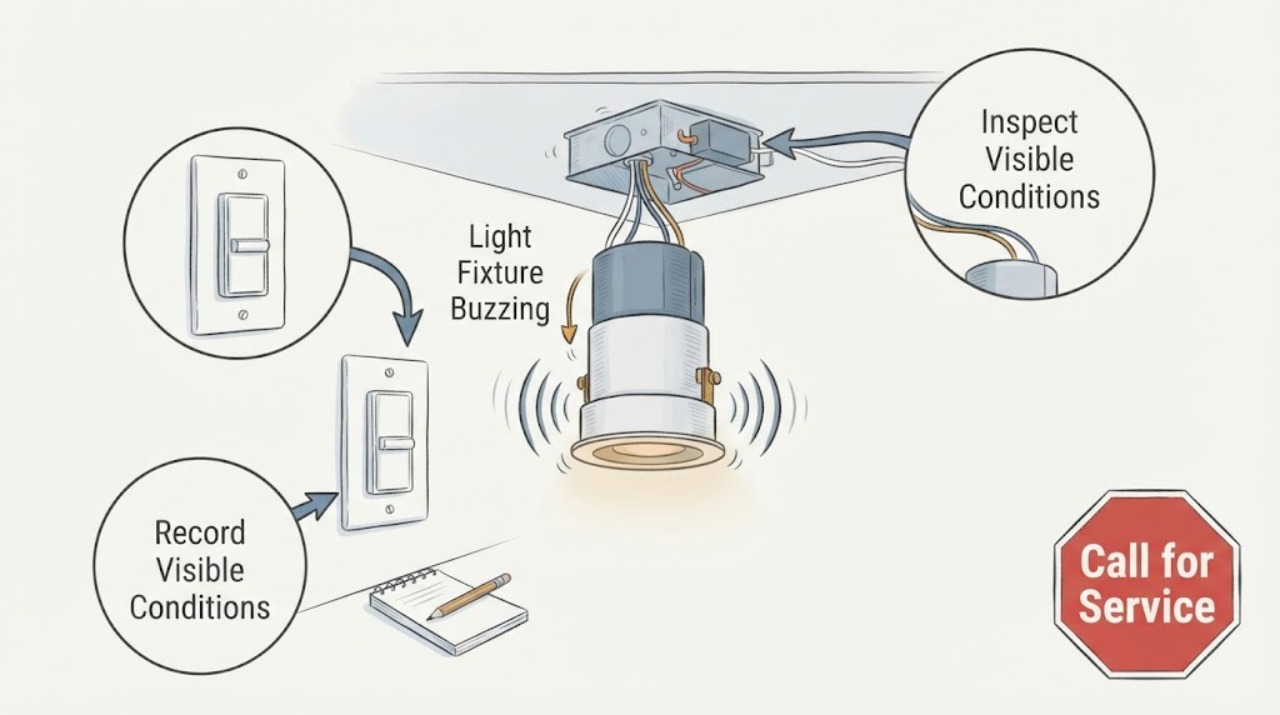
Light Fixture Buzzing: What It Means When the Buzz Changes With the Dimmer
A light fixture buzz that changes as you move the dimmer is often a lamp-and-dimmer compatibility problem, especially with LED drivers, but it can also involve a vibrating fixture, an unsuitable load, or an electrical connection. First record whether the buzz is only at the low end, present across the range, or loudest at the wall control or fixture, then check the lamp and dimmer model markings and compatibility instructions without opening anything.
-
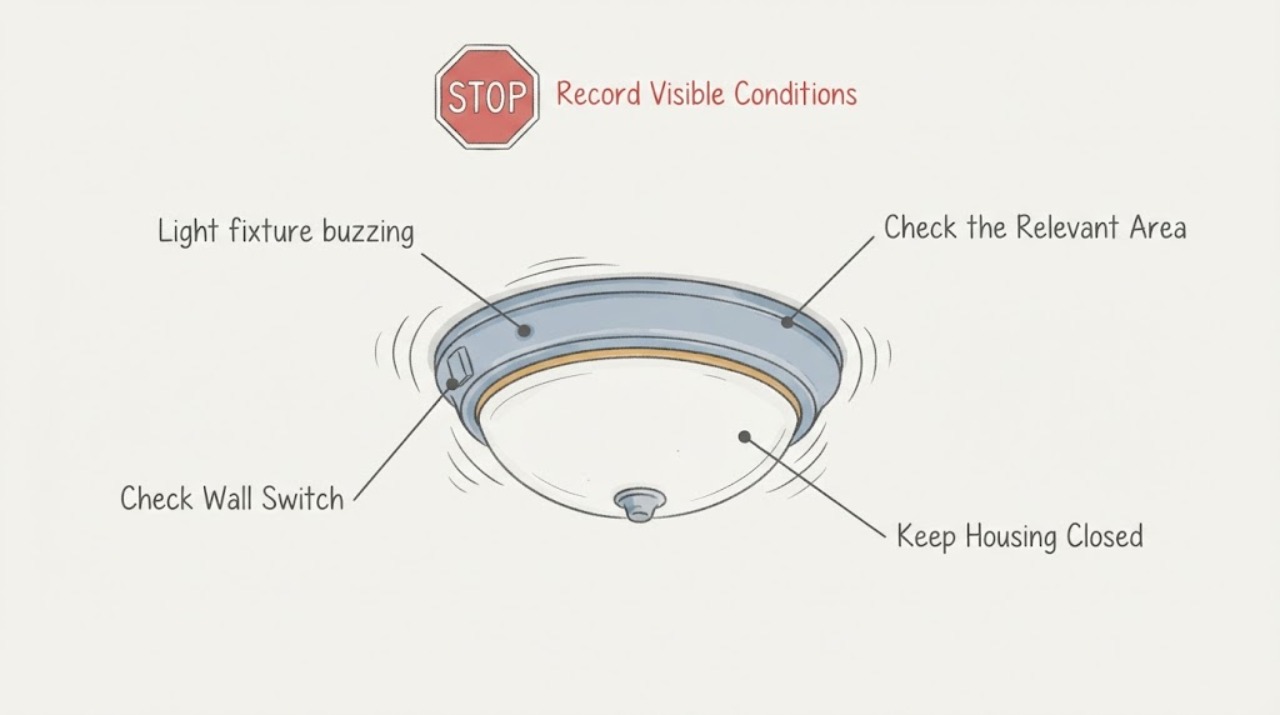
Light fixture buzzing: What to Check and What to Do Next
A faint buzz that changes with dimming can come from bulb-and-dimmer incompatibility, but buzzing from the fixture or switch can also signal a loose, overheating, or failing electrical component. Stay at floor level and do not remove the cover, touch wiring, or perform a live test.
-
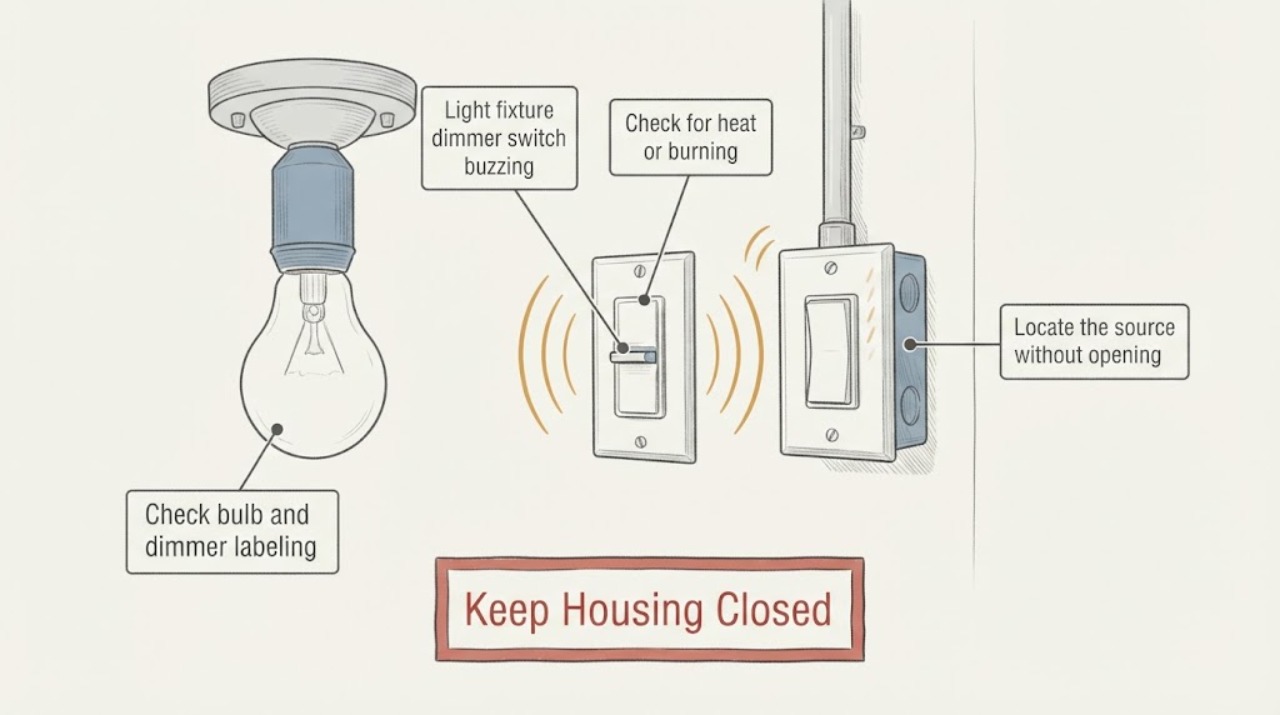
Light fixture dimmer switch buzzing: What to Check and What to Do Next
A faint buzz that changes with dimming can come from LED–dimmer incompatibility or lamp/driver noise, but a buzz from the switch box or fixture is an electrical warning. Turn the light off and observe whether the sound follows the dimmer range, one bulb, or the switch itself.
-
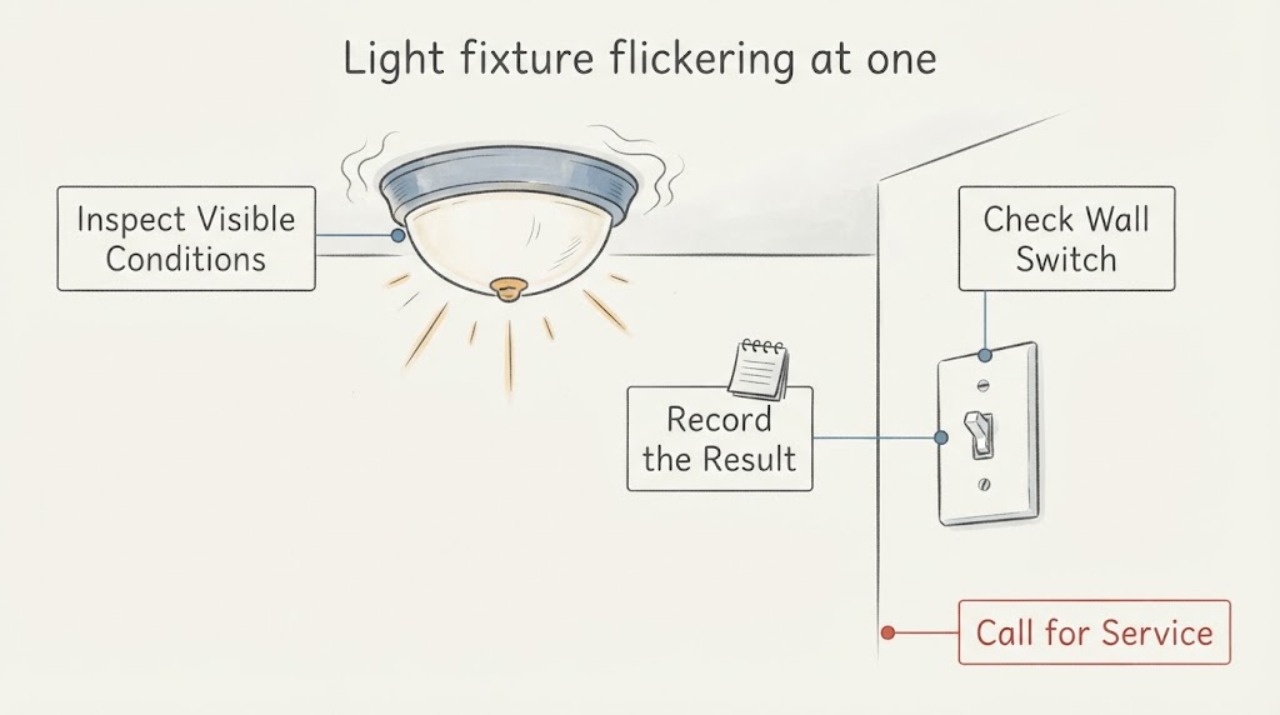
Light fixture flickering at one switch: What to Check and What to Do Next
A light fixture that flickers when controlled by one switch may have a lamp or LED driver issue, a switch or dimmer compatibility problem, a loose local connection, or a branch-circuit or service-supply fault. First observe whether only one fixture flickers, whether the pattern changes with the switch or dimmer, and whether the lamp is an LED, fluorescent, incandescent, or integrated fixture.
-
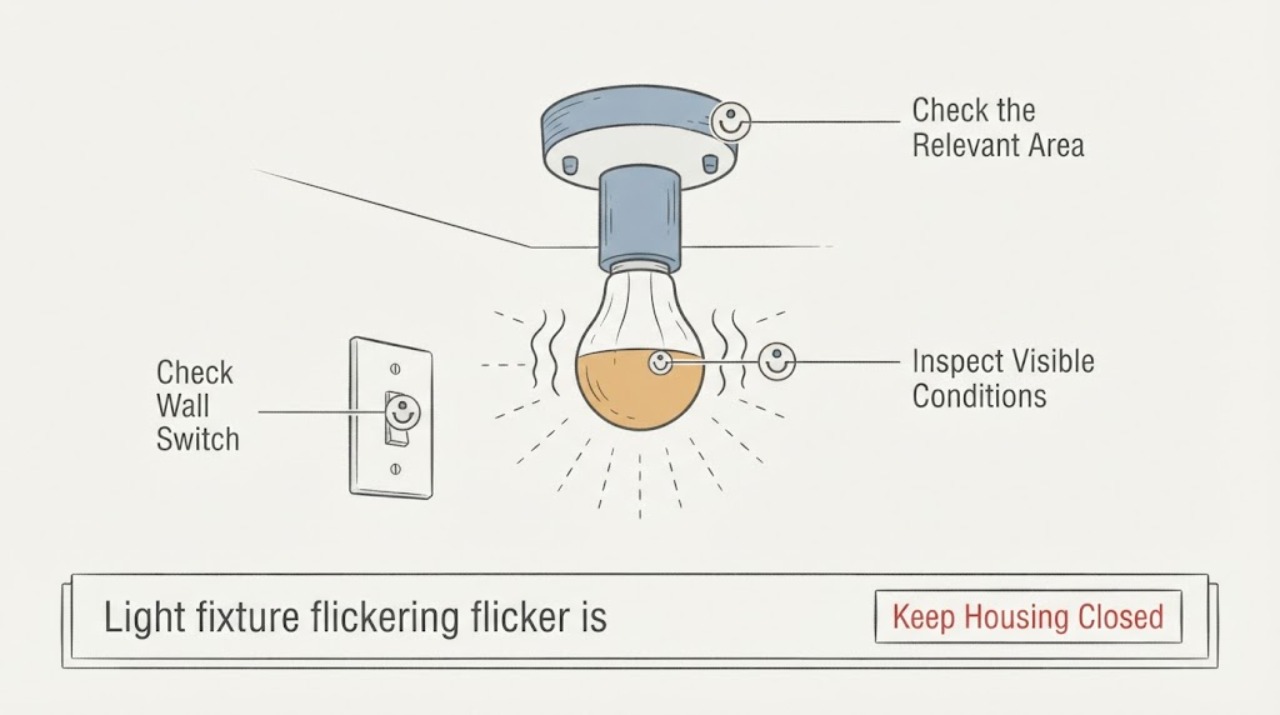
Light fixture flickering flicker is constant or load related: What to Check and What to Do Next
Separate a flicker that stays with one light from a flicker that follows a load or affects several lights. If one fixture flickers continuously, even at full brightness, a bulb, socket, LED driver, or local connection is more likely; if several lights flicker or the event starts when an appliance or motor runs, treat a branch-circuit, service connection, or voltage problem as possible.
-
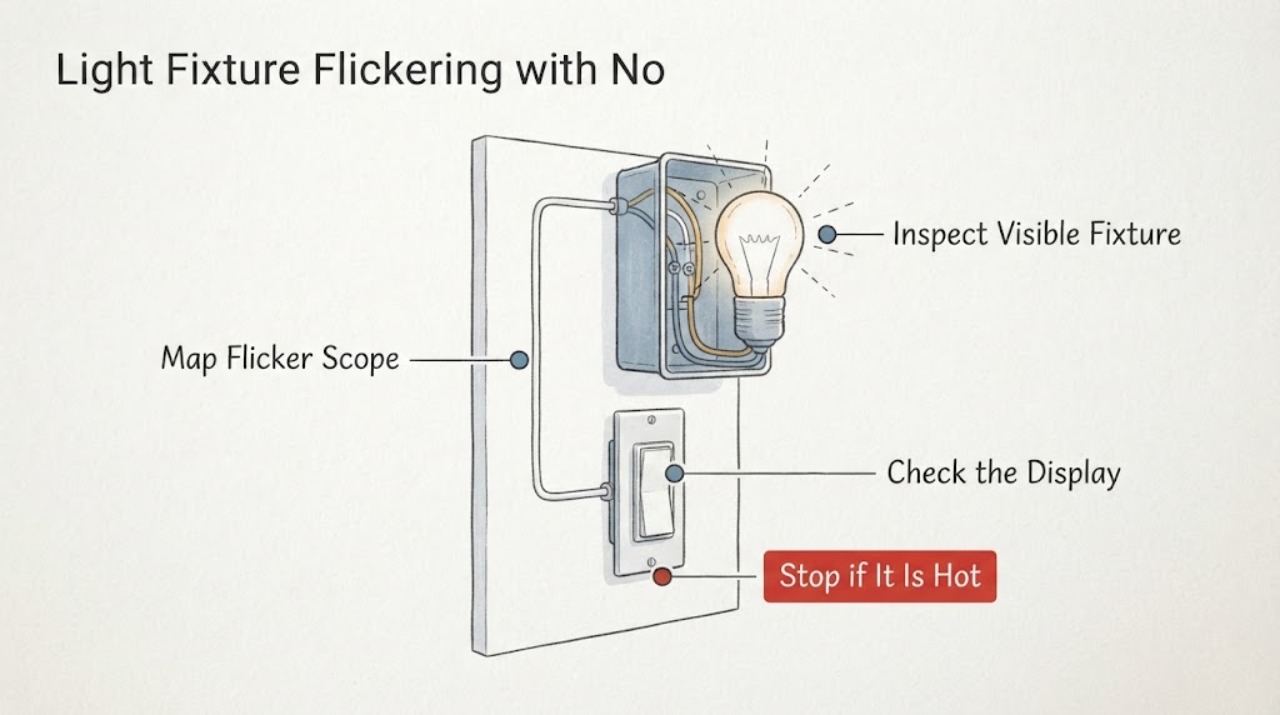
Light Fixture Flickering with No Burning Smell: What to Check and What to Do Next
No burning smell does not make a flickering light fixture safe to ignore. First determine whether the flicker is limited to one lamp or affects other lights, and note whether it changes when a switch, dimmer, appliance, or breaker operates.
-
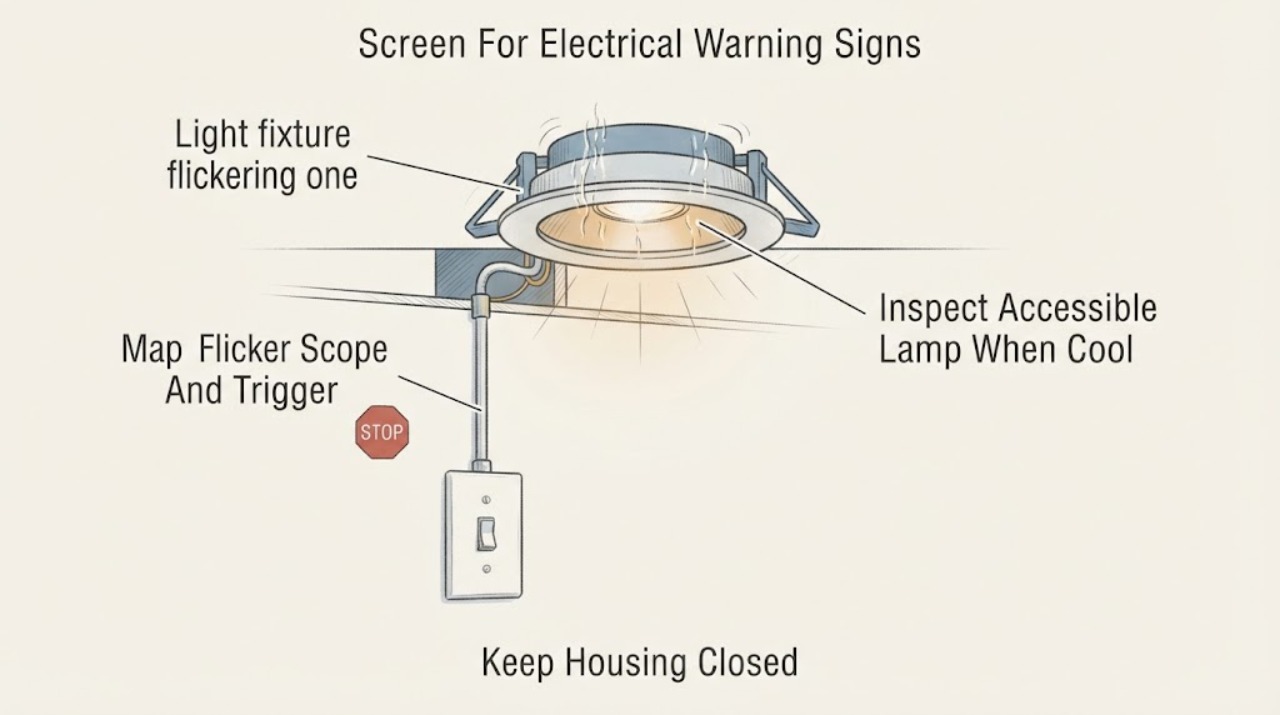
Light fixture flickering one or room is affected: What to Check and What to Do Next
When flicker is limited to one light fixture or one room, start by separating a lamp, LED-driver, dimmer, switch, or fixture problem from a branch-circuit connection problem. Note whether the flicker follows one bulb, changes with a dimmer position, happens only when another load starts, or affects other lights and receptacles in the same room.
-
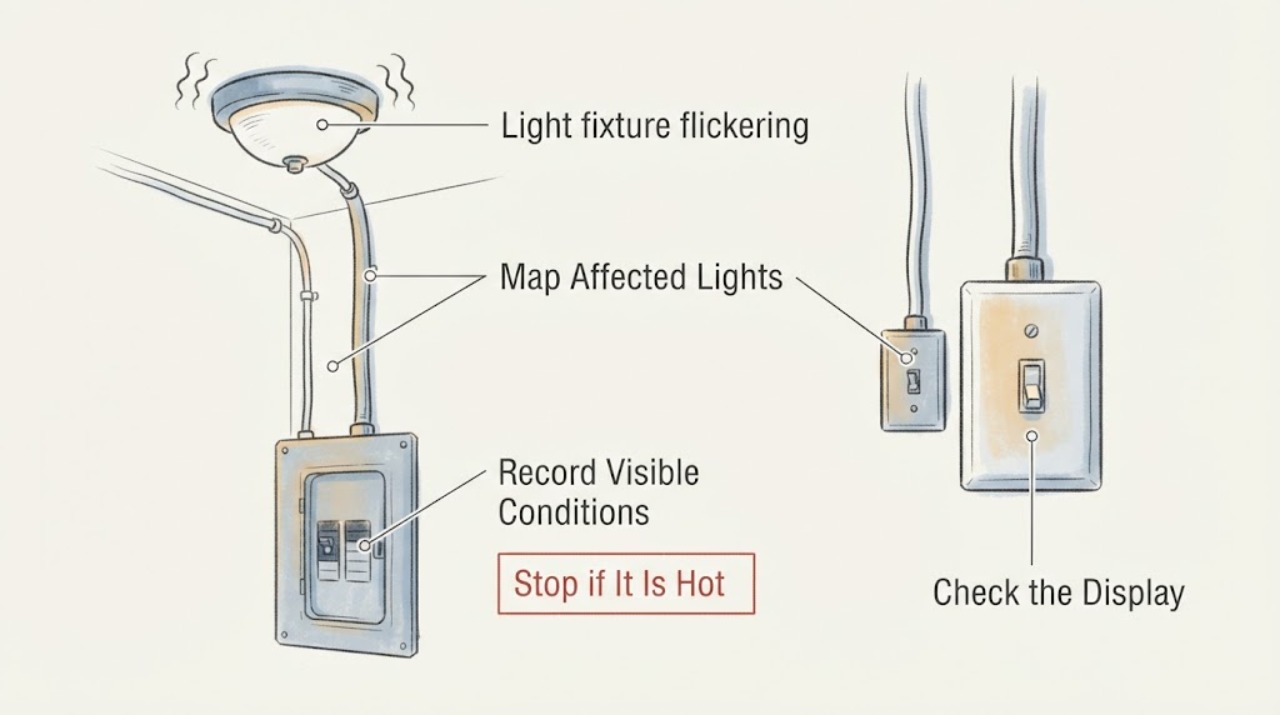
Light fixture flickering: How to Tell a Local Lamp Issue from a Circuit Problem
A flickering light fixture can be a local lamp or LED-driver issue, but it can also signal a switch, dimmer, loose connection, branch-circuit, breaker, or service-supply problem. From a safe distance, first determine whether one fixture or several are affected and whether flicker follows a dimmer, switch, appliance load, weather, or recent electrical work.
-
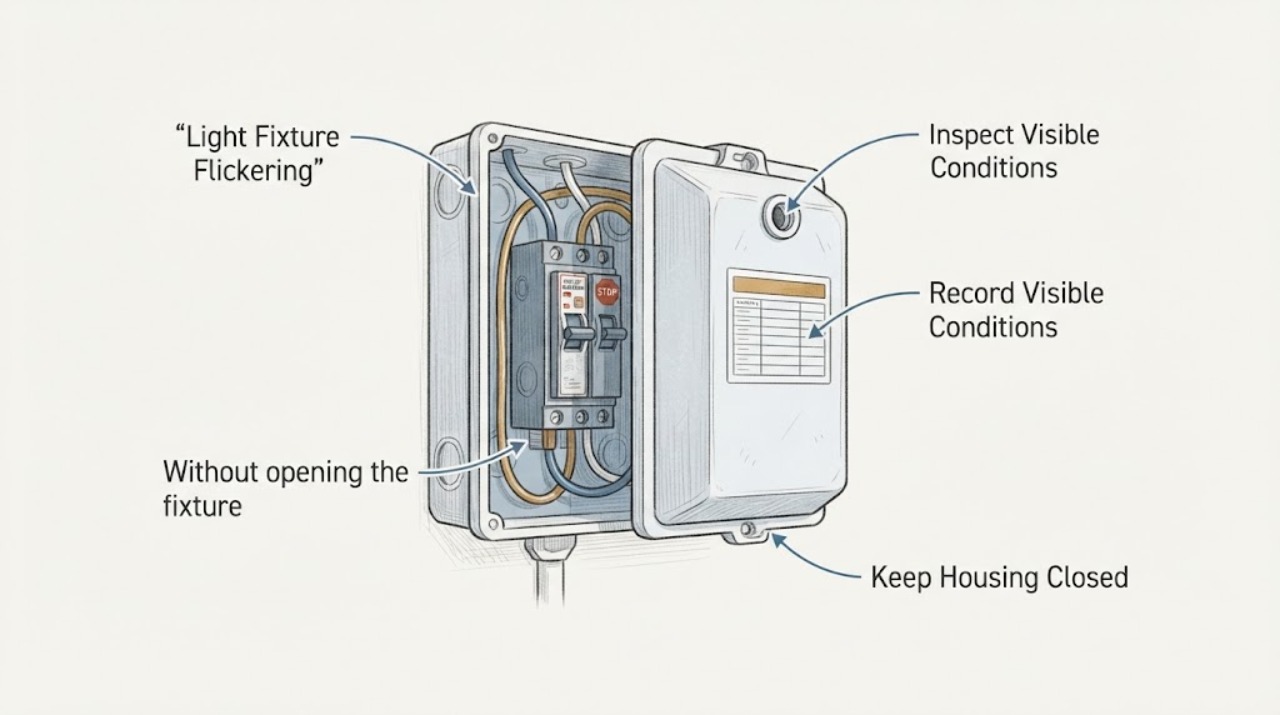
Light Fixture Flickering: Safe Checks for the Breaker and Wiring
A flickering light fixture can be caused by the bulb or lamp holder, a switch, a loose connection, a circuit overload, a breaker problem, or a supply issue. Do only non-contact observations: note whether one fixture or several lights flicker, whether a large load triggers it, and whether the plate or fixture shows heat, discoloration, noise, odor, moisture, or sparks.
-
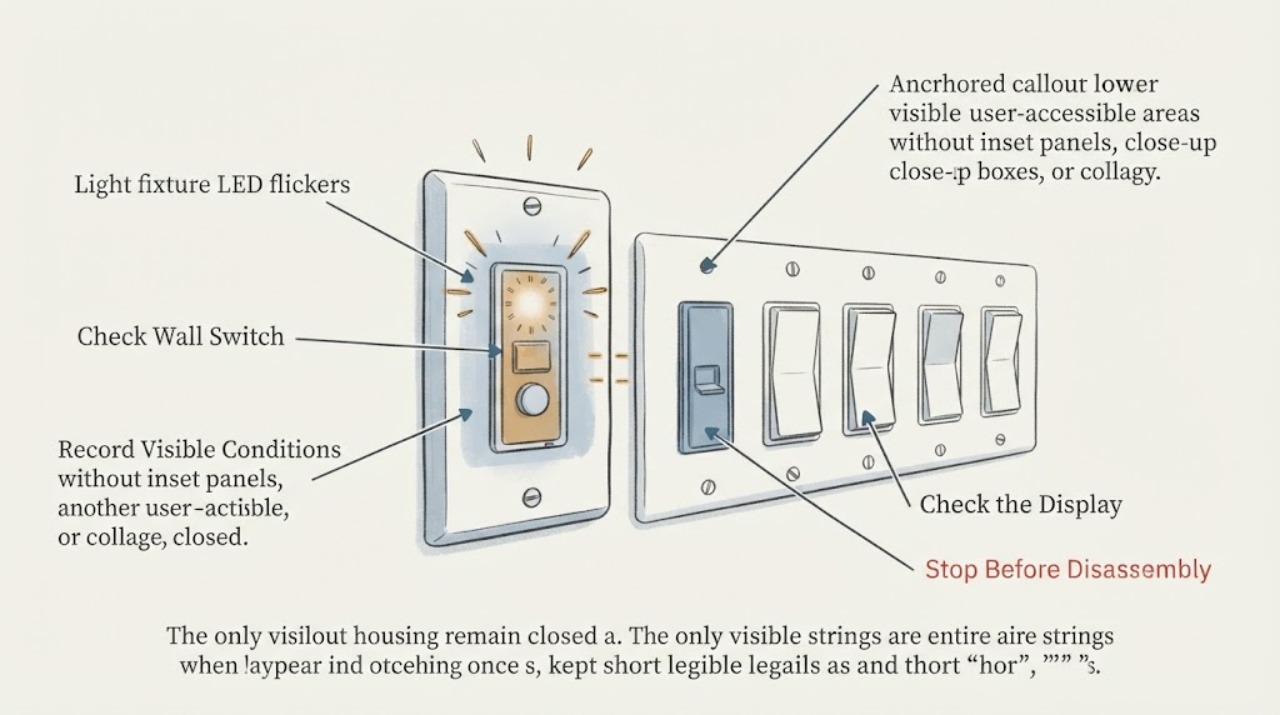
Light fixture LED flickers with dimmer other switch may work: What to Check and What to Do Next
When an LED fixture flickers on a dimmer but appears normal from another switch, first determine whether the flicker happens only at the low or high end, throughout the range, during startup, or while the light is off. The usual next checks are whether the LED is marked dimmable, whether the dimmer and LED are a tested combination, and whether a multi-location circuit has the correct companion or mechanical control at the other location.
-
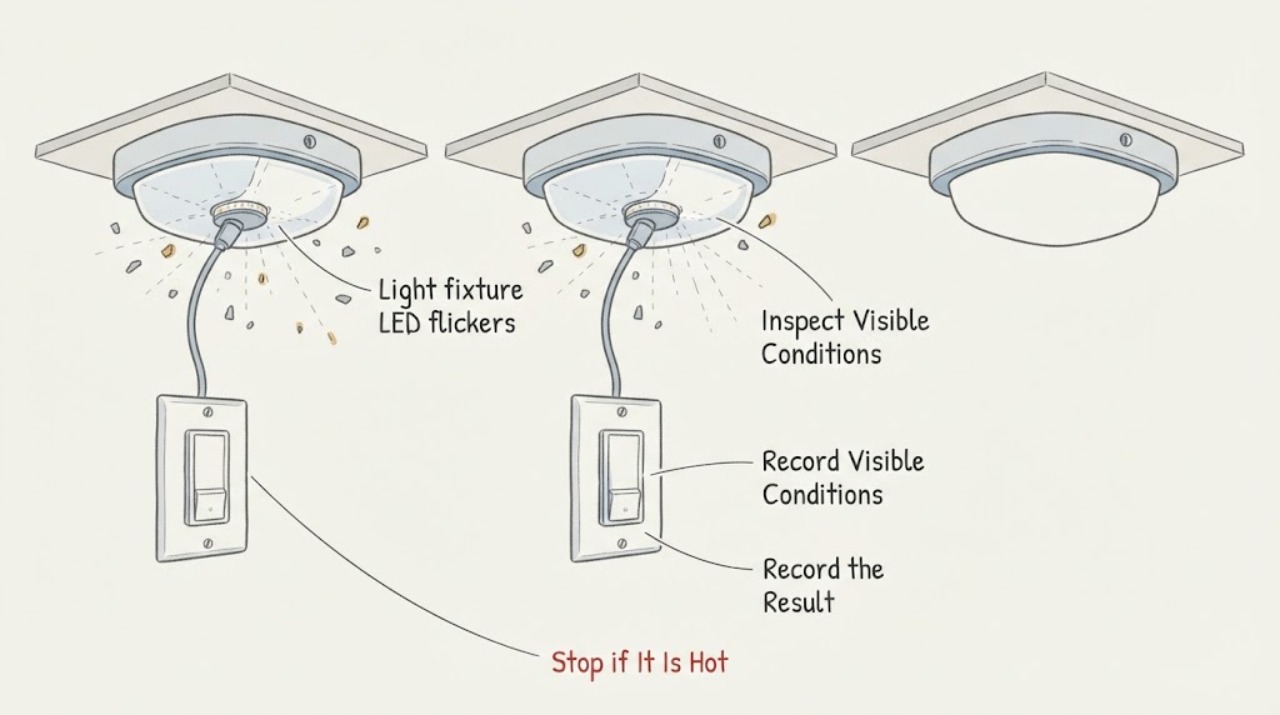
Light fixture LED flickers with dimmer: What to Check and What to Do Next
LED flicker that appears only with a dimmer is often a bulb, fixture-driver, dimmer, or load-compatibility issue, but flicker with heat, buzzing, arcing, burning odor, discoloration, or a tripping breaker needs an electrician. From the normal control position, observe where in the dimming range the flicker starts, read the bulb or fixture label without opening anything, compare another fixture, and record timing and heat or odor.
-
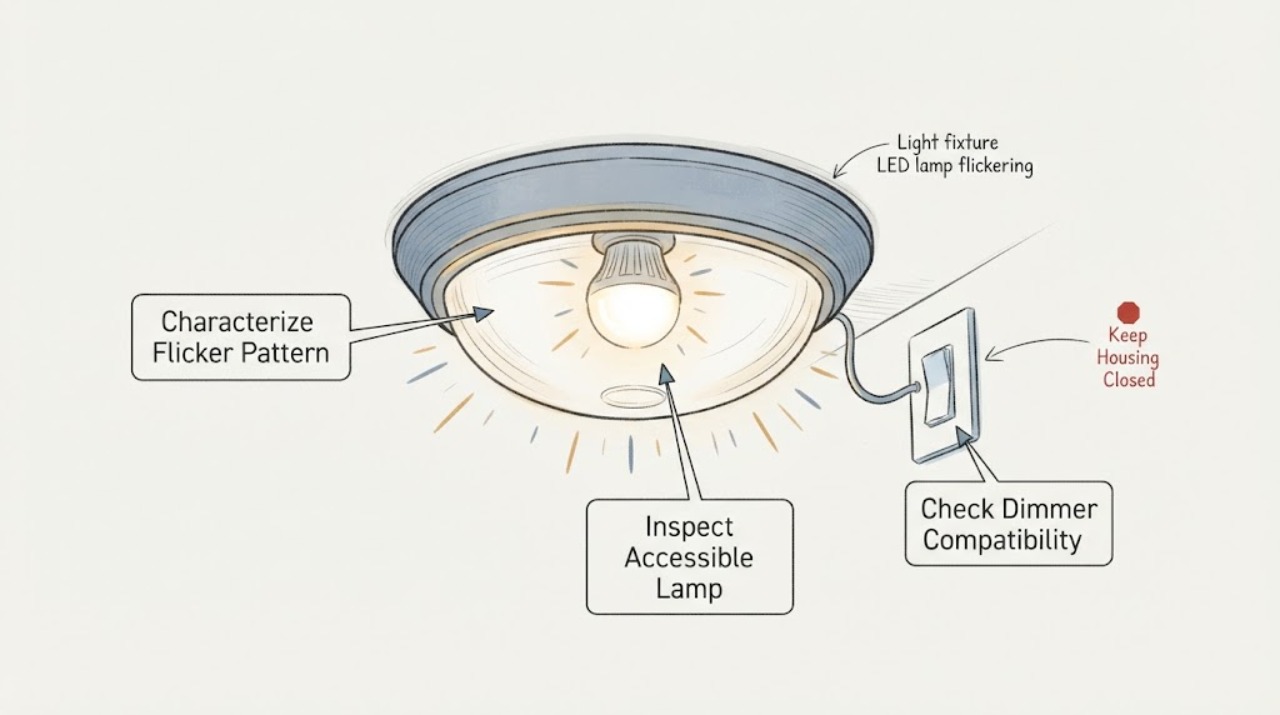
Light fixture LED lamp flickering: What to Check and What to Do Next
An LED lamp that flickers may have a dimmer-compatibility problem, a failing lamp or driver, a poor connection, or a wider circuit issue. First note whether the flicker occurs only while dimming, follows one lamp, or affects several lights.
-
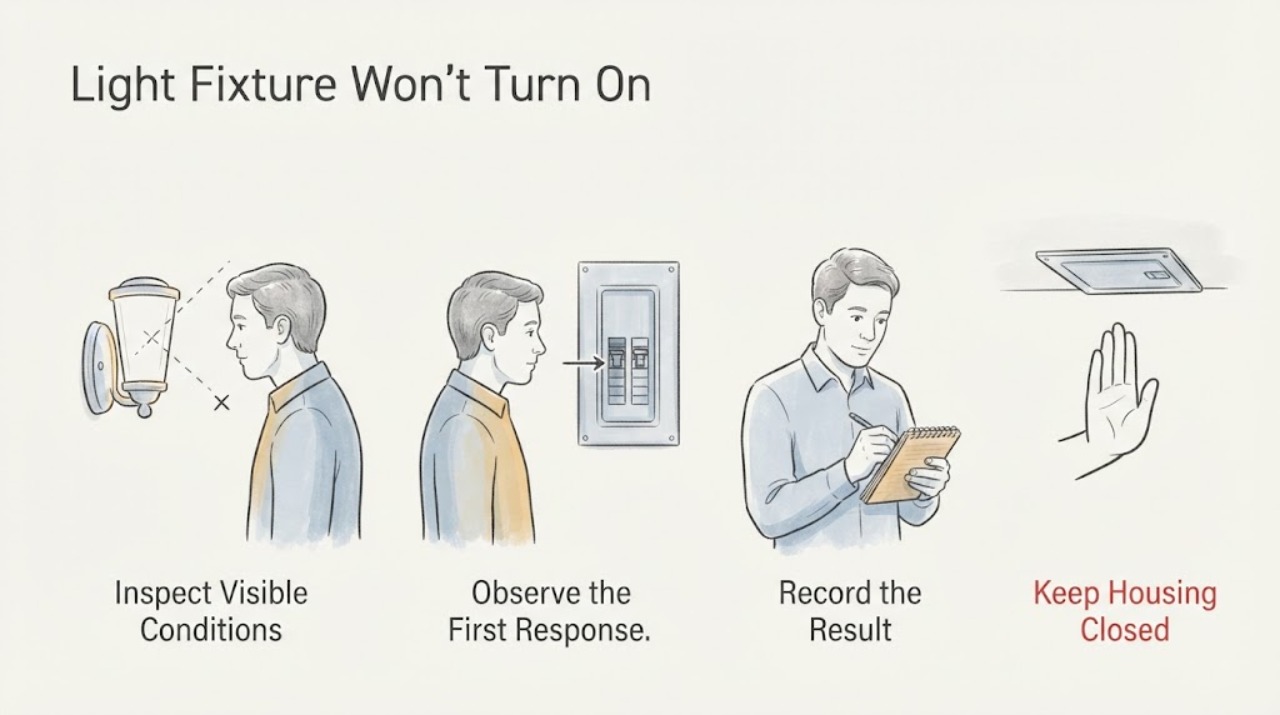
Light Fixture Won't Turn On: Check the Circuit Breaker Safely
When a light fixture will not turn on and the circuit breaker is involved, first look for a tripped or intermediate breaker position and note whether other lights or outlets are also out. Do not keep resetting the breaker, open the panel, remove the light fixture, touch wiring, or make a live electrical measurement.
-
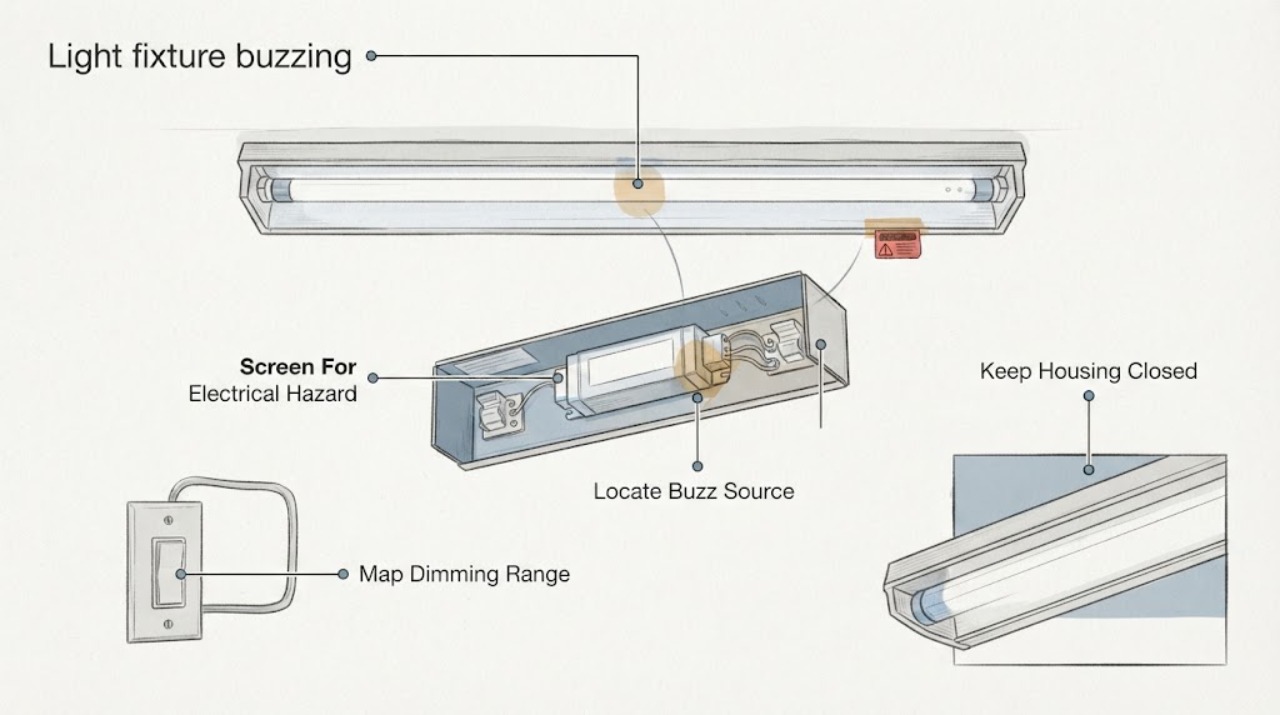
Lutron light fixture buzzing: What to Check and What to Do Next
A Lutron-controlled light fixture can buzz because the lamp, LED driver, dimmer, ballast, load, or their compatibility is wrong; the sound may also come from an unrelated loose fixture or wiring fault. First note whether the noise comes from the lamp or fixture, the Lutron dimmer, or the wall box, and whether it occurs only at the low end, mid-range, full brightness, or with the dimmer off.
-
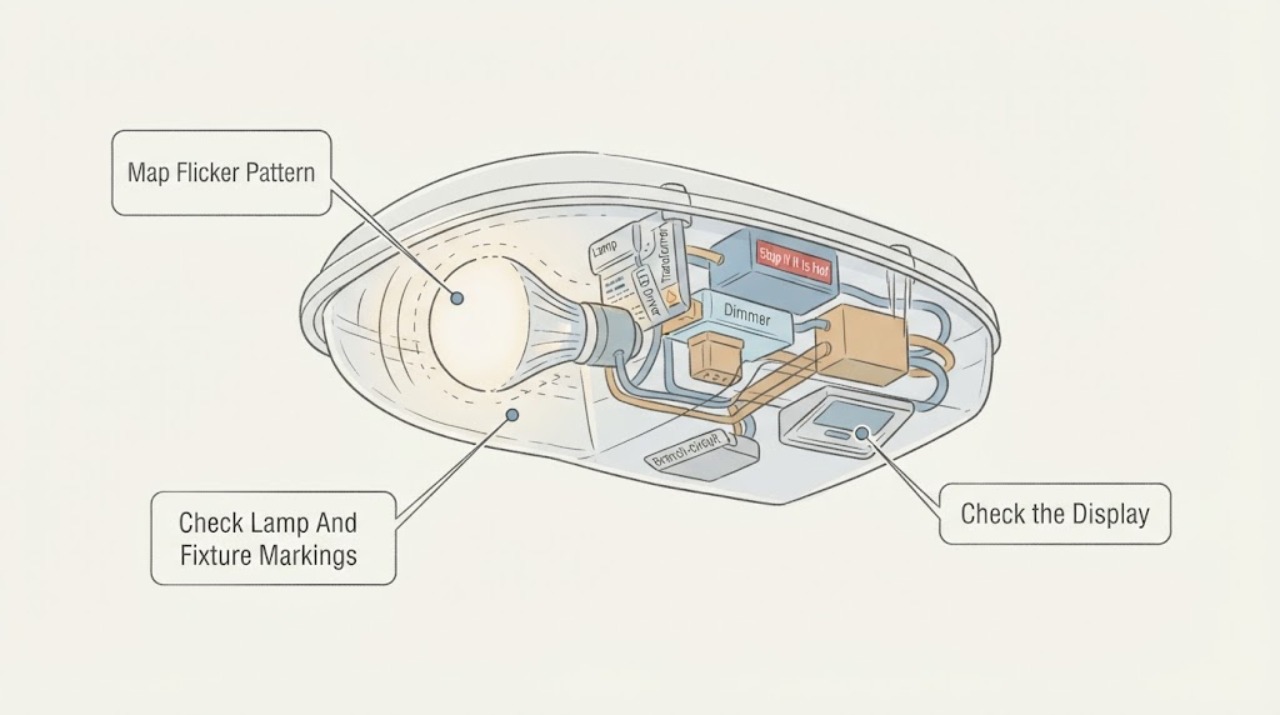
Lutron light fixture flickering: What to Check and What to Do Next
A flickering Lutron-controlled light fixture is often a mismatch between an LED lamp or driver and the dimmer, an LED load outside the control's supported range, a low-end dimming limitation, or a failing lamp, driver, socket, or circuit connection. First determine whether one fixture flickers or several lights do, and whether the effect follows dimmer position or occurs when the control is off.
-
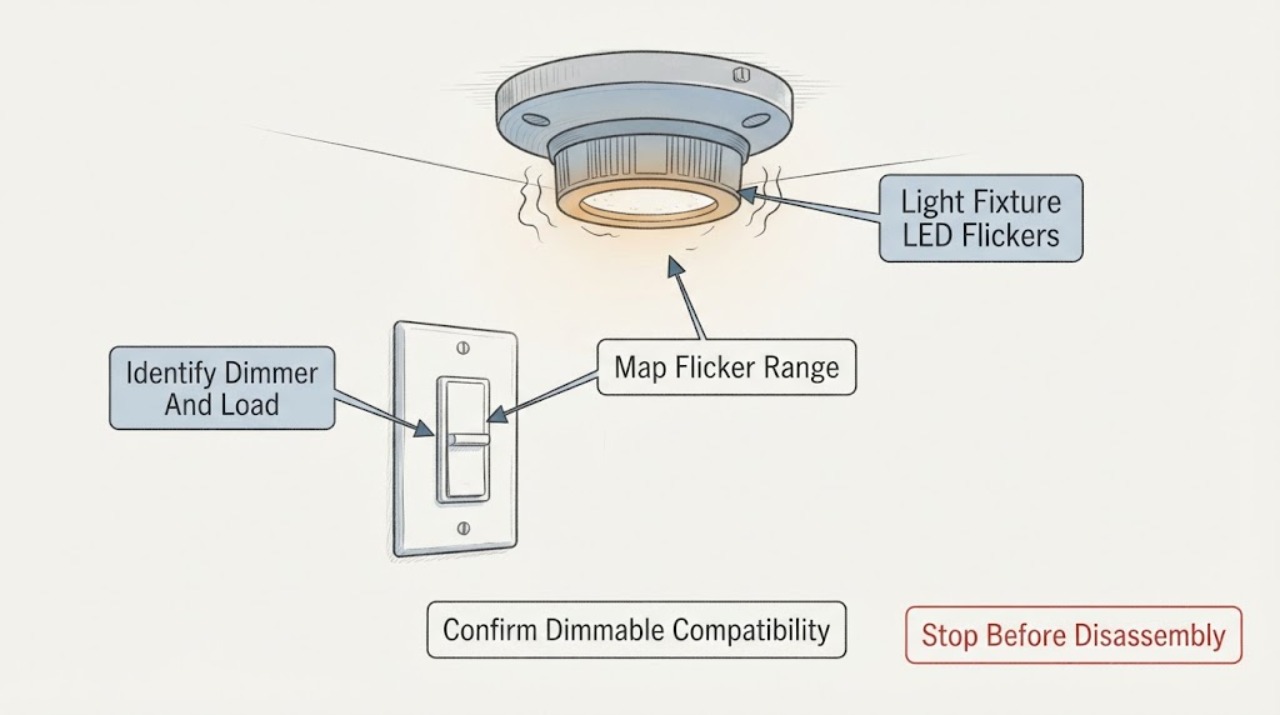
Lutron Light Fixture LED Flickers with Dimmer: What to Check and What to Do Next
A Lutron dimmer and LED fixture can flicker when the LED is not dimmable, the LED and dimmer are not on Lutron's compatibility list, or the light is being driven outside a stable part of its dimming range. First identify the exact Lutron dimmer and LED or fixture model, confirm the LED is dimmable, and note whether flicker occurs only near low or full brightness, only when off, or throughout the range.
-
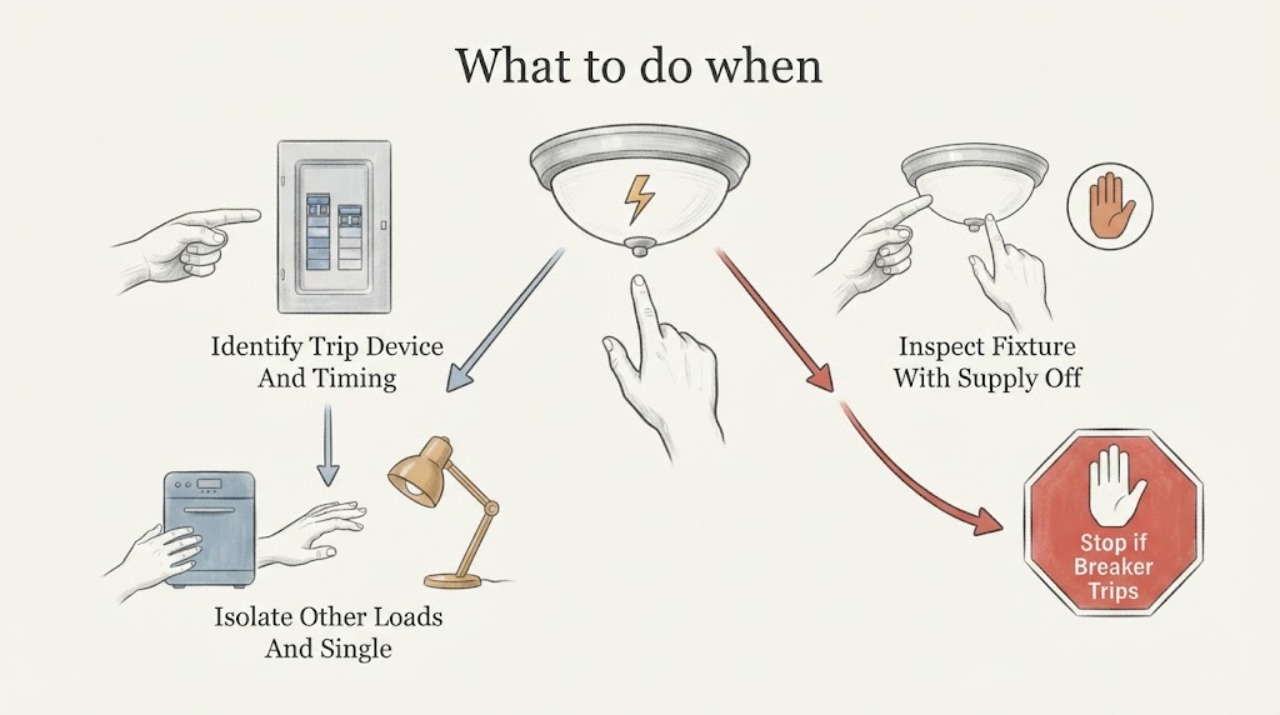
What to do when a light fixture keeps tripping the breaker
Do not keep resetting the breaker. Turn the light off, identify whether the breaker or a GFCI or AFCI device trips and whether it happens immediately, then make only a visual check and a safe lamp check with the supply off. Repeated trips, burning smell, heat, scorch marks, buzzing, moisture, exposed wiring, or a trip that returns with the fixture isolated means leave it off and call a qualified electrician.