
Plumbing guides
Drains Repair Guides
Drain guidance for slow flow, blockages, odors, traps, and safe clearing steps.
Published drains guides
Choose the guide that best matches the equipment and symptom you are seeing.
-
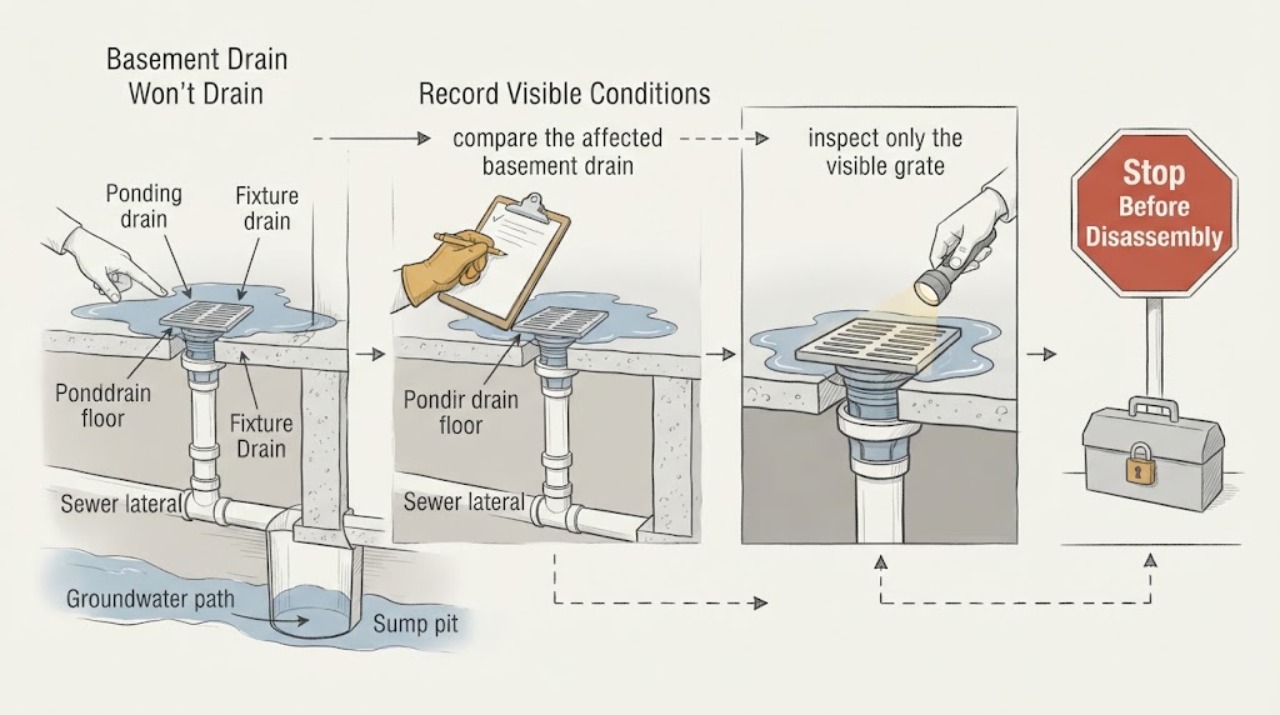
Basement Drain Won't Drain: Separate a Local Clog from a Sewer Backup
In a basement, a drain that will not drain may be a local floor or fixture clog, a blockage in the private sewer lateral, a municipal sewer backup, a septic or lift-pump condition, or groundwater entering through a separate path. First stop using water and identify whether one fixture is affected or multiple basement and upper-level fixtures are slow or backing up.
-
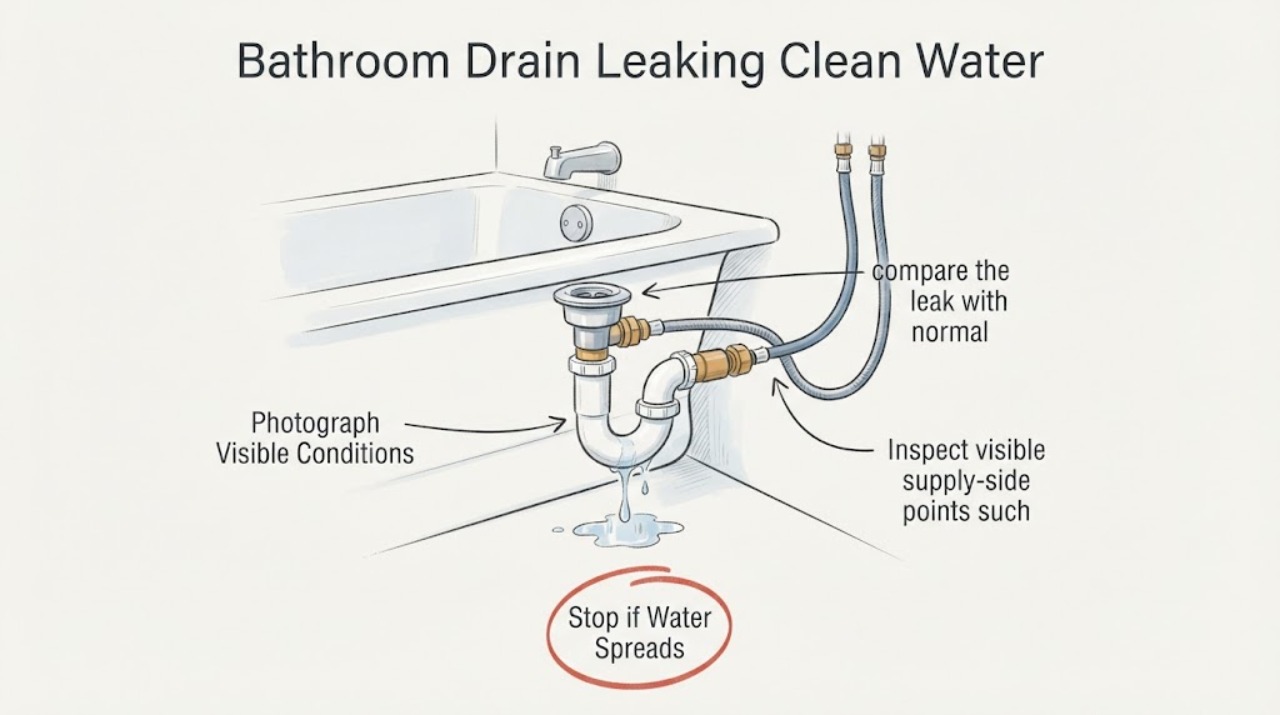
Bathroom Drain Leaking Clean Water: Find the First Wet Point
Stop using the bathroom fixture and find the first place that becomes wet, rather than assuming the visible puddle marks the source. Clean water that appears while the faucet or shower runs can come from a supply connection, faucet, shower arm, or diverter; water that appears only as the tub or sink drains points more toward the drain, overflow, trap, or a connection below the fixture.
-
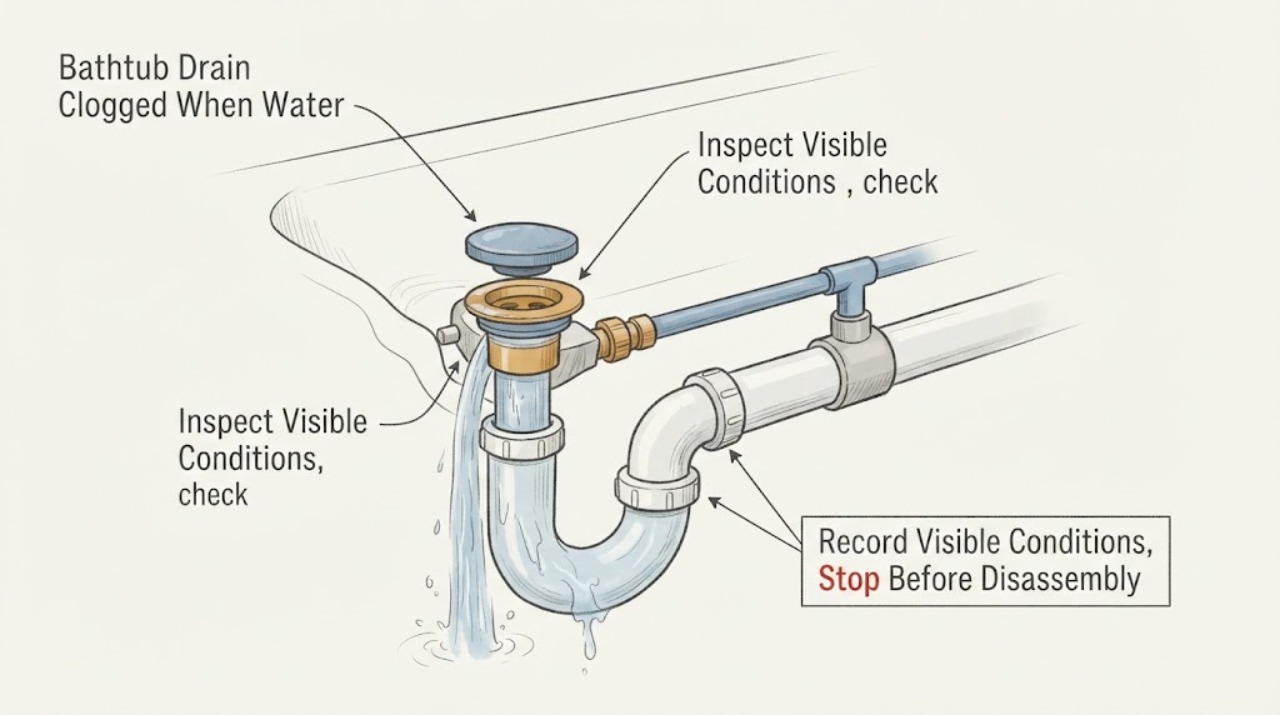
Bathtub Drain Clogged When Water Goes Down the Tub Drain
Stop adding water and first determine whether the bathtub is slow, backing up, or causing another fixture to rise. A tub-only slow drain often starts at the visible stopper or hair and soap buildup; water rising in a sink, toilet, or another tub points toward a shared branch or main drain and needs a plumber sooner.
-
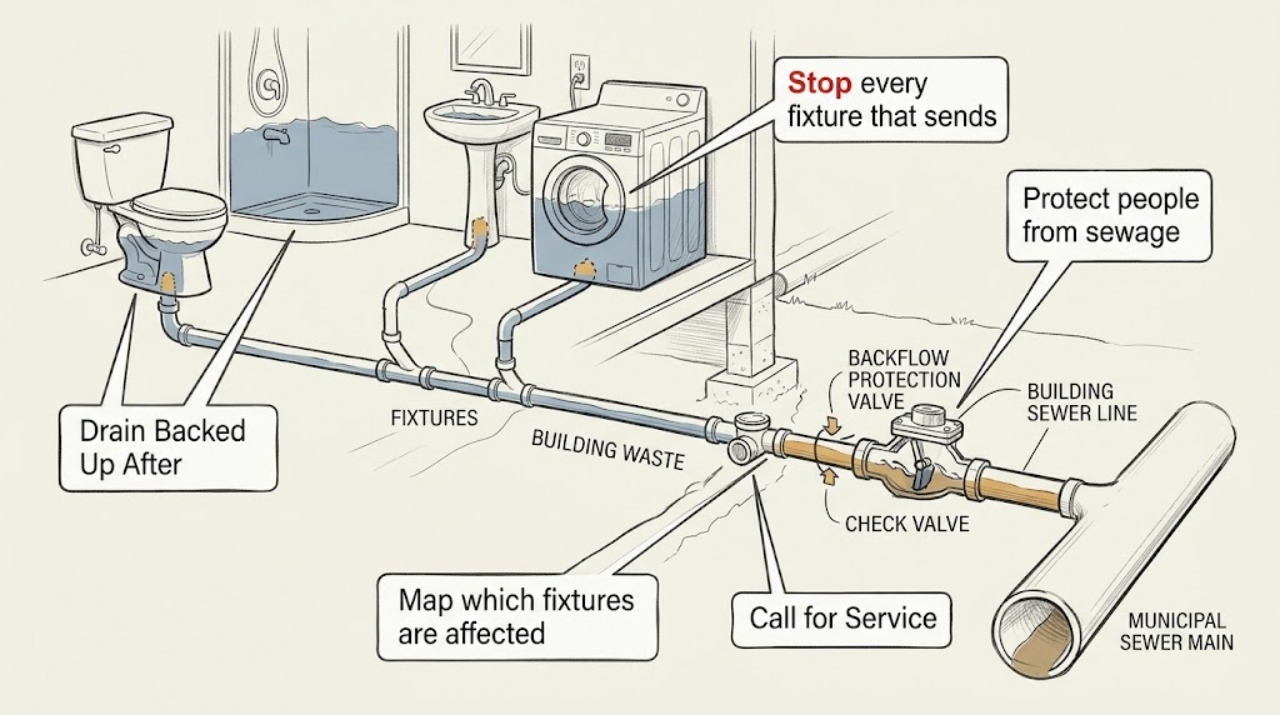
Drain Backed Up After a Shower and Laundry Ran Together: Safe Checks
If a drain backs up when a shower and washing machine discharge at the same time, stop all water use immediately, including the shower, washing machine, toilets, sinks, and dishwasher. Keep children and pets away from wastewater, avoid contact with sewage, and switch off power to a wet area only from a dry, safe location.
-
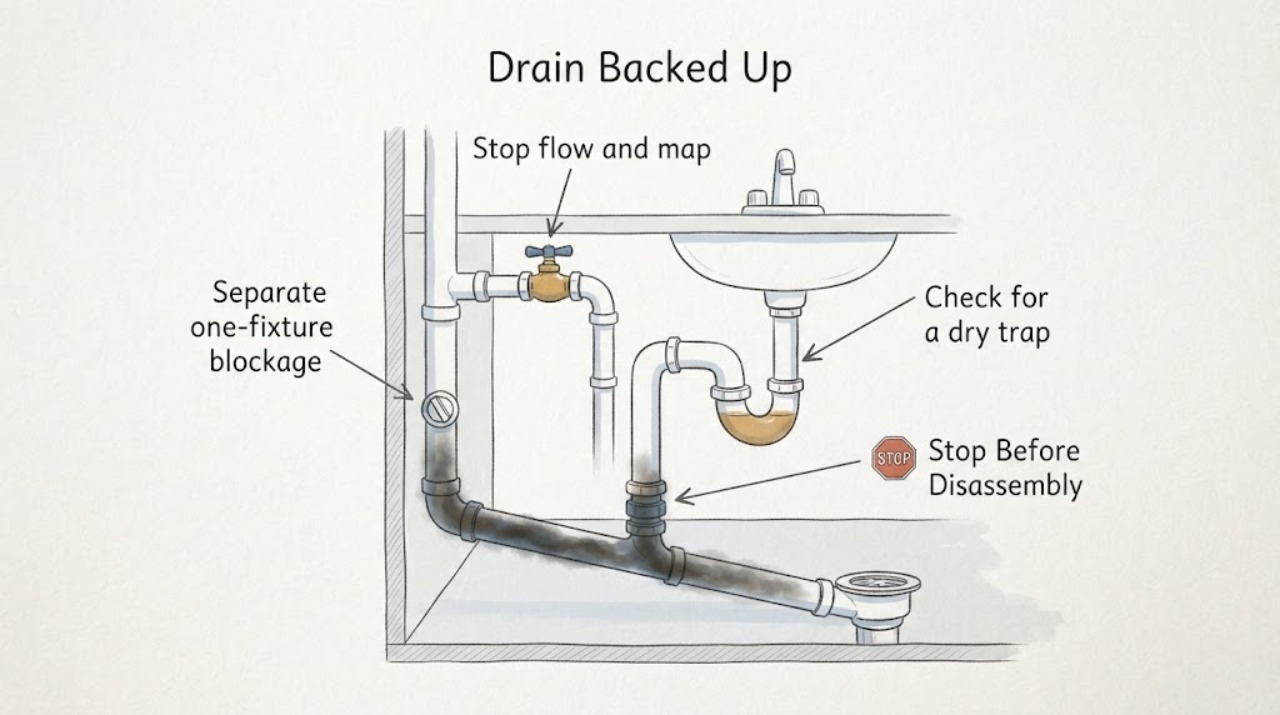
Drain Backed Up and the House Smells Like Sewage After Closing
A backed-up drain with a sewage smell means wastewater or sewer gas may be unable to leave normally. Stop adding water until you know whether the problem is limited to one fixture or affects several drains.
-
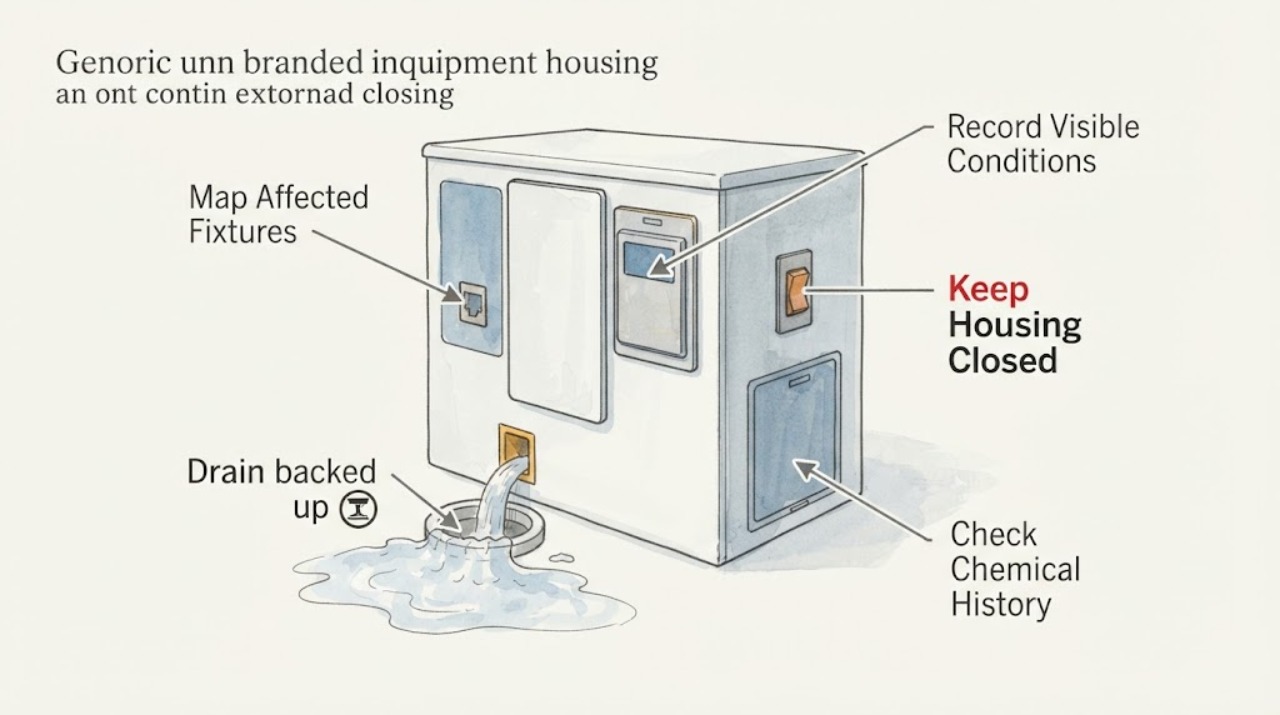
Drain backed up: What to check before calling a plumber
Stop adding water and first identify whether one fixture is blocked or several fixtures are backing up together. A single sink, tub, or shower that is slow or standing full usually points to a local trap or branch restriction; backup at more than one fixture, a low floor drain, or dirty water coming up when another fixture runs points farther downstream toward the building drain, private lateral, septic system, or public sewer.
-
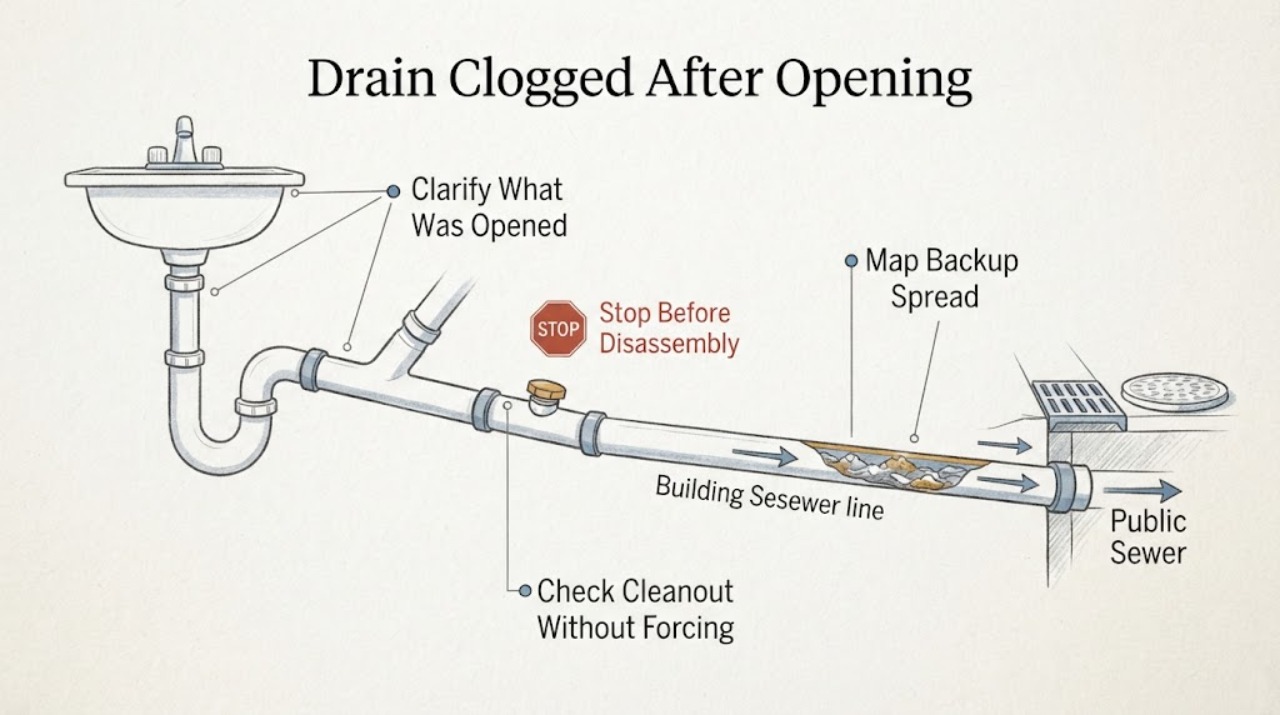
Drain Clogged After Opening: Locate the Blockage Before Adding More Water
If a drain backs up or stays clogged after something was opened, first clarify what opening changed: a faucet or tap was turned on, a trap or cleanout cap was loosened, or an access cover was removed. Stop adding water and record which fixture receives the backup, whether other fixtures are slow, and whether dirty water rises at the cleanout or floor drain.
-
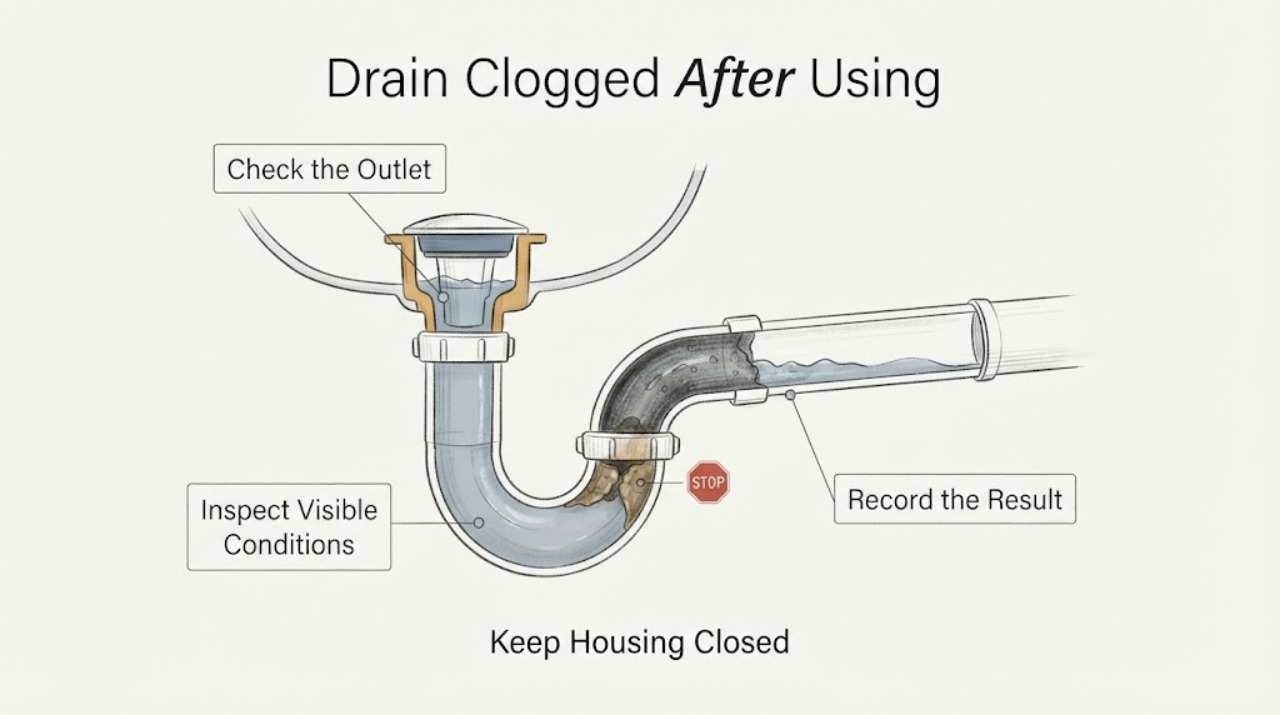
Drain Clogged After Using a Stopper: Check the Seal Before Calling a Plumber
If a drain became slow or stopped only after a stopper was installed or used, first separate a stopper/seal problem from a true pipe blockage. Stop adding water, remove only the visible stopper or strainer when safe, and check whether the opening is blocked by hair, debris, a displaced gasket, or a stopper linkage that is not fully open.
-
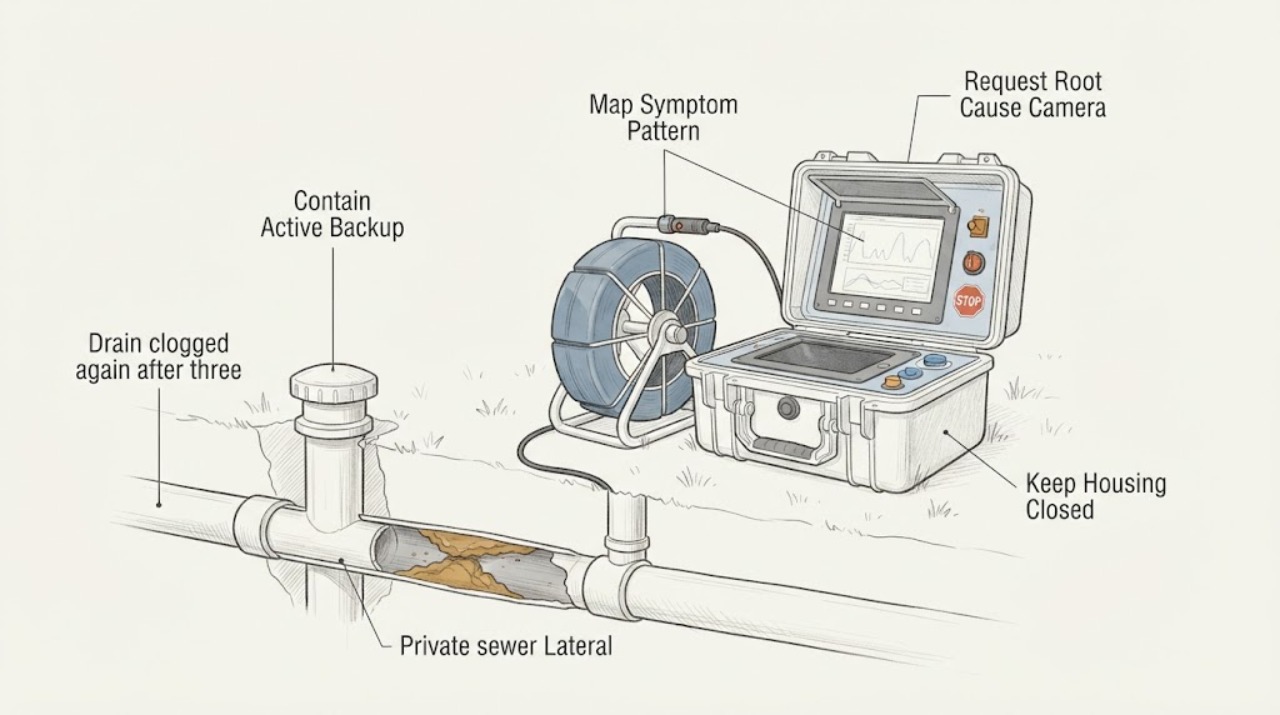
Drain clogged again after three hydro-jets in six months: what to do next
A drain that has needed three professional hydro-jets in six months needs a cause-and-location diagnosis, not an automatic fourth cleaning. Stop and document the pattern, reduce water use if wastewater is backing up, and ask a qualified plumber or the sewer utility to determine whether the problem is one fixture, a private lateral, or the public main.
-
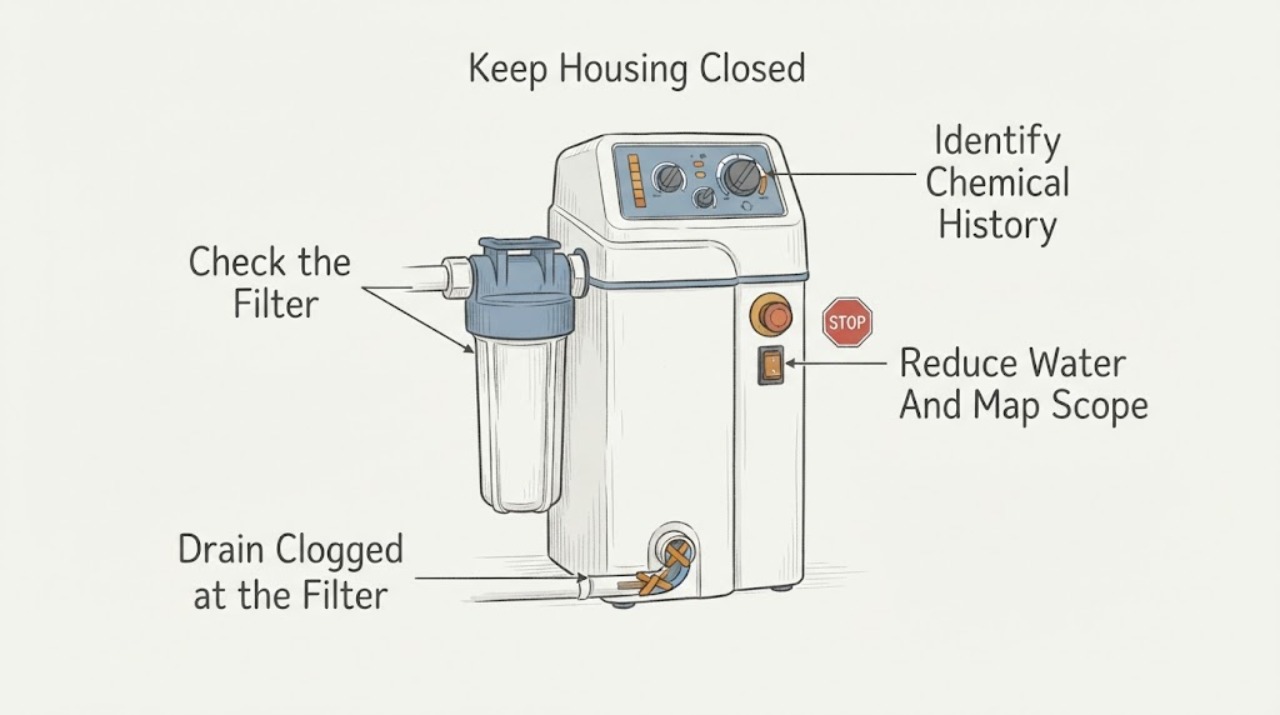
Drain Clogged at the Filter: Isolate the Blockage and Clear It Safely
When a drain is clogged at its filter or strainer, stop adding water first, protect the area from contaminated wastewater, and identify whether the blockage is only at the opening or deeper in the trap or line. With ordinary safe access, remove hair, food, lint, and other debris from the filter or strainer and rinse the part away from the drain.
-
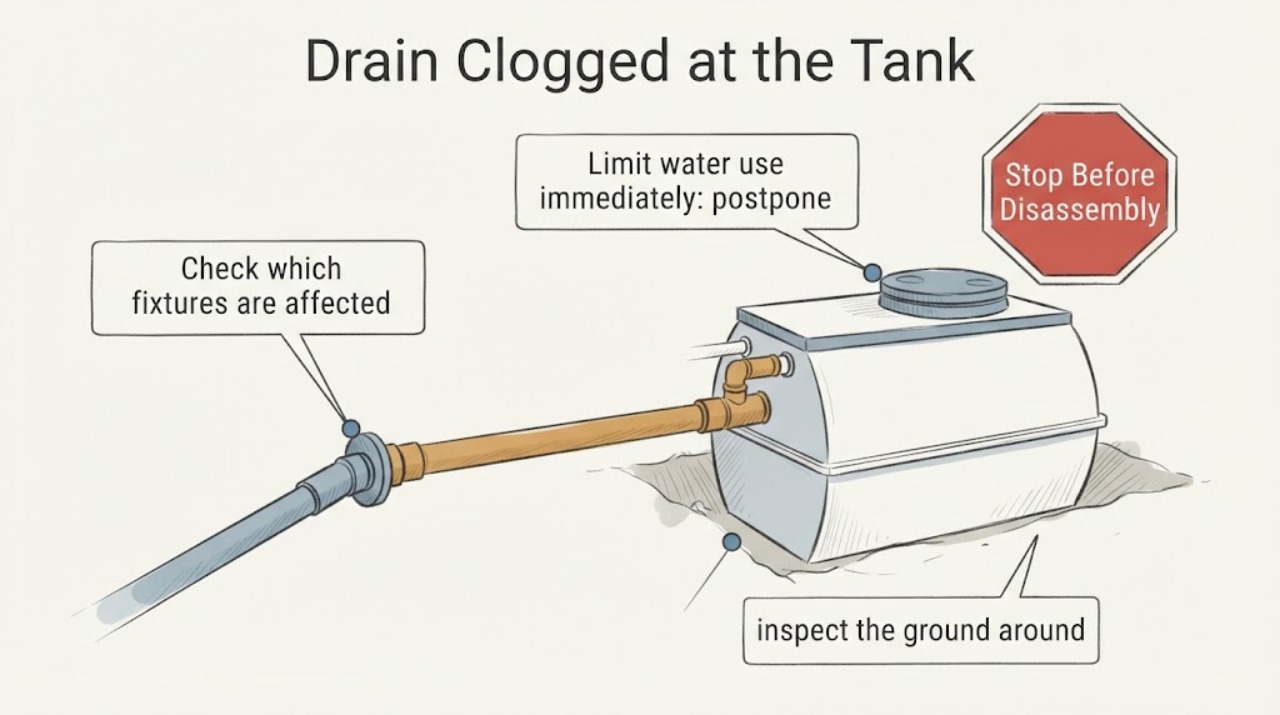
Drain Clogged at the Tank: Safe Septic Checks Before Calling for Help
If a drain is clogged and the home uses a septic tank, first determine whether one fixture is affected or several drains are slow or backing up. Reduce water use and keep people and pets away from sewage.
-
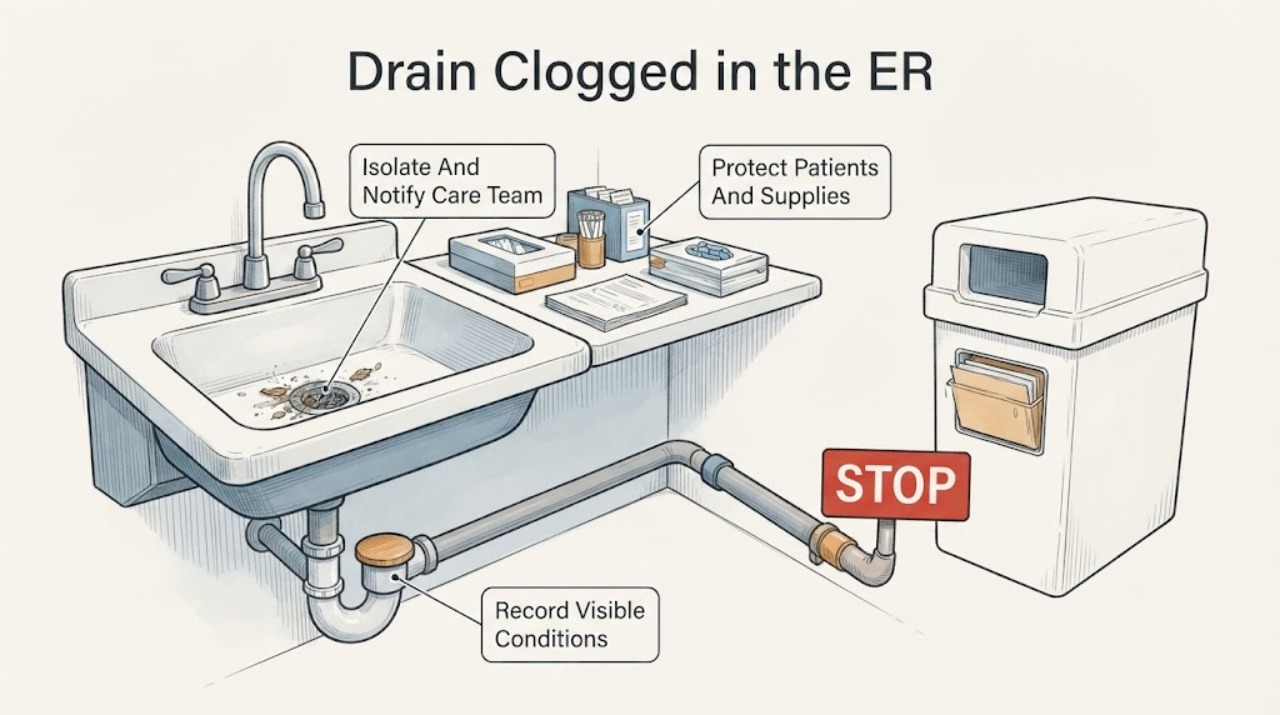
Drain Clogged in the ER: Isolate the Area and Escalate Safely
A clogged drain in an emergency room is an institutional water, sanitation and infection-control event, not a household drain-clearing job. Stop using the affected sink, toilet, hopper or drain; keep patients, staff, medications, sterile supplies and equipment away from splash or standing water; and notify the charge nurse or department lead, Facilities, Environmental Services and Infection Prevention through the facility's incident route.
-
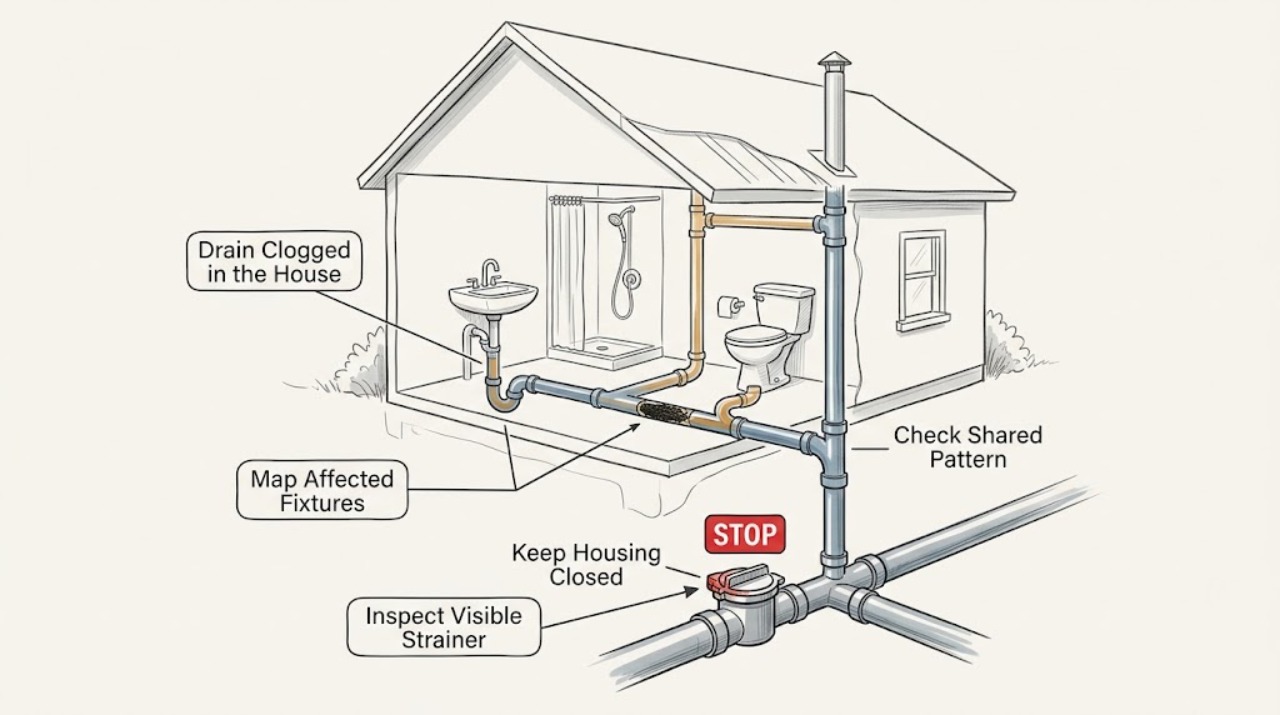
Drain Clogged in the House: Find the Blockage and Choose a Safe Next Step
Start by limiting water use and checking whether one fixture is slow or several fixtures are affected. A single sink, tub, or shower drain usually points to the nearby strainer, trap, or branch line; gurgling, floor-drain water, or several fixtures backing up points farther downstream.
-
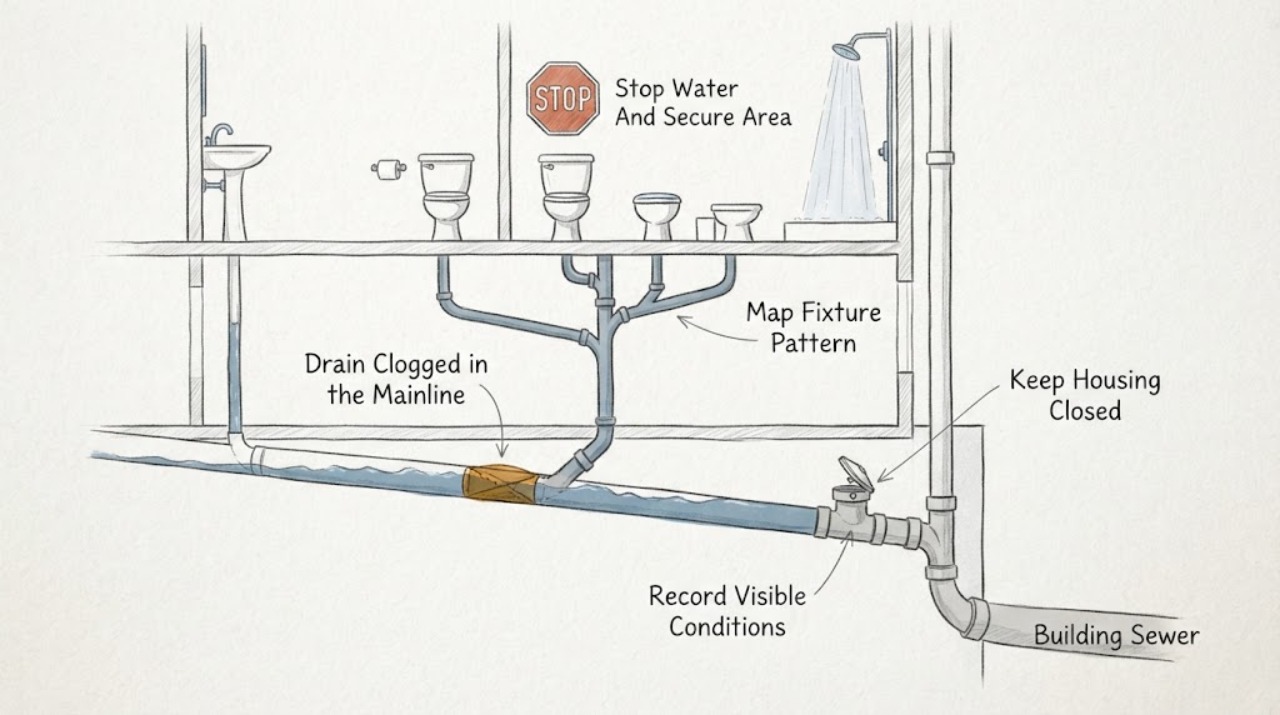
Drain Clogged in the Mainline: Stop Water Use and Locate the Safe Service Path
A suspected mainline drain clog is a whole-building wastewater problem until proven otherwise. Stop using water immediately: do not flush toilets or run sinks, showers, laundry, or other fixtures.
-
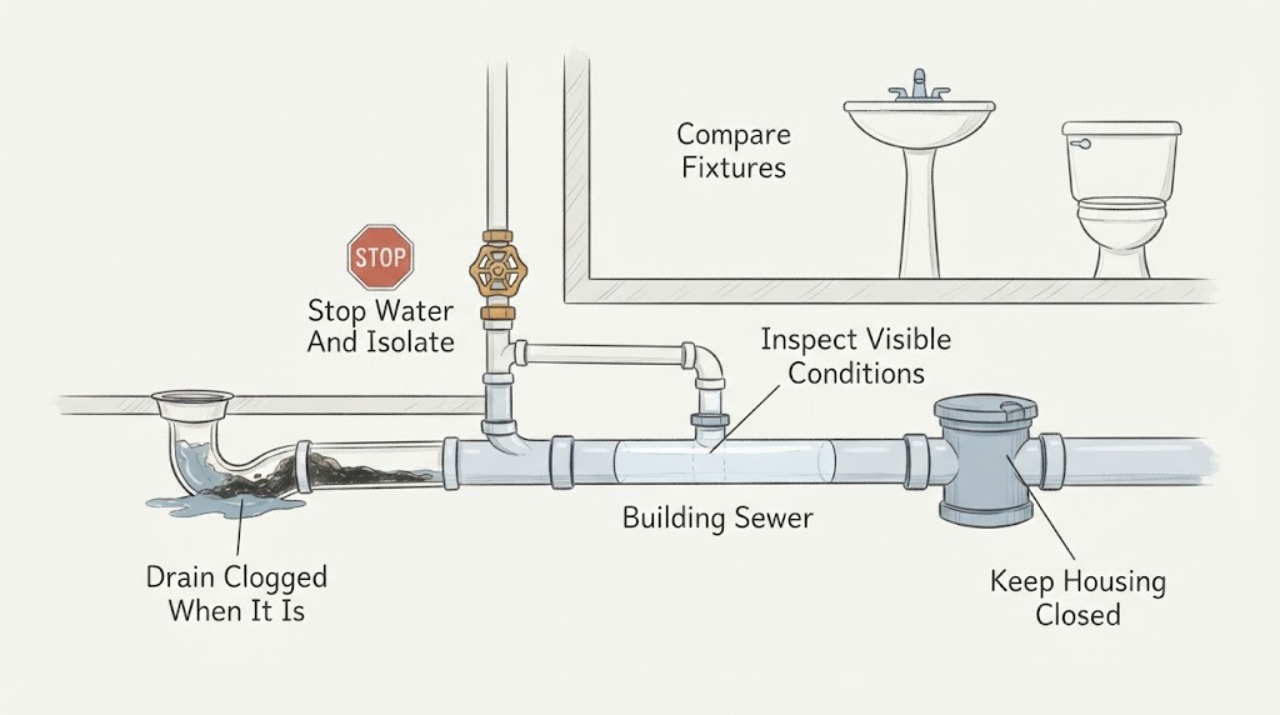
Drain Clogged When It Is the Only Option Here: Safe Triage Before a Plumber Arrives
If this clogged drain is the only available outlet or wastewater route in the situation, do not try to force water through it or improvise a second route. Stop using the drain and all connected water fixtures, then determine whether the problem is limited to this opening or also affects other fixtures.
-
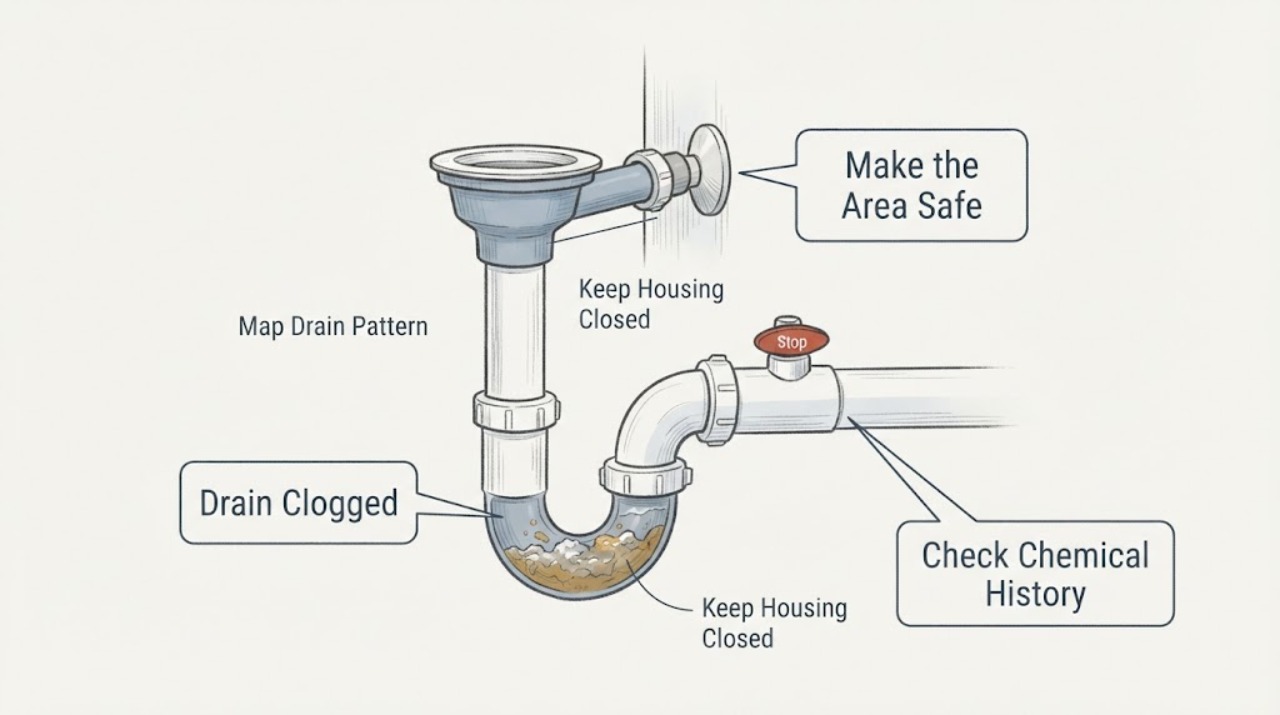
Drain Clogged: Tell a P-Trap Blockage From a Deeper Plumbing Problem
A slow or blocked sink drain can be local to the visible fixture and P-trap, or it can be farther downstream in the branch drain, vent, or sewer connection. First stop adding water, protect yourself from wastewater, and compare this fixture with nearby drains.
-
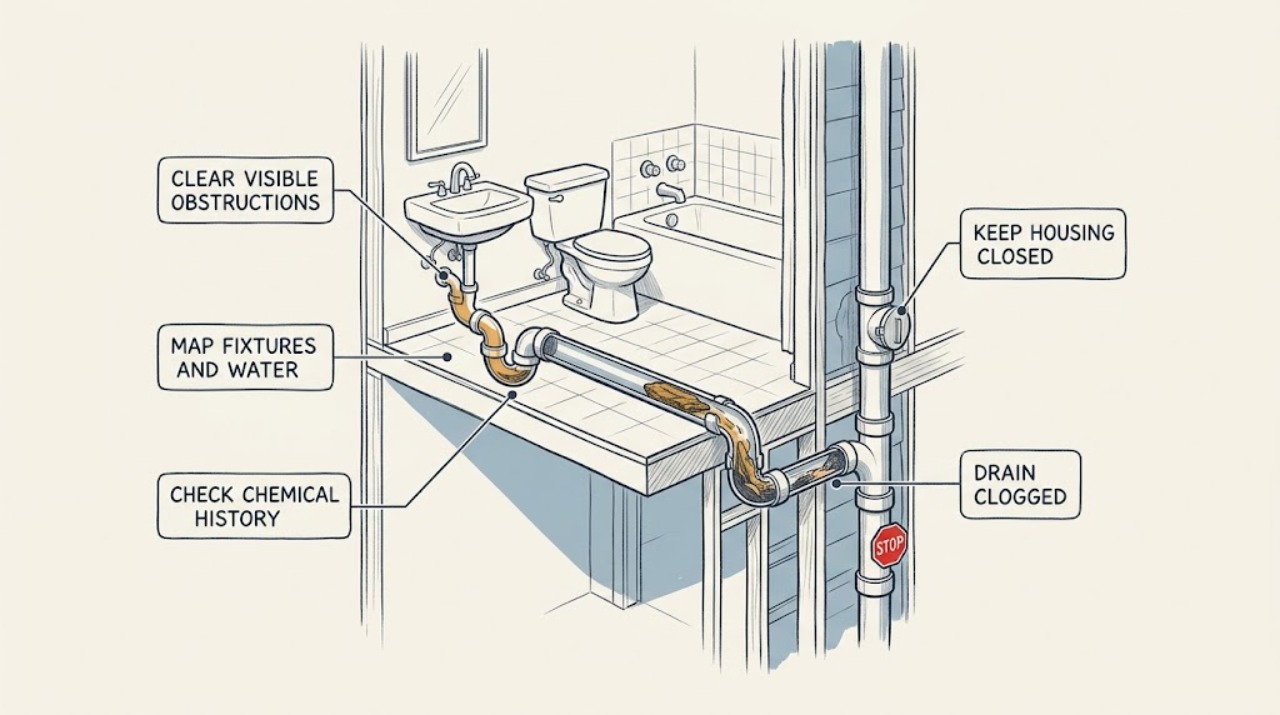
Drain Clogged
Stop adding water and first determine whether one upstairs fixture is blocked or several fixtures are backing up. Remove only a visible stopper or hair if the water is ordinary wastewater and no chemical cleaner has been used; then try the correct plunger with the nearby overflow or other openings sealed.
-
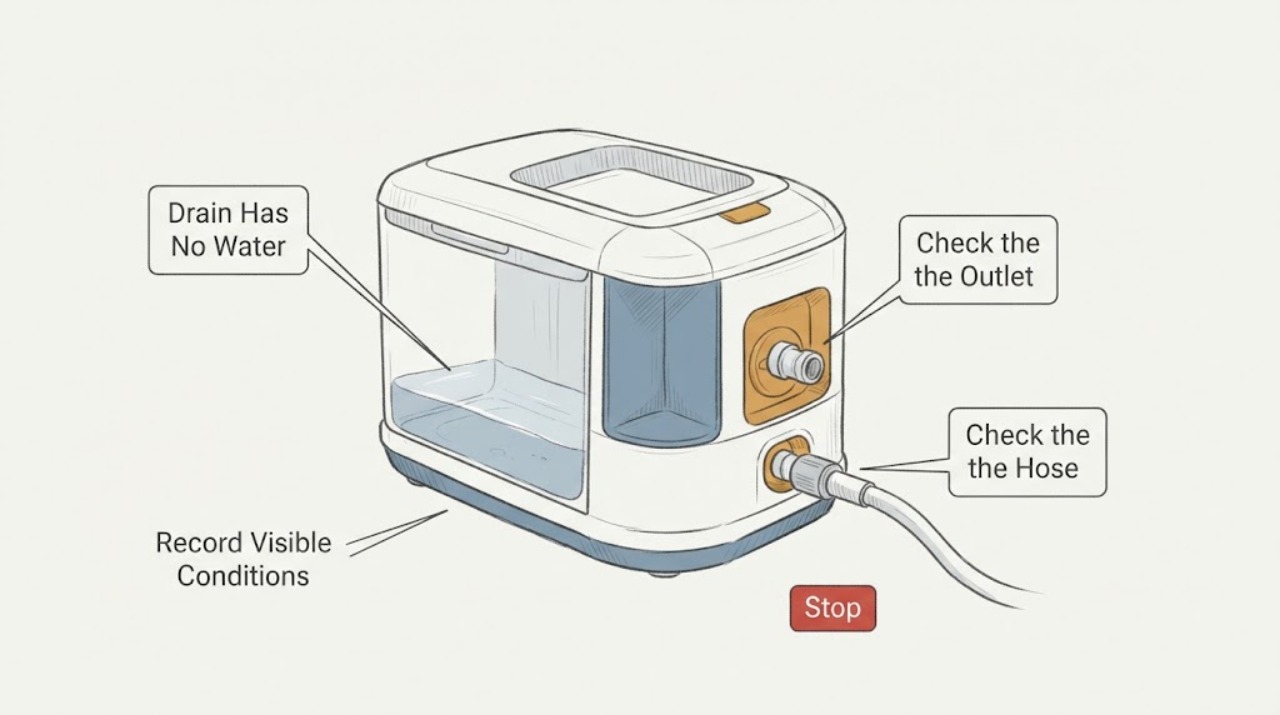
Drain Has No Water: Check the Tank, Trap, and Flow Path Safely
First clarify which part has no water: the tank or fixture is not filling, the drain opening receives water but it does not move, or the drain and trap are completely dry. With no leak, sewage, chemical, or electrical hazard, record the tank/fixture type and check the accessible supply, valve, level control, stopper or drain opening, and visible pipe path.
-
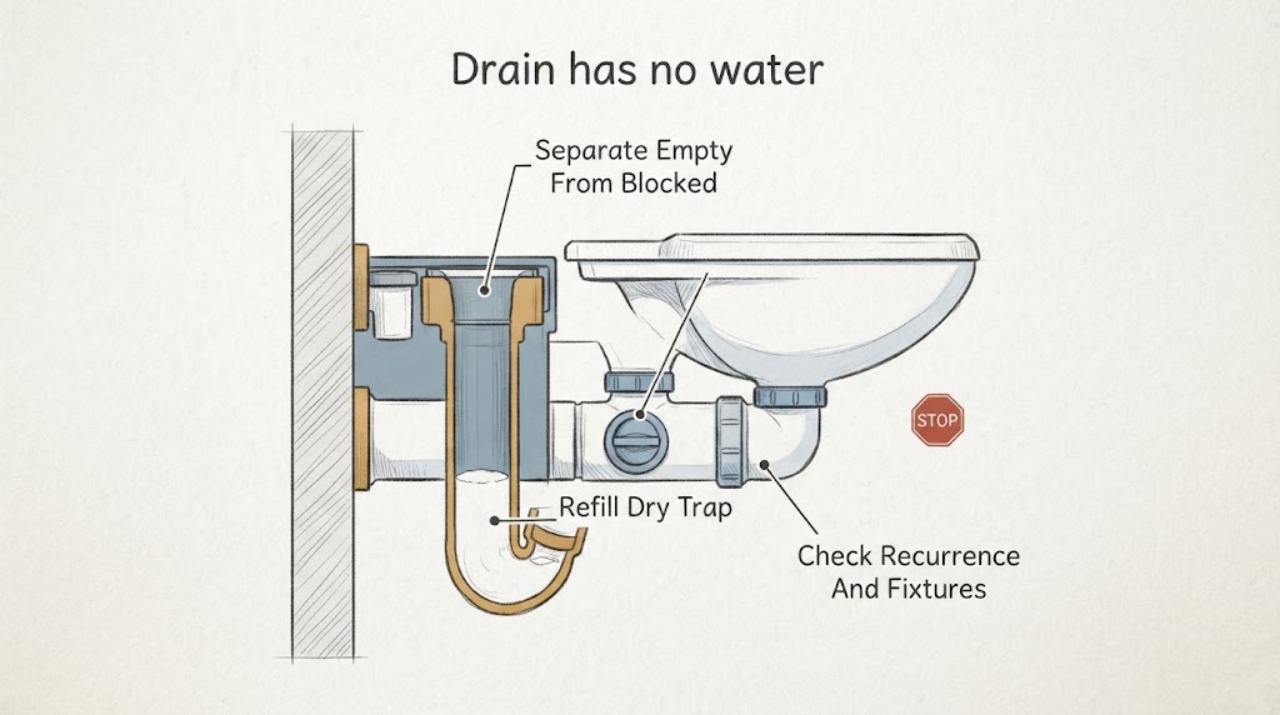
Drain has no water: Check the trap and know when to call a plumber
If a seldom-used drain is empty and you can see or smell an open drain path, its trap may have dried out and lost the water seal that blocks sewer gas. First distinguish an empty drain from a drain holding water that will not flow: the latter is a blockage or drainage problem, not a dry-trap fix.
-
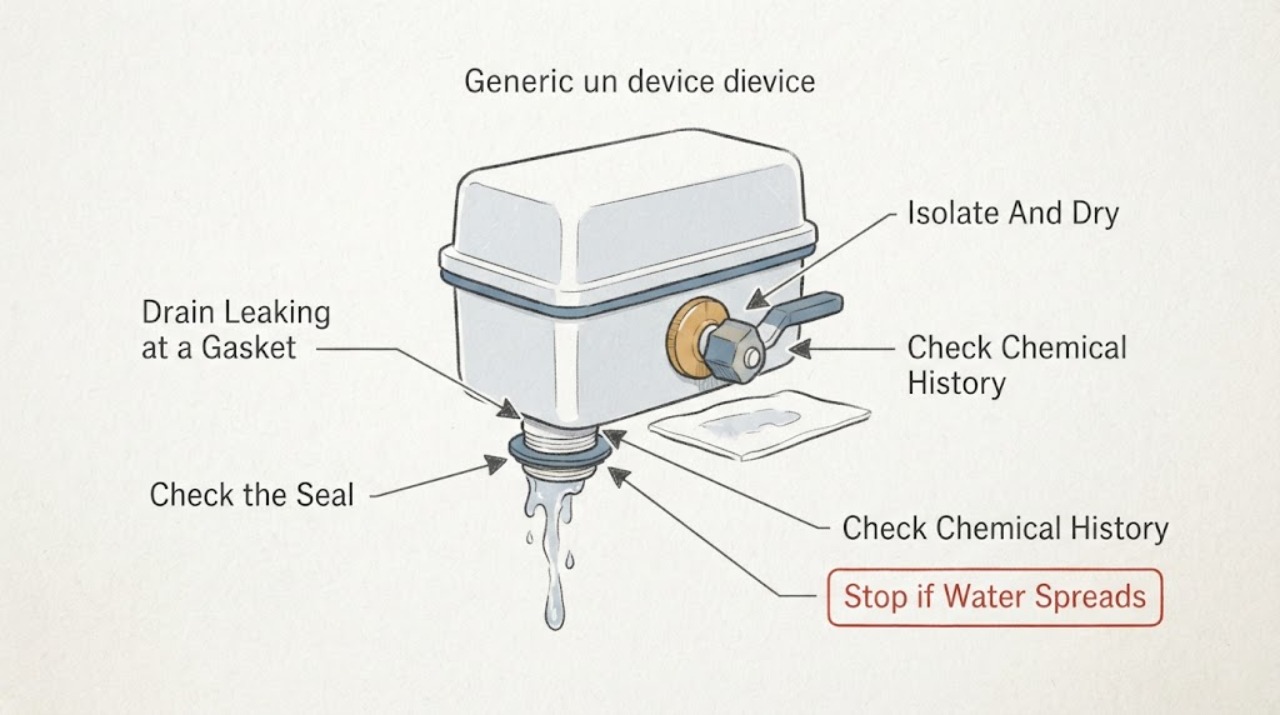
Drain Leaking at a Gasket: Find the Joint Before Replacing the Seal
A leaking drain gasket is possible, but the wet gasket may be downstream from the real source. First stop unnecessary water use, dry the area, and identify the first point that becomes wet during a brief controlled observation.
-
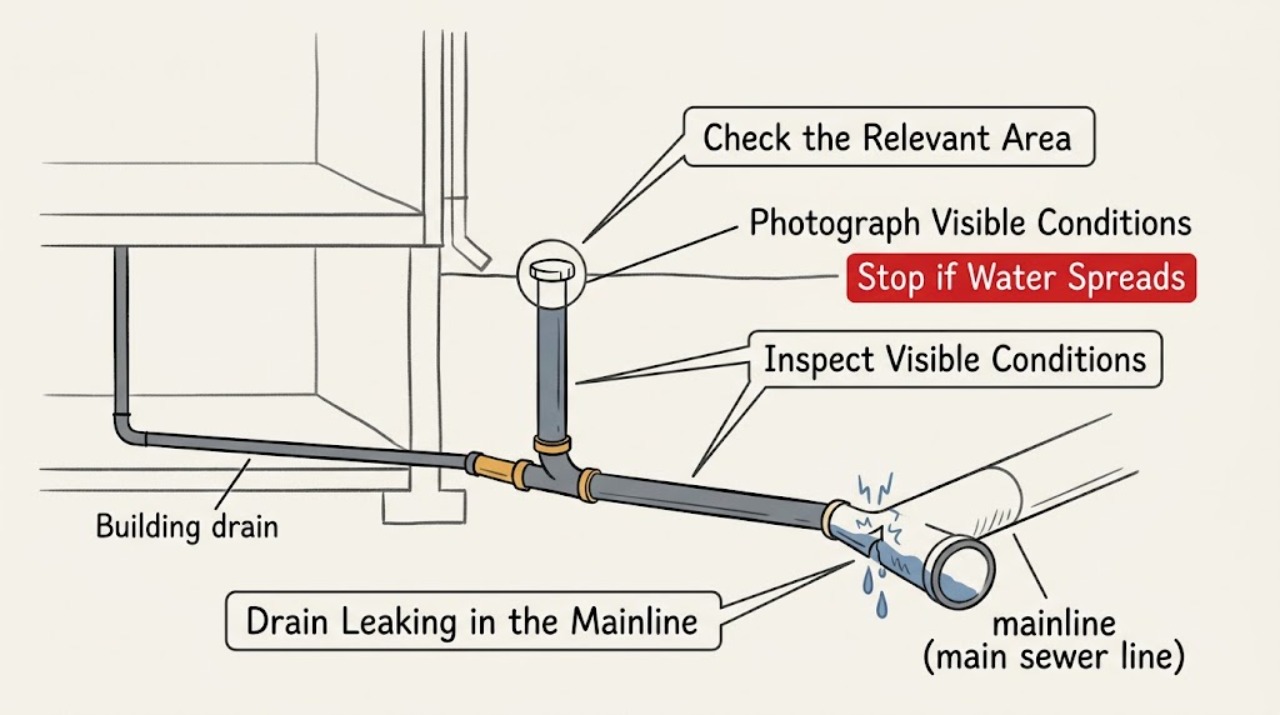
Drain Leaking in the Mainline: Separate a Private Lateral Leak From a Public Sewer Problem
A leak described as being in the mainline is not a sink-trap repair. First reduce or stop water use if wastewater is backing up, keep people and pets away from sewage, and do not open a pressurized cleanout, pour chemicals into the line, dig, or enter an excavation.
-
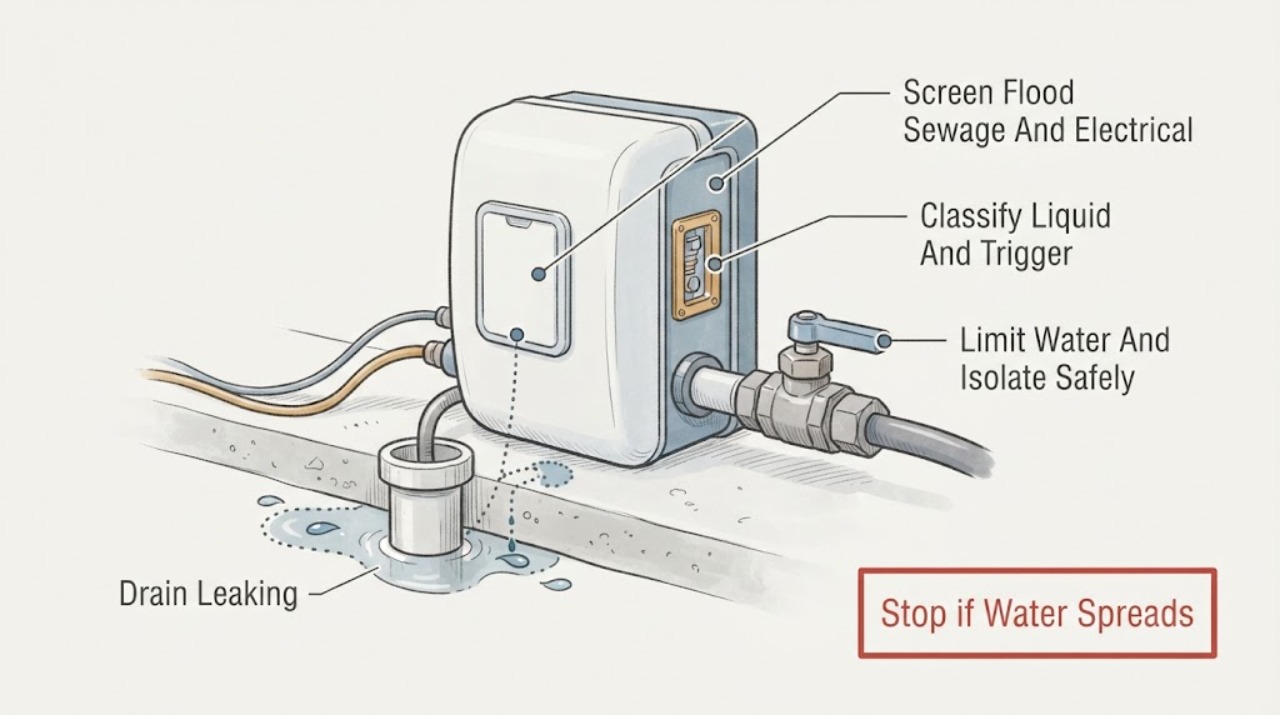
Drain Leaking: Locate the Line, Limit Damage, and Know When to Call a Plumber
A leaking drain line can be a loose visible joint, a cracked trap or pipe, a backed-up drain forcing water out, or a concealed leak in a wall, floor, or ceiling. First stop or reduce the fixture use that makes the leak worse, identify whether the liquid is clean water or wastewater, and keep people away from standing water near electricity.
-
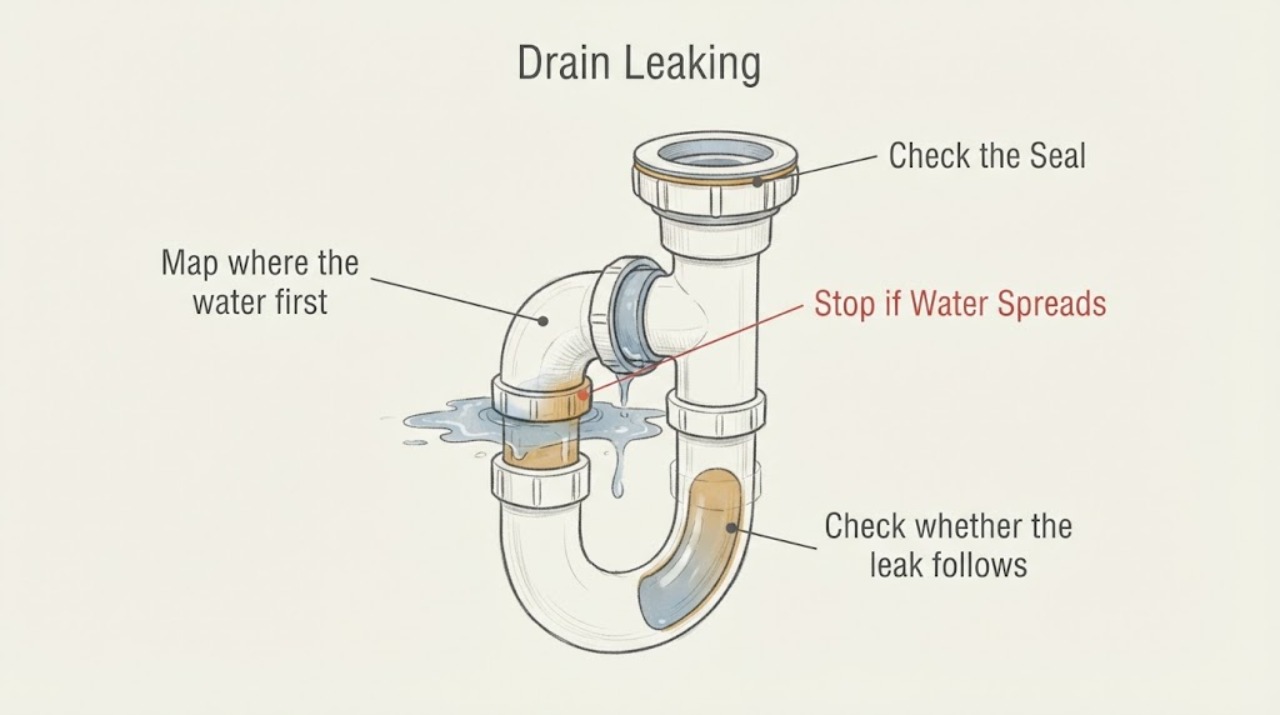
Drain Leaking: What to Check and What to Do Next
First find the exact point where the water appears and whether it happens only while the drain is carrying water. Dry the area, run a short controlled test, and watch the drain opening, trap joints, wall connection, and nearby surfaces without loosening anything.
-
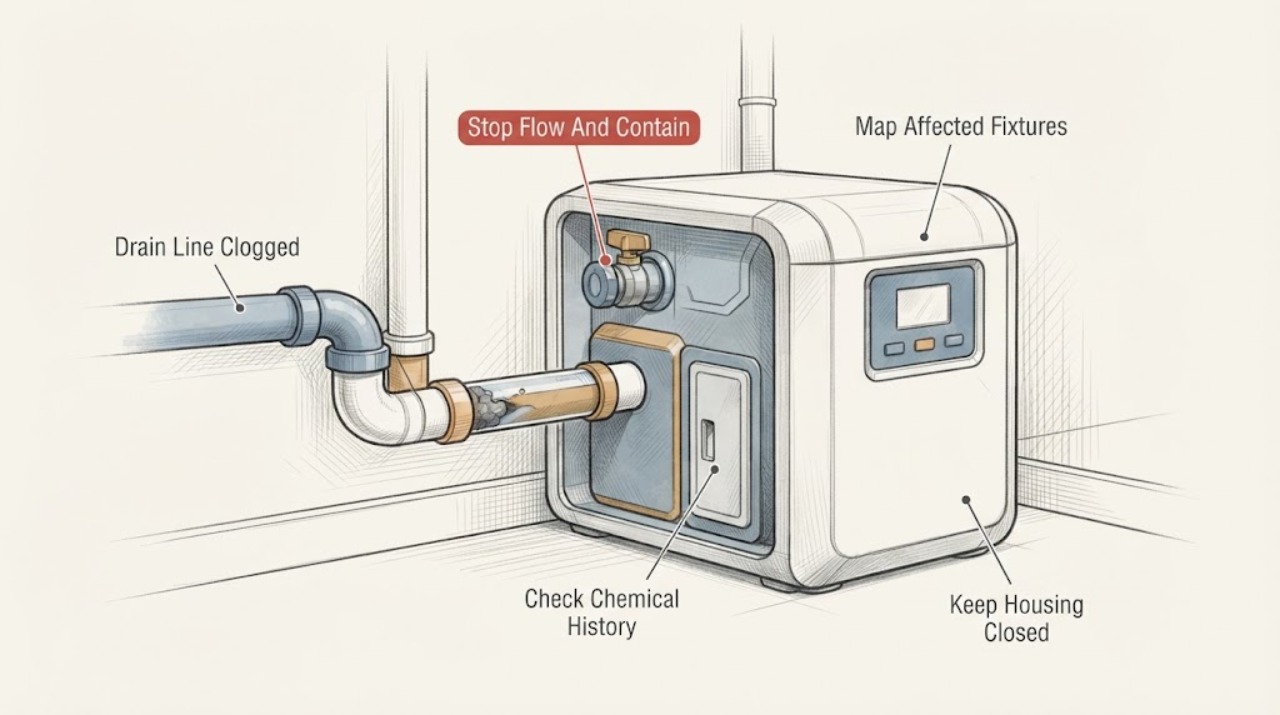
Drain Line Clogged: Isolate the Blockage Without Flooding or Mixing Chemicals
Stop adding water and first determine whether one fixture is slow or several fixtures back up together. Keep wastewater contained, inspect only the visible drain opening, and use a suitable plunger only when no drain chemical has been added and there is no standing sewage or electrical hazard.
-
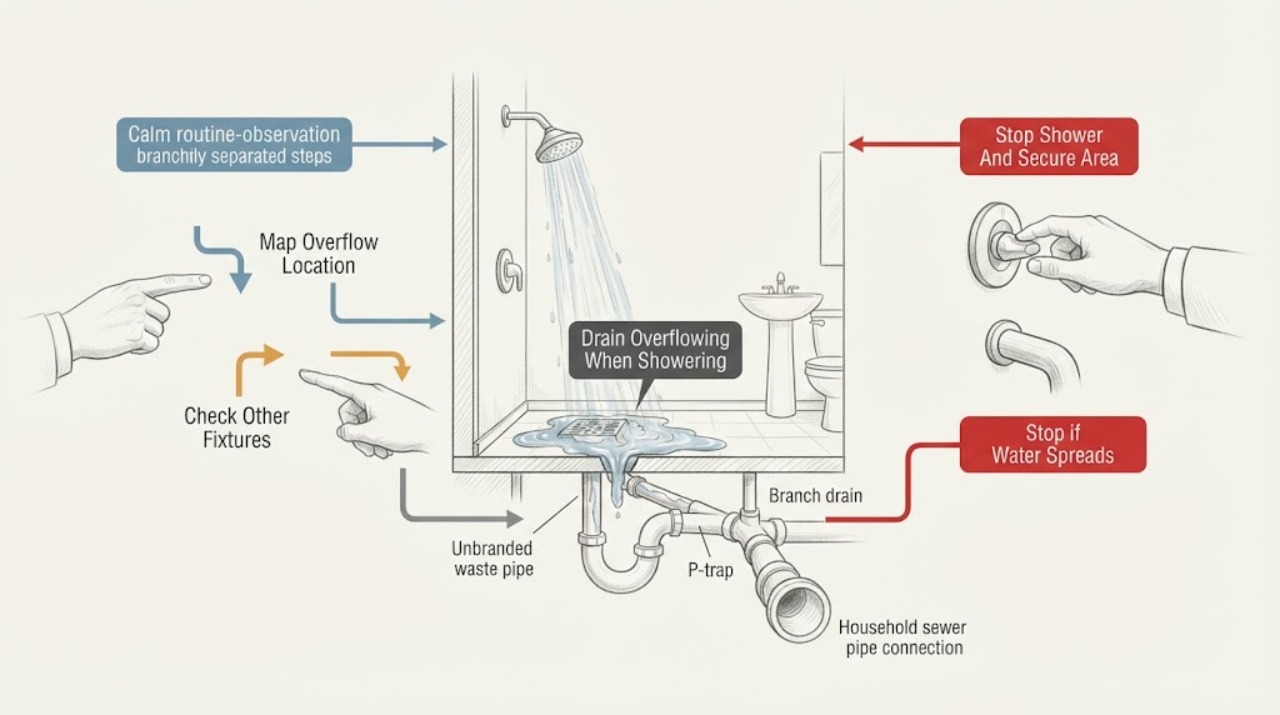
Drain Overflowing When Showering
Stop the shower as soon as the water level rises and keep people out of the wastewater. First note whether only the shower backs up or whether a toilet, basin, bath, or another fixture also drains slowly or overflows.
-
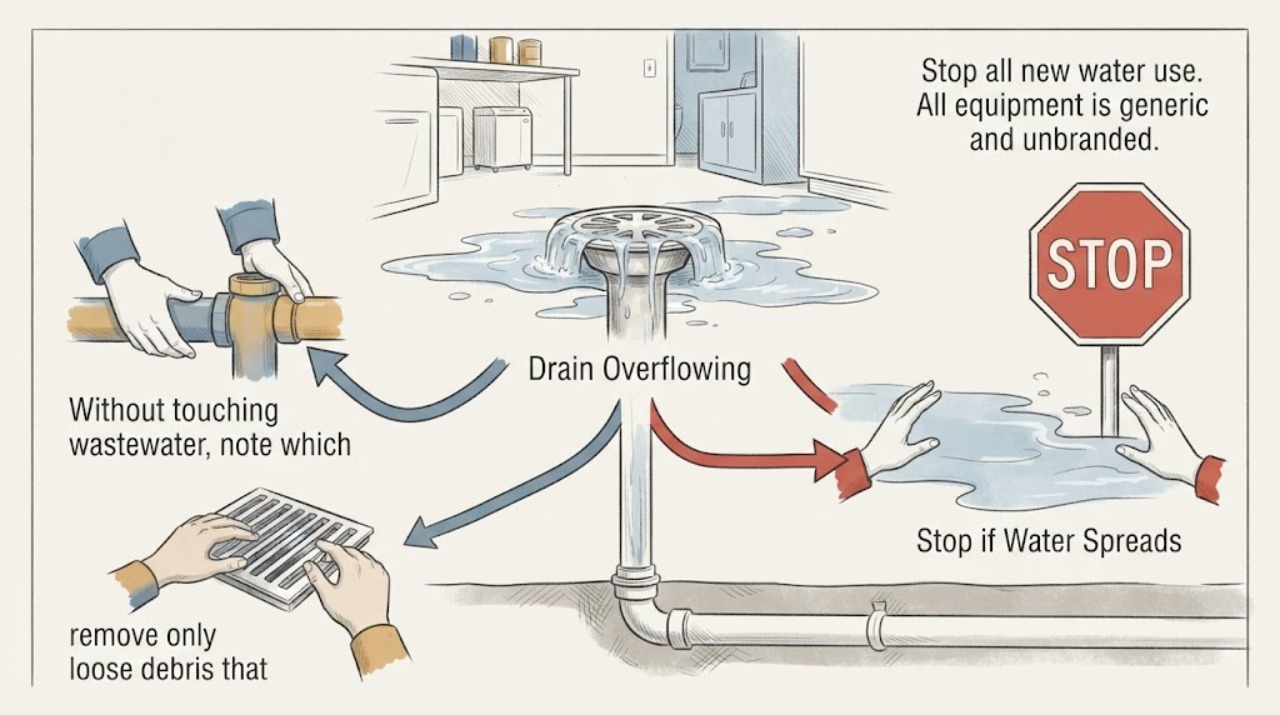
Drain Overflowing: Stop Water, Find the Blockage, and Check Whether the Sewer Is Backing Up
Stop adding water immediately, then determine whether one fixture is overflowing or several fixtures are backing up together. A single drain with a visible, reachable blockage may respond to a cautious plunger test, while water in multiple fixtures, a full cleanout, sewage, or an overflow that returns quickly points to a downstream service-line or public-sewer problem.
-
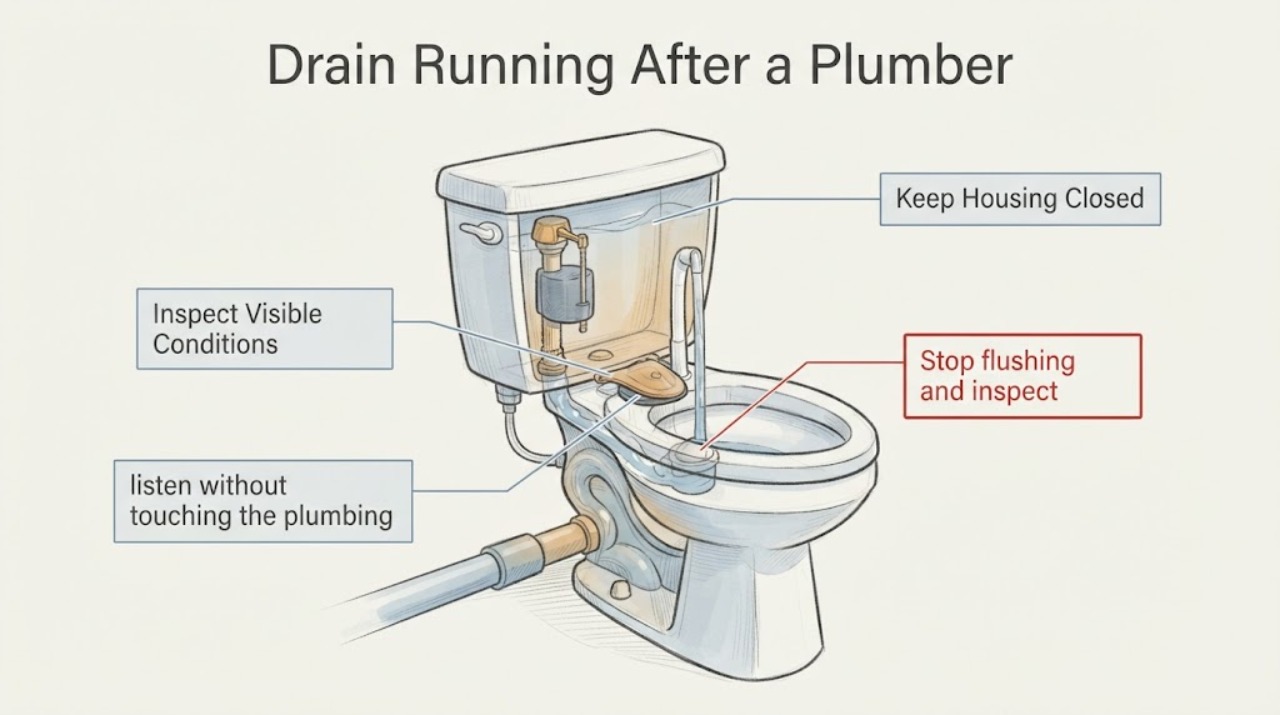
Drain Running After a Plumber Visit for the Toilet: What to Check Next
A toilet that is still running after a plumber visit does not prove that the earlier work failed or that the same part is at fault. First separate a tank that keeps refilling from water silently passing into the bowl, a drain or pump-like sound, and a leak outside the toilet.
-
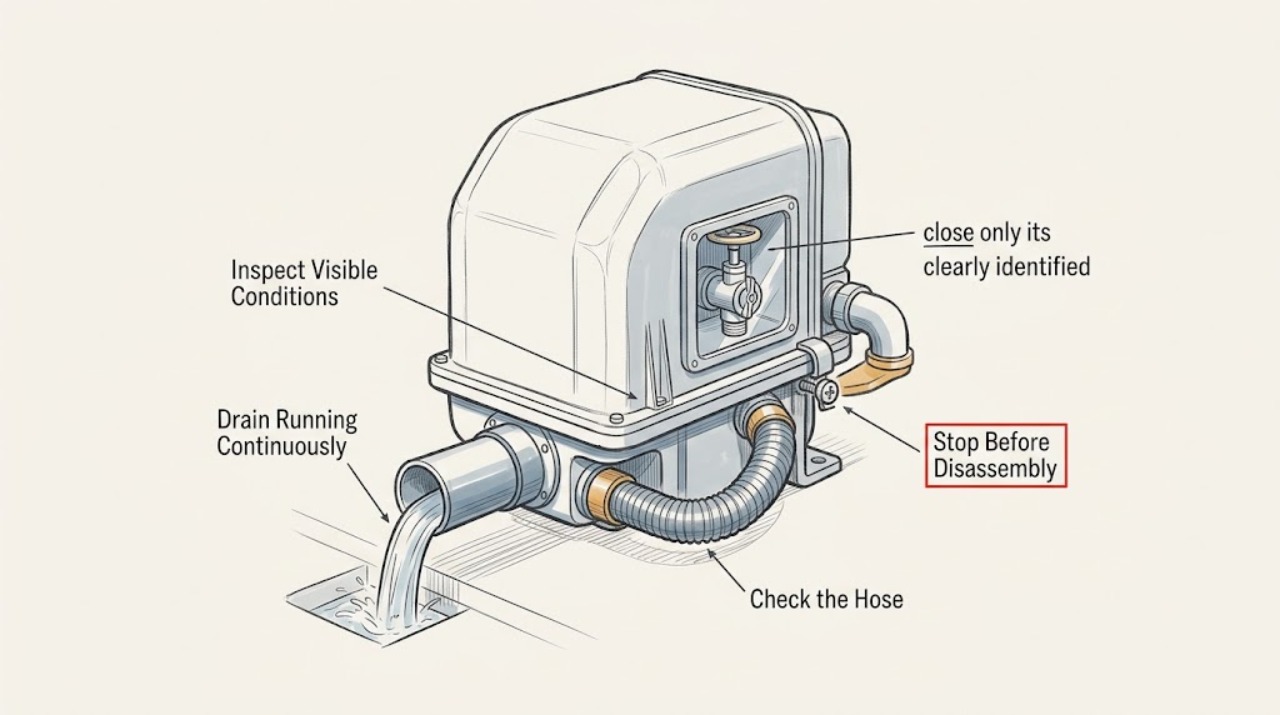
Drain Running Continuously: Find the Water Source Before Replacing a Drain Part
A drain does not create water by itself, so continuous flow usually means a fixture, appliance discharge, overflow line, or hidden plumbing leak is feeding it. Turn off unnecessary water use, verify whether the water meter still shows flow, and trace the source without opening concealed or pressurized plumbing.
-
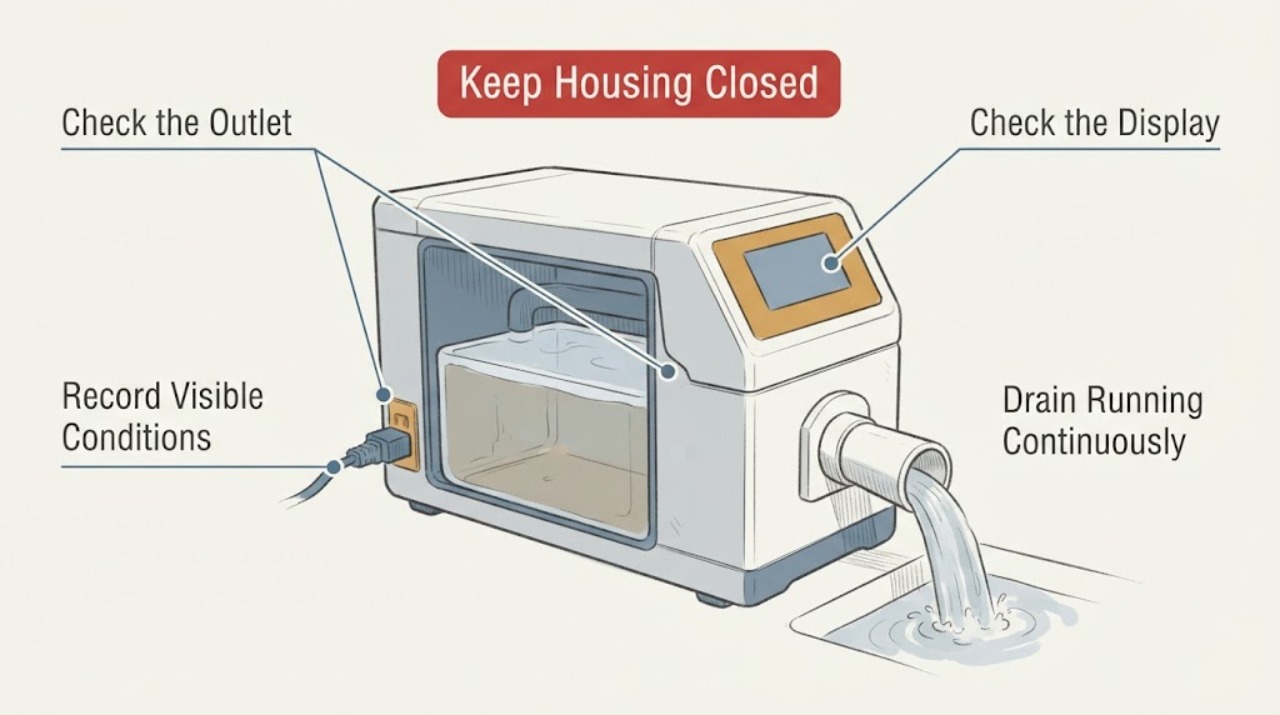
Drain Running Continuously: Separate Tank Filling, Discharge, and Leaks Safely
First identify what is actually running: water may be continuously entering the tank, flowing from the tank into the drain, leaking around the tank or drain, or a pump may be operating. Without overflow, sewage, chemical, pressure, or electrical danger, record the tank level and trace the visible water path, then close an accessible supply valve only if it is safe to reach.
-
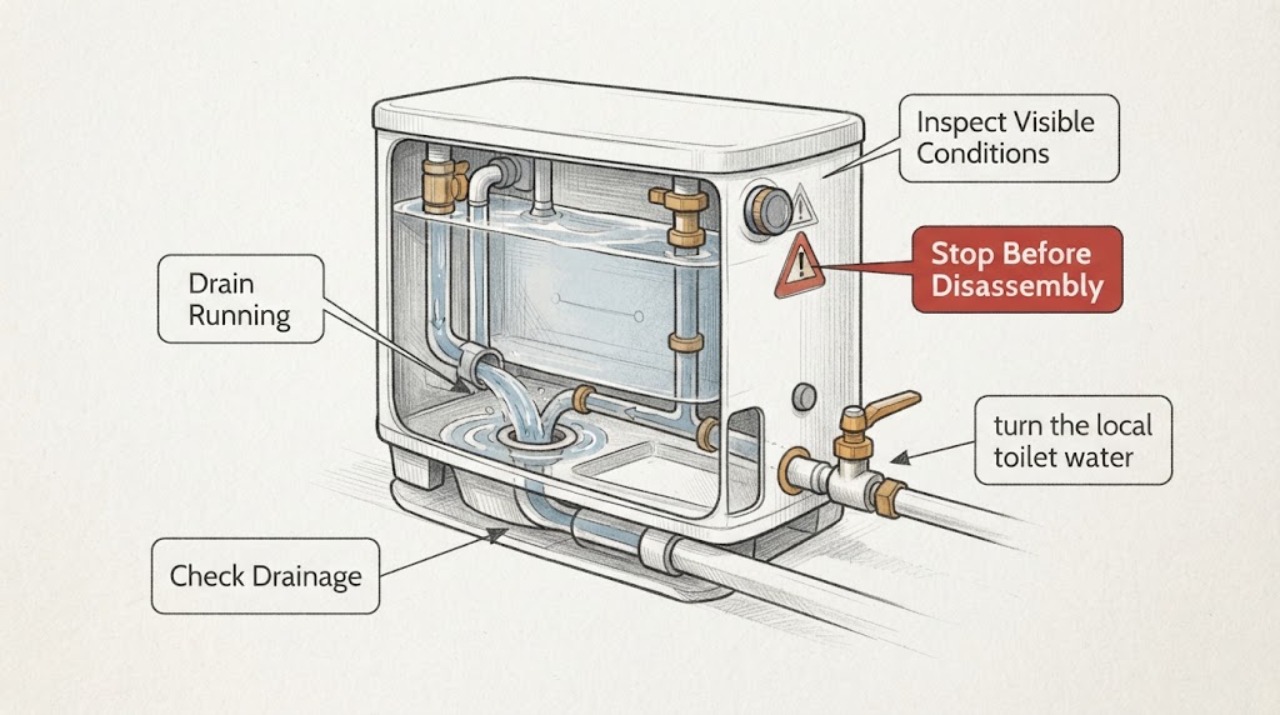
Drain Running: Check Whether a Toilet Tank Seal Is Causing Continuous Flow
The wording drain running most often describes water continuously passing through a toilet from the tank to the bowl, commonly because the tank seal or flapper does not close. Confirm the source before changing a part: listen and look for flow in the toilet tank, a water stream over the overflow tube, or a dye trail from the tank into the bowl.
-
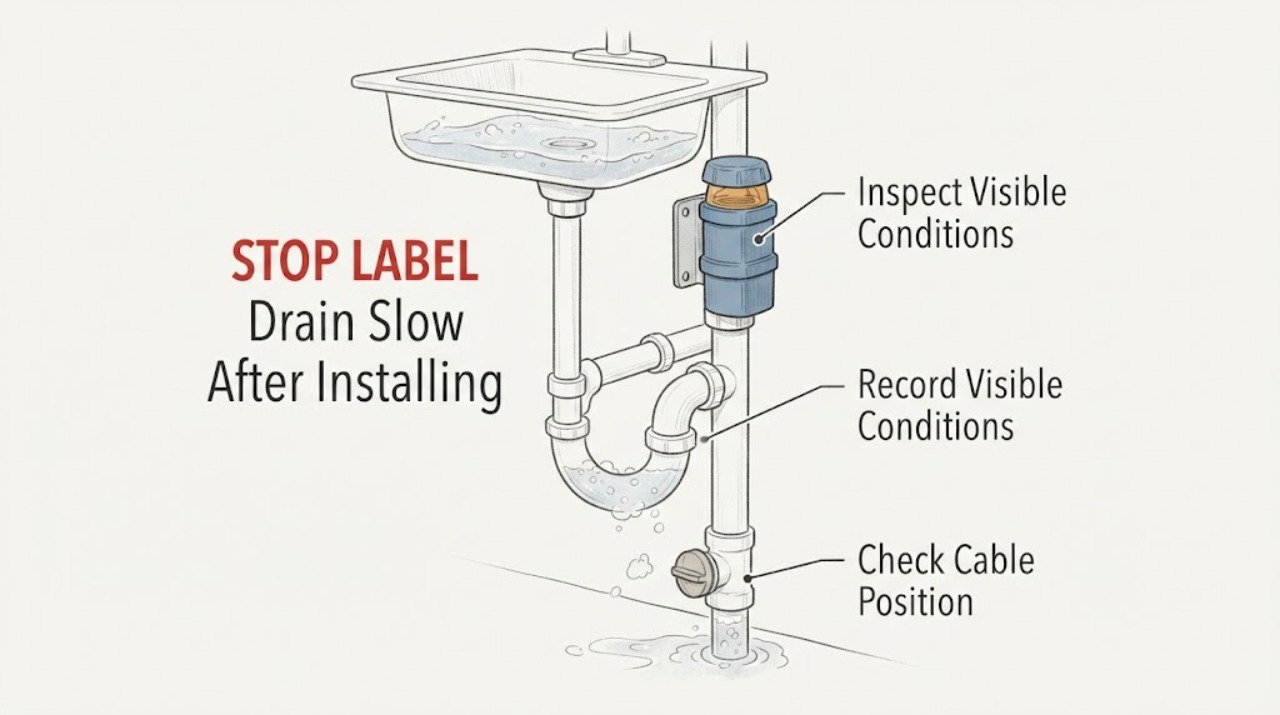
Drain Slow After Installing an AAV: Check Venting, Layout, and Blockage
Because the slow drain started after the AAV was installed, first separate an AAV/venting change from a blockage or pipe-layout problem. With no sewage, overflow, chemical, pressure, or electrical hazard, record whether the symptom began immediately, whether one fixture or several are slow, and whether there is gurgling or sewer odor.
-
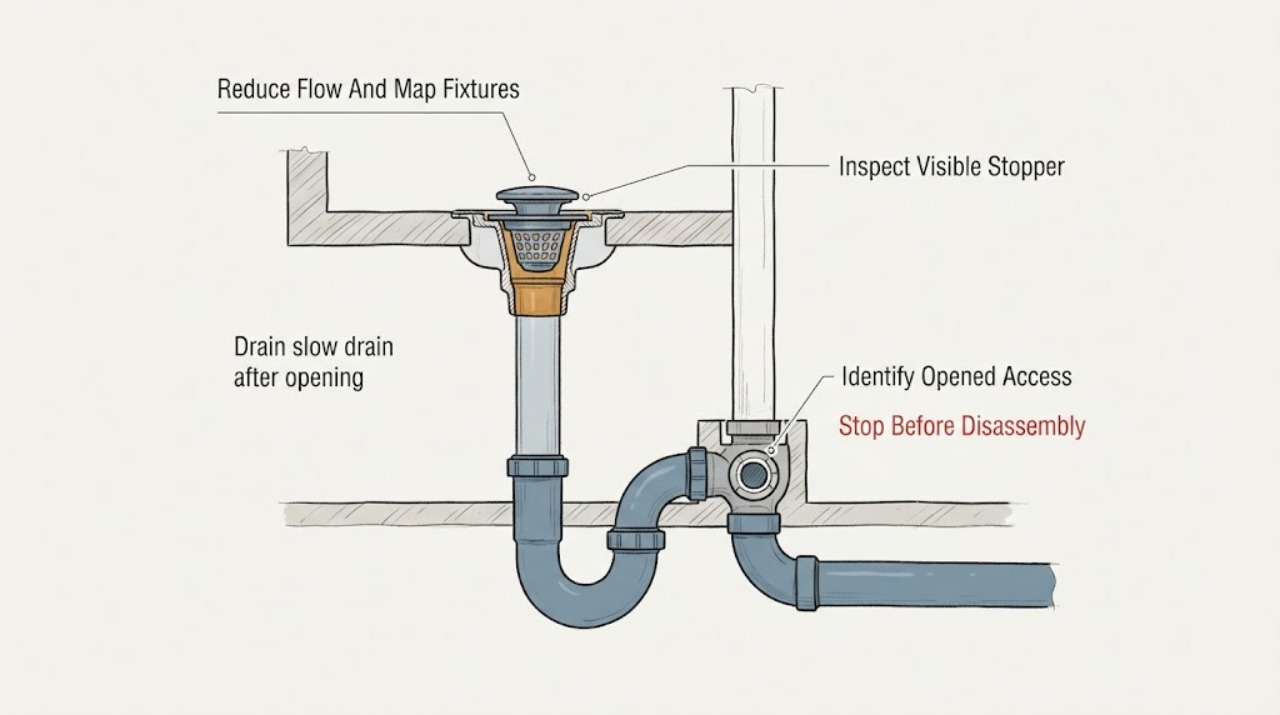
Drain slow drain after opening: find the blockage safely
If a drain is still slow after you opened a stopper, strainer, cleanout, or other accessible opening, first identify exactly what was opened and whether the symptom is limited to one fixture. A visible hair or soap obstruction at a stopper or strainer can sometimes be removed from ordinary safe access, but a slow drain after the opening is clear can be farther down the branch, related to the trap, vent, or main drain.
-
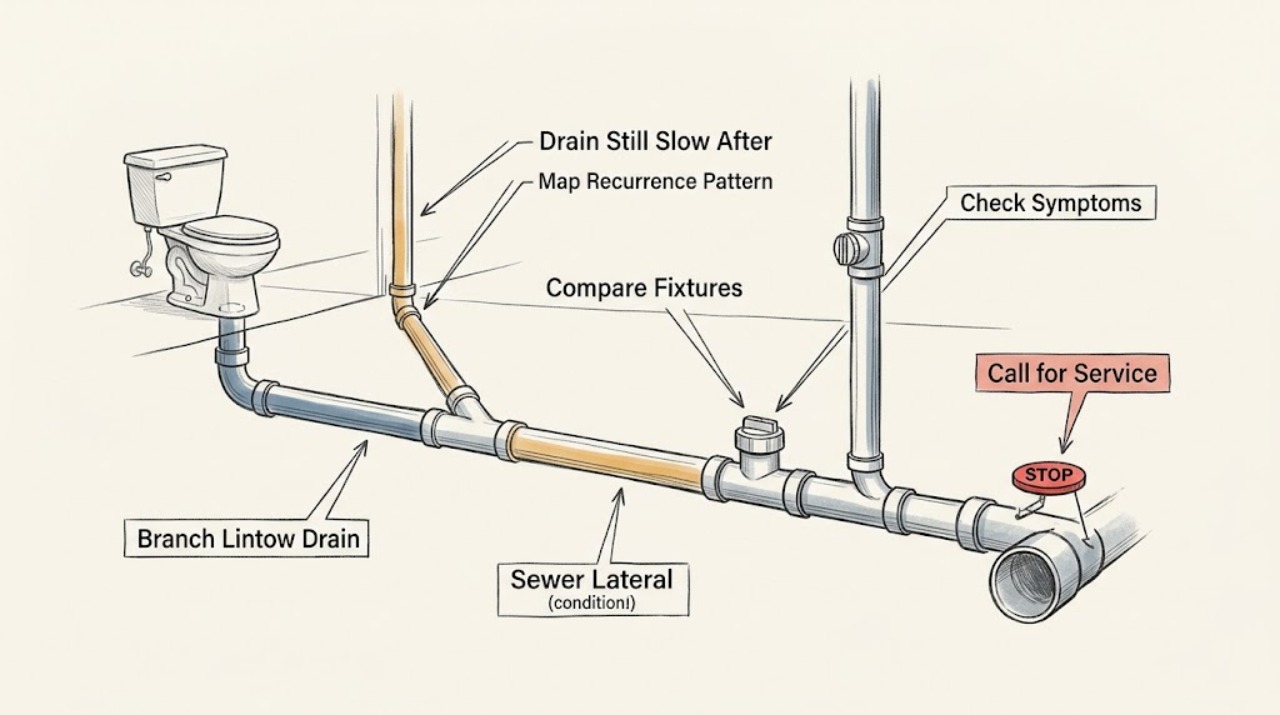
Drain Still Slow After a Plumber Snaked It: What to Check Next
If a drain is still slow after a plumber snaked it, do not assume the first obstruction was completely removed or that the same section is the cause. Record whether the problem is one fixture or several, whether it returned immediately or after days, and whether you hear gurgling, smell sewage, or see water backing up.
-
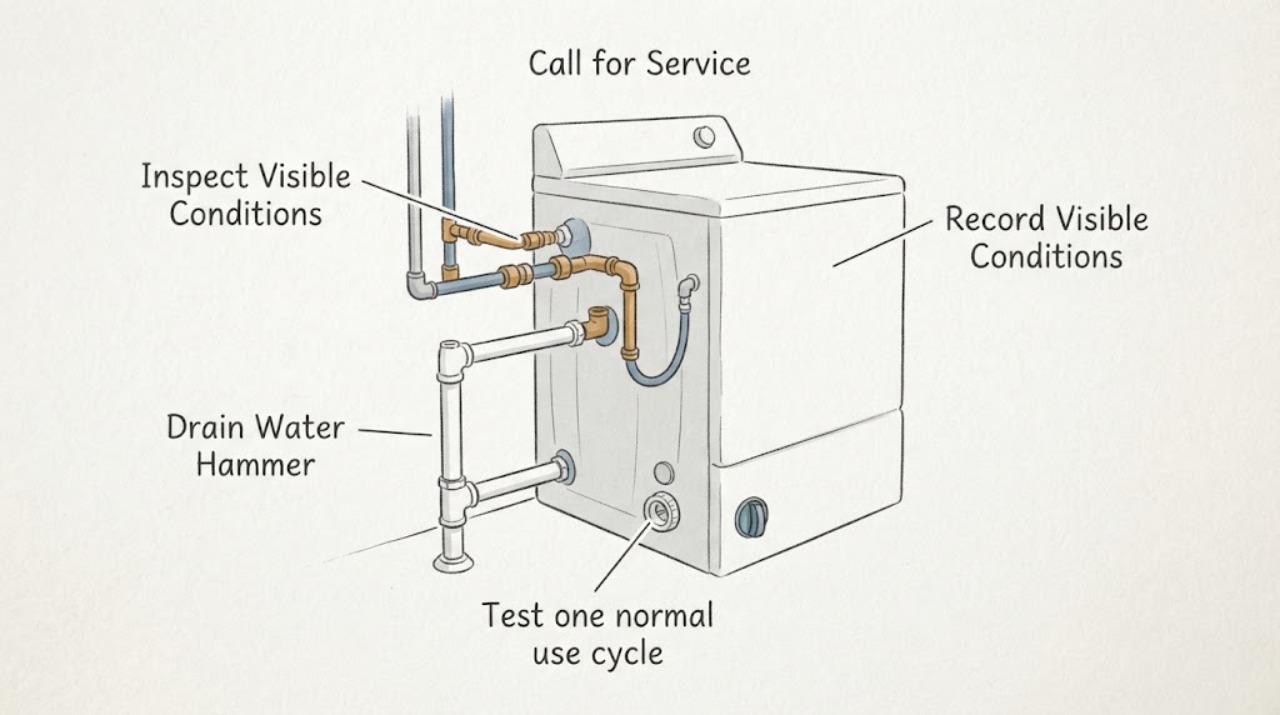
Drain Water Hammer: Identify the Noise Safely
A bang described as drain water hammer is often not coming from the drain itself. True water hammer is a pressure shock in a pressurized supply pipe when a fast-closing valve stops moving water; a thump that occurs as a sink, washer, or dishwasher drains can instead be noisy drainage, pipe contact, a loose support, or a vent or flow problem.
-
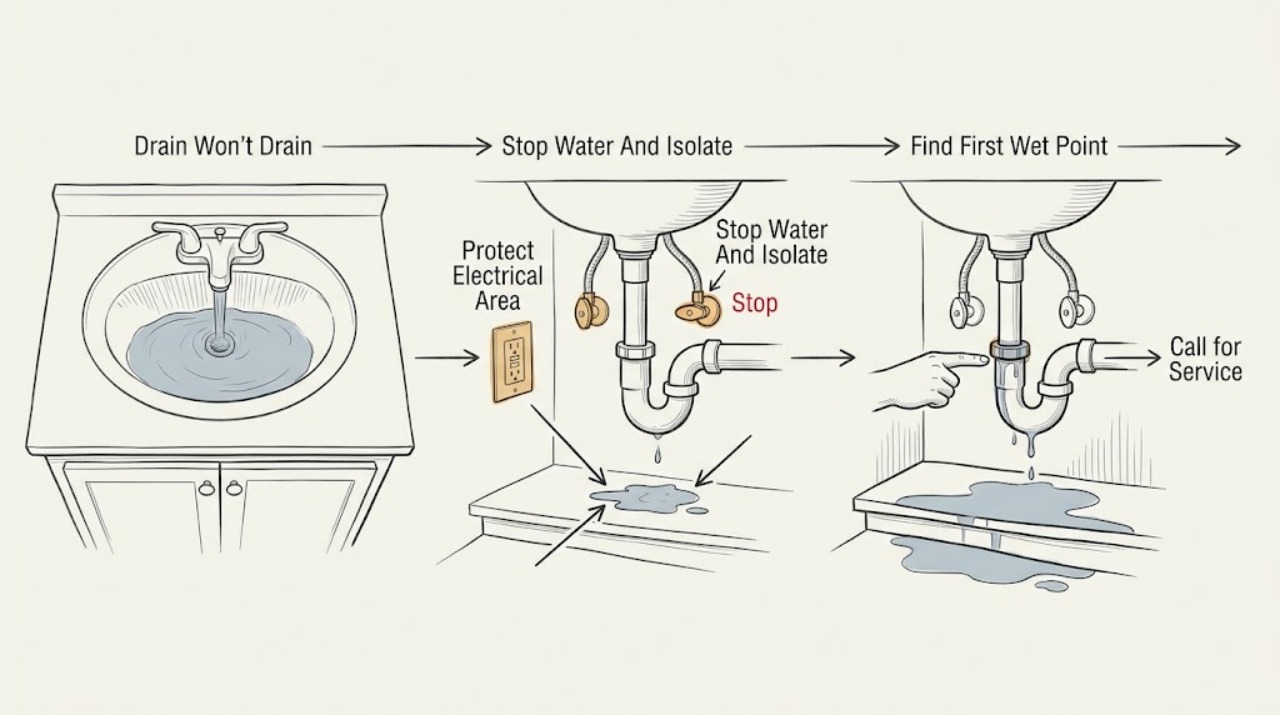
Drain Won't Drain in a Bathroom With a Clean-Water Leak: Safe Next Steps
When a bathroom drain will not drain and clean water is also leaking, stop adding water and identify the first wet point before trying to clear anything. Close the nearest fixture shutoff or the home's water supply if the leak is on the supply side; keep water away from electrical equipment and do not stand in it to reach a switch.
-
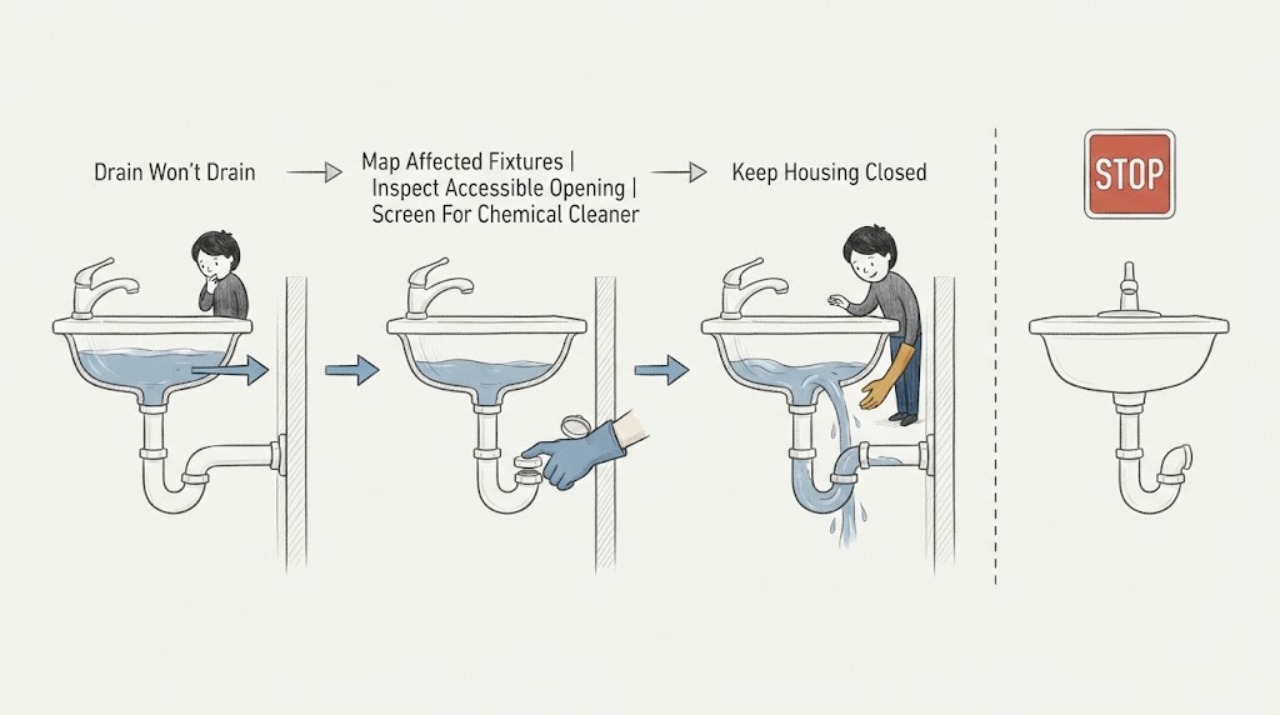
Drain Won't Drain: Safe Checks Before Calling a Plumber
When a drain will not drain, first determine whether the problem is limited to one fixture or affects several drains. A single sink, tub, or shower often points to a local stopper, trap, or branch blockage; slow or backed-up fixtures throughout the home can indicate a larger private sewer line or main-line problem.
-
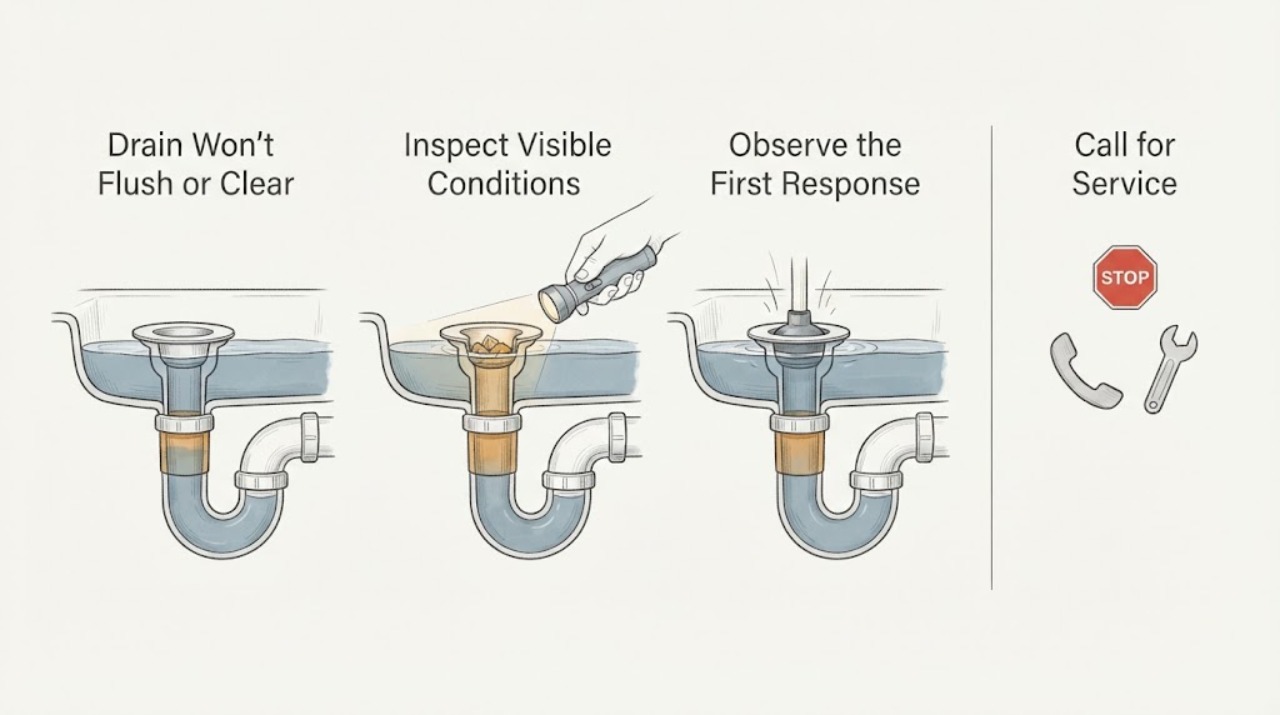
Drain Won't Flush or Clear: Check for a Local Clog or Sewer Backup
If a household drain will not flush or clear, water is usually being held by a local clog, a full trap, or a blockage farther down the branch or sewer line. First check whether one fixture is affected or several, and stop adding water if anything is backing up.
-
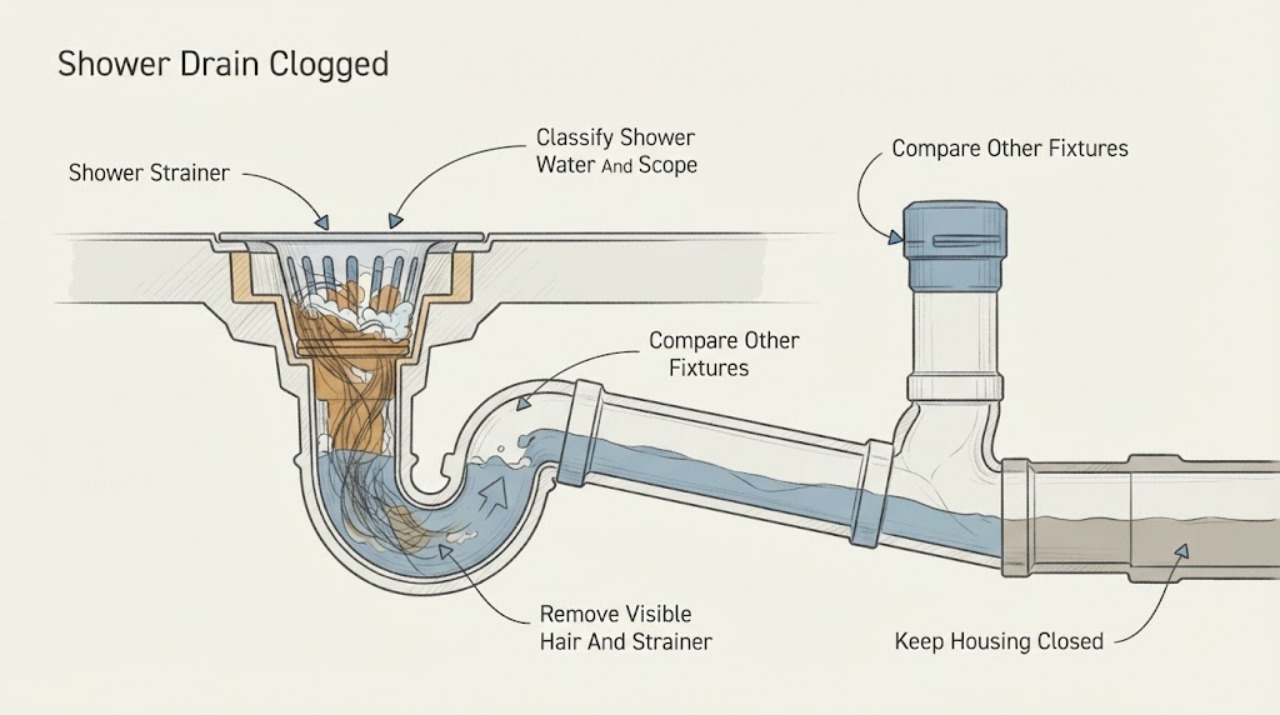
Shower Drain Clogged: Clear Hair Safely and Know When to Call a Plumber
Stop the shower and first identify whether water is only slow, pooled shallowly in the tray, rising from another drain, or contaminated and backing up. For a single shower with clear shallow water, remove the strainer if it lifts without force, pull out visible hair and soap, and use a plunger only with enough water to cover its cup and with any nearby overflow opening sealed.
-
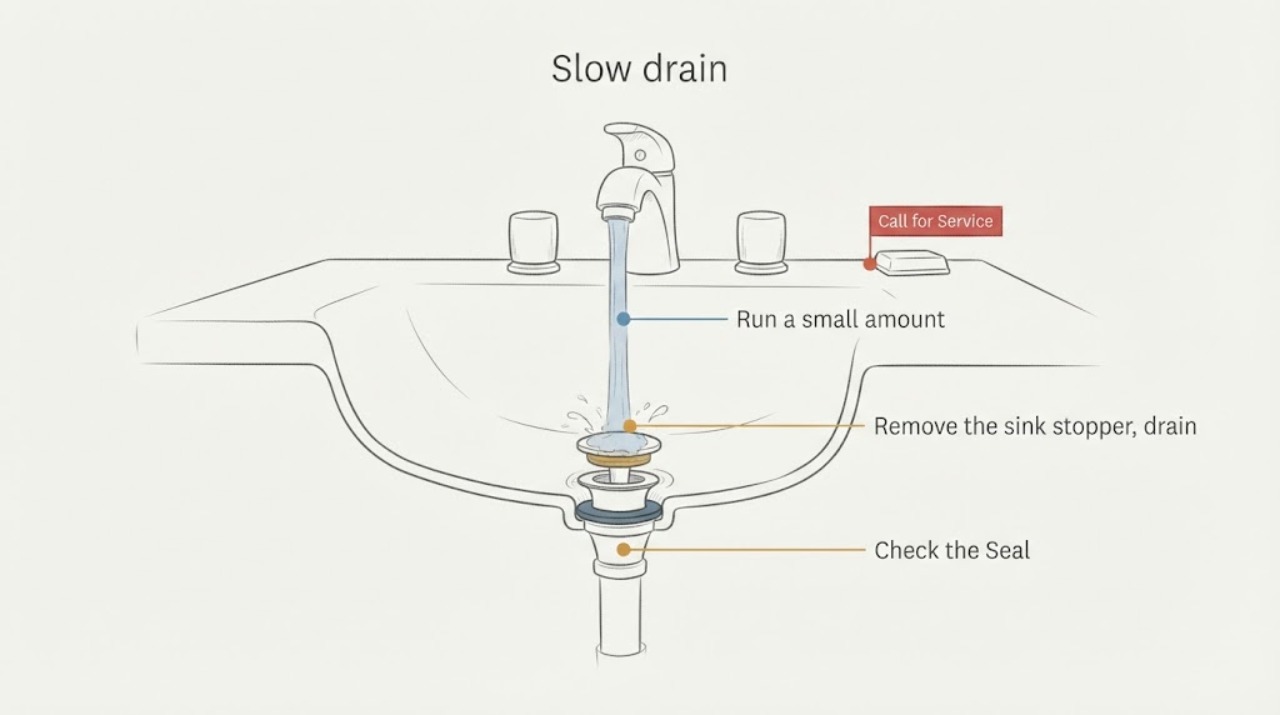
Slow drain: find a local blockage before it becomes a backup
First check whether one fixture is slow or several fixtures are slow. For one sink, remove the stopper or strainer, clear only visible debris, and try a properly sealed manual plunger.
-
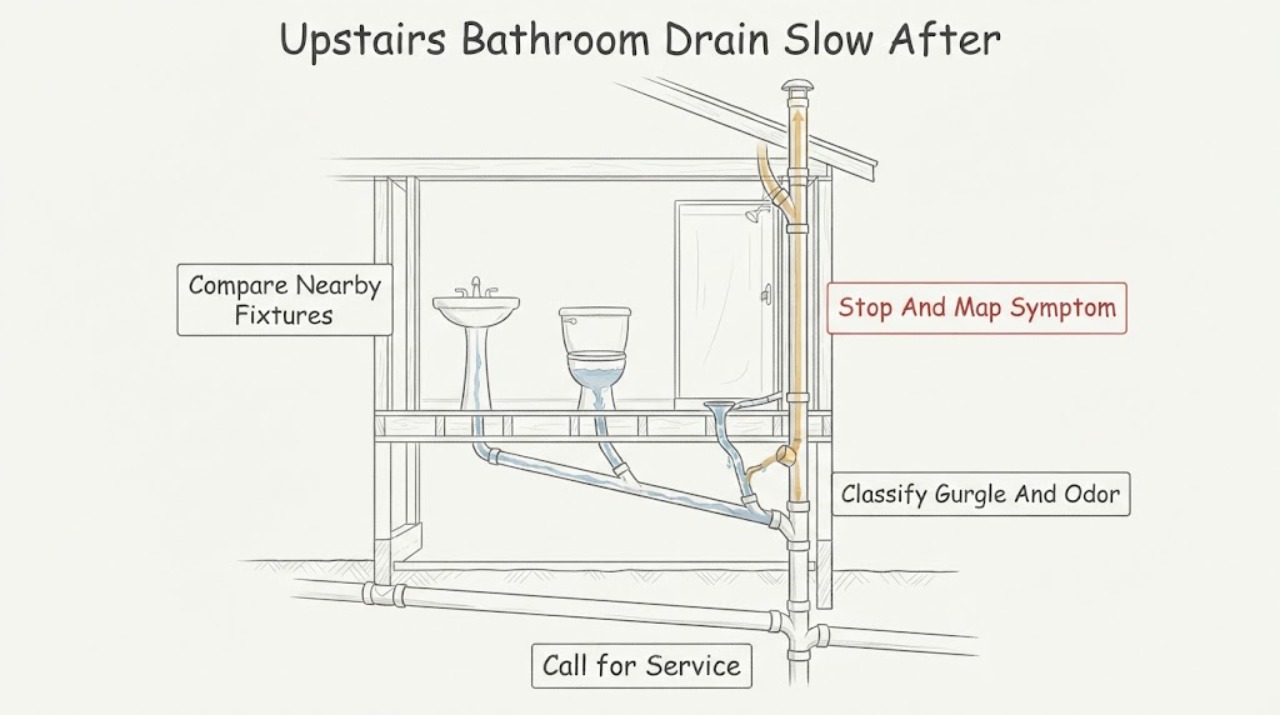
Upstairs Bathroom Drain Slow After Flushing: Branch, Main, or Vent?
If an upstairs bathroom drain becomes slow right after a toilet flush, first treat the timing as a clue rather than proof that the toilet caused the restriction. One sink or tub that is slow with no sound or rise points more toward its stopper, trap, or local branch.
-
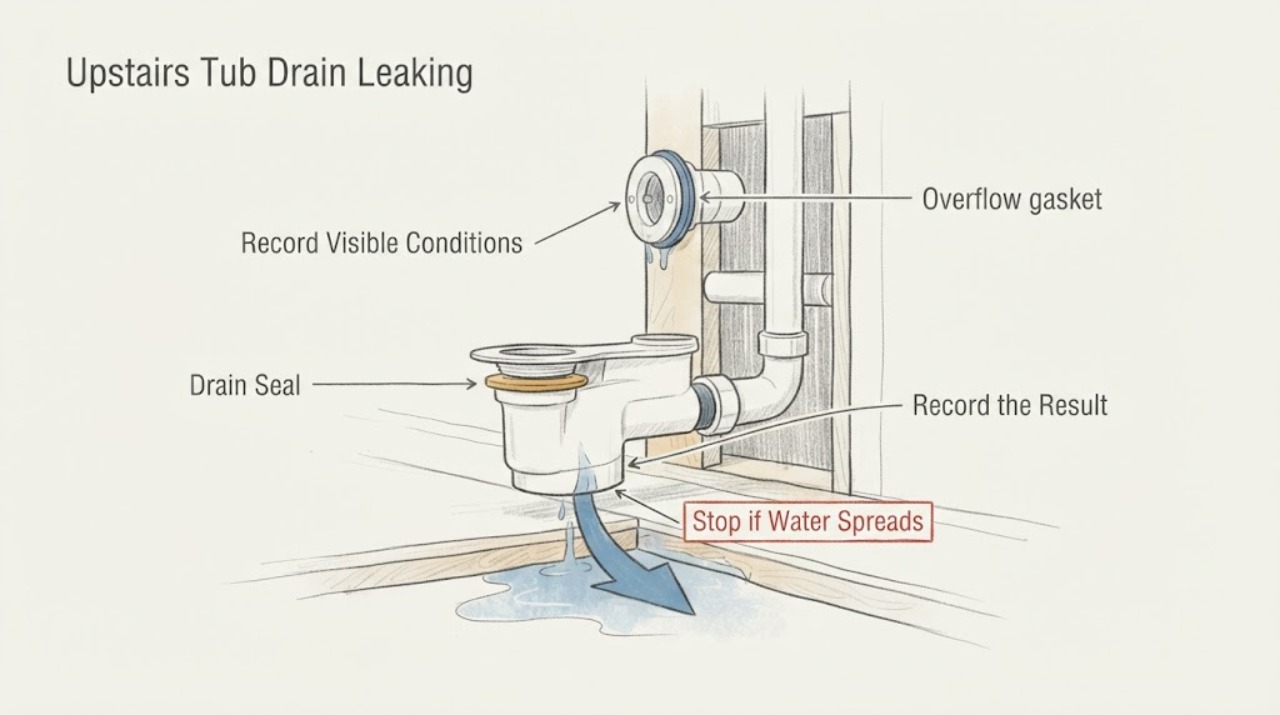
Upstairs Tub Drain Leaking: Find the Trigger Before More Water Reaches the Ceiling
Stop using the upstairs tub until you know when the leak starts. If water appears only while the tub is draining, the drain opening, overflow-and-drain assembly, trap, or connected waste line is more likely than the supply.
-
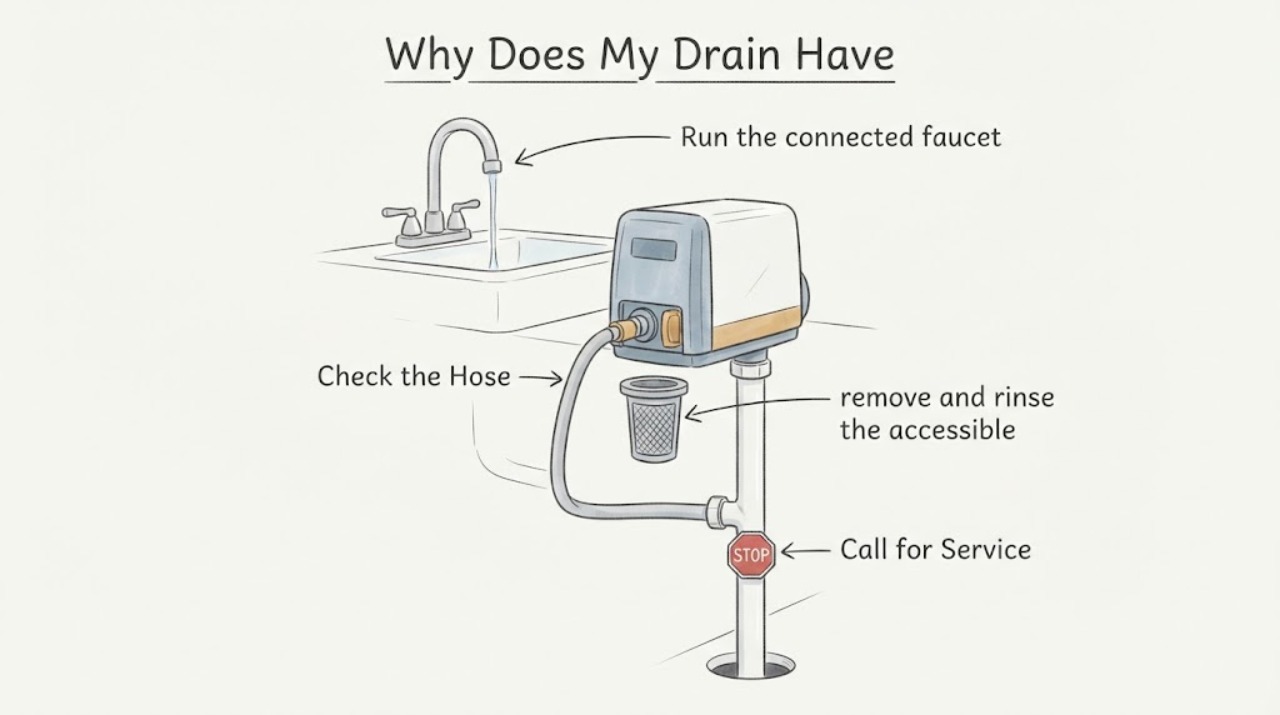
Why Does My Drain Have Low Water Pressure?
A drain does not normally have incoming water pressure; it carries water away by gravity and a vented drainage path. First decide whether the connected faucet or shower has a weak stream, or whether the basin, tub, or floor drain empties slowly.