
Repair problem
Making Noise Troubleshooting Guides – Page 5
Published FixGraph guidance for diagnosing and responding to making noise.
Matching published guides
Choose a guide that matches the service, equipment, and conditions you are seeing.
-
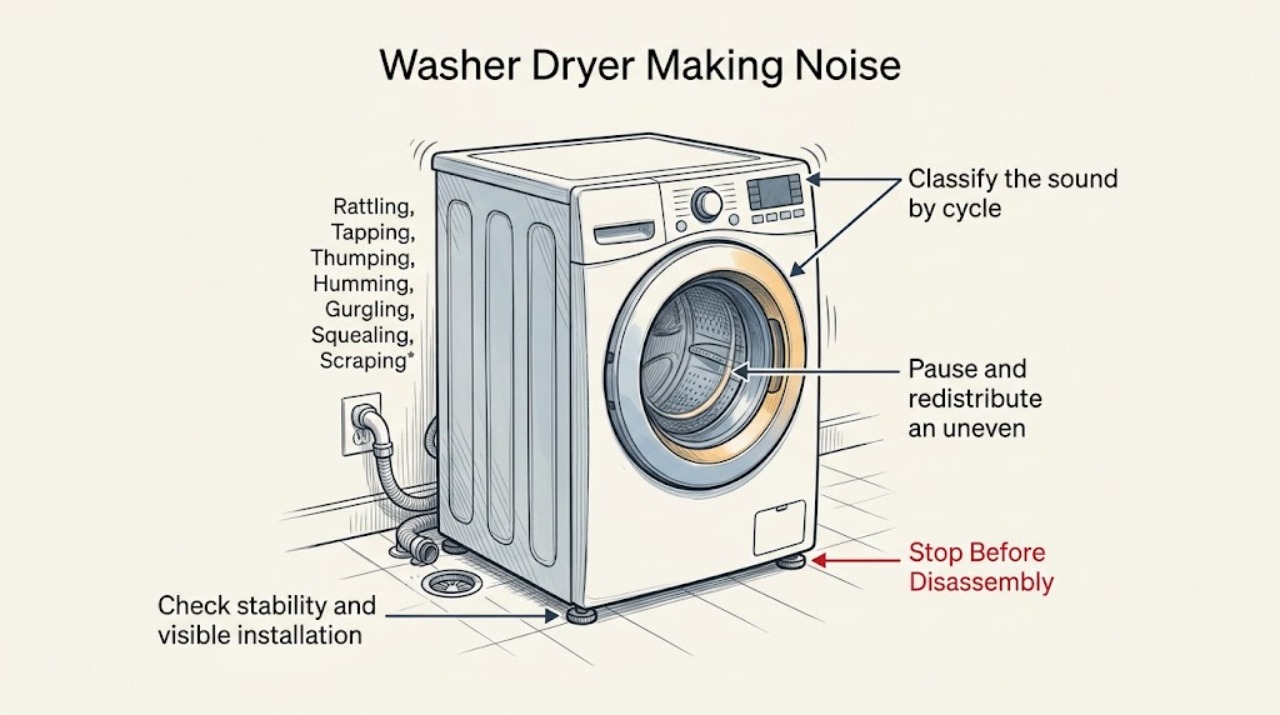
LG Washer Dryer Making Noise: Separate Load, Installation, and Part Problems
Start by identifying when the sound occurs. A thump or rattle during spin commonly follows an uneven load, an unleveled machine, shipping hardware left after installation, or contact with a nearby cabinet; a clack can be a coin or other object.
-
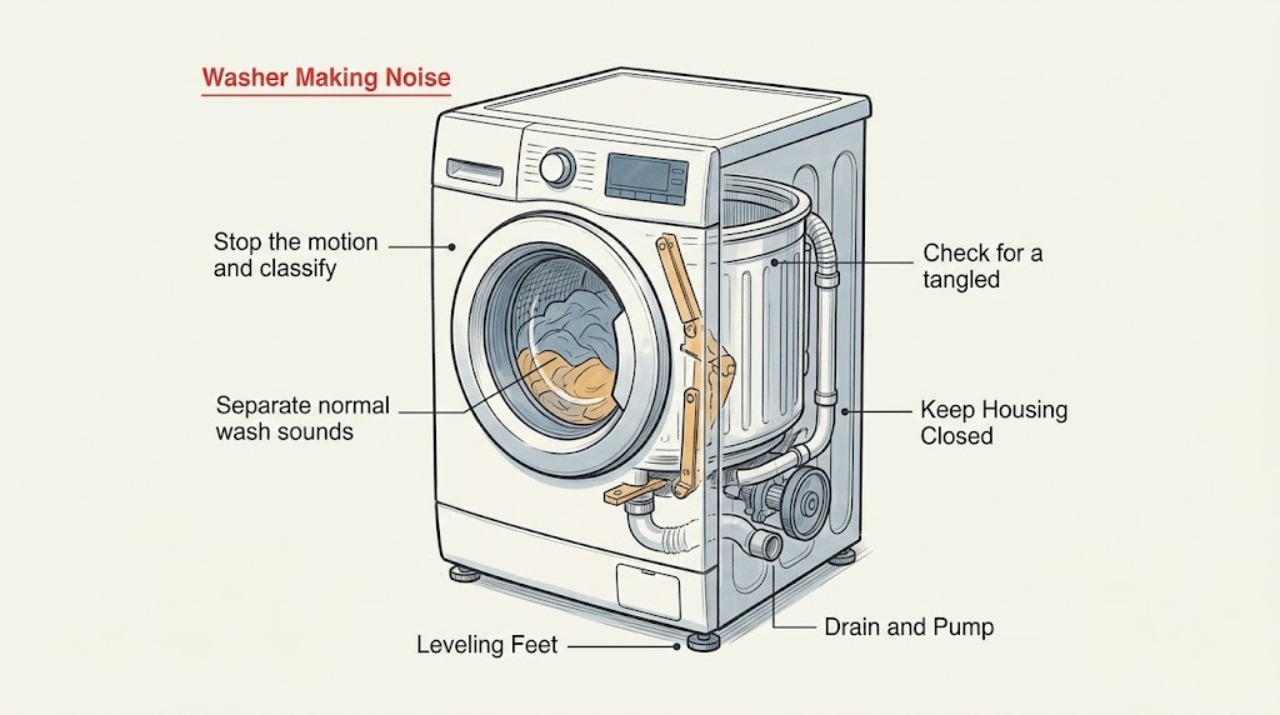
LG Washer Making Noise: What to Check and What to Do Next
First identify whether the sound is a normal wash sound, a rattling or clicking sound during washing, a thump or walking movement during spin, or a persistent grinding, scraping, or roaring sound. LG says zippers, buttons, and the sound of laundry falling can be normal, while spin noise is often related to an uneven load, foreign object, unlevel washer, or shipping hardware left after installation.
-
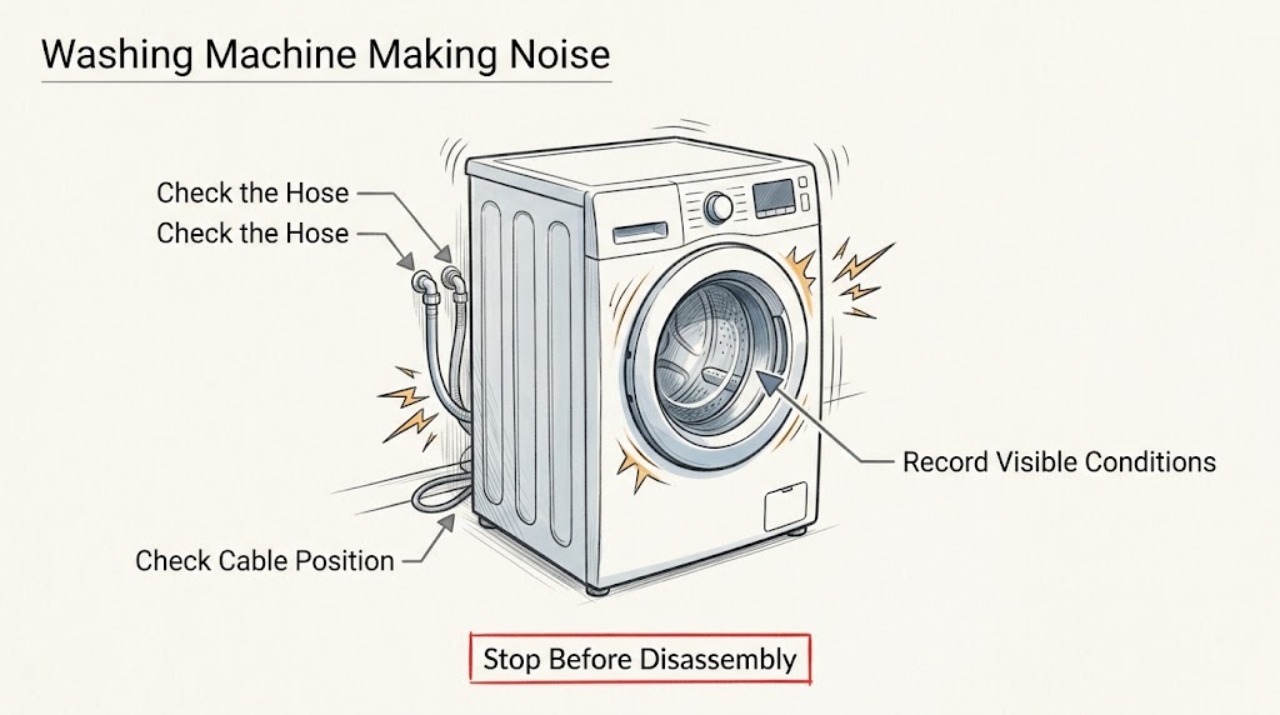
LG Washing Machine Making Noise: Find the Sound by Cycle Stage
An LG washing machine making noise should be diagnosed by when and where the sound occurs: water fill, wash or drum movement, drain, or spin. A brief valve click, water sound, drain-pump hum, convection-like spray sound, or occasional operating click can be normal, while pounding, repeated rattling, metal scraping, a machine that walks, or a sound that continues with an empty drum needs a different check.
-
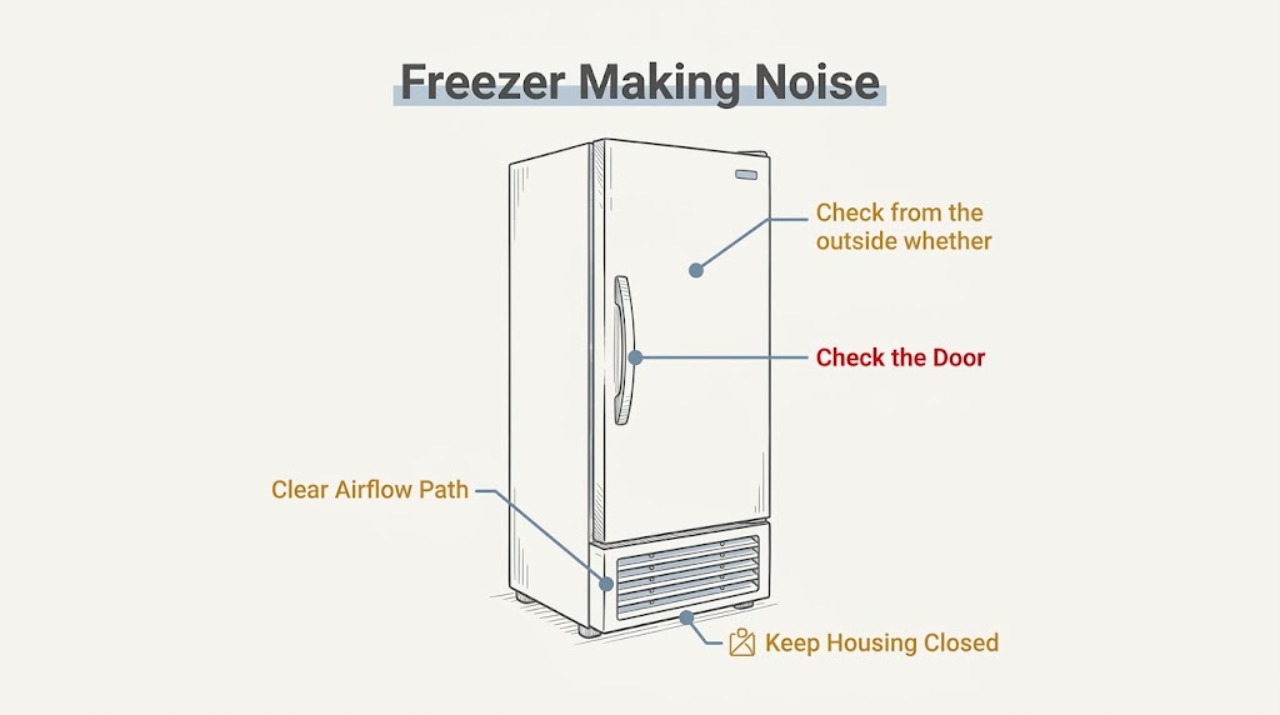
Liebherr Freezer Making Noise: Which Sounds Are Normal and When to Call
Many Liebherr freezer sounds are normal: a hum from the compressor, airflow from a fan, bubbling or gurgling from refrigerant flow, and a quiet click as the cooling system starts or stops. A louder sound can also occur after fresh food is added, a door was open, or a rapid-freezing function is active.
-
Liebherr Refrigerator Making Noise
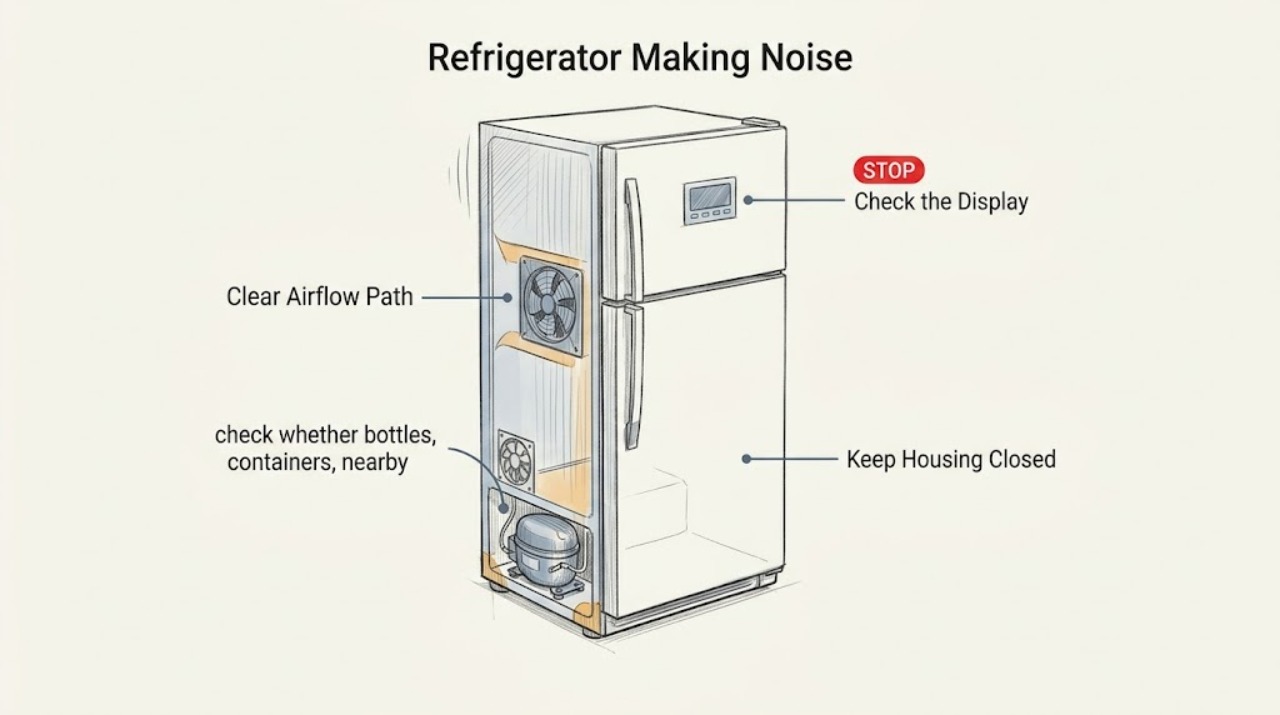
A Liebherr refrigerator can normally click when the refrigeration unit starts, hum as the compressor or fan runs, or gurgle as refrigerant moves. Diagnose an objectionable sound by its timing and location: vibration that changes when bottles or cabinet contact is removed is different from a new grinding sound, repeated fault indication, or noise with poor cooling. Do not open the cabinet to investigate internal refrigeration parts.
-
Magic Chef Freezer Making Noise: Safe Checks for a New Rattle or Hum
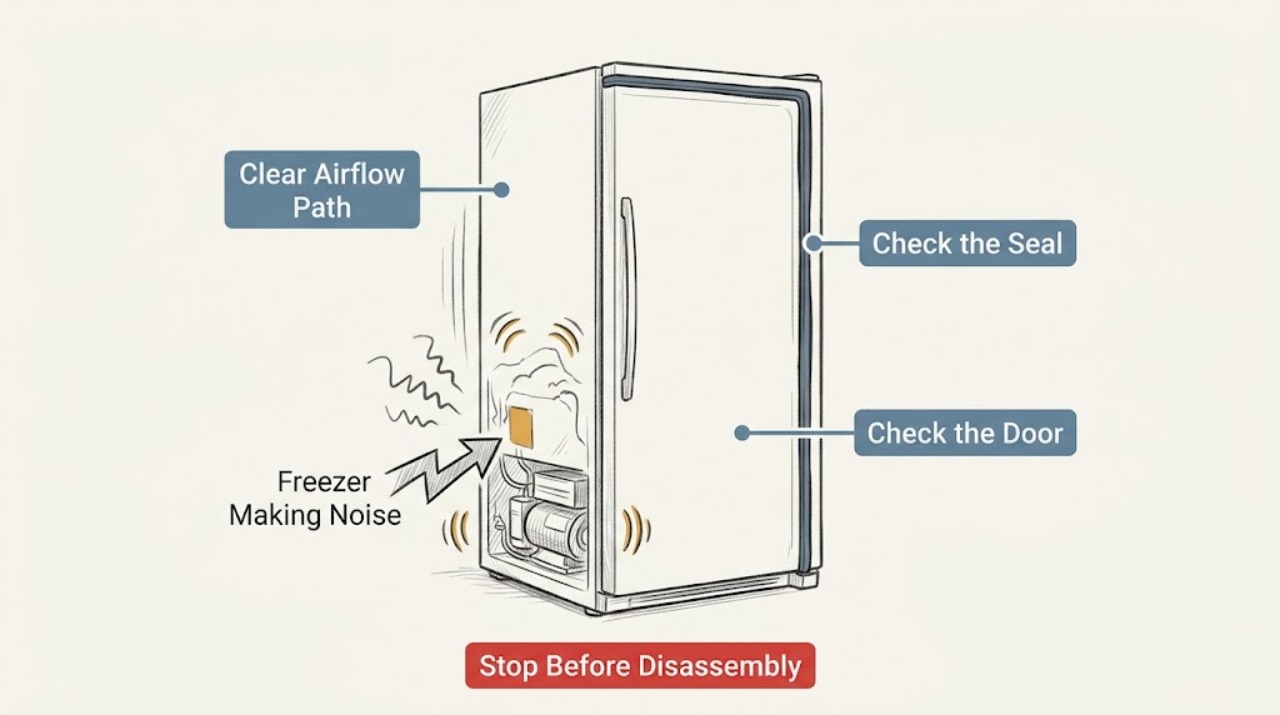
A Magic Chef freezer making noise needs to be sorted by sound and by whether the freezer is still maintaining temperature. First check for objects touching the cabinet and whether the unit is stable; then note whether the sound follows a cooling cycle, changes when the door is opened, or sounds like scraping, grinding, or repeated hard impacts.
-
Magic Chef Oven Making Noise: Identify the Sound Before Using It Again
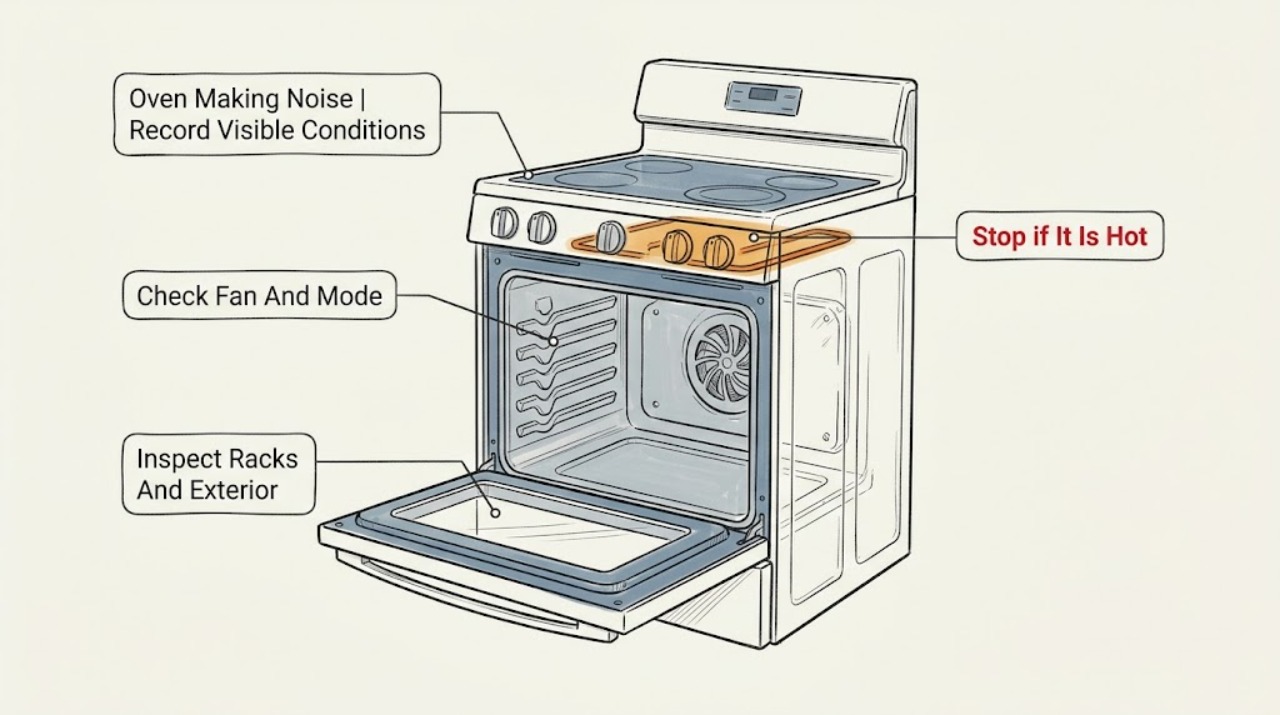
A Magic Chef oven can make a normal fan or relay sound, but the exact model and fuel type matter. Magic Chef lists electric convection wall ovens with a circulating fan and an automatic cooling fan that can continue until the oven is sufficiently cool; that smooth airflow is different from scraping, grinding, repeated harsh clicking, a bang, or a sound accompanied by smoke, gas odor, arcing, or uncontrolled heat.
-
Magic Chef Refrigerator Making Noise: Match the Sound to the Check
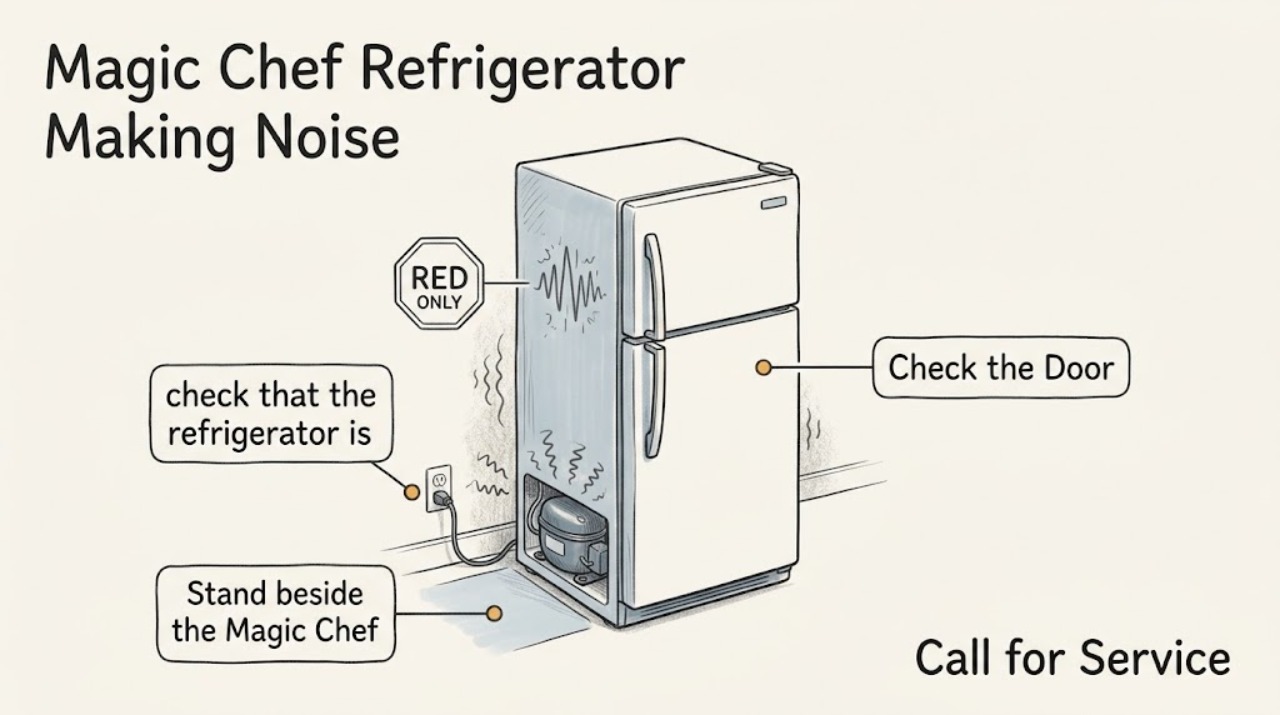
Some Magic Chef refrigerator sounds come from normal compressor or refrigerant operation, but a new rattle, scrape, or vibration deserves a location check. Record whether the sound follows a cooling cycle, then level the cabinet and separate bottles or shelves that are touching. If the noise is accompanied by heat, a burning smell, a repeated breaker trip, or a refrigerator that is no longer cooling, stop using it and arrange service.
-
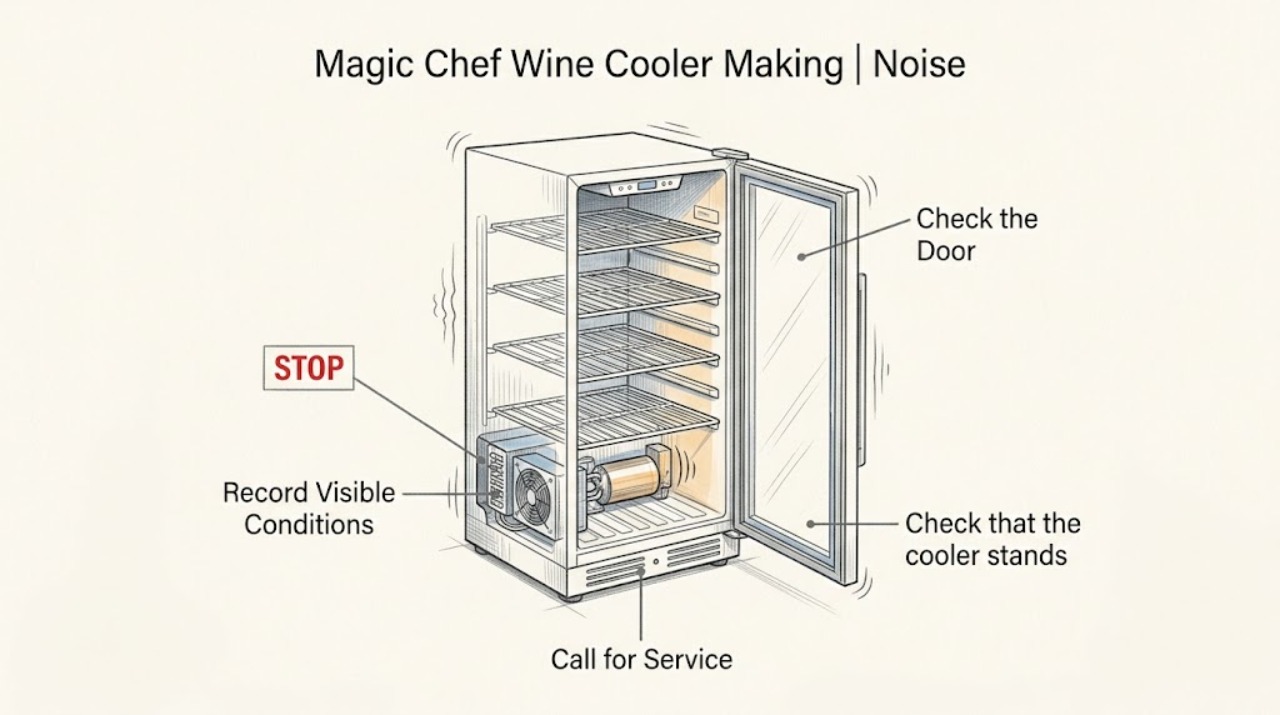
Magic Chef Wine Cooler Making Noise: Distinguish Fan, Vibration, and Cooling Sounds
Some Magic Chef wine cooler noise is normal fan or cooling-system operation, but a new rattle, vibration, scrape, or click should be located before service. Note whether it changes with the fan or temperature cycle, then level the cooler, maintain the model's clearance, and separate bottles or racks that touch. Persistent mechanical noise, loss of cooling, water, smoke, or a burning smell warrants qualified service.
-
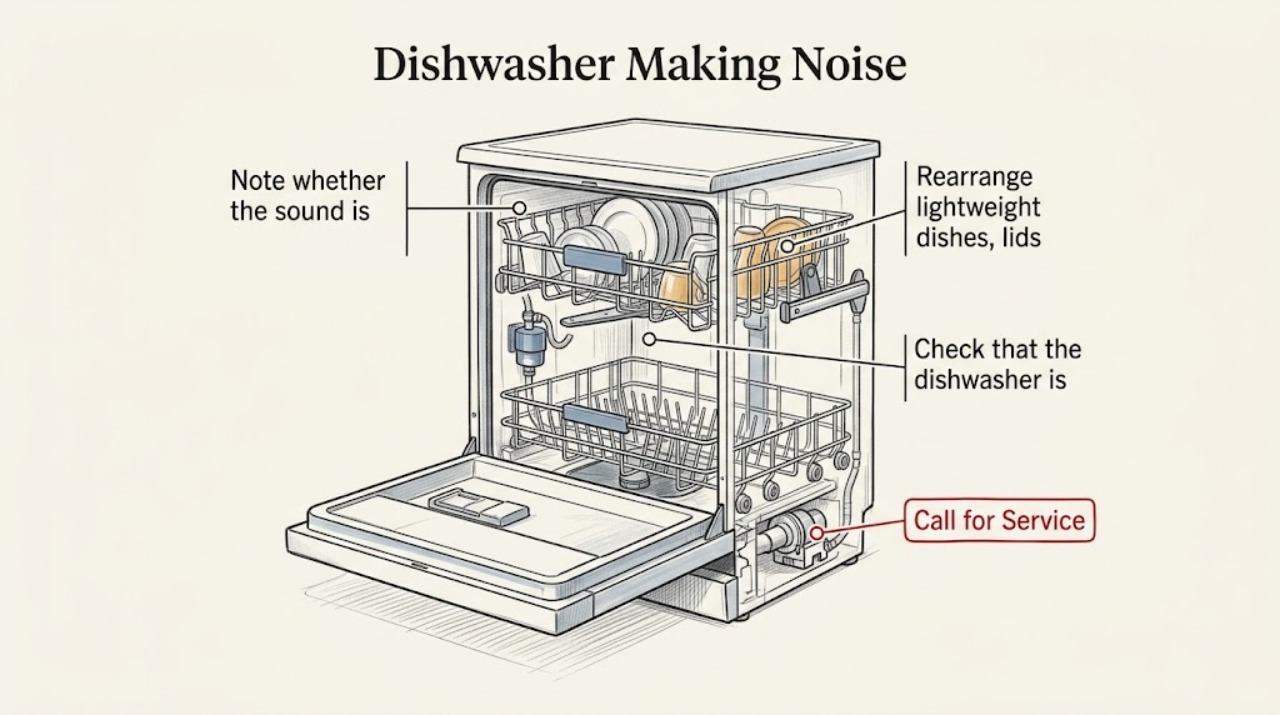
Maytag Dishwasher Making Noise
Identify the sound by when it occurs. Maytag describes rushing water, swishing, a soft drain-pump hum, a brief gurgle, and some clicks as normal cycle sounds. Rattling from loose dishes or a louder vibration from an unlevel or poorly secured unit can be corrected externally; grinding, scraping, smoke, or a new noise with poor operation should stop the cycle and prompt service.
-
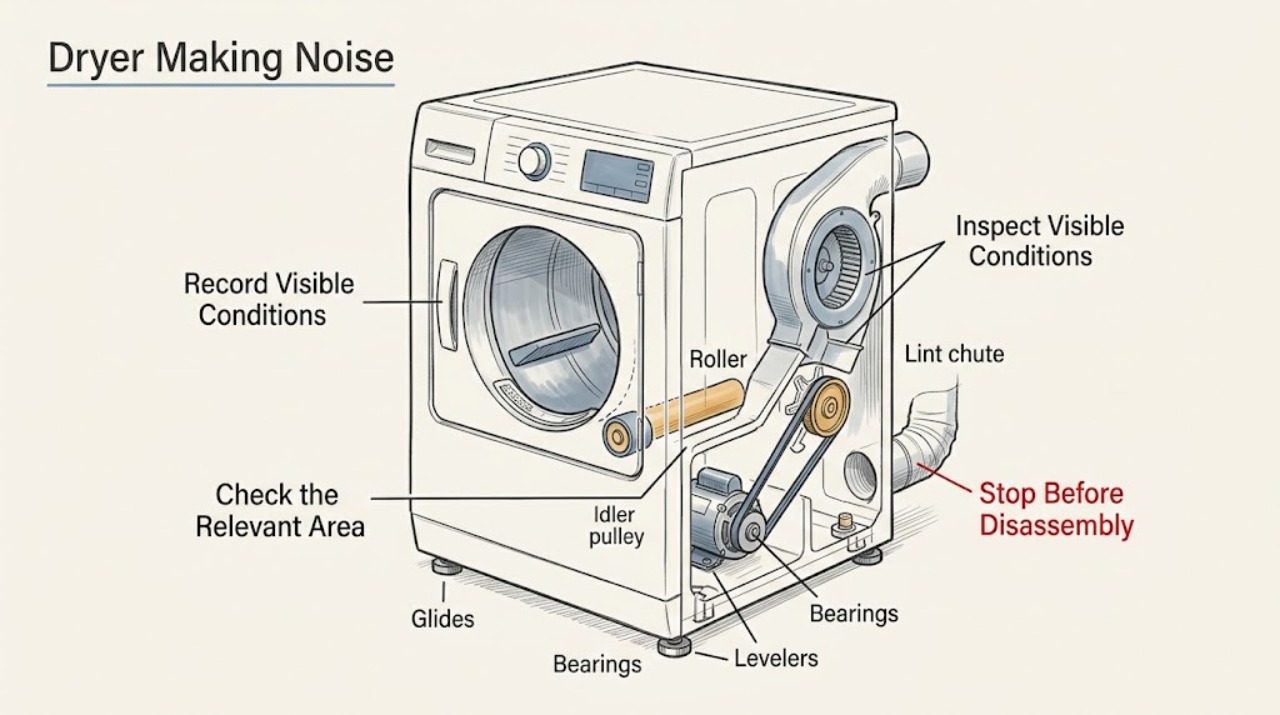
Maytag Dryer Making Noise: Find the Sound Safely
First stop the Maytag dryer if the sound comes with smoke, a burning smell, sparks, excessive heat, a repeated breaker trip, or violent movement. With the dryer off and cool, note whether the noise starts at startup, follows the drum, comes from the blower or exhaust area, or continues after the cycle ends.
-
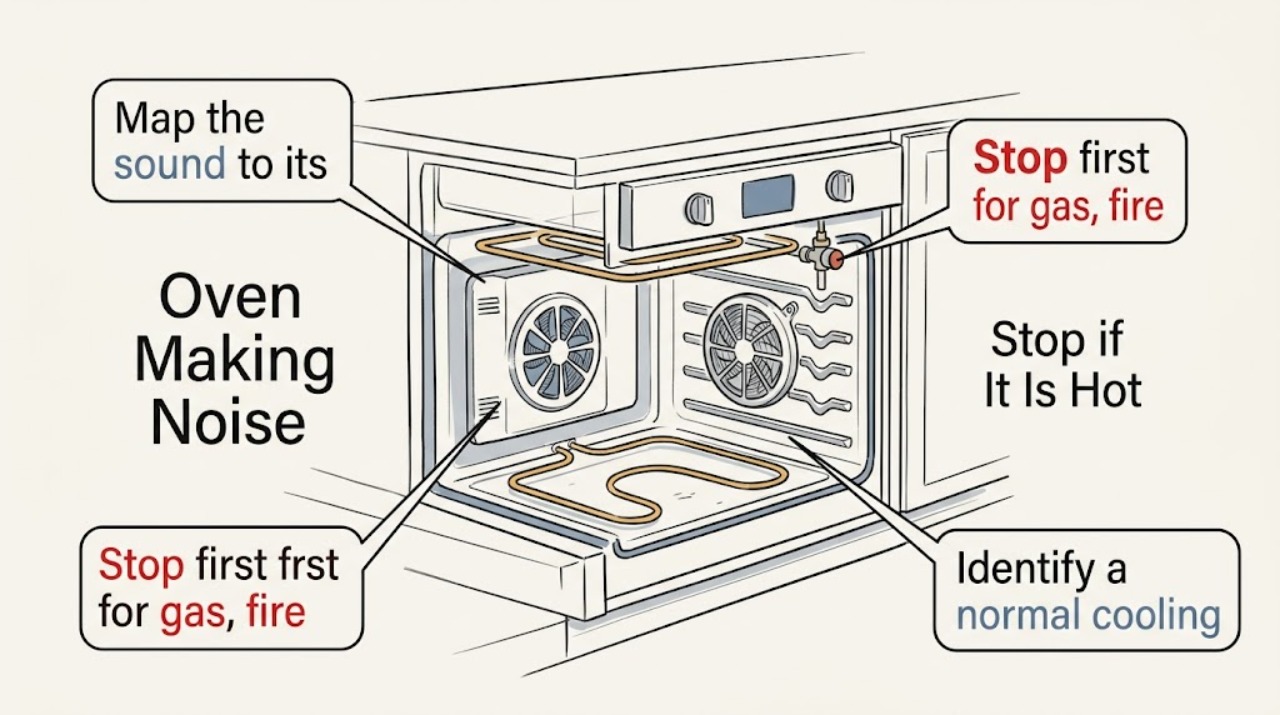
Maytag Oven Making Noise: Normal Sounds and Safe Checks
Many Maytag oven sounds are part of normal operation: a cooling fan can hum during and after a cycle, a convection fan can cycle during preheat or other functions, heating metal can pop or crack as it expands and cools, and a gas valve or igniter can make an occasional pop or brief clicking while ignition is established.
-
Maytag Refrigerator Making Noise: Identify Normal Sounds and Warning Signs
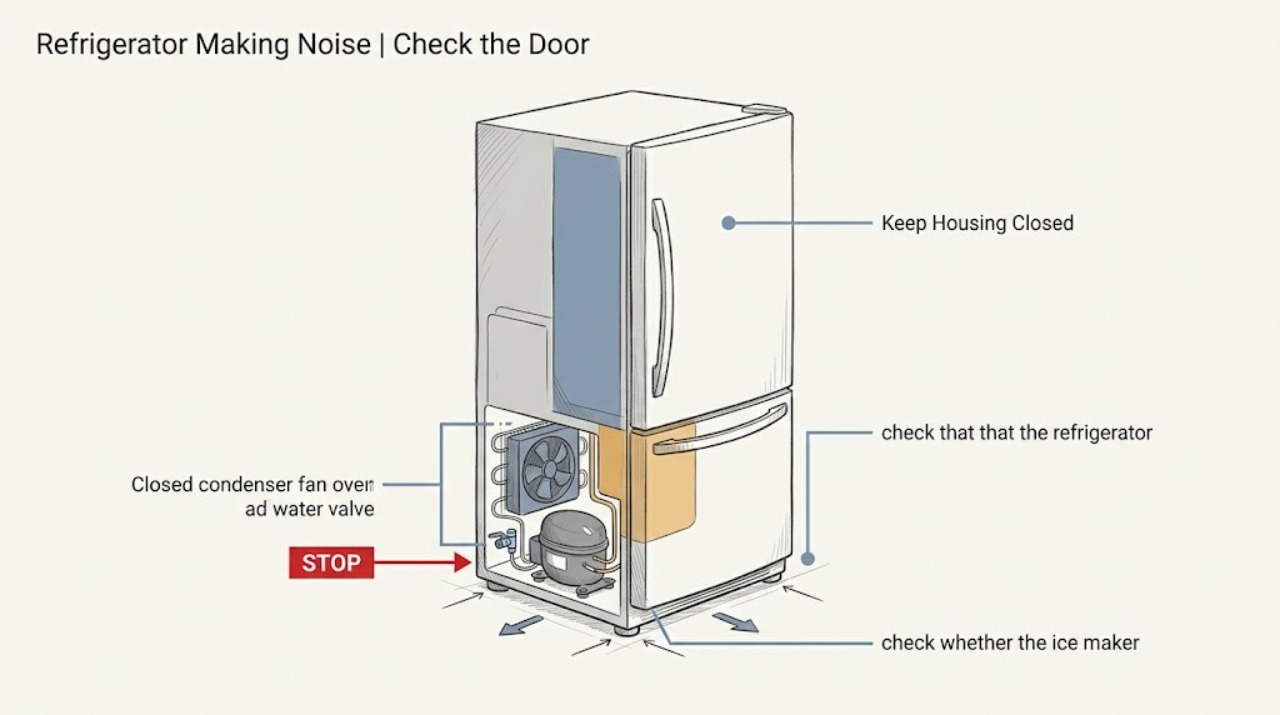
Many Maytag refrigerator sounds are normal: a low hum from the compressor or fans, gurgling from refrigerant or defrost water, and brief clicks or buzzes during control or ice-maker operation. First match the sound to when it occurs, then check leveling, items vibrating on top, and an ice maker that is on without a water supply. A new loud sound accompanied by poor cooling, burning odor, grinding, or repeated electrical trips needs service.
-
Maytag washer making noise: What to Check and What to Do Next
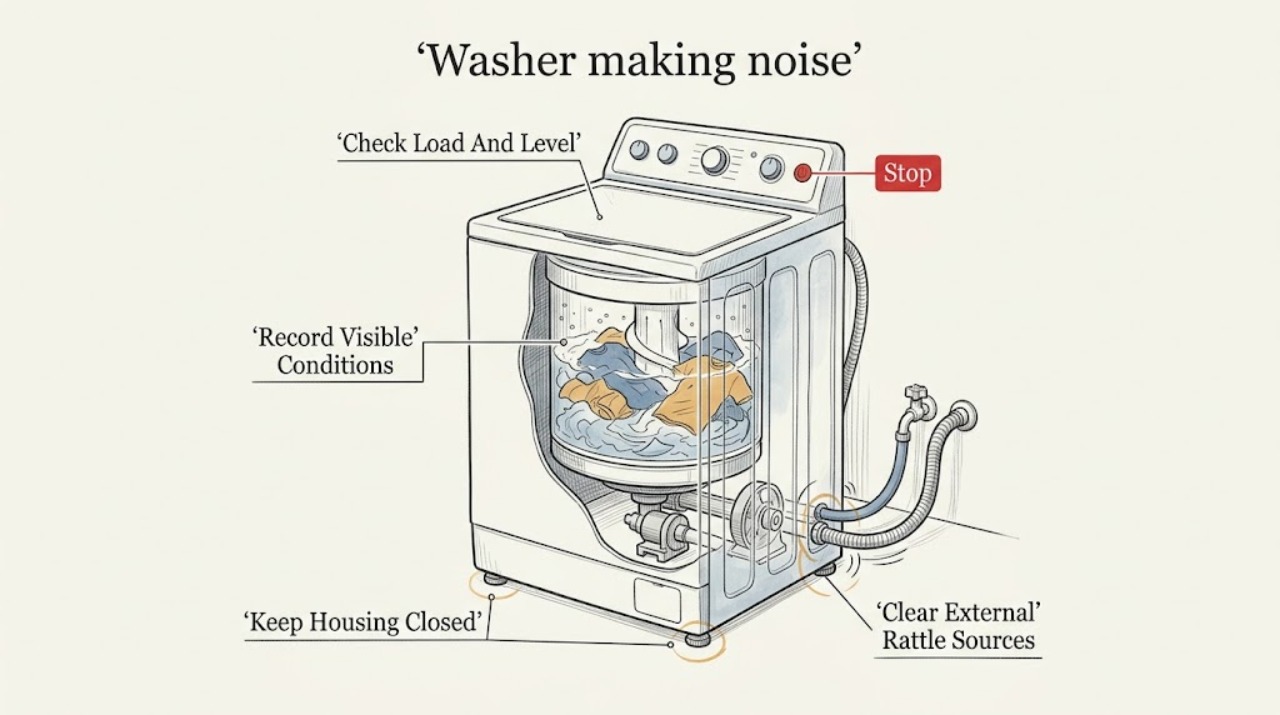
First record the Maytag washer model, whether it is top-load or front-load, the exact sound, and the cycle stage when it occurs. Humming from the motor during wash or spin, water movement during fill, pump humming or gurgling during drain, and a brief click when a lid locks can be normal on some models.
-
Maytag Washing Machine Making Noise: Locate the Sound Safely
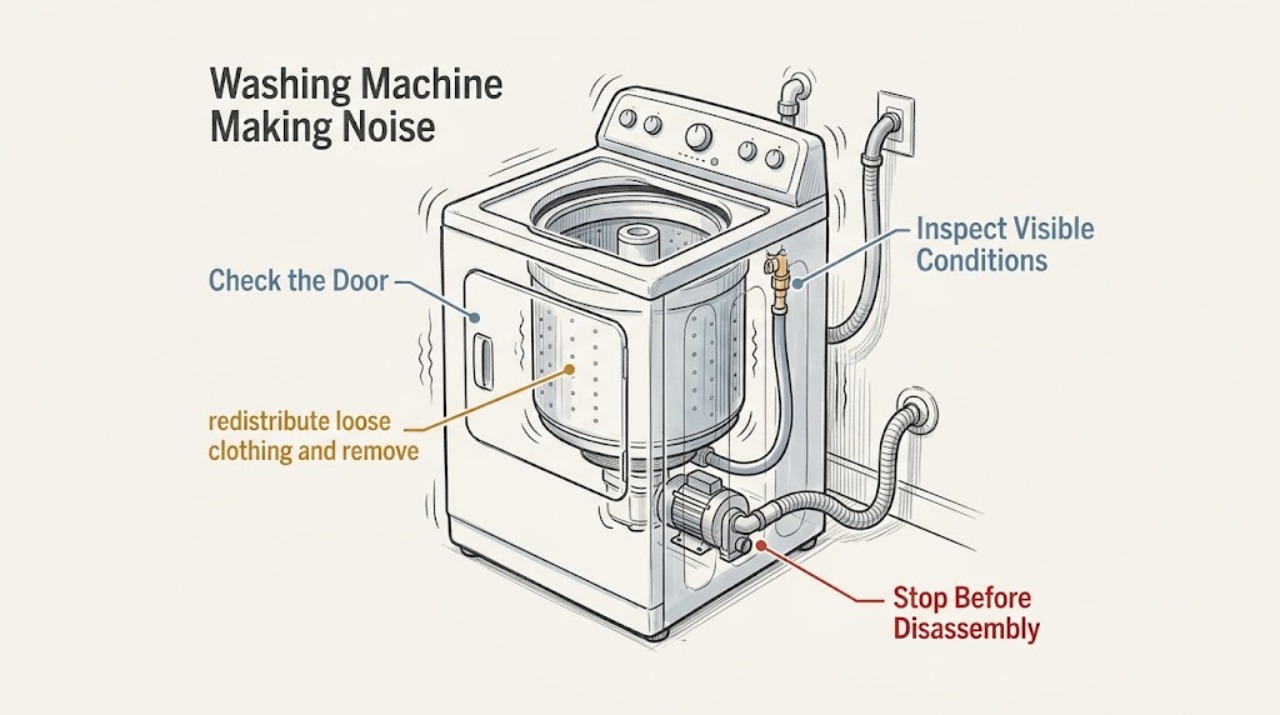
First identify the sound and the cycle phase. Clicking when a lock operates, humming or whirling during agitation or draining, and some gear sounds can be normal on Maytag washers; banging, grinding, rubbing, metal scraping, or a washer that walks across the floor needs closer attention.
-
Microwave Making Noise
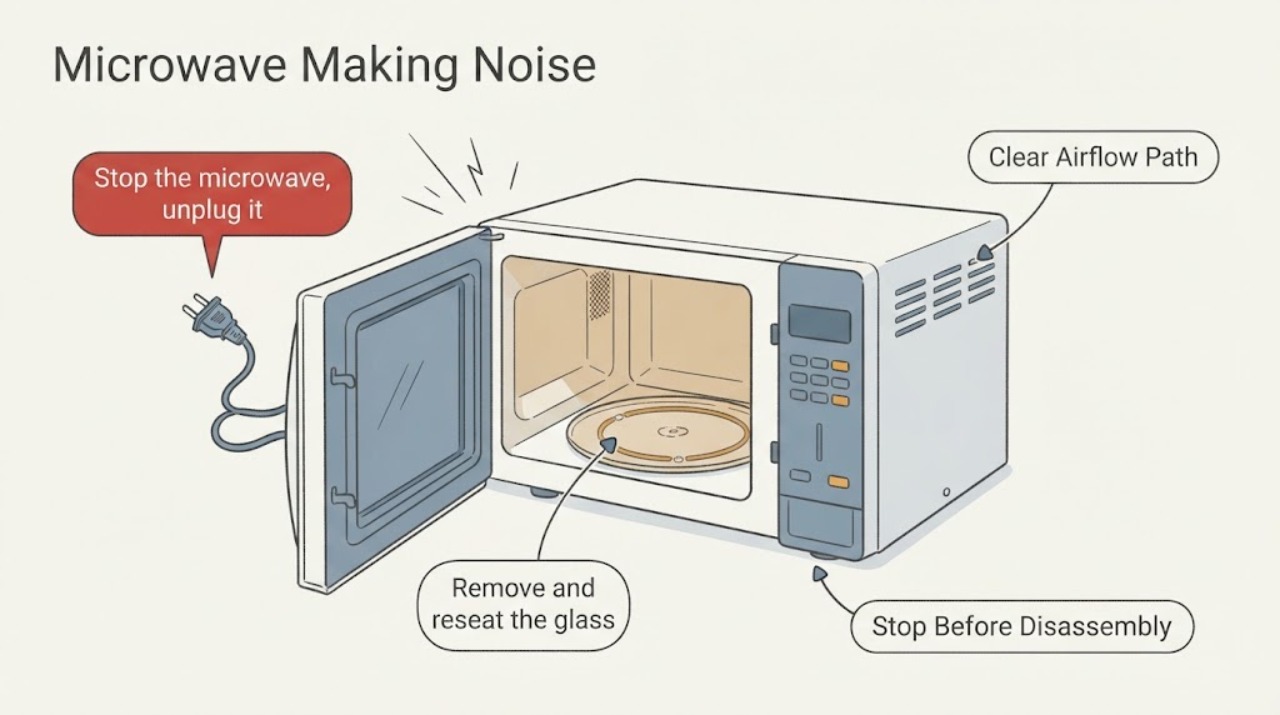
First locate the sound: a rhythmic thump usually follows the turntable or roller path, while a changing vent-fan sound can result from airflow back pressure. Reseat removable parts only after unplugging; persistent grinding, electrical buzzing, smoke, or sparking requires service.
-
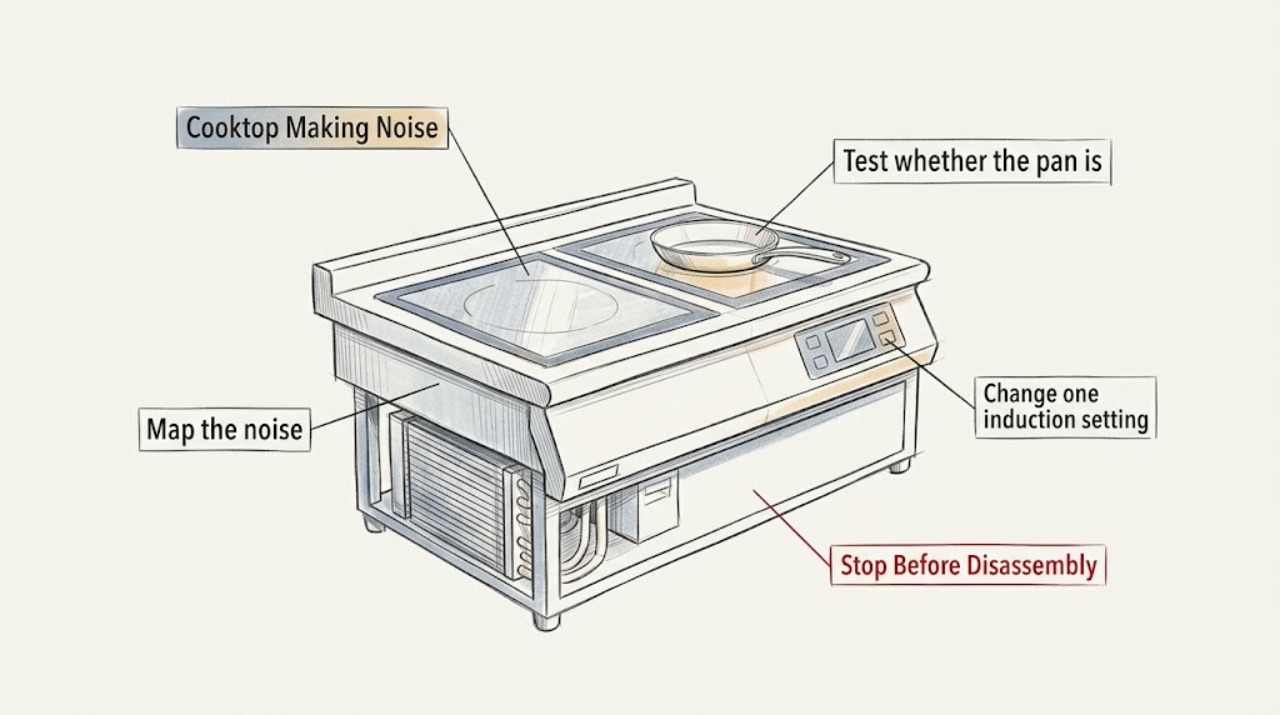
Miele Cooktop Making Noise: Identify Normal Sounds and Faults
A Miele cooktop can make normal buzzing, crackling, whistling, or clicking sounds during induction cooking because of the cookware, power level, or electronic switching. A cooling fan may hum during intensive use and may continue after the cooktop is switched off until it cools.
-
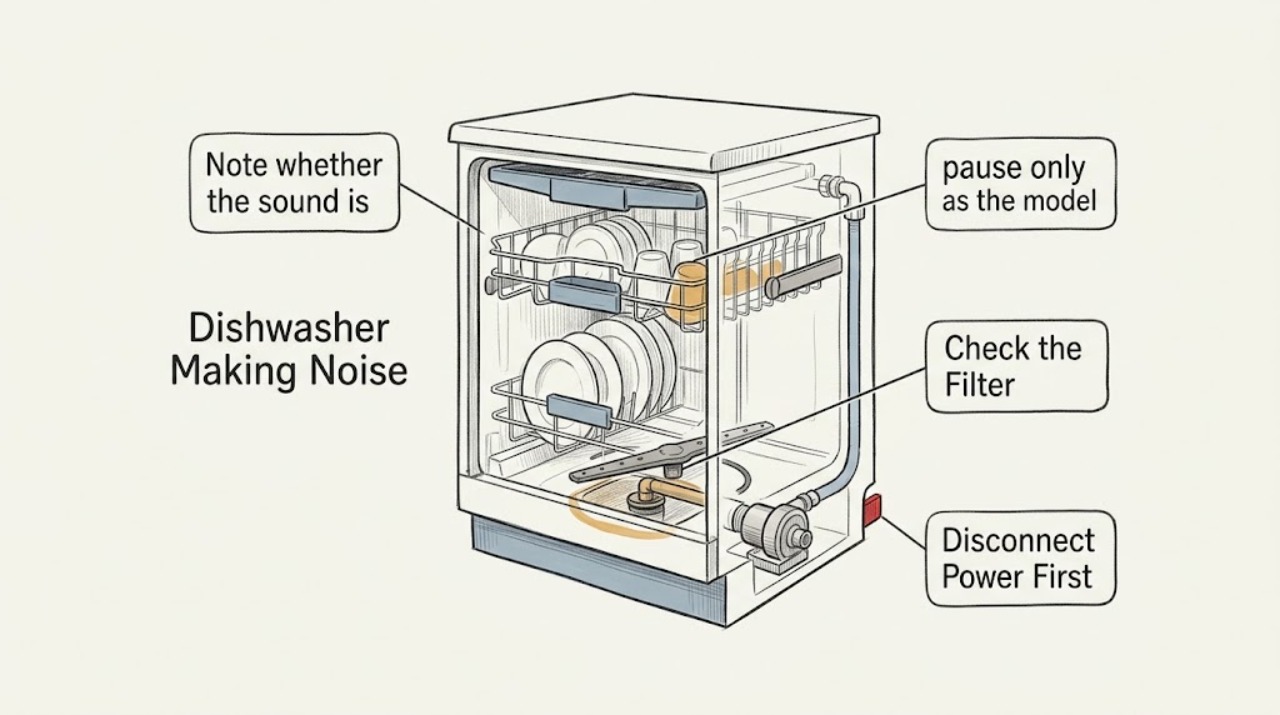
Miele Dishwasher Making Noise: Identify Where the Sound Starts
The timing and location of a Miele dishwasher noise are more useful than the word ‘loud.’ A knock in the wash cabinet can come from a spray arm touching a dish, while rattling can come from loose dishware or a foreign object in the drain pump. Pause safely, identify the stage, and arrange service for a new grinding sound, damaged part, leak, or noise that remains after the accessible checks.
-
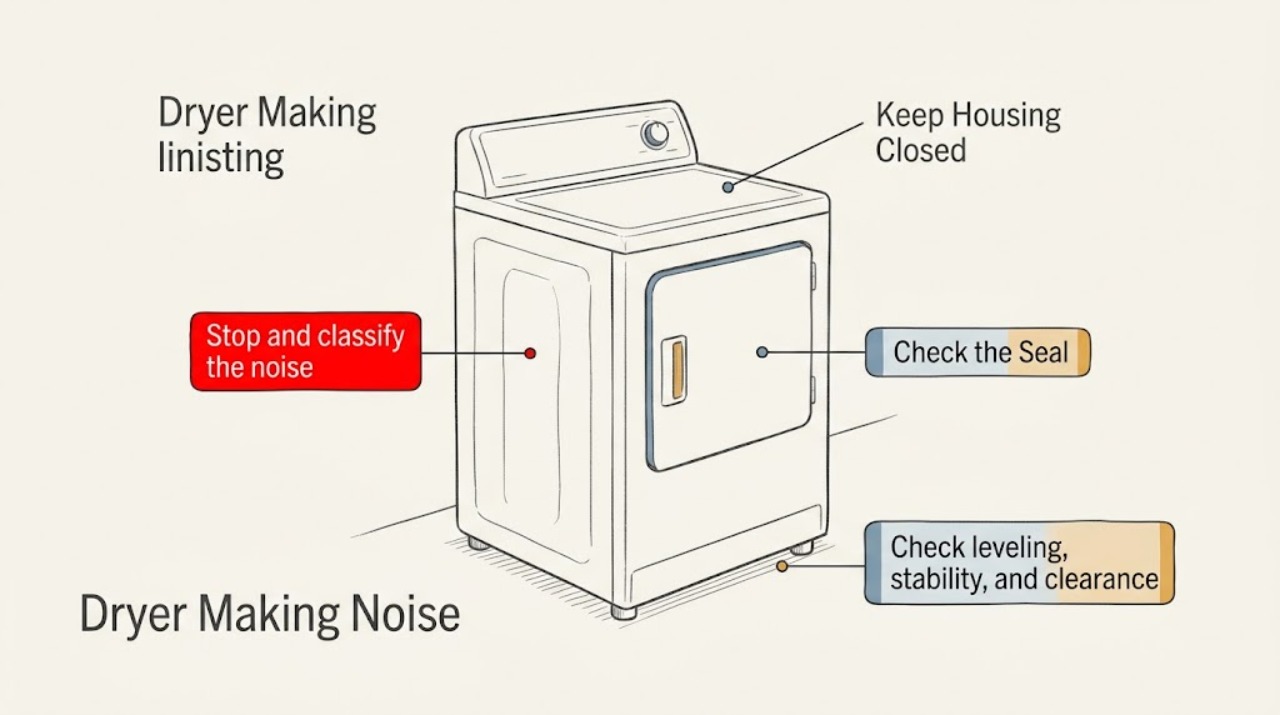
Miele Dryer Making Noise: Identify Normal Sounds and Safe Stop Points
First identify the sound and when it occurs. Miele says a low buzz or hum can be normal when a heat-pump compressor or condensed-water pump operates, rollers can make some rubbing or squeaking, and a cold dryer can make start-up noises for the first few minutes.
-
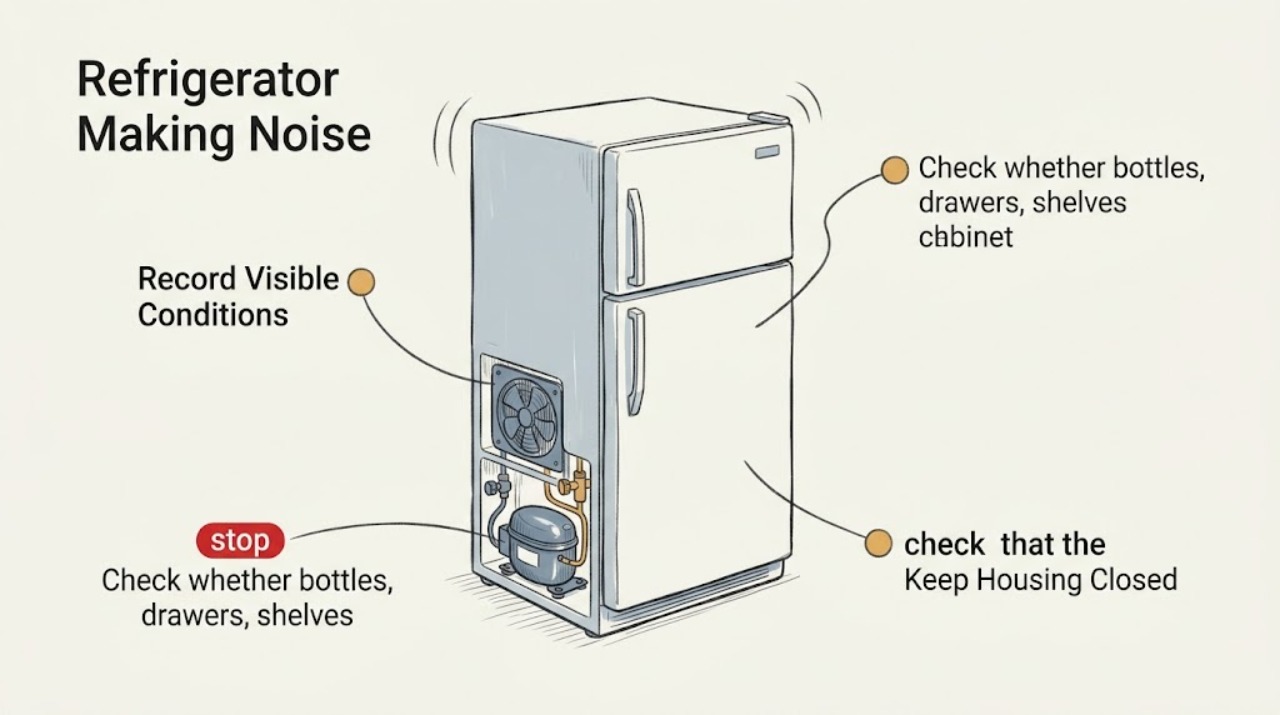
Miele Refrigerator Making Noise: Match the Sound to Its Source
Record when the noise occurs and what it sounds like before assuming a failure. Miele says humming, bubbling, hissing, clicking, whirring, cracking, and valve rattling can be normal refrigeration sounds. A vibrating or rattling cabinet, a sudden change with poor cooling, or a damaged installation needs a separate check and possibly service.
-
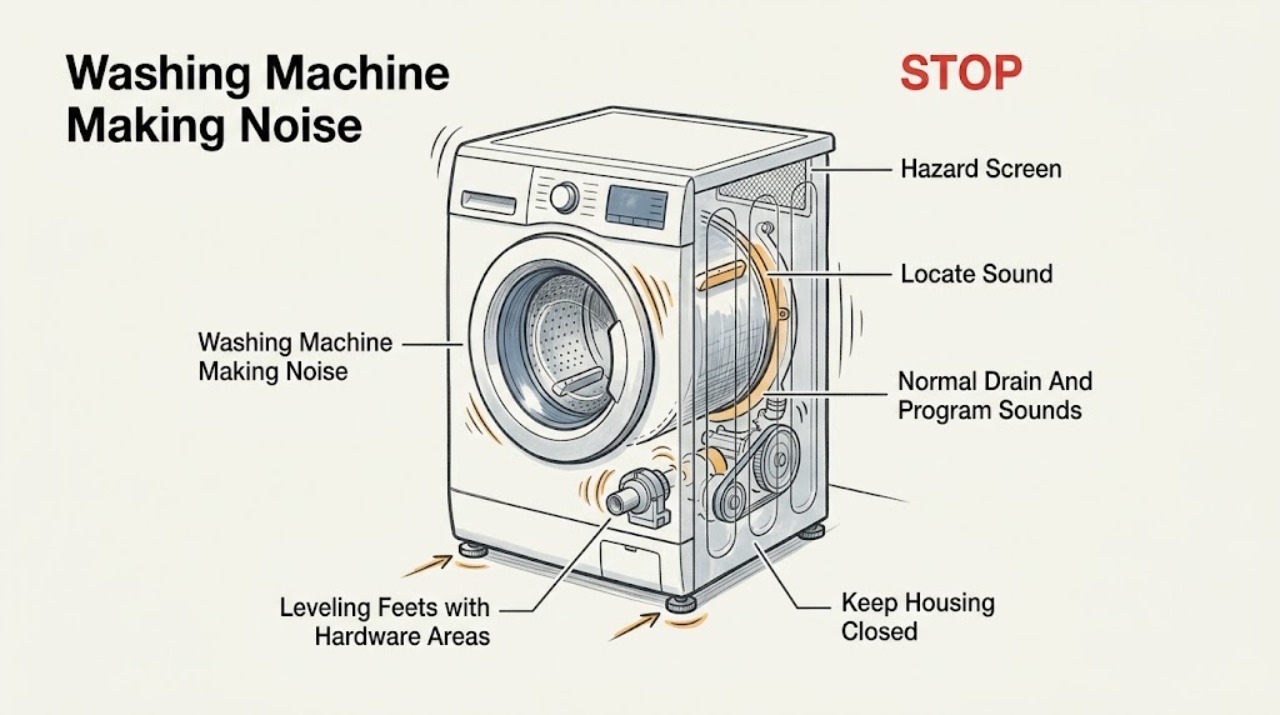
Miele Washing Machine Making Noise: Identify the Sound Before It Causes Damage
A Miele washing machine may normally gurgle when the drain pump starts or stops, and IntenseWash 2.0 can make a kettle-like sound while water is heated. A new rubbing, grinding, metallic, repeated knocking, or loud impact sound needs a different path.
-
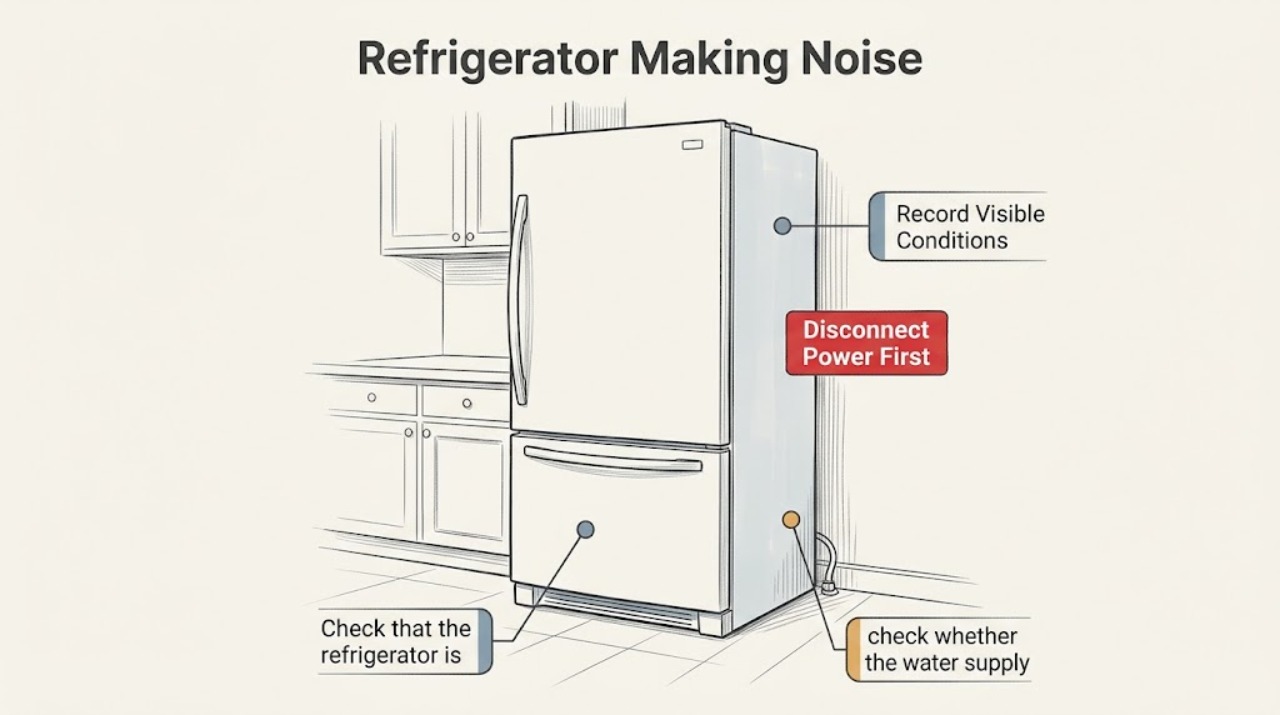
Moffat Refrigerator Making Noise
Record when the Moffat refrigerator noise occurs and where it comes from before treating it as a failure. Compressor, fan, refrigerant movement, and automatic defrost sounds can be normal, while a new scraping sound, repeated water-valve buzz without a water supply, or vibration against a wall deserves a targeted check. Keep hands and tools away from powered fans and arrange service for a persistent abnormal sound.
-
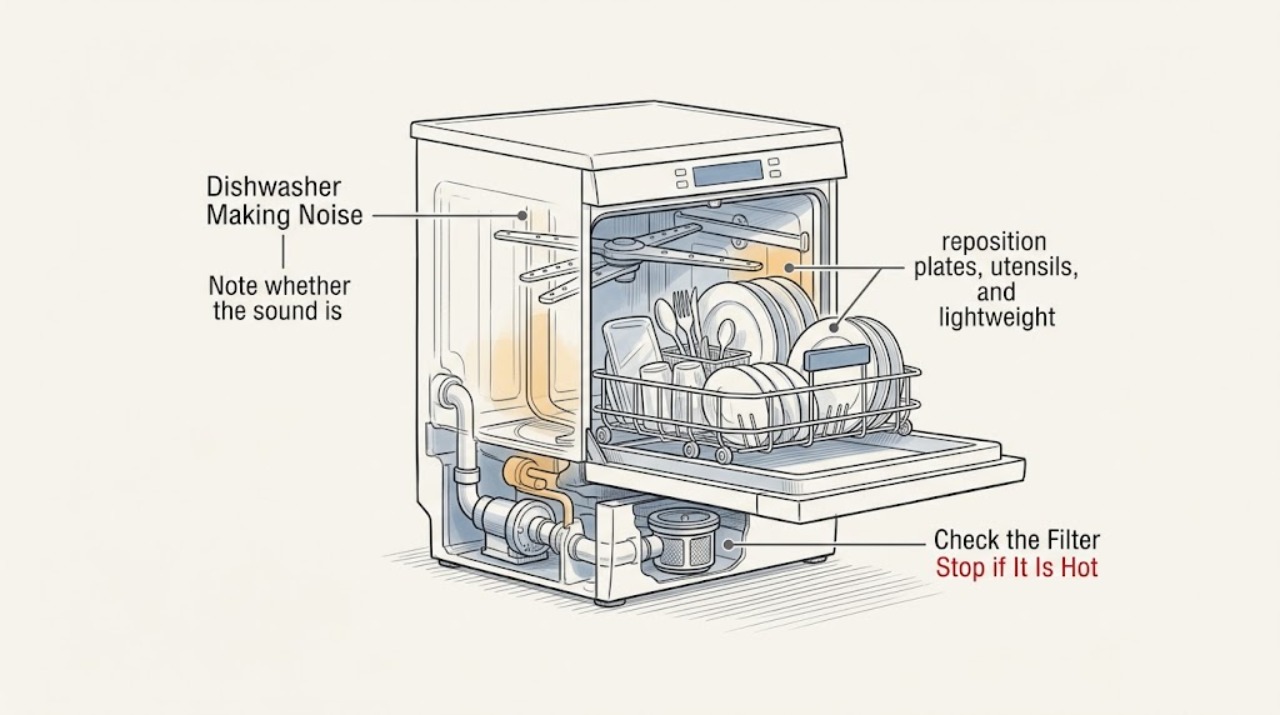
Monogram Dishwasher Making Noise: Recognize Normal Pump Sounds and Loading Rattles
Identify when the noise occurs and whether it changes with the load. Monogram/GE support describes swishing, humming, clicking, brief drain pauses, and some whining as normal, while rattling can come from loose dishes and knocking can come from a spray arm hitting a load. Stop for a grinding or leak-related sound that persists after safe loading checks.
-
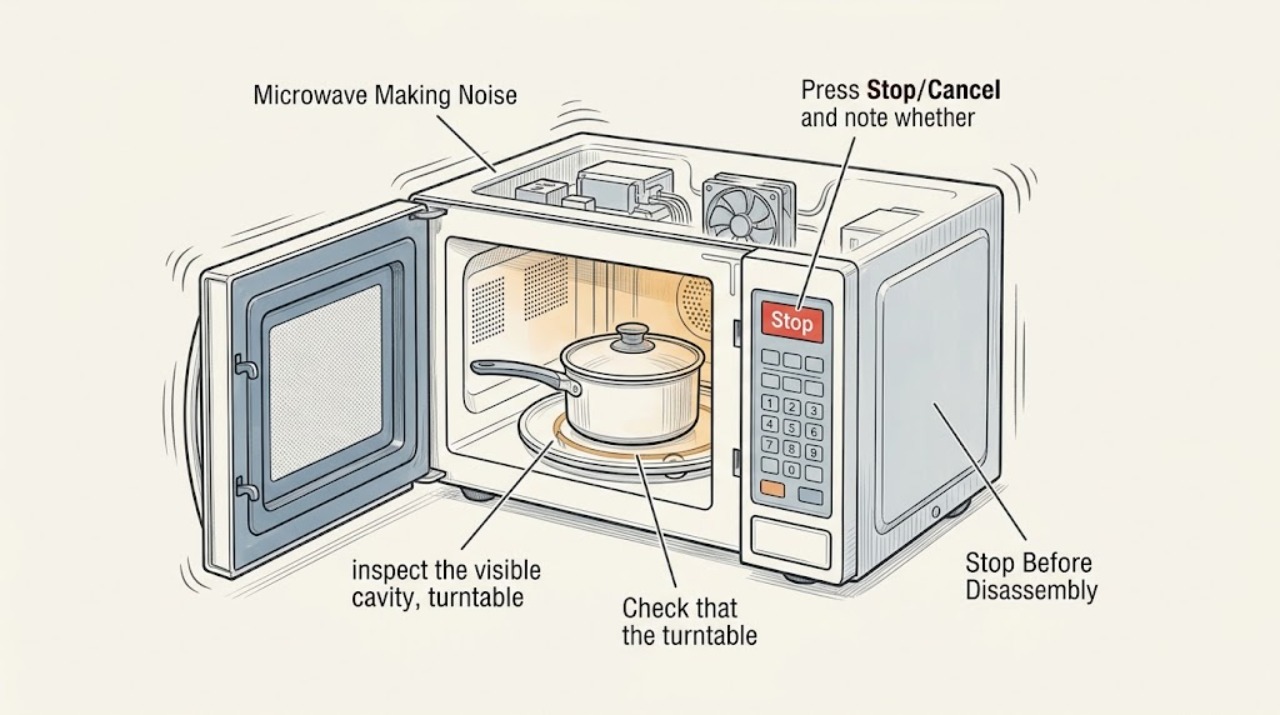
Monogram Microwave Making Noise: Identify the Sound Before Using It Again
Stop the Monogram microwave and identify whether the noise is food popping, a turntable or fan sound, or an electrical/mechanical sound. Check the visible cavity and cookware only after the oven is stopped. Metal, an empty cavity, sparks, smoke, a burning odor, or a noise that remains with no food is a reason to leave it unplugged when safe and arrange authorized service; never remove the cabinet.
-
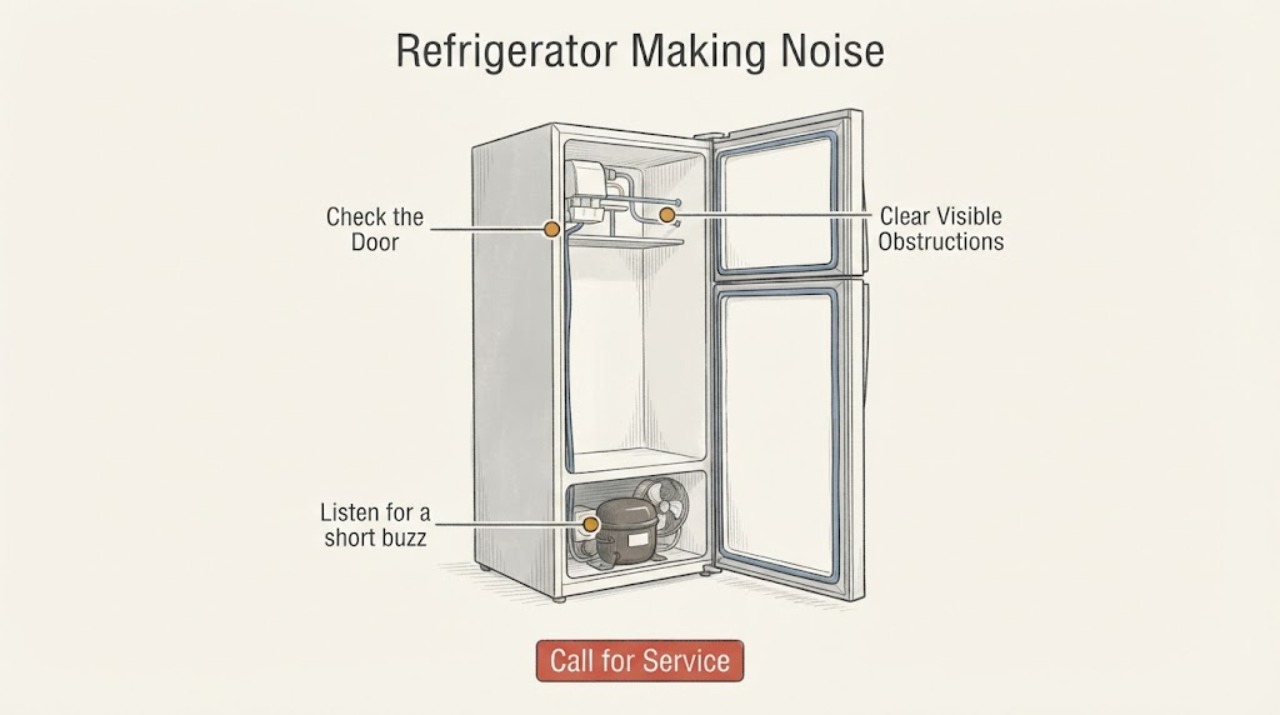
Monogram Refrigerator Making Noise: Identify Normal Hiss, Buzz, or Fan Trouble
Some Monogram built-in refrigerators briefly hiss, burp, or gurgle after a door closes as air pressure equalizes. A short water-valve buzz can also be normal, but a freezer fan striking something, a new grinding sound, or a noise with poor cooling needs service. Locate the timing and area without opening sealed or energized parts.
-
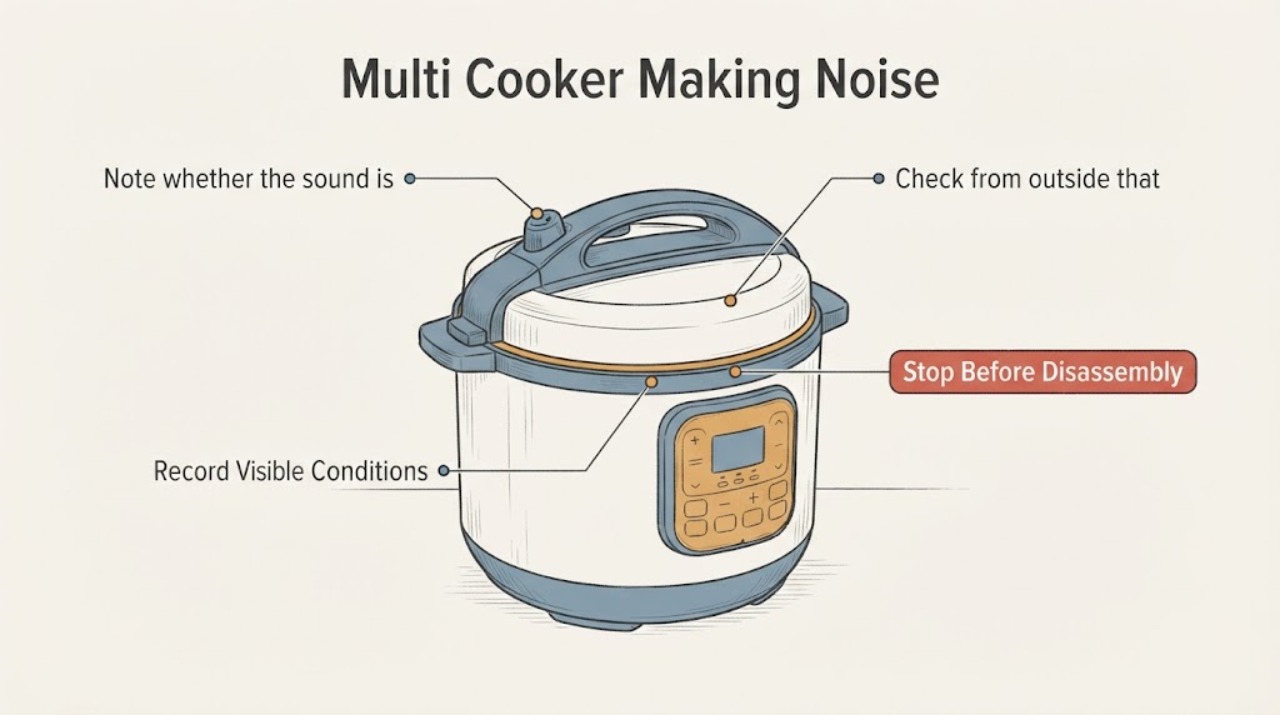
Multi Cooker Making Noise
A multi-cooker making noise should be classified by timing and sound before any intervention. Instant Pot identifies occasional clicking as the heating element regulating temperature or pressure, while a fan may continue briefly after a hot cycle. Hissing steam, grinding, a damaged lid, or a noise with an error or leak needs a stop decision and model-specific service.
-
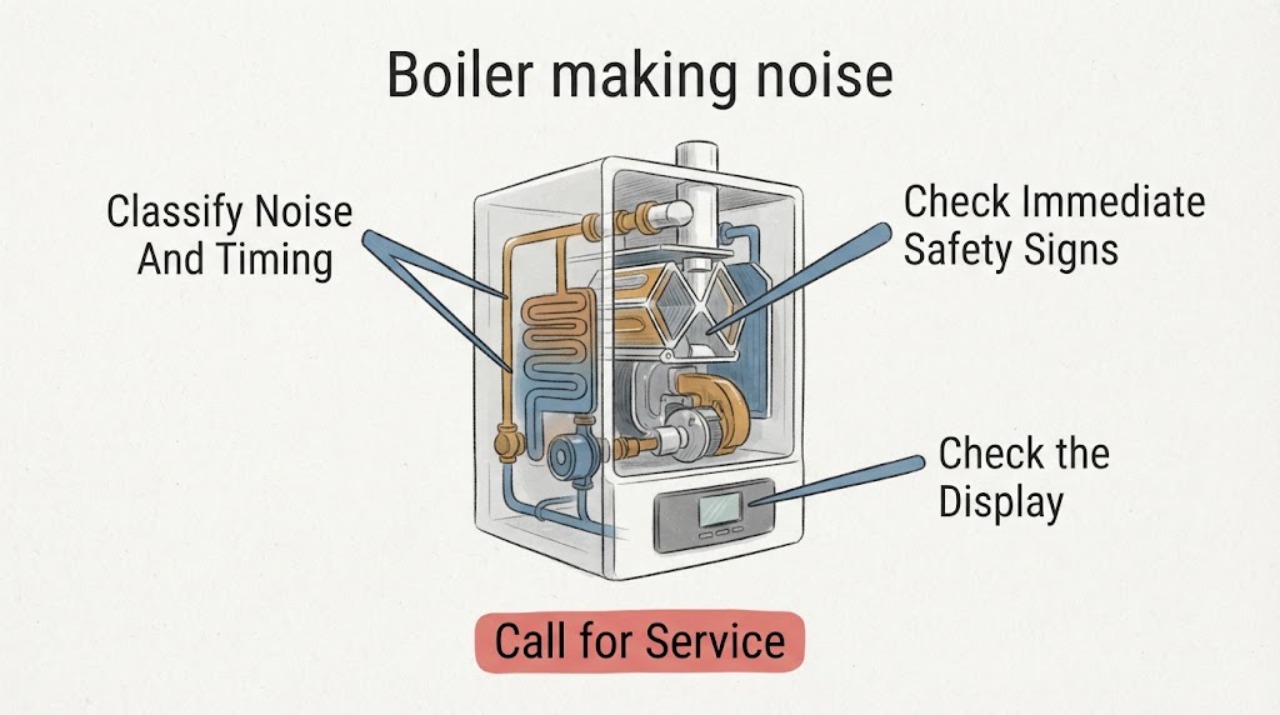
Navien boiler making noise: What to Check and What to Do Next
A noisy Navien boiler should be narrowed by sound, timing, and the part of the system where it is heard—not by opening the cabinet or changing gas, water, or safety settings.
-
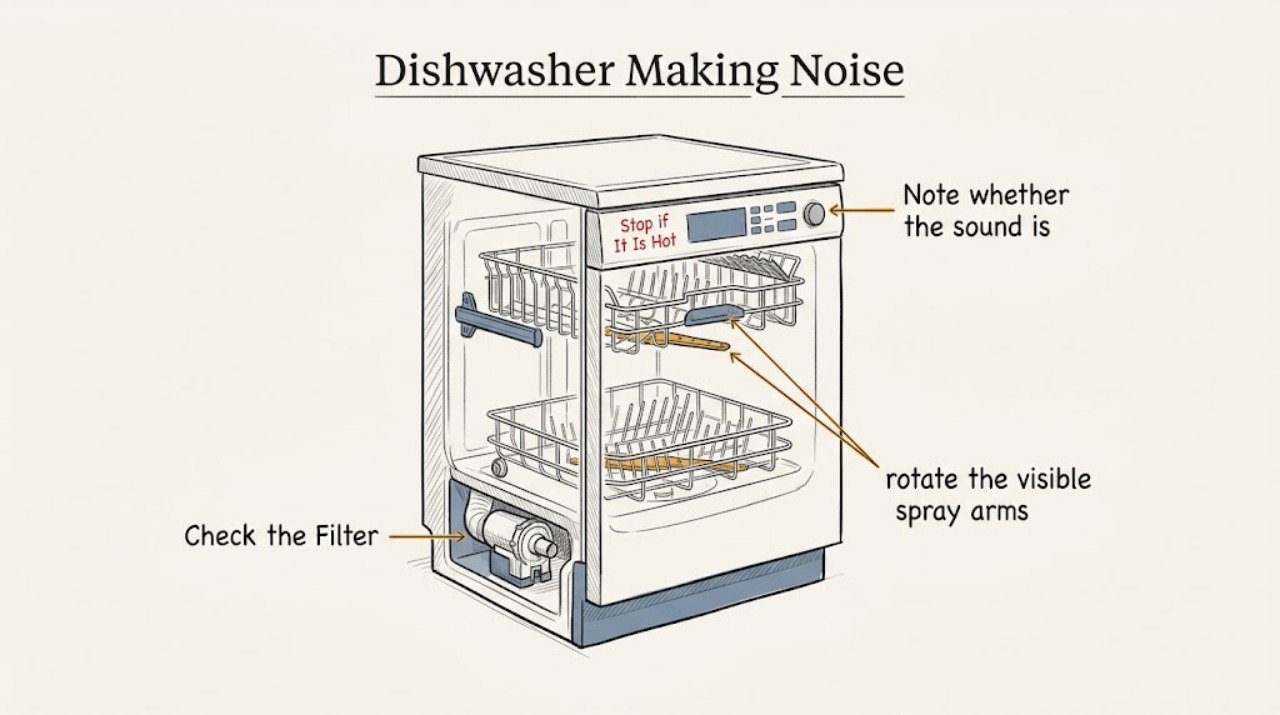
Neff Dishwasher Making Noise: Match the Sound to the Cycle Stage
Neff documents several sounds as normal: a programme-end beep and a grinding or humming sound while water is pumped to the drain. A knocking or rattling sound can come from a spray arm striking the load. Stop the dishwasher for a new loud grinding, electrical smell, leak, or noise that remains after the load and filter checks.
-
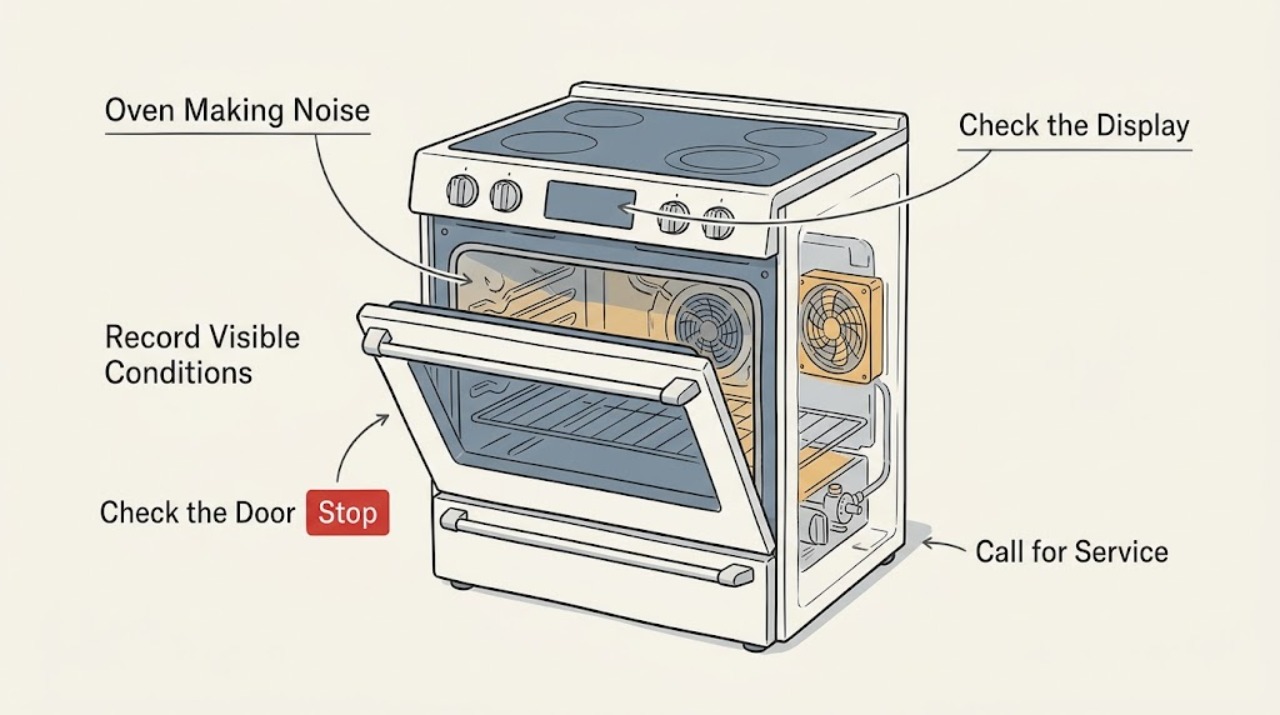
Oven Making Noise: Normal Fans, Clicks, Popping, and Warning Sounds
Some oven noise is designed operation: a cooling or convection fan can hum and continue after a cycle, relays can click as heating is controlled, and metal can crack or pop as it heats and cools. The useful first distinction is gas versus electric, then the sound's timing, location, and effect on cooking.
-
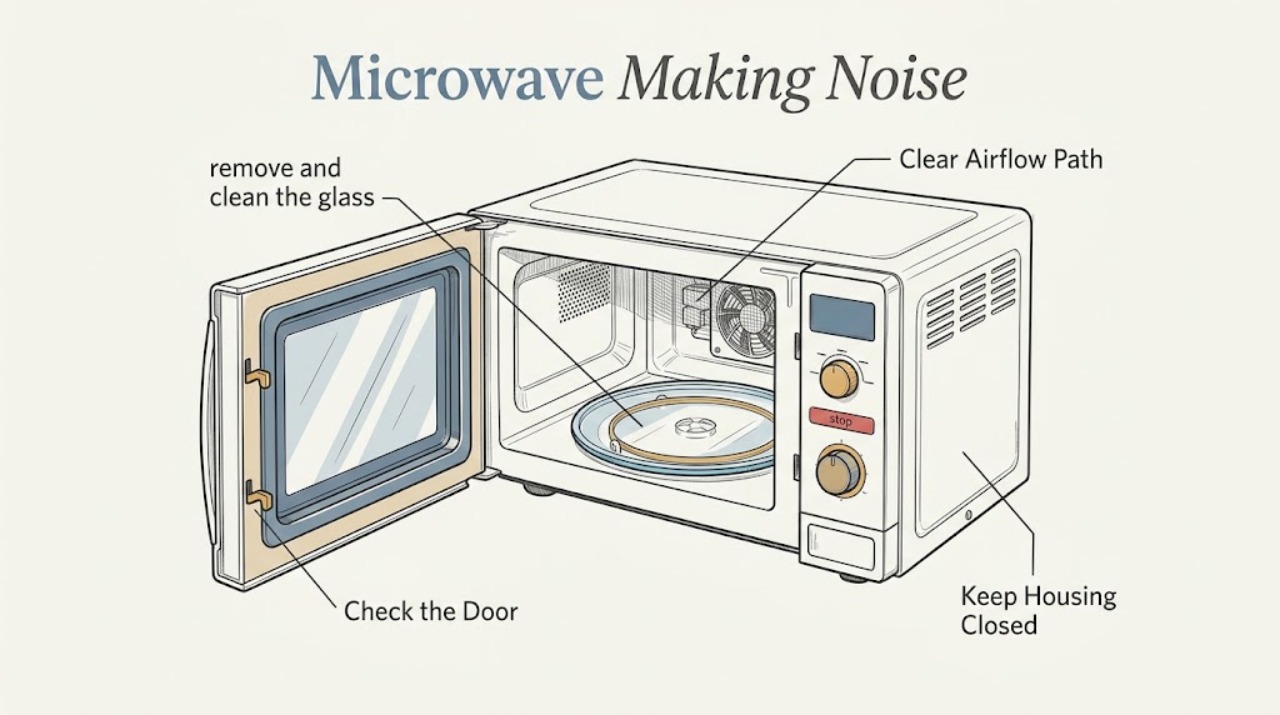
Panasonic Microwave Making Noise
Some Panasonic microwave sounds come from the turntable, roller ring, cooling fan, or normal airflow. Clean and reseat the tray and roller ring, keep food and cookware from touching the cavity, and identify whether the sound is a brief operating sound or a loud buzz. Stop using the oven for a persistent loud buzz, arcing, smoke, or a fan that fails to run.
-
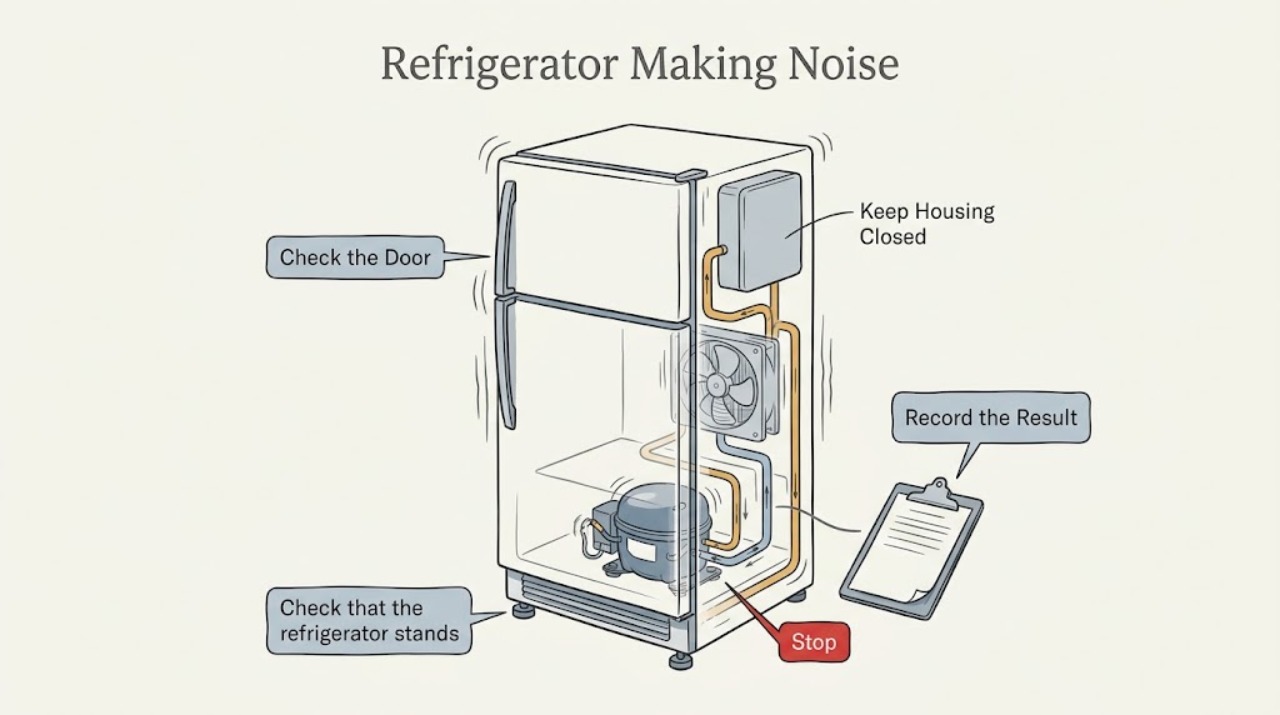
Panasonic Refrigerator Making Noise: Tell Normal Cooling Sounds From a Fault
A Panasonic refrigerator can make normal clicking, buzzing, trickling, hissing, or popping sounds as the compressor, fans, refrigerant, and defrost system operate. First identify the sound and when it occurs, then check that the cabinet is stable and no tray or item is vibrating. Panasonic says a strange noise that remains after installation and floor checks should be assessed by service; do not remove panels.
-
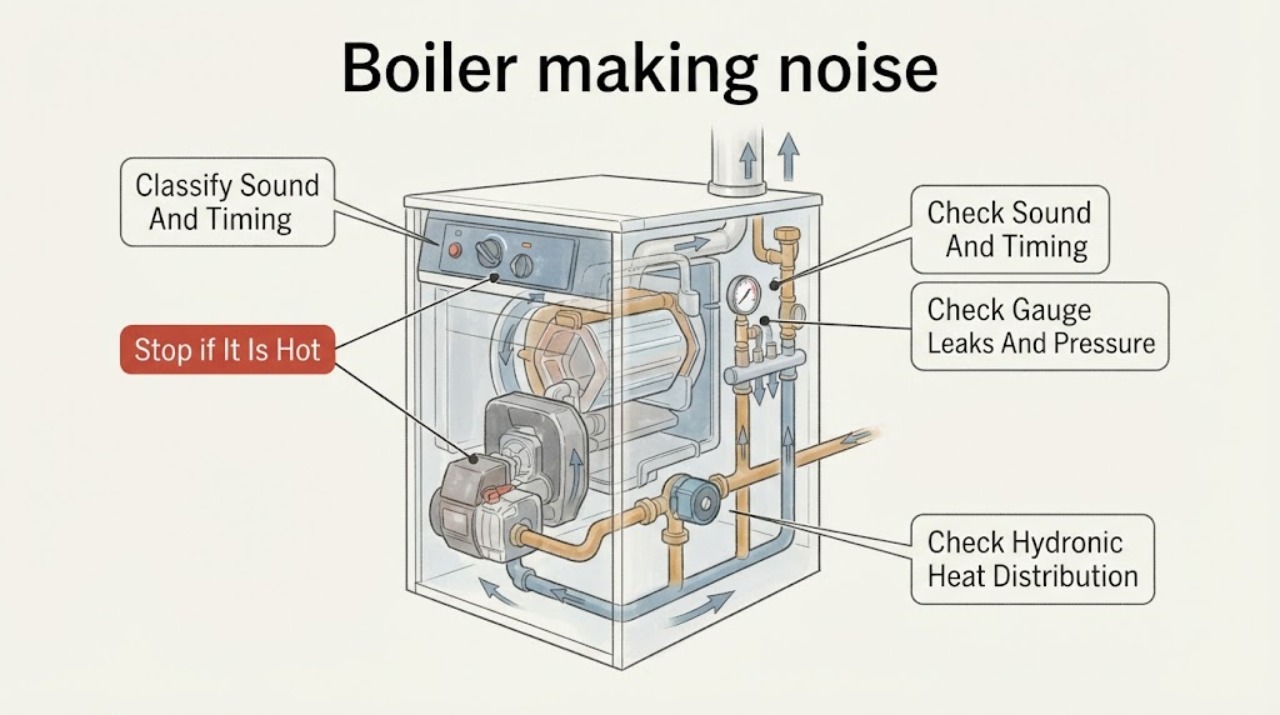
Peerless boiler making noise: What to Check and What to Do Next
A noisy Peerless boiler can be producing water-flow noise from air or excessive velocity, a circulator or other moving-part sound, expansion or pressure-related banging, or a combustion, venting, ignition, or control fault. First identify whether the sound is a bang, gurgle, hiss, hum, vibration, roar, delayed ignition, or relief-valve discharge and whether it comes from the boiler, pump, pipes, radiators, or vent.
-
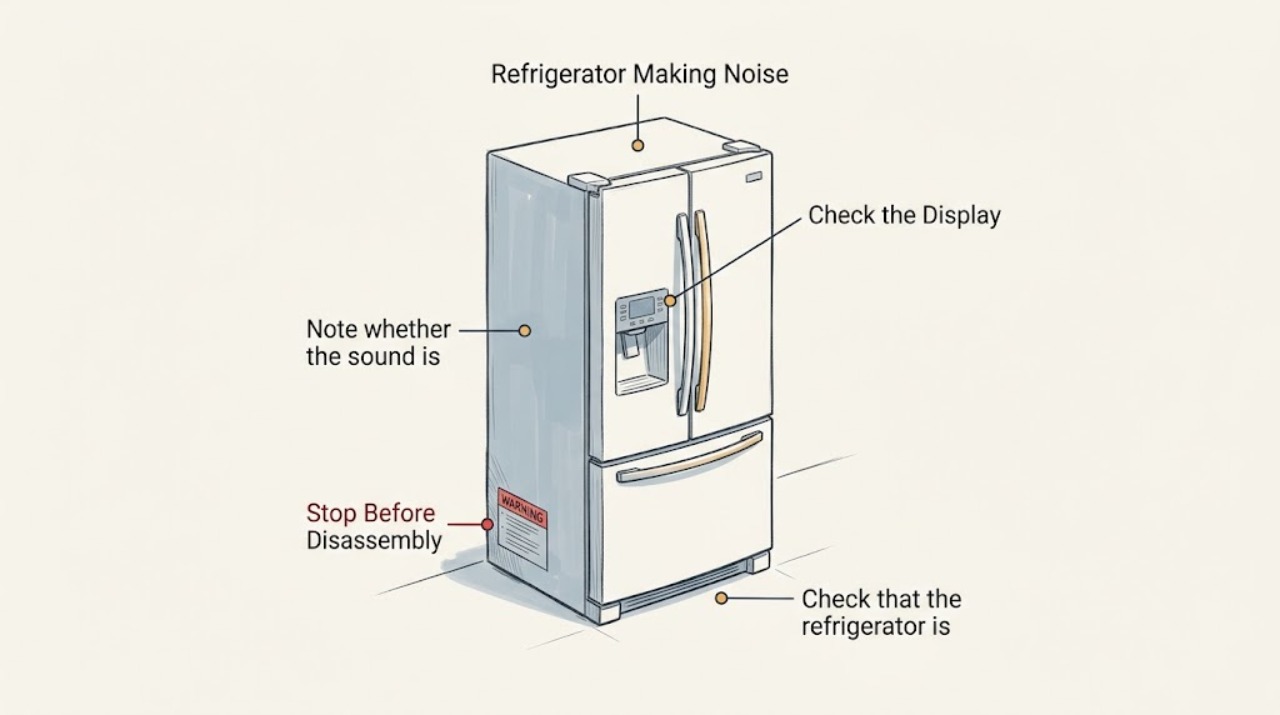
Performa Refrigerator Making Noise
Many Performa refrigerator sounds are normal compressor, fan, refrigerant, water, or defrost sounds. First identify when the sound occurs and whether cooling changes, then check leveling, clearance, and an unconnected ice maker or water line. Grinding, scraping, repeated loud clicking, or noise with warming needs service.
-
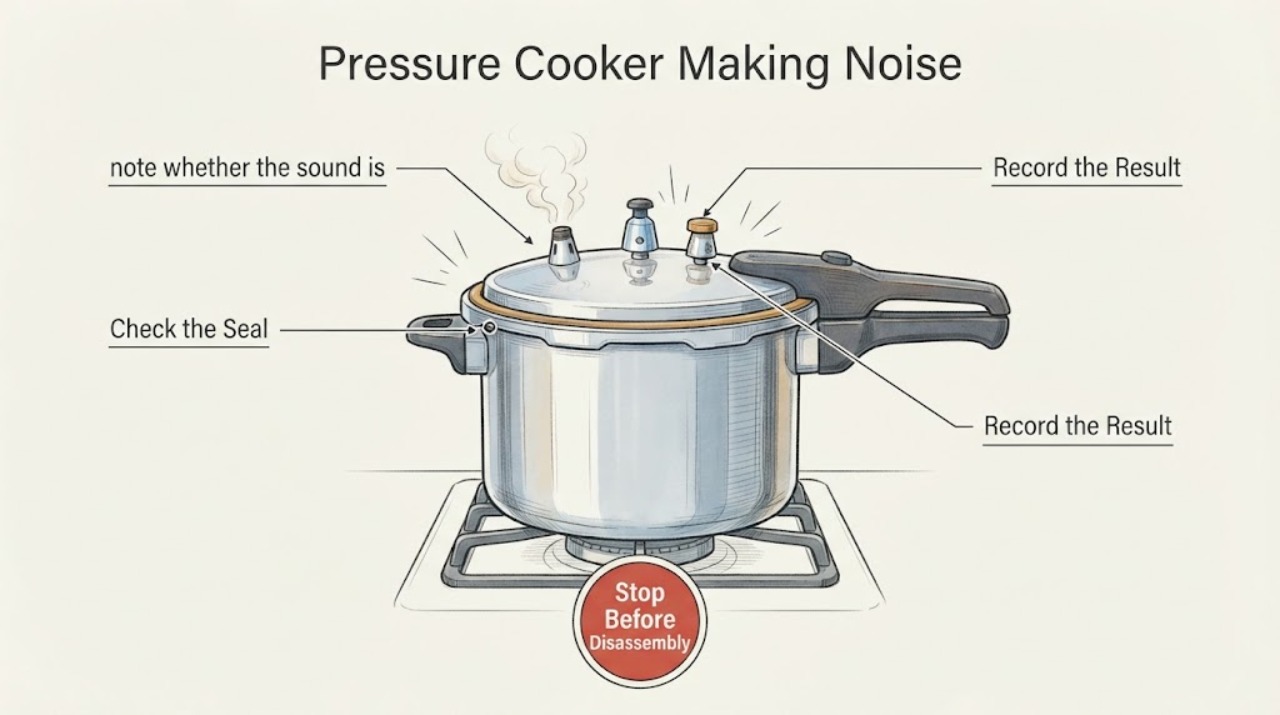
Pressure Cooker Making Noise
Some pressure-cooker hiss or release noise is part of heating and steam control, but a new loud noise, continuous leak, or unstable valve needs a safe stop. Keep face and hands away from the release path, wait for pressure to leave naturally when appropriate, and inspect sealing parts only after the cooker is fully depressurized and cool.
-
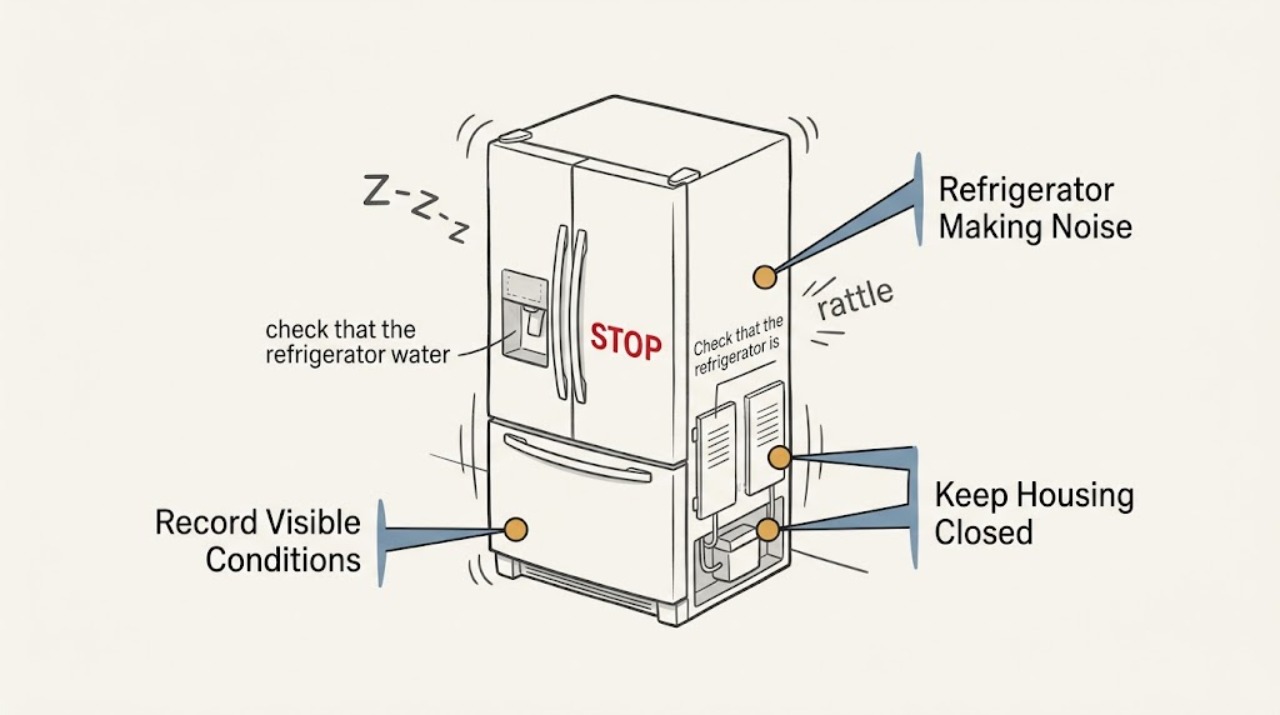
Profile Refrigerator Making Noise: Identify Normal Sounds and Warning Patterns
Record when the sound occurs and whether it is a brief buzz, a repeated buzz, vibration, clicking, scraping, or a loud new noise. GE Profile refrigerators can buzz briefly while an ice maker or water valve operates. If the ice maker is on with no water supply, turn the ice maker off using the model controls; stop and arrange service for scraping, burning odor, vibration that moves the appliance, or a sound that persists after external checks.
-
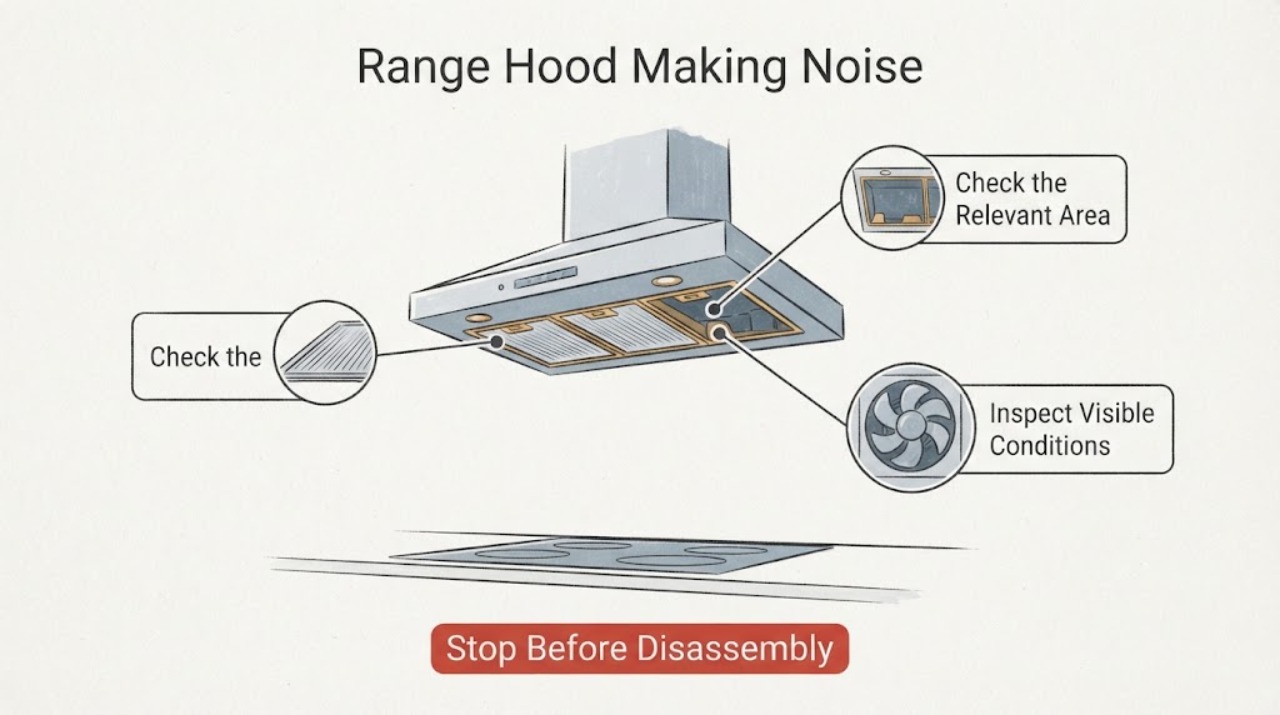
Range Hood Making Noise
Turn the hood off and cool it, locate whether the sound follows the blower or airflow, then inspect only the removable filter and visible duct opening. A grinding, scraping, electrical, or worsening rattle needs qualified service.
-
Refrigerator Making Noise
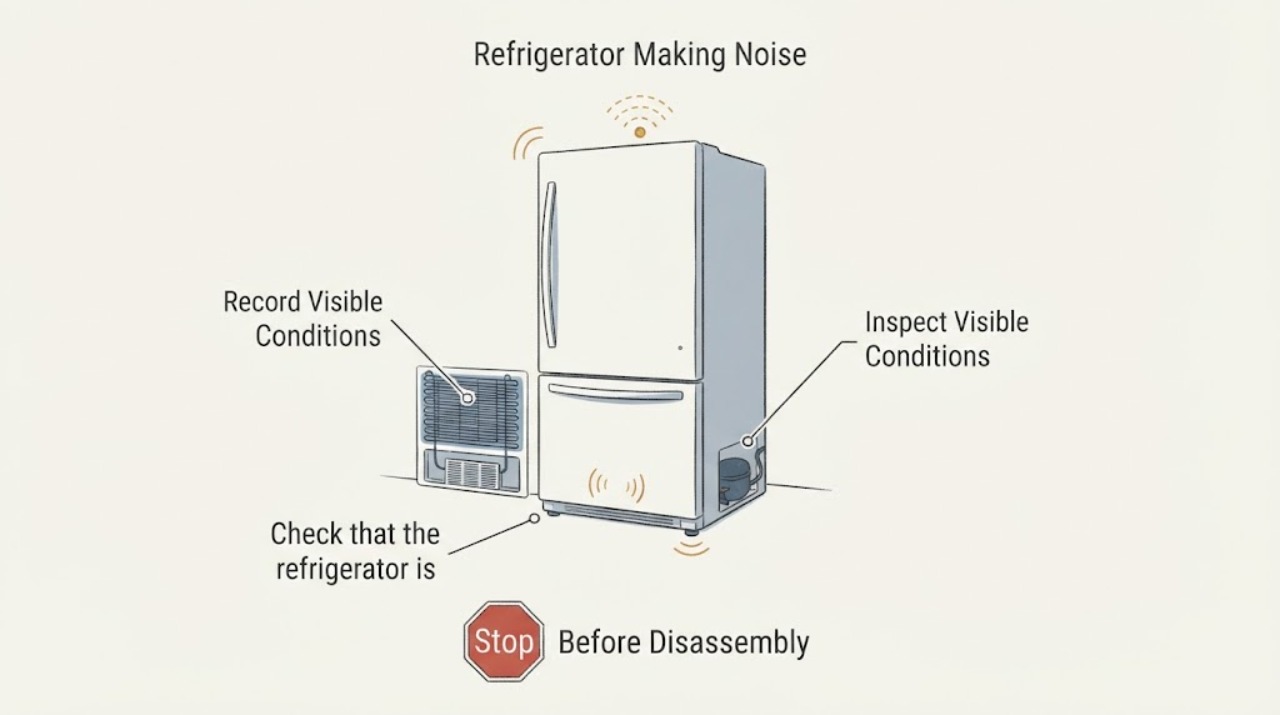
A refrigerator making noise should be classified by sound, timing and cooling performance. Humming, gurgling, hissing, clicking and brief cracking can be normal compressor, fan, refrigerant or defrost sounds; persistent rattling can come from leveling, clearance or fan frost. If the noise is new, harsh, accompanied by poor cooling, water or a burning smell, stop owner troubleshooting and arrange service.
-
Rheem boiler making noise: What to Check and What to Do Next
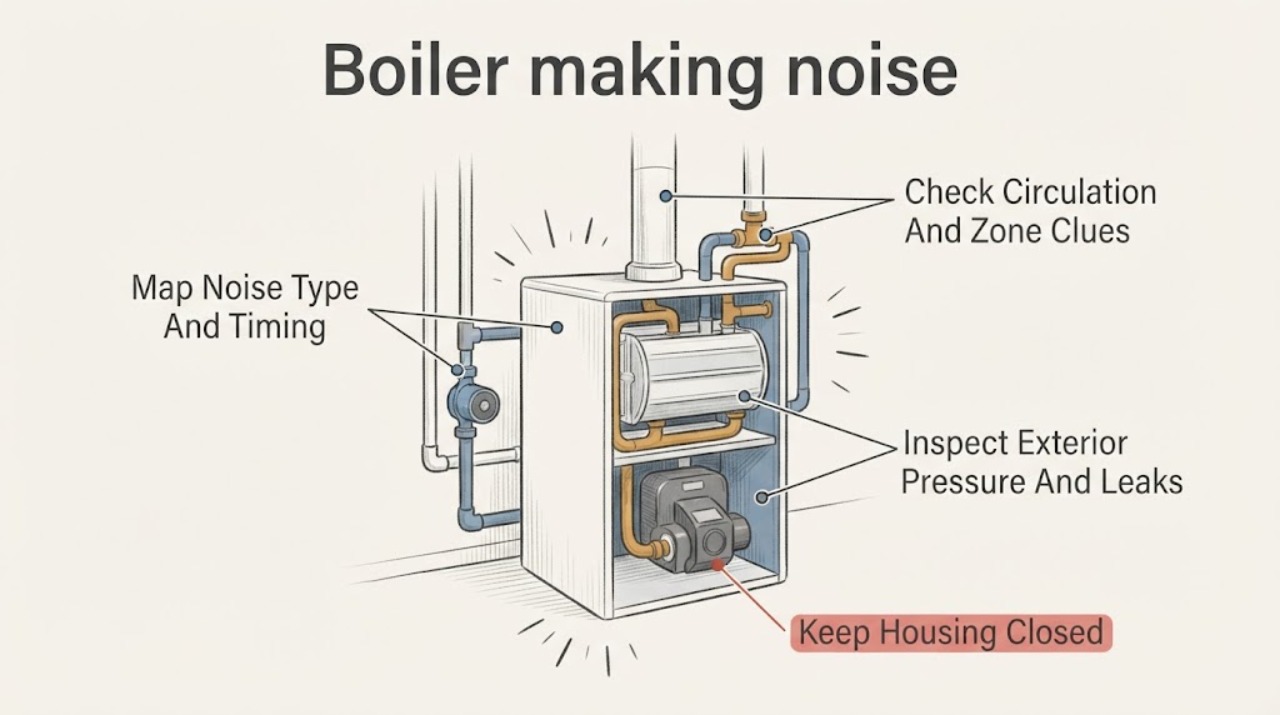
The timing and character of the sound are the best first clues. Gurgling or rushing can accompany air or poor circulation; a hum, whine, vibration, or grinding sound can involve the circulator or another motor; knocking or rumbling can accompany restricted flow, scale, or a loose pipe; and a sharp bang, delayed ignition, hissing, smoke, gas odor, or carbon-monoxide alarm is a combustion or safety warning.
-
Rheem furnace making noise: What to Check and What to Do Next
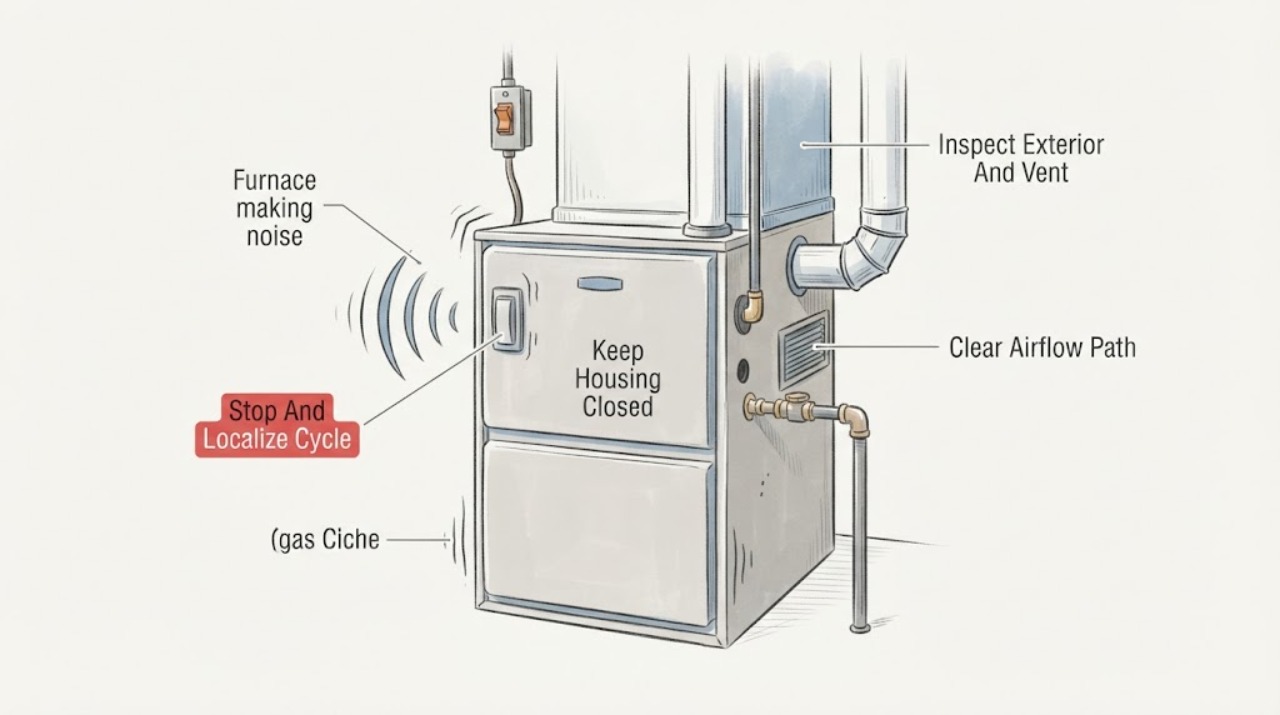
A noisy Rheem furnace should be localized by when the sound starts and which airflow or combustion component is operating, not by guessing at a part. Turn the thermostat off and, if the noise is abnormal, shut off furnace power; for a gas furnace, use the manual gas shutoff when there is overheating, a gas concern, flame trouble, smoke, or another immediate hazard.
-
Roomba Vacuum Cleaner Making Noise: Isolate Brushes, Wheels, and Normal Operation
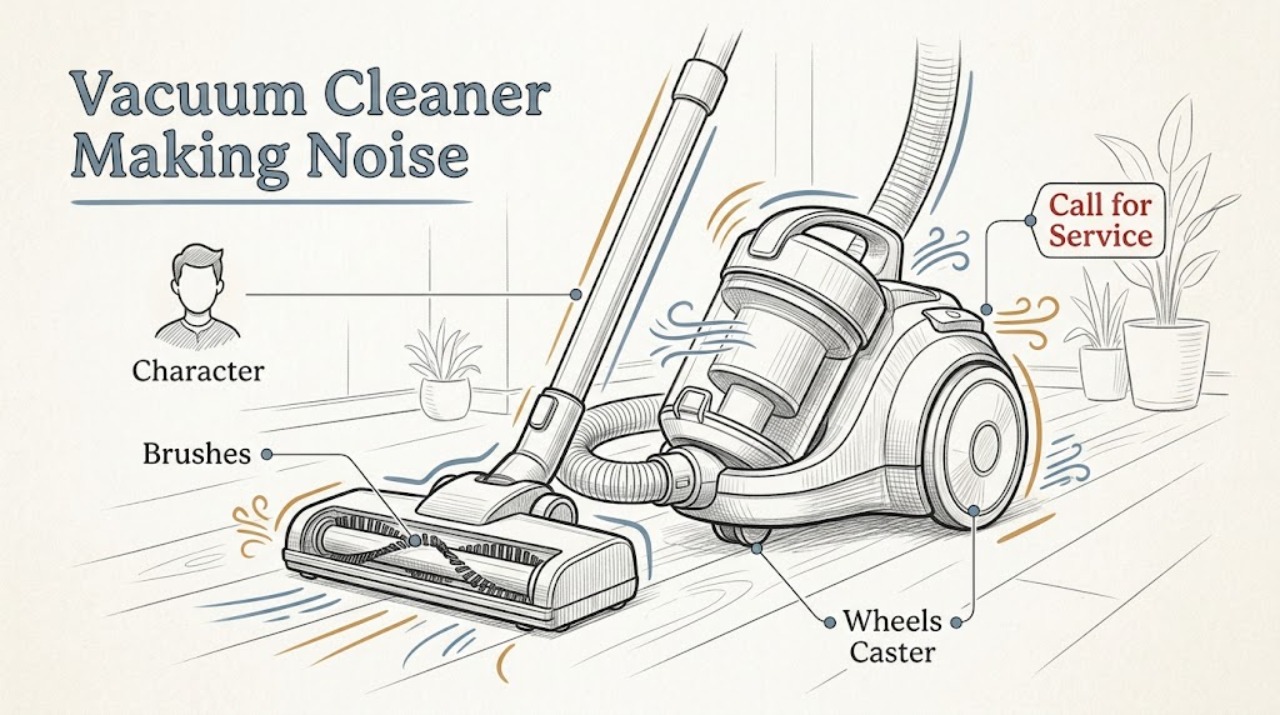
Identify the sound and whether it changes when the robot stops or a cleaning part is removed. A new rattle, scrape, or repeated knocking can come from hair or debris around the main or side brush, brush bearings, front caster, or wheels; some operating noise also varies by surface and cleaning mode.
-
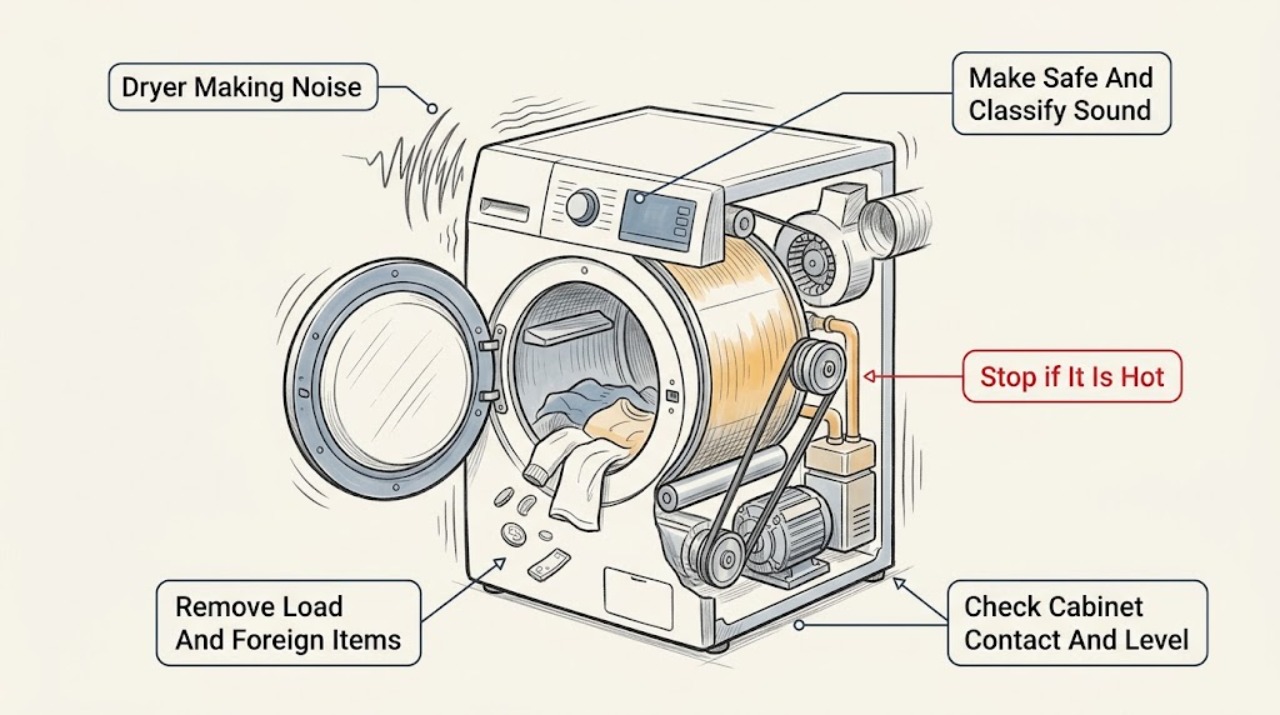
Roper Dryer Making Noise: Match the Sound to Its Stage and Location
A noisy Roper dryer should be identified by sound, timing, and location before any part is considered. Stop it immediately for smoke, a burning smell, abnormal heat, sparks, a harsh metal-on-metal scrape, violent movement, or a breaker that trips.
-
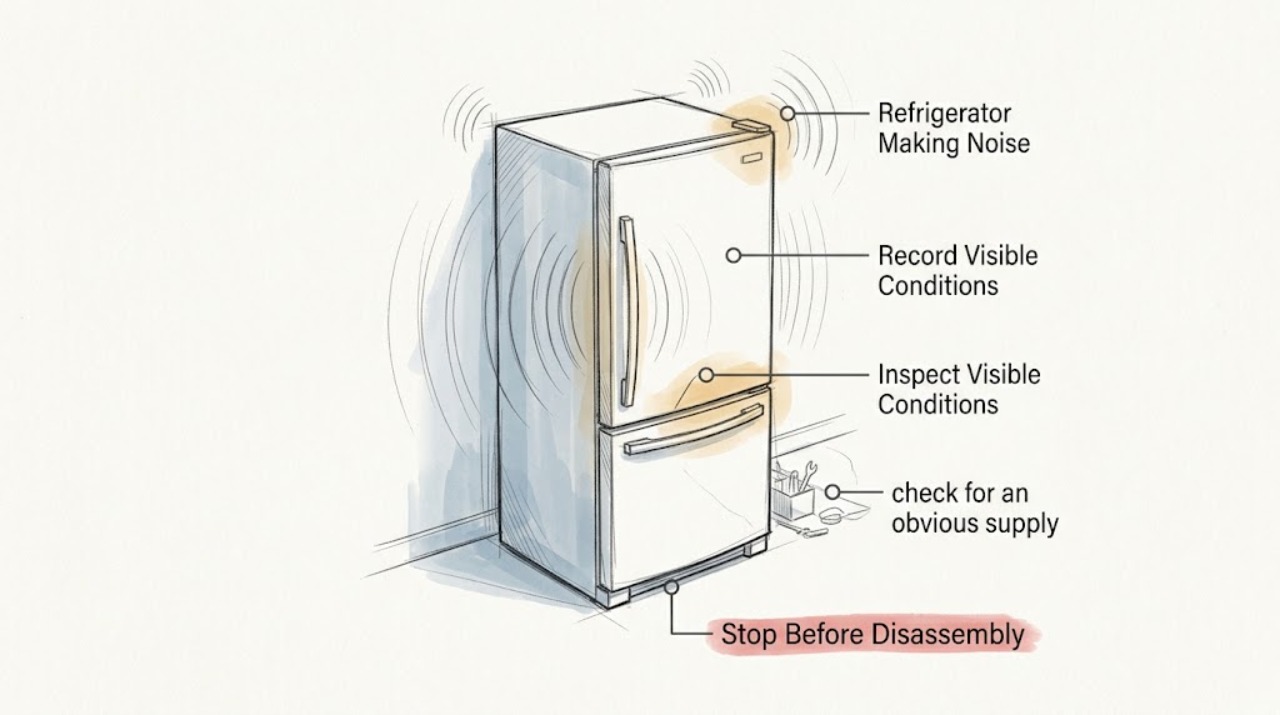
Roper Refrigerator Making Noise
Identify the sound and when it occurs before opening anything. Humming, gurgling, clicking, popping, airflow, and brief water-valve sounds can be normal; a new grinding or harsh vibration, especially with cooling loss, needs service. Check leveling and external contact, and use the model manual before cleaning an accessible condenser area.
-
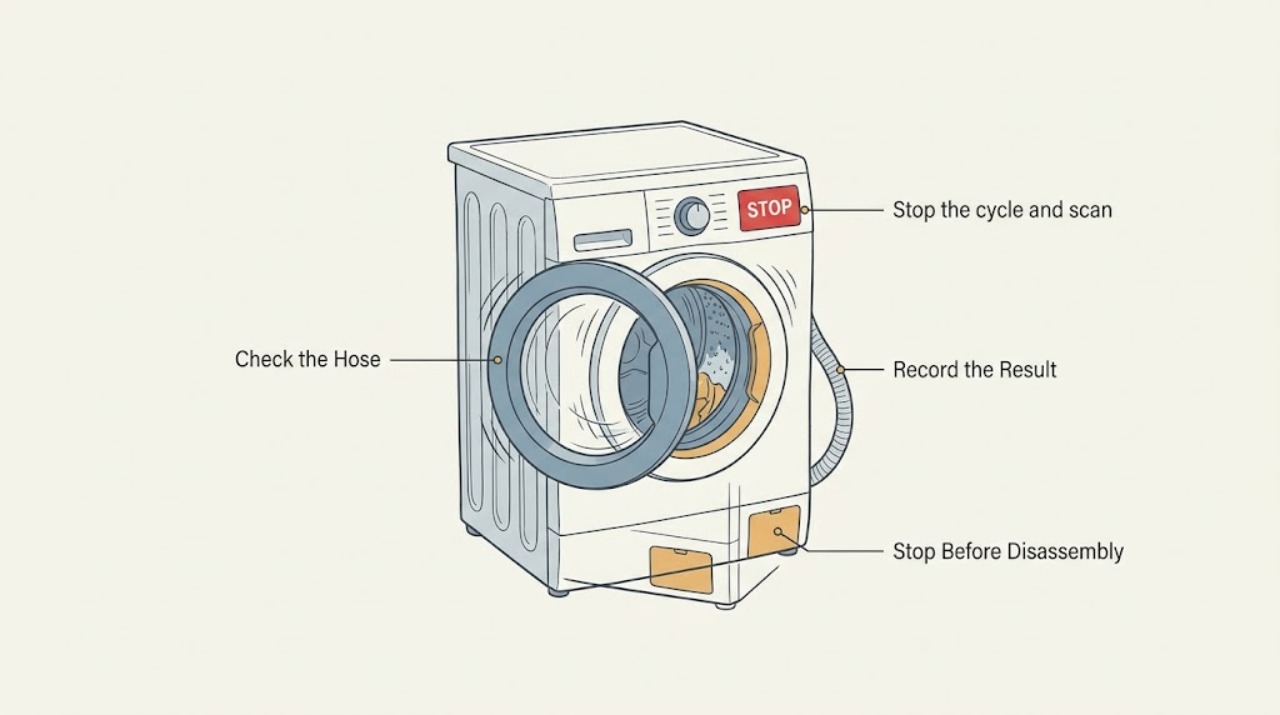
Roper Washing Machine Making Noise: Find the Sound by Cycle Phase
First note whether the sound occurs while filling, washing, draining, or spinning, then locate it at the rear hoses, cabinet, basket, pump area, or floor. A brief hum, pump sound, click, or motor/drive change can be normal, while a new scrape, repeated metal contact, cabinet impact, walking, leak, smoke, burning odor, or electrical symptom is a reason to stop.
-
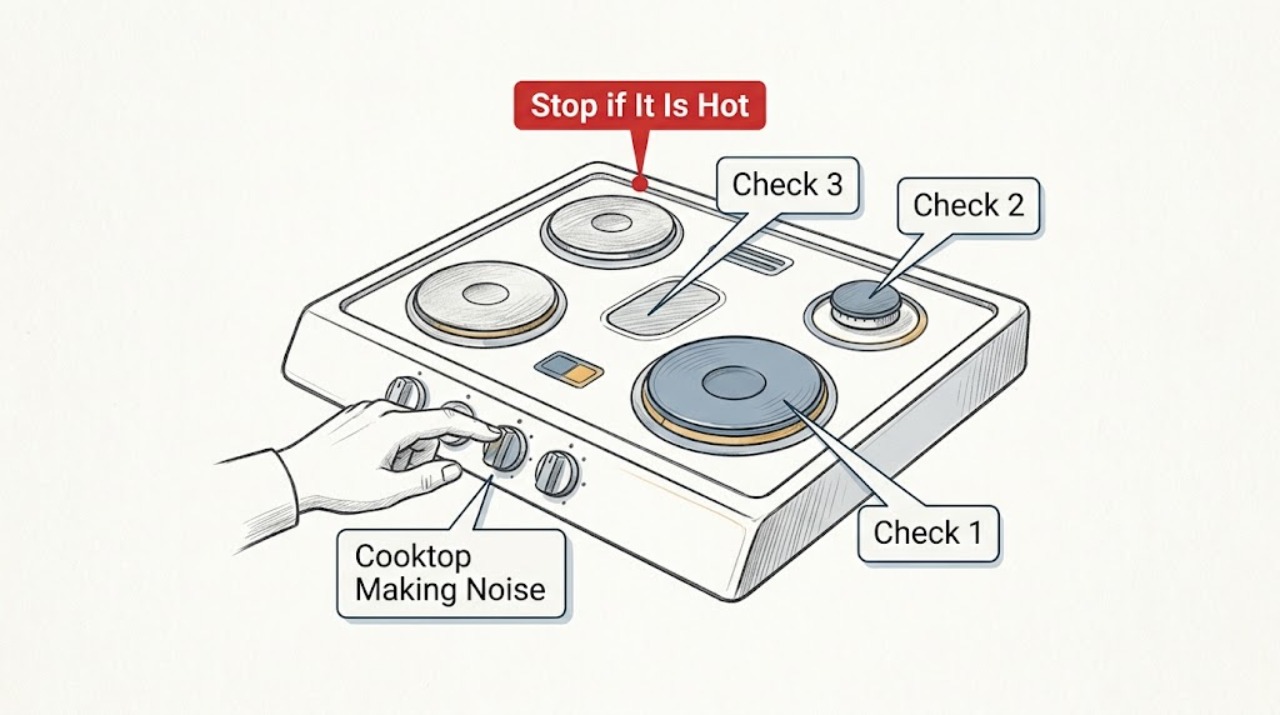
Samsung Cooktop Making Noise: Which Sounds Are Normal and When to Stop
First identify the sound and whether the Samsung cooktop is gas, electric, or induction. Samsung says induction cookware can buzz, higher power can make a low hum, different cookware materials used on two induction zones can create a higher-pitched hum, and a cooling fan can whirr during and after use.
-
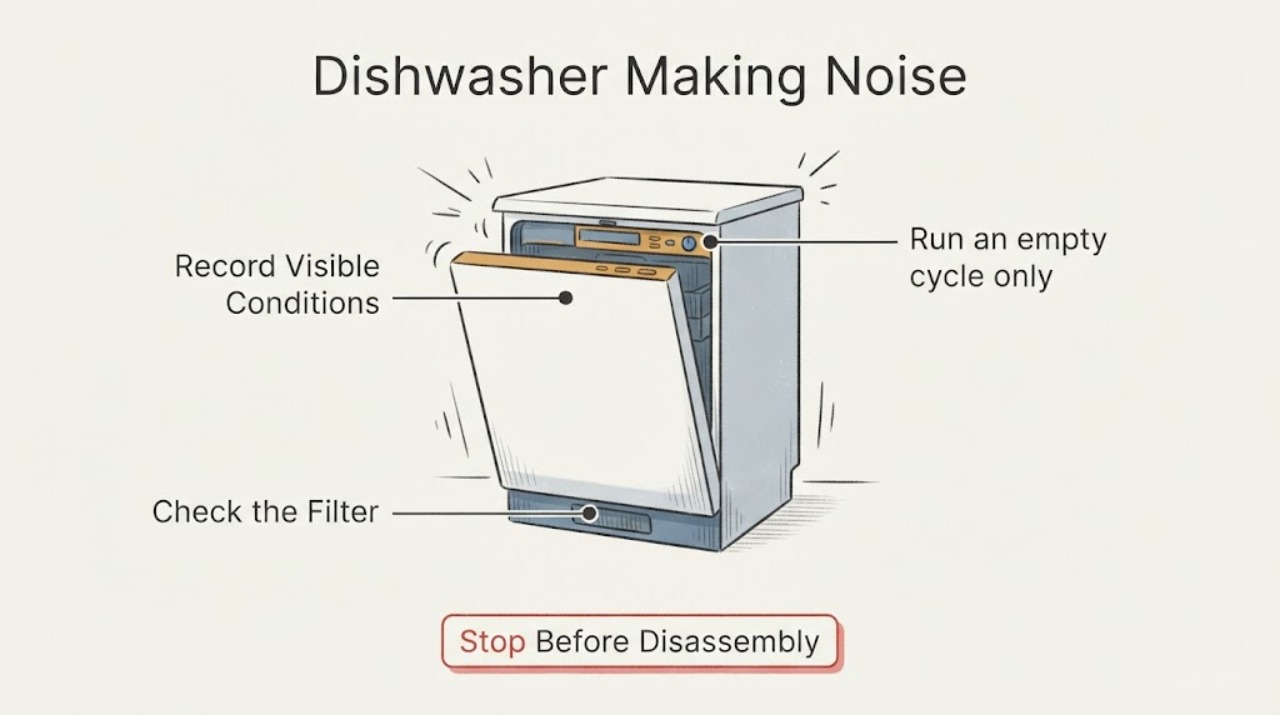
Samsung Dishwasher Making Noise
Some Samsung dishwasher humming, water, or initial-drain sounds are normal, but loud or unusual noise should be localized by sound type and cycle phase. Check for loose dishes or spray-arm contact, clean the accessible filter/pump opening, and record persistent noise. Request service if noise remains during an empty cycle or comes from an inaccessible pump, motor, or electrical area.
-
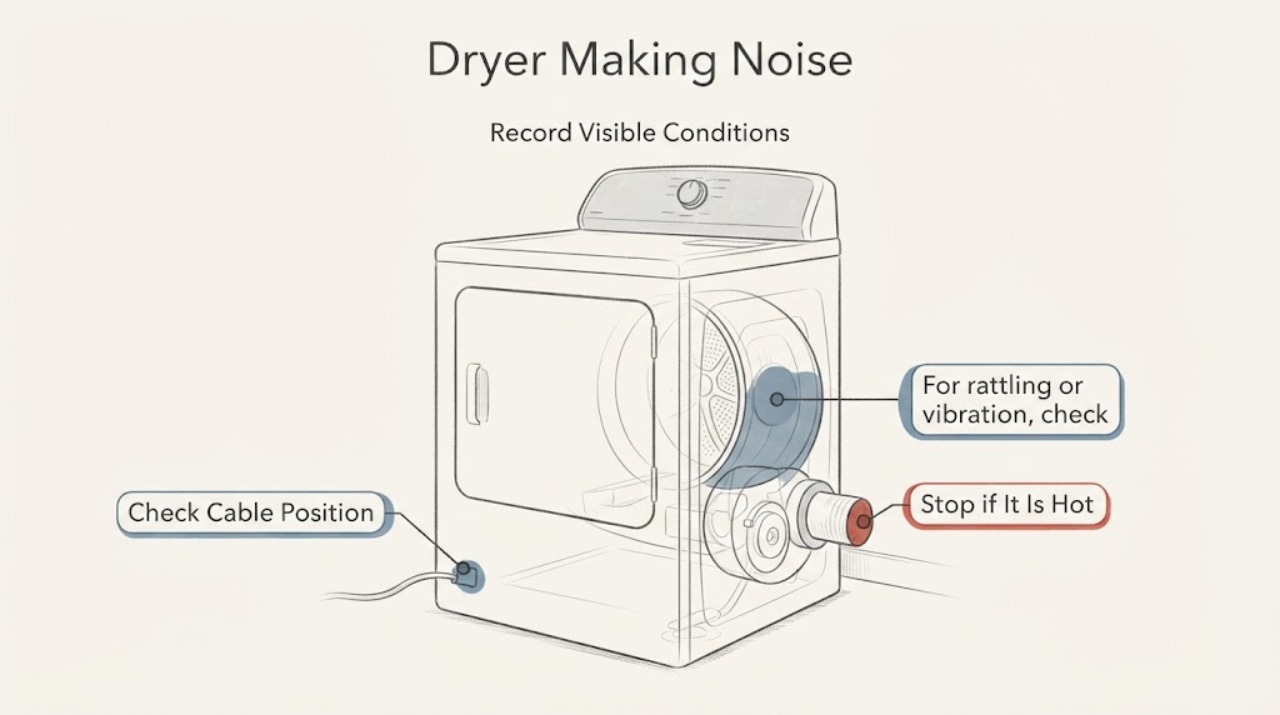
Samsung Dryer Making Noise: Identify the Sound Before You Replace a Part
Classify the sound by type and stage before opening anything. Rattling commonly comes from a loose object, an unsecured exhaust vent or cord, or an unlevel dryer; thumping only with clothes often points to the load or overloading; squealing, squeaking, or grinding should be stopped and retested only with a normal light load; and a soft humming or buzzing can be the blower motor.
-
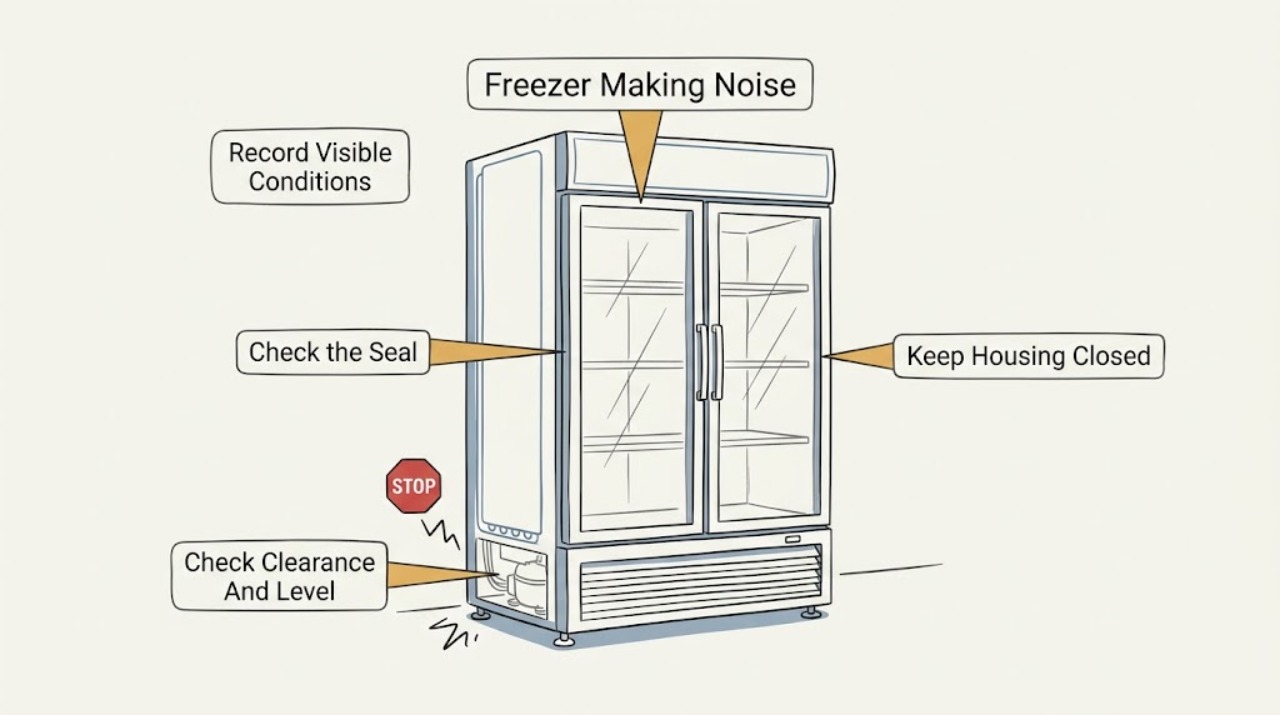
Samsung Freezer Making Noise: Tell Normal Cooling Sounds from Rattles
Some Samsung freezer sounds are normal: a compressor hum or click, air movement from a fan, bubbling or hissing from refrigerant and defrost water, and brief cracking or popping as materials change temperature. A rattle, scrape, or vibration deserves a short, safe isolation check.
-
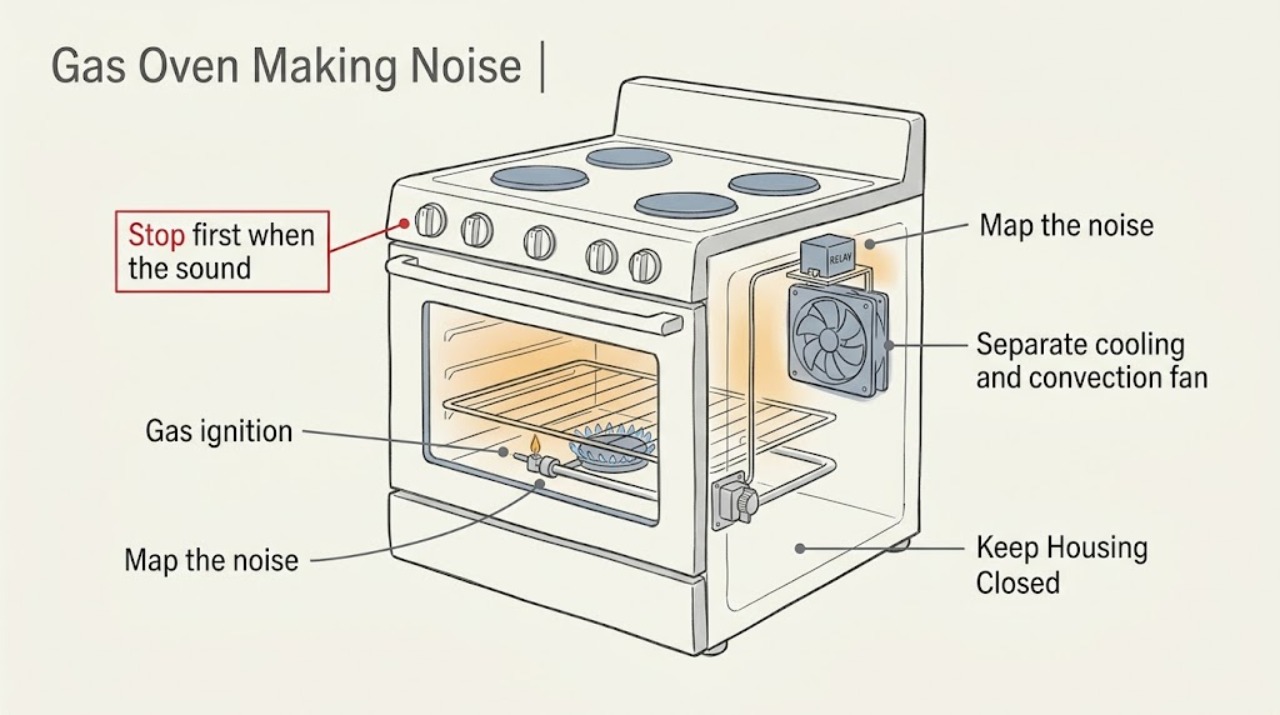
Samsung Gas Oven Making Noise: Separate Normal Sounds from Gas Hazards
A Samsung gas oven can make normal clicking as relays switch, a low fan sound while the cooling or convection fan runs, and occasional thumping as metal expands or contracts. A gas range can also make a soft hiss while gas is flowing.