
Plumbing guides
Water Heaters Repair Guides
Water-heater guidance for temperature, pressure, leaks, controls, and recovery.
Published water heaters guides
Choose the guide that best matches the equipment and symptom you are seeing.
-
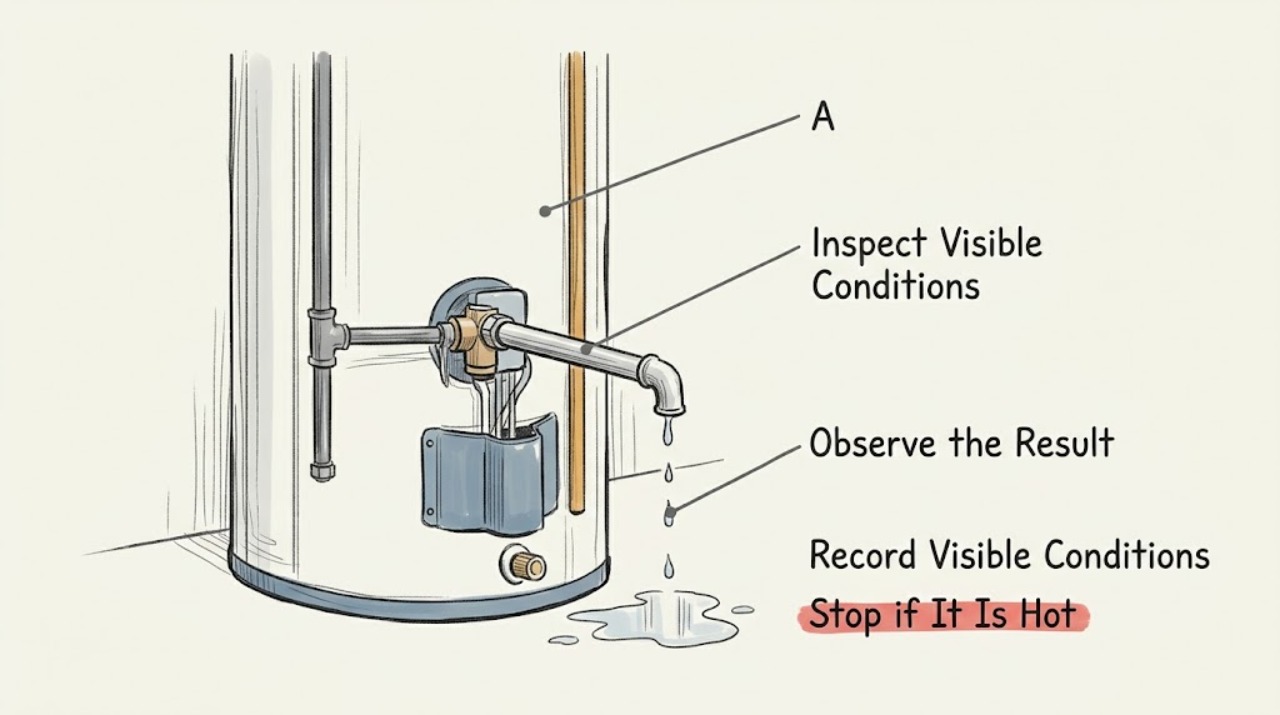
A. O. Smith Water Heater Discharge Pipe Relief Valve Dripping: What to Check and What to Do Next
A dripping discharge pipe on an A. O.
-
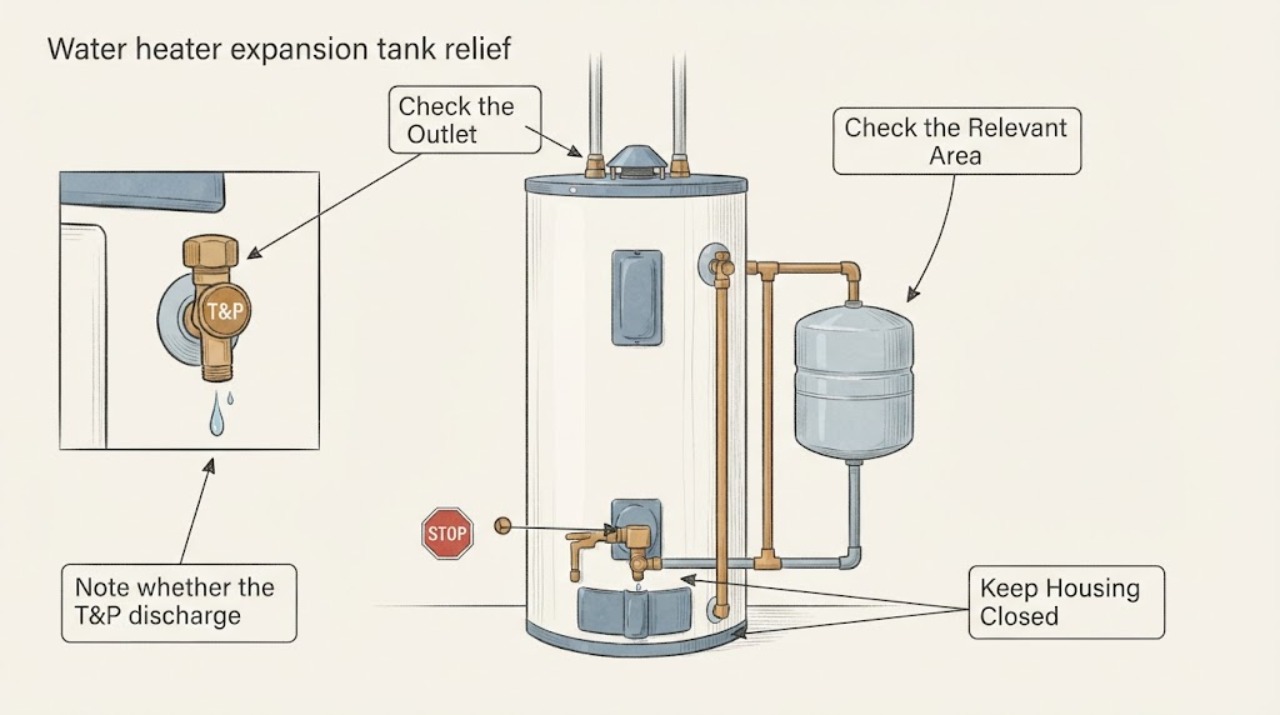
A. O. Smith water heater expansion tank relief valve dripping: What to Check and What to Do Next
A dripping discharge pipe on an A. O.
-
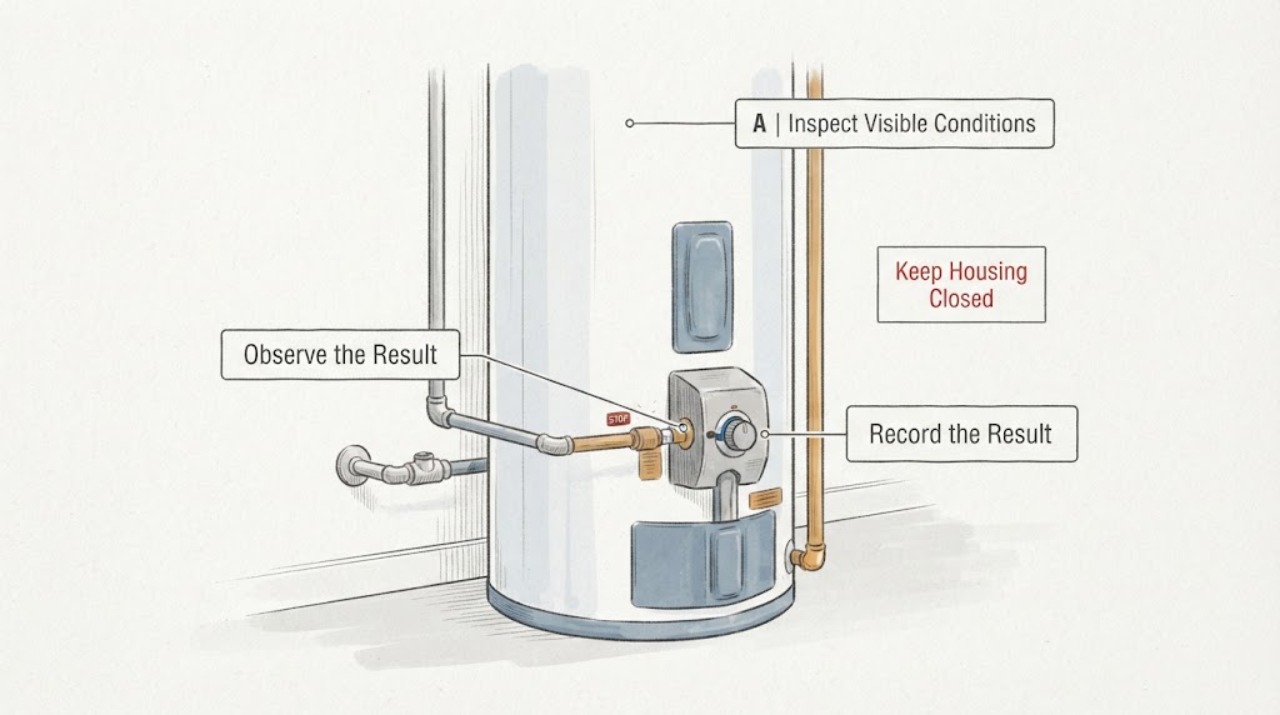
A. O. Smith water heater gas control valve pilot keeps going out: What to Check and What to Do Next
If an A. O.
-
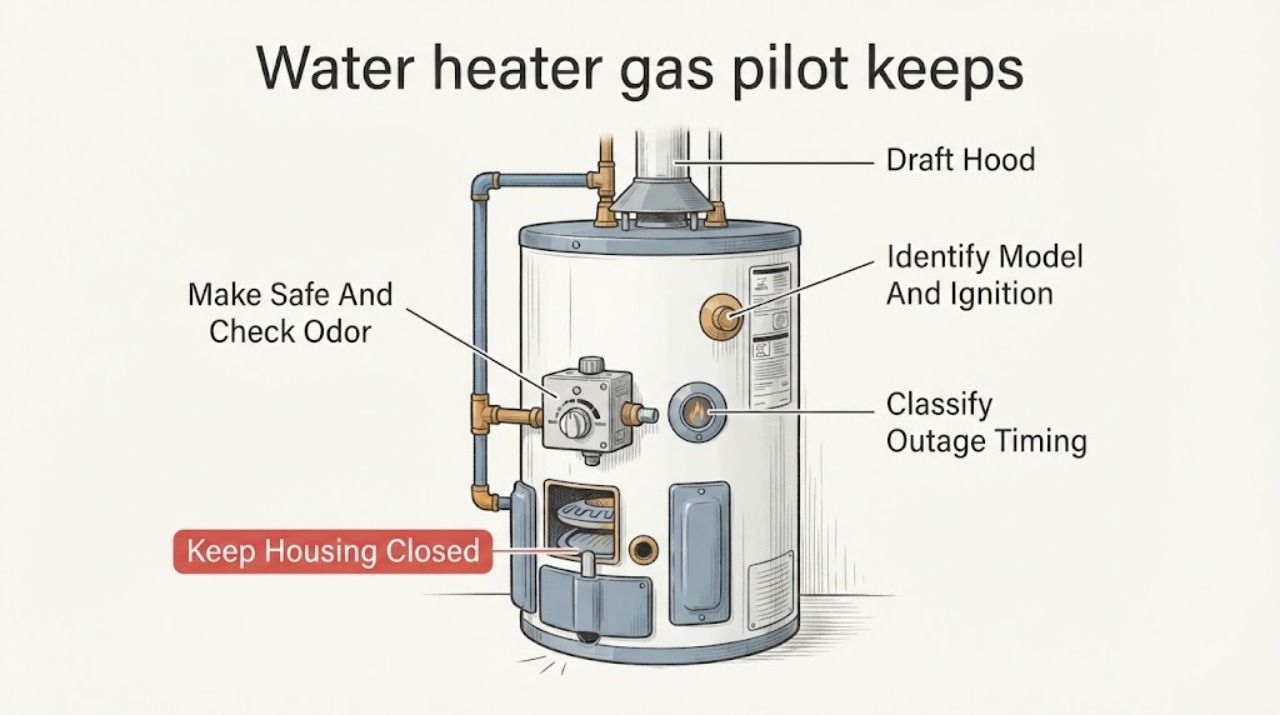
A. O. Smith water heater gas pilot keeps going out: What to Check and What to Do Next
A. O.
-
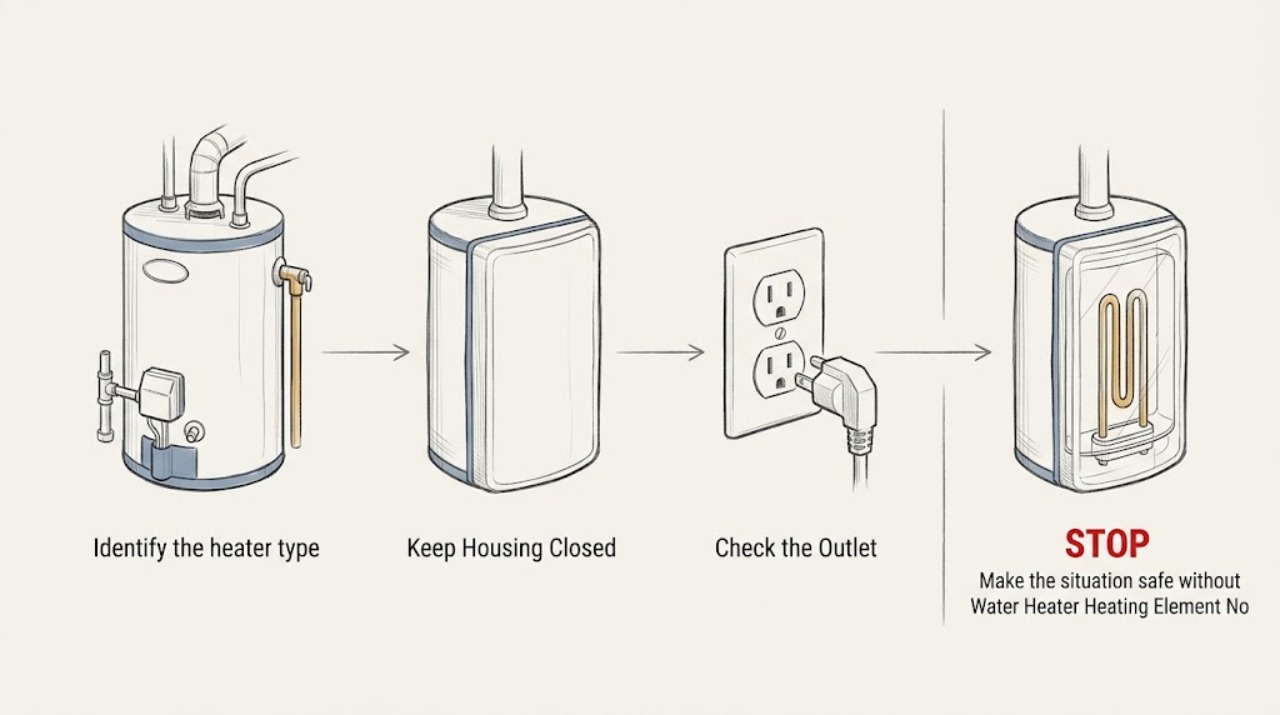
A. O. Smith Water Heater Heating Element No Hot Water: What to Check and What to Do Next
If an A. O.
-
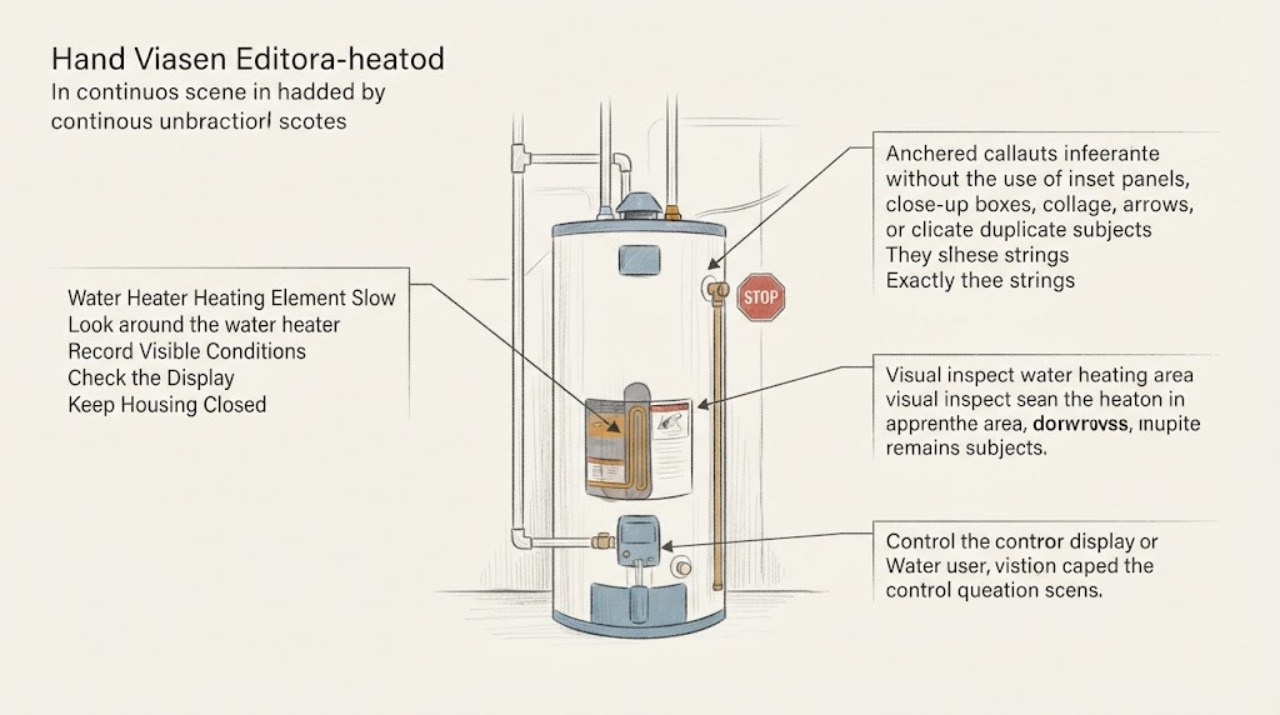
A. O. Smith Water Heater Heating Element Slow to Recover: What to Check and What to Do Next
A slow-recovering A. O.
-
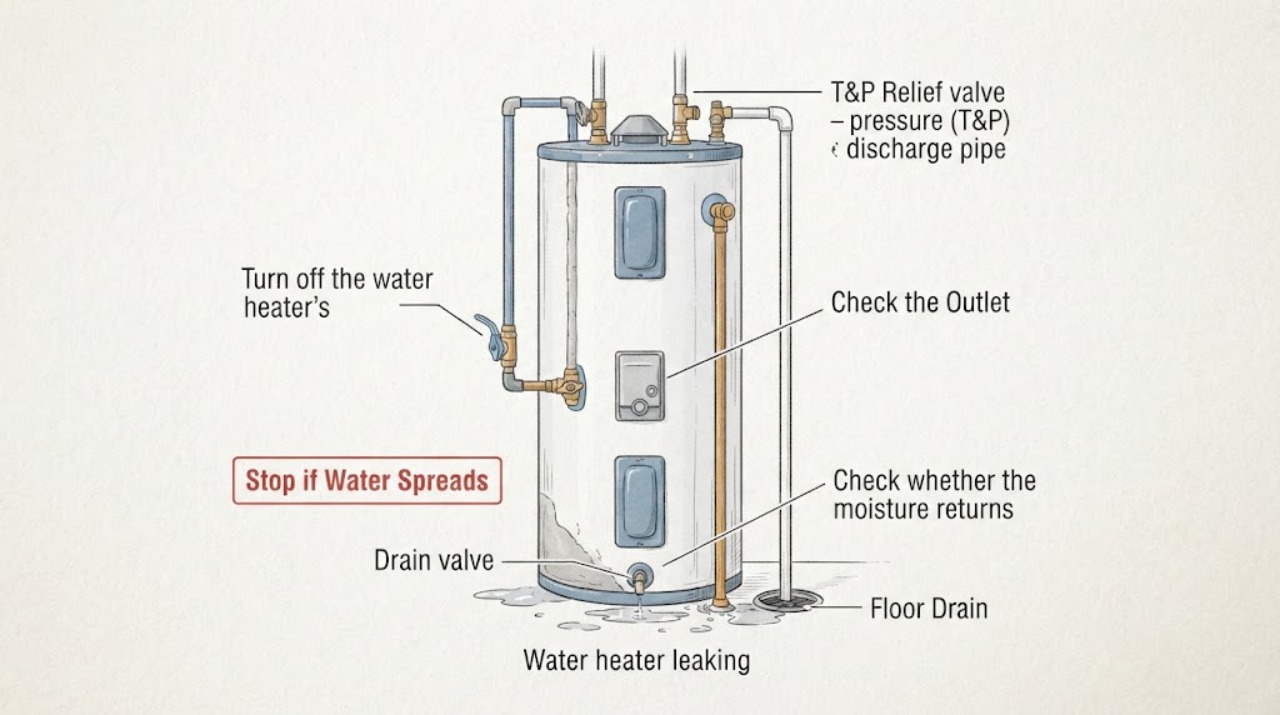
A. O. Smith water heater leaking: What to Check and What to Do Next
If an A. O.
-
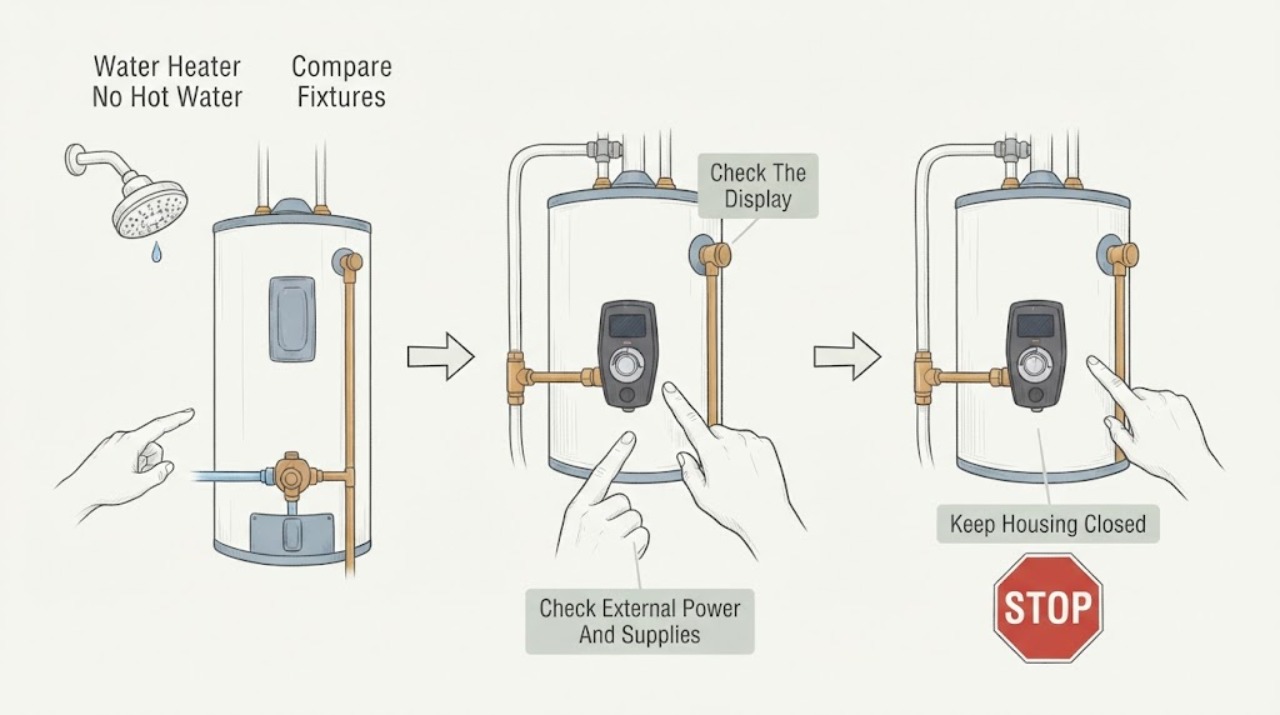
A. O. Smith water heater no hot water: What to Check and What to Do Next
First determine whether the no-hot-water symptom affects every fixture or only one faucet, and whether the A. O.
-
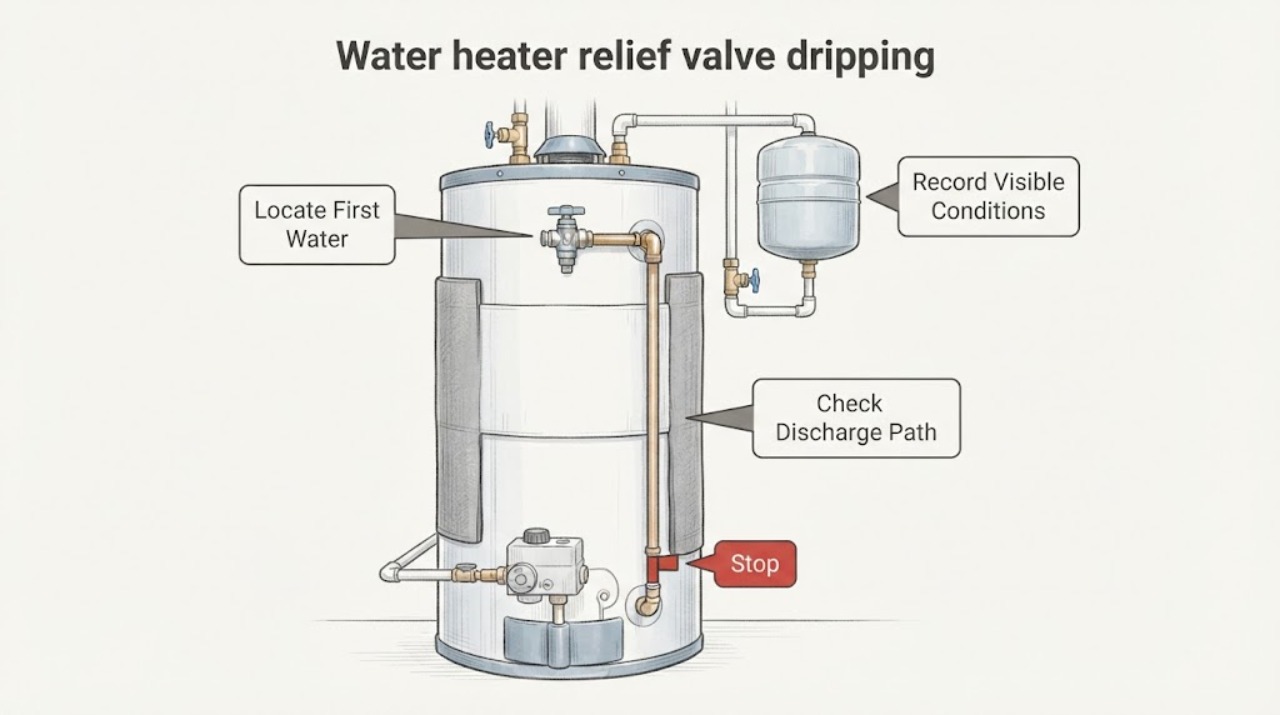
A. O. Smith water heater relief valve dripping: What to Check and What to Do Next
A dripping A. O.
-
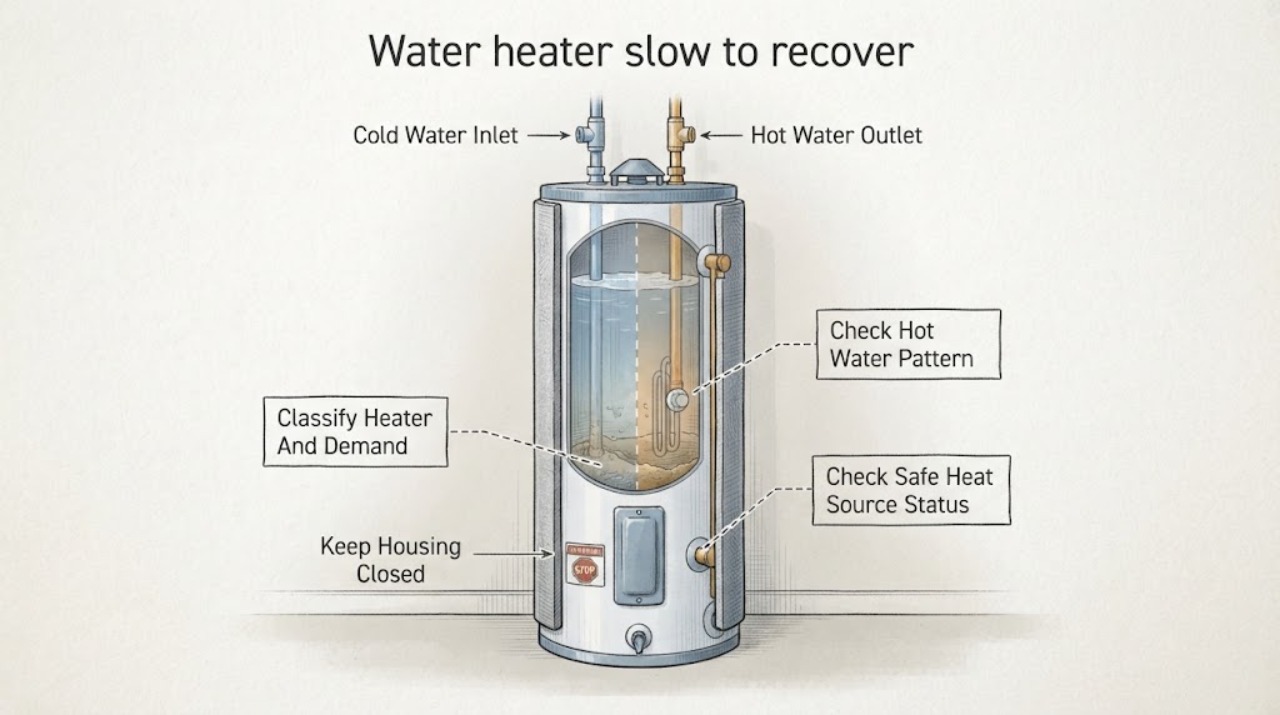
A. O. Smith water heater slow to recover: What to Check and What to Do Next
A. O.
-
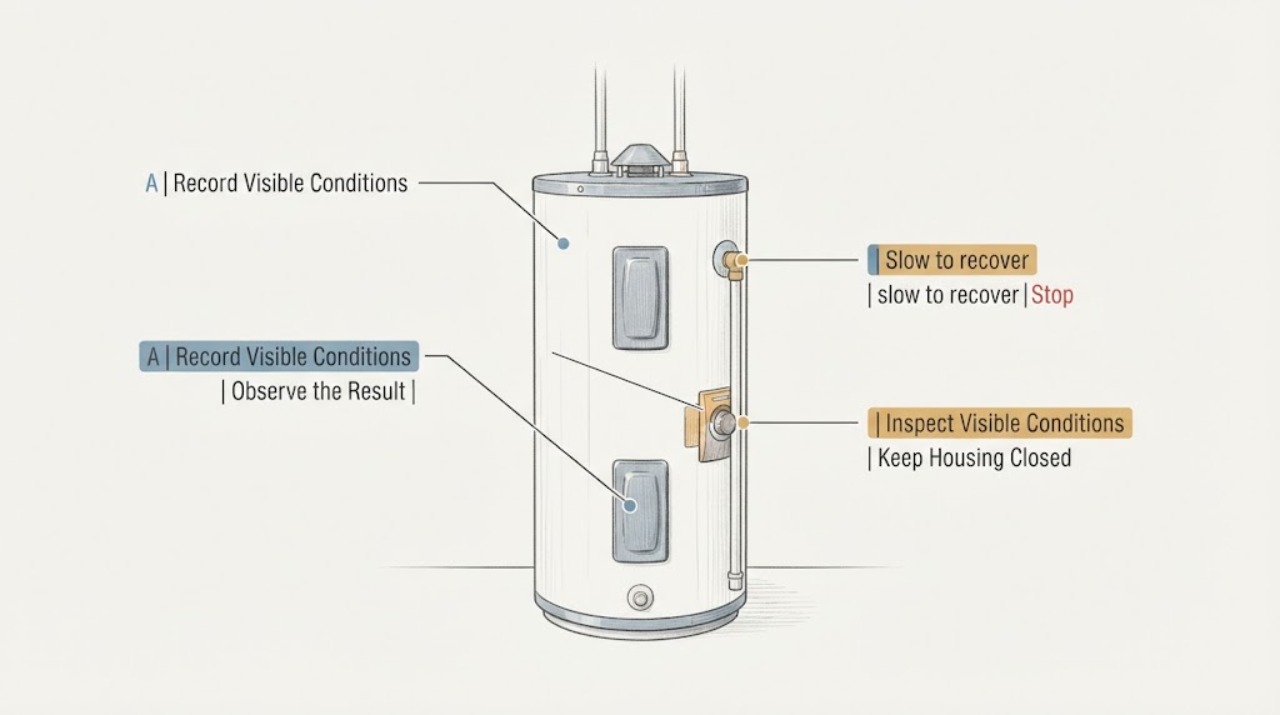
A. O. Smith Water Heater Thermostat Slow to Recover: What to Check and What to Do Next
If an A. O.
-
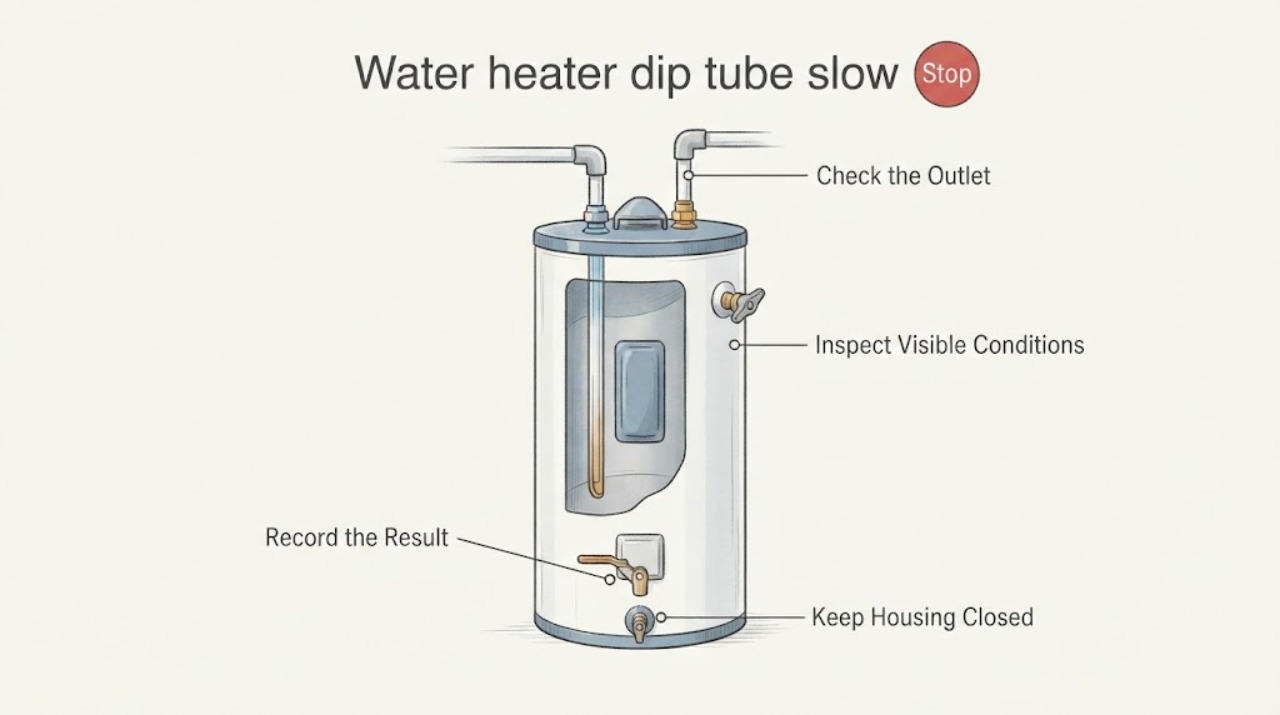
A. O. Smith water heater dip tube slow to recover: What to check and what to do next
A. O.
-
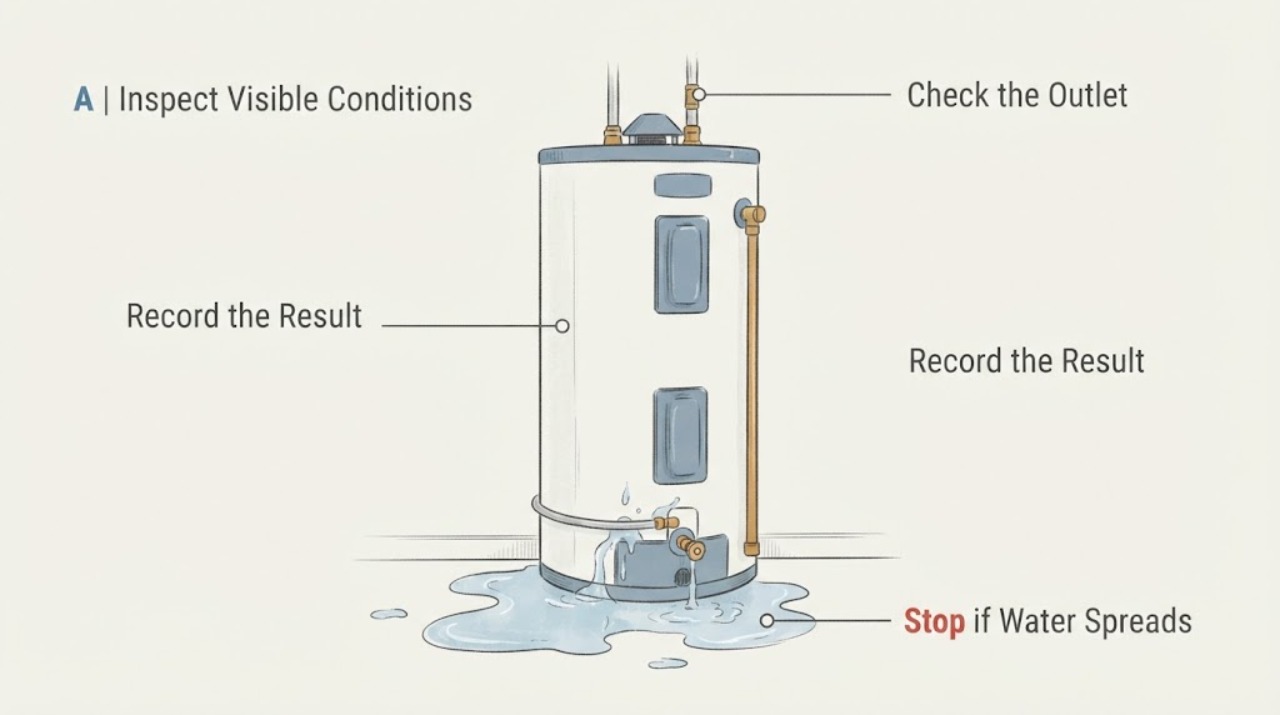
A. O. Smith Water Heater Drain Valve Leaking: What to Check and What to Do Next
If an A. O.
-
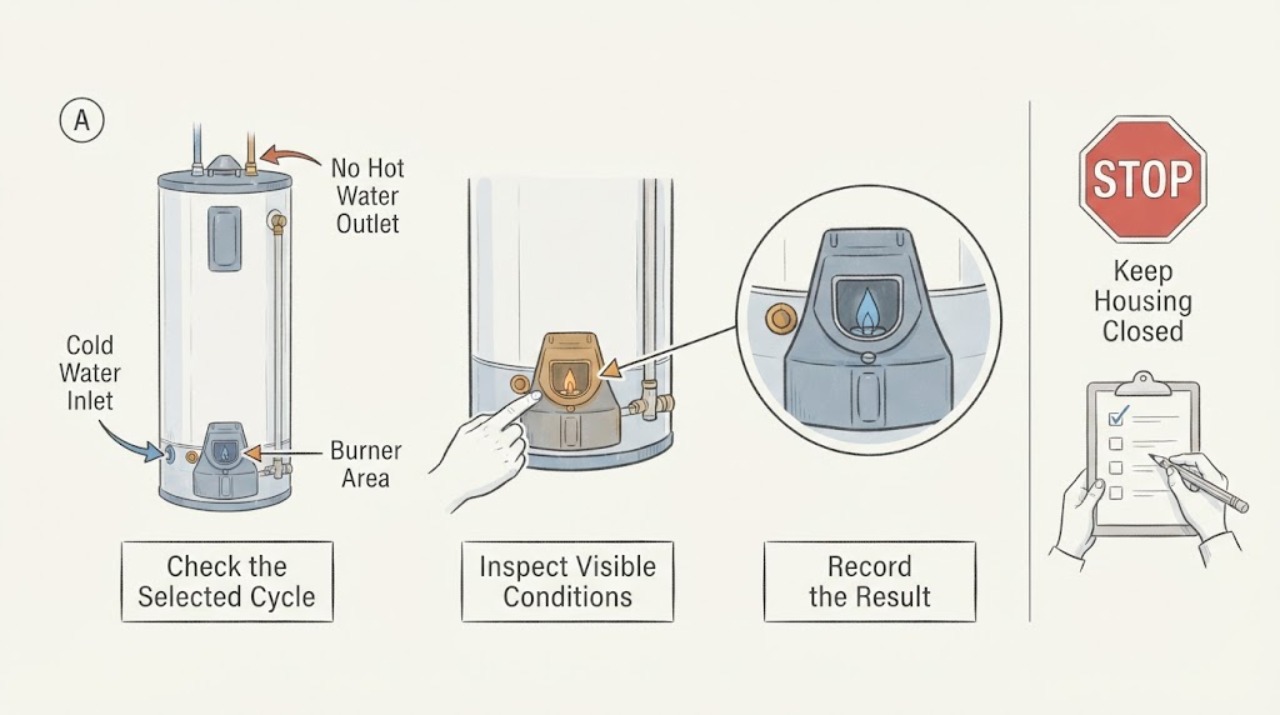
A. O. Smith Water Heater Gas Burner No Hot Water: What to Check and What to Do Next
When an A. O.
-
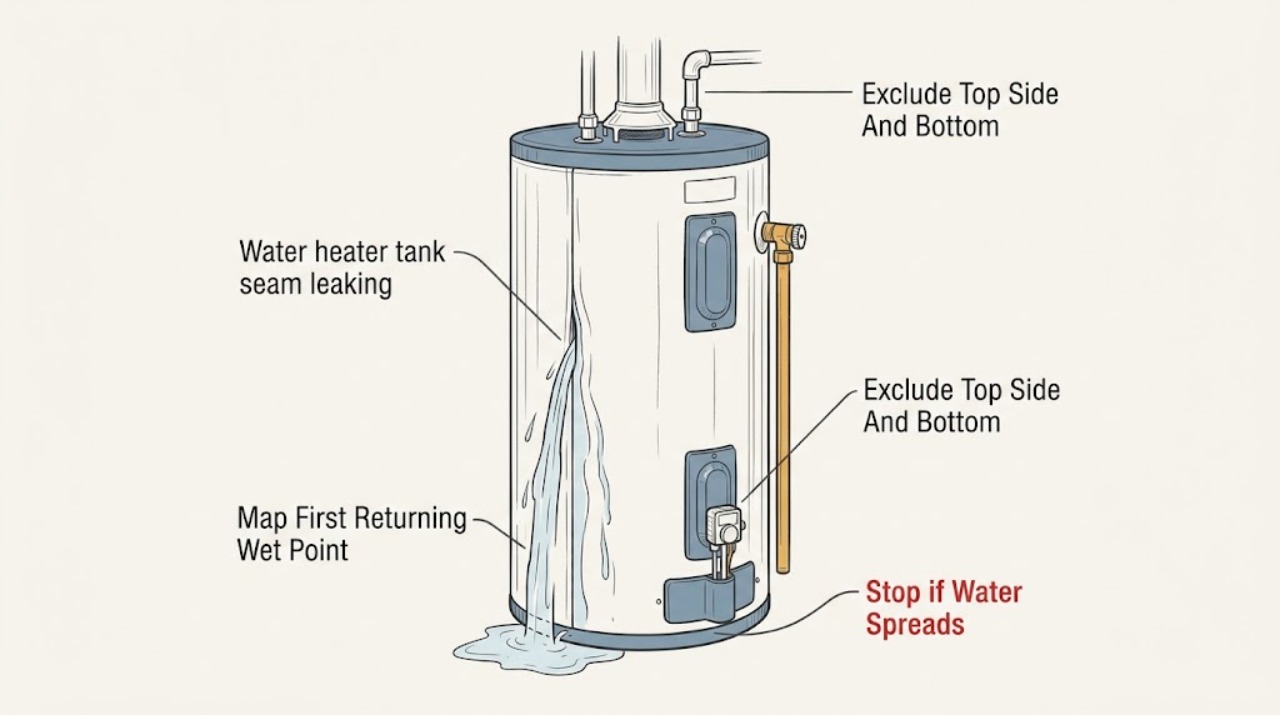
A. O. Smith water heater tank seam leaking: What to check and what to do next
A leak that truly emerges from the tank shell, a welded seam, or a welded tank fitting is a structural tank leak, not an ordinary adjustment. A.
-
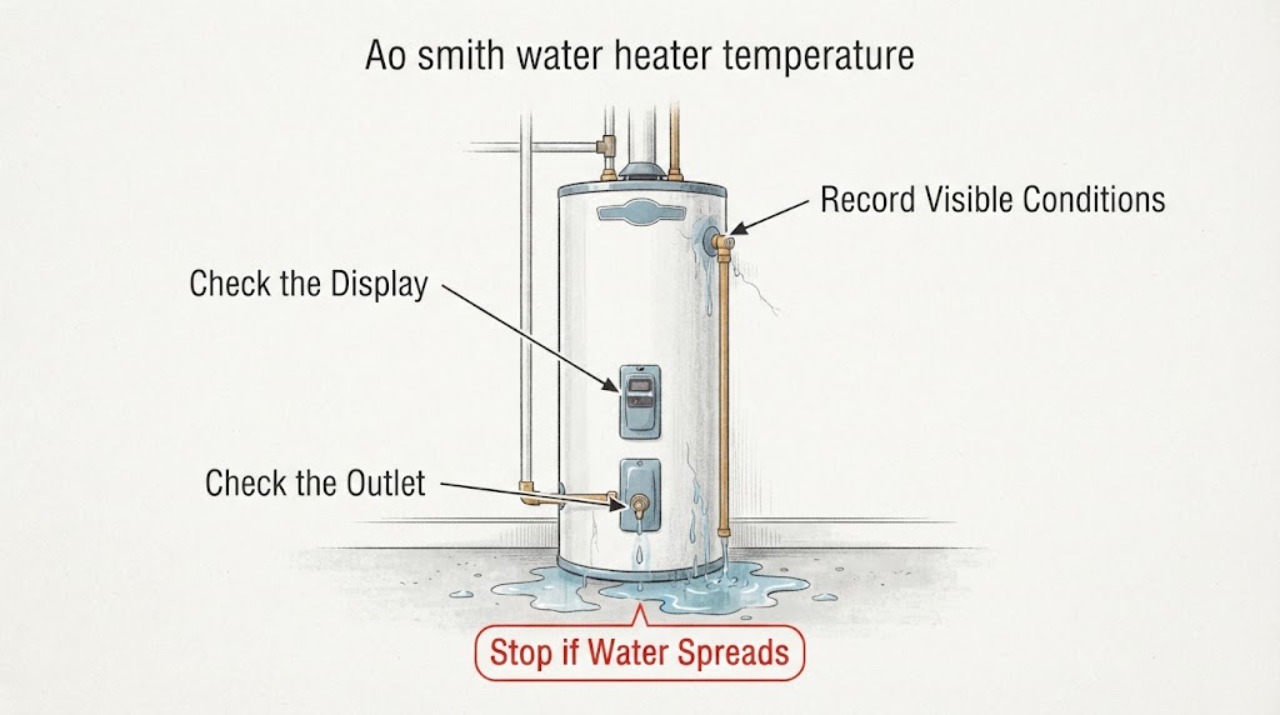
Ao smith water heater temperature pressure relief valve leaking: What to Check and What to Do Next
A leaking A. O.
-
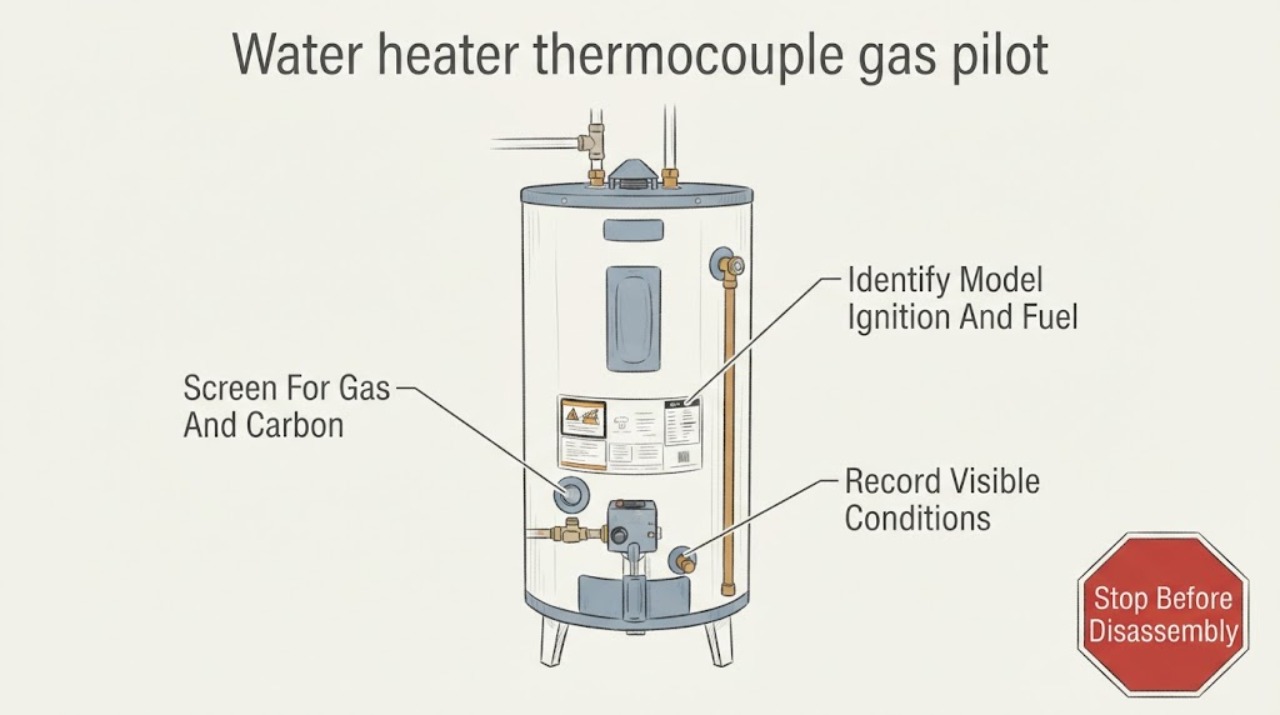
Ao smith water heater thermocouple gas pilot keeps going out: What to Check and What to Do Next
A gas pilot that goes out after the control is released is not proof that the thermocouple alone is bad. The thermocouple or thermopile must sense pilot heat so the gas control can keep the safety valve open, but a weak or misdirected flame, blocked air intake or vent, draft, gas-supply problem, loose connection, control-valve fault, or a model-specific safety condition can produce the same symptom.
-
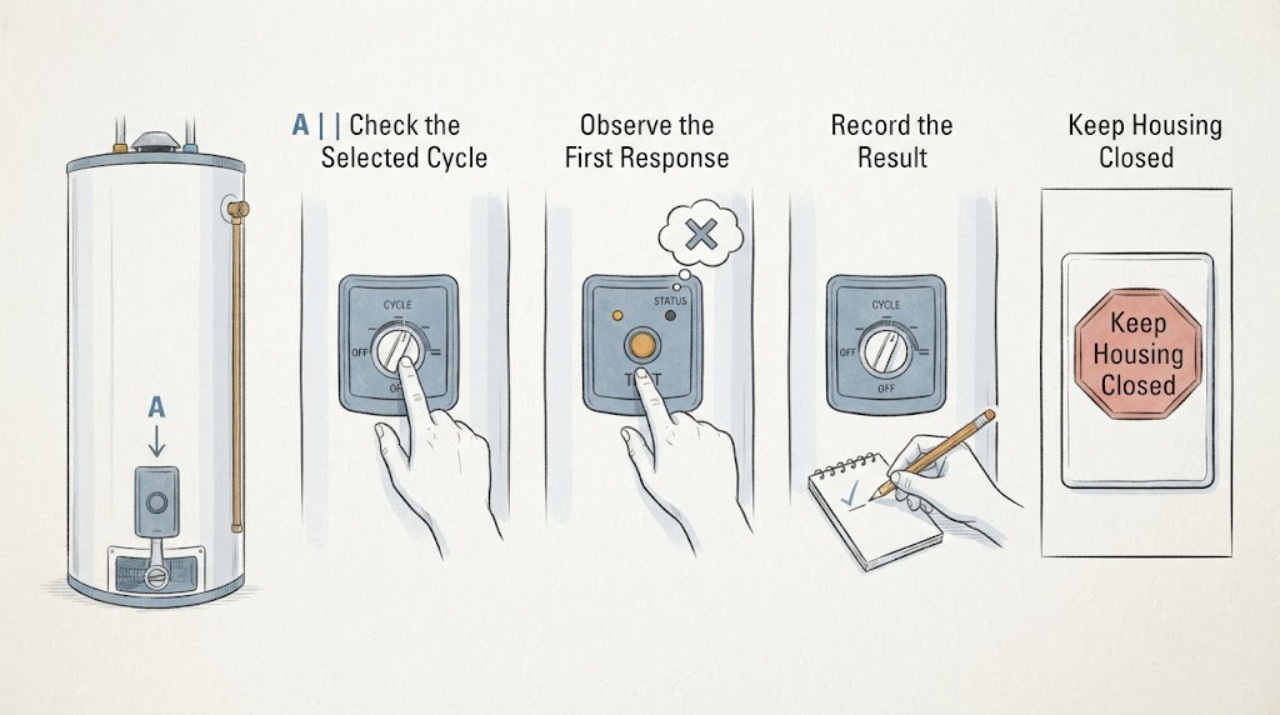
A. O. Smith water heater thermostat no hot water: What to Check and What to Do Next
If an A. O.
-
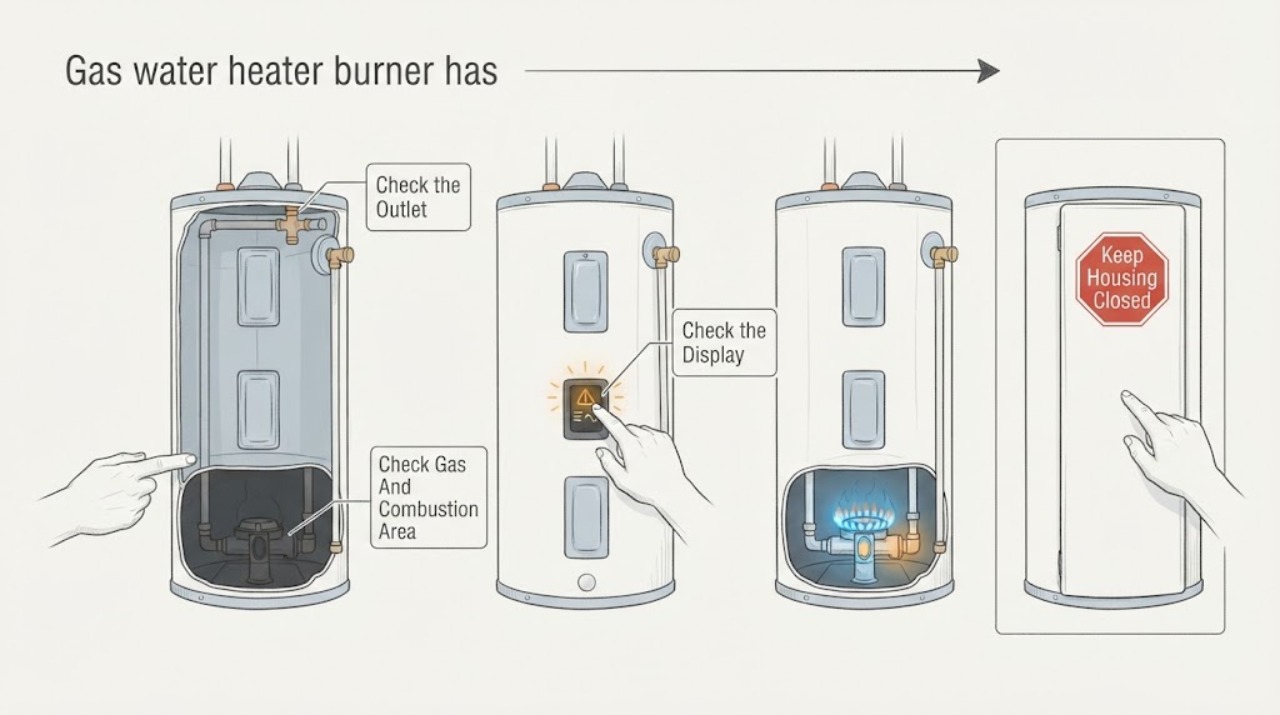
Bradford White gas water heater burner has no hot water: What to check and what to do next
If a Bradford White gas water heater has no hot water, first confirm whether the problem affects every hot-water outlet and whether the heater shows any normal operating indication through its intended viewing window or control display. A pilot that will not light or stay lit, a main burner that does not ignite, a burner that shuts off, a blocked combustion or vent path, a closed or interrupted gas supply, or a safety control fault can all stop heating.
-
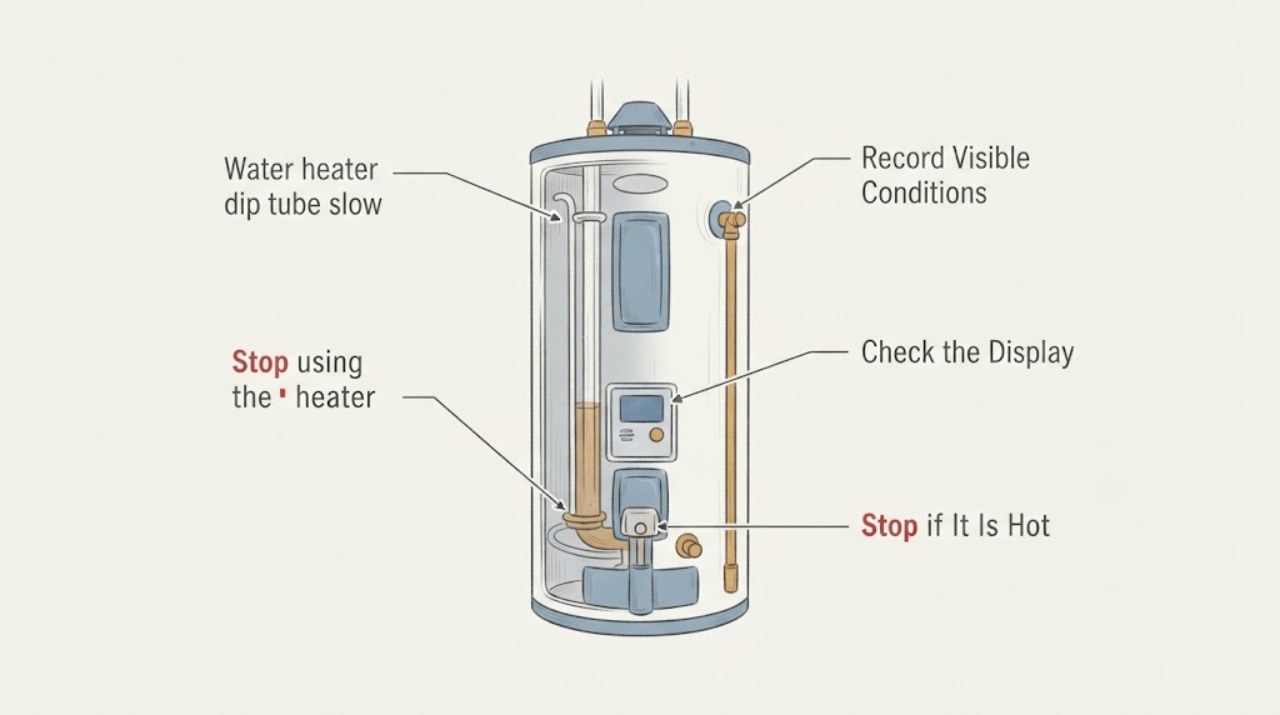
Bradford White water heater dip tube slow to recover: What to Check and What to Do Next
A Bradford White water heater that takes too long to recover may have a cracked or blocked dip tube, but recovery also depends on demand, tank size, burner or element input, thermostat operation, sediment, and the fuel type. The dip tube should send incoming cold water to the bottom of the tank; if it cracks or breaks, cold water can mix with the hot water outlet and make showers turn cool quickly.
-
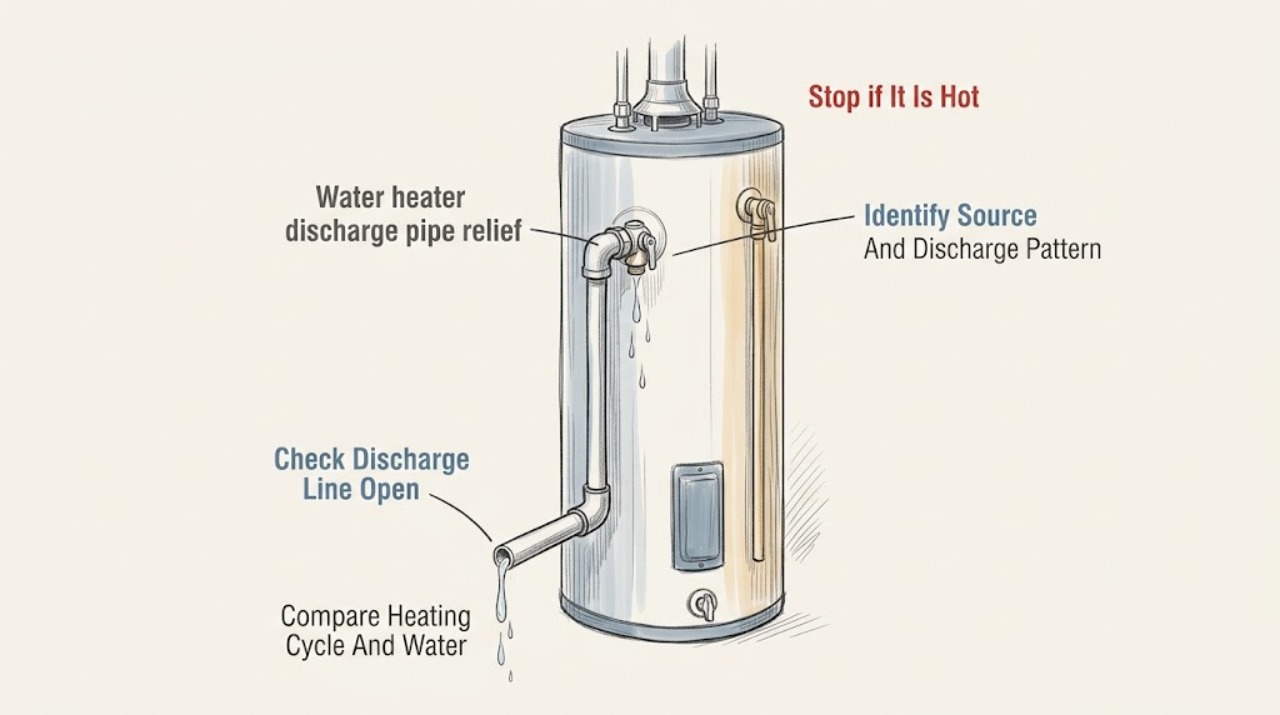
Bradford White water heater discharge pipe relief valve dripping: What to Check and What to Do Next
Water dripping from a Bradford White water heater's temperature-and-pressure relief (T&P) valve discharge pipe is not a pipe to cap or plug. A brief drip during heating can be related to thermal expansion in a closed water system, while a continuous discharge, very hot water, a valve that will not stop, or a leaking tank can indicate excessive pressure, overheating, a contaminated or failed relief valve, or a more serious water-heater fault.
-
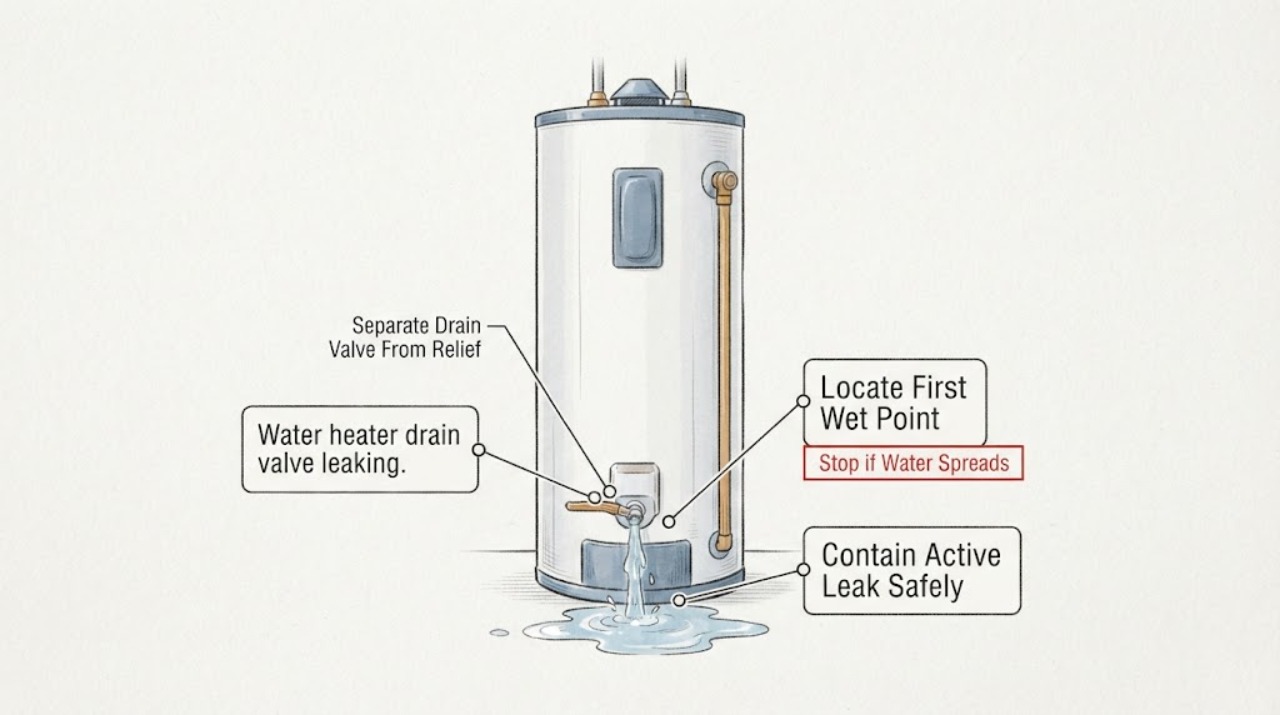
Bradford white water heater drain valve leaking: What to Check and What to Do Next
A Bradford White water heater that appears to leak at the drain valve may instead be leaking from the drain-valve outlet or stem, a nearby water connection, the temperature-and-pressure relief discharge, a condensate line, or the tank itself. Do not touch or open the drain valve while the water may be hot or pressurized, and never plug the relief-valve outlet.
-
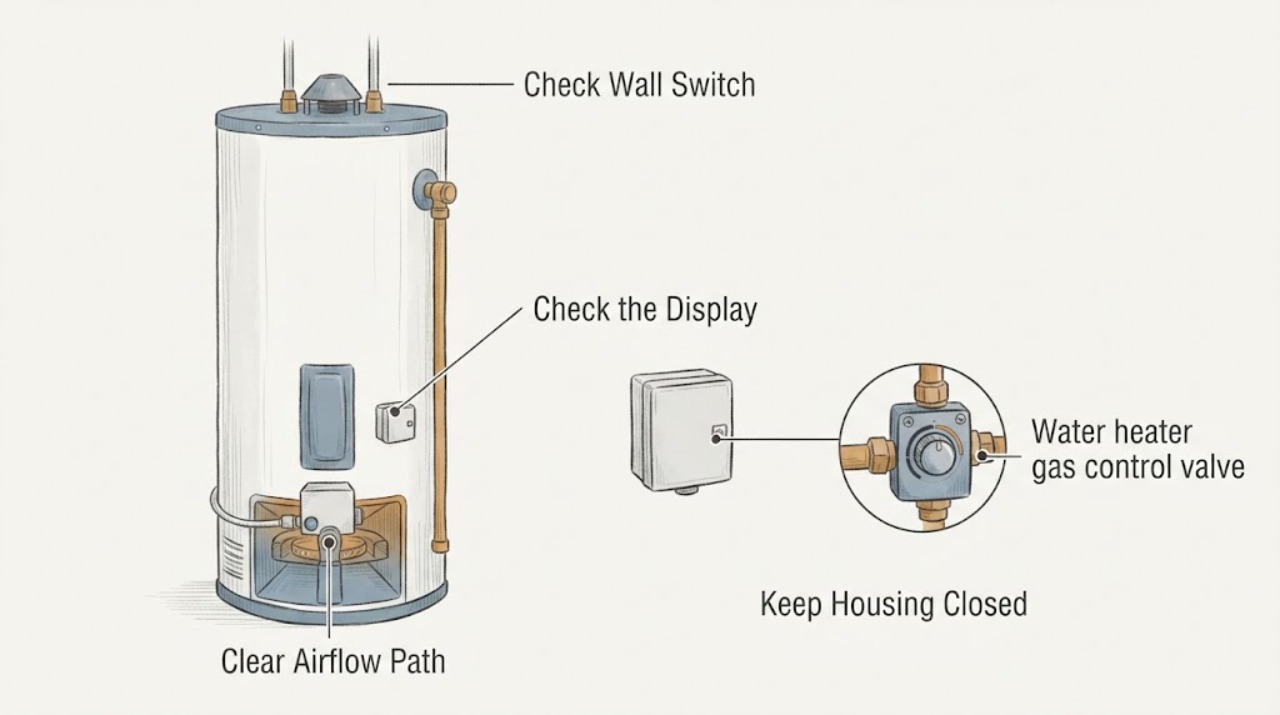
Bradford white water heater gas control valve pilot keeps going out: What to Check and What to Do Next
A Bradford White gas water-heater pilot that keeps going out is not a normal repeated-lighting task. If you smell gas, hear hissing, see soot or flame outside the combustion area, receive a carbon-monoxide alarm, or feel unwell, leave immediately, avoid switches or flames, and contact emergency or gas utility services from a safe location.
-
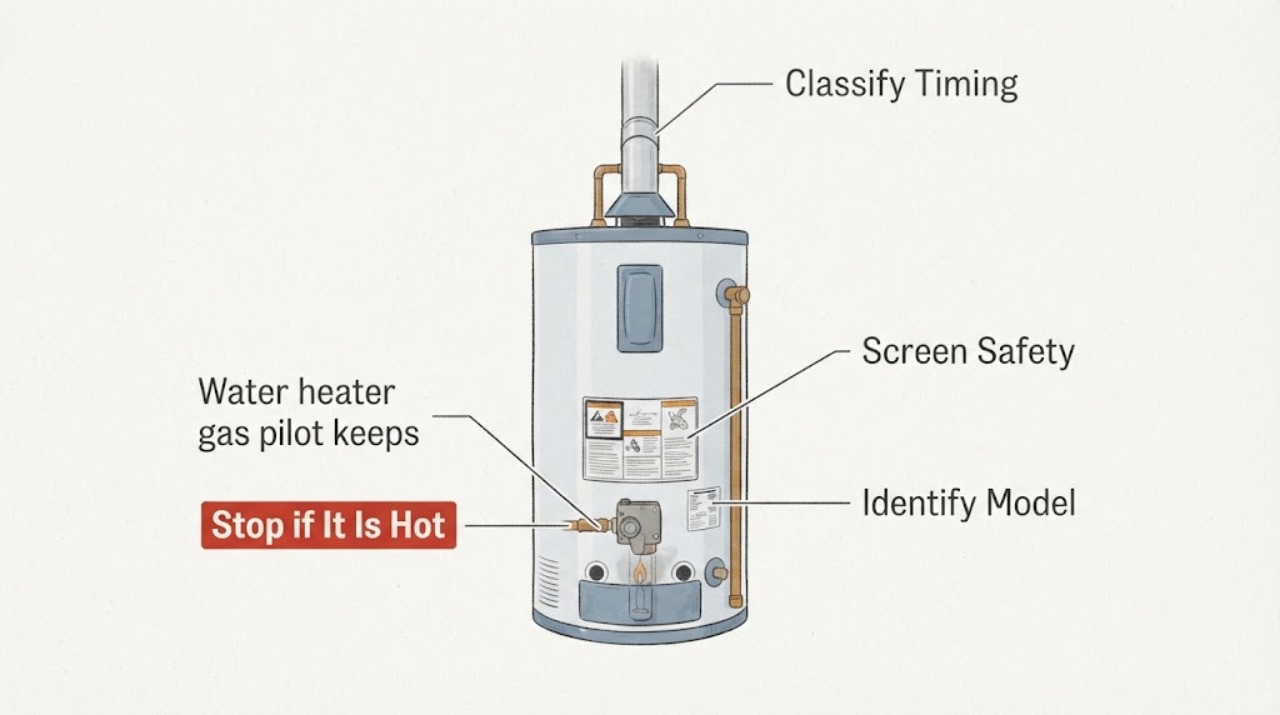
Bradford White water heater gas pilot keeps going out: What to Check and What to Do Next
A Bradford White gas water heater pilot should not need frequent relighting. First check for a gas odor, fire or heat damage, or an unsafe vent or air-intake condition from a safe position; if gas is suspected, do not light anything, operate switches, or use a phone in the building.
-
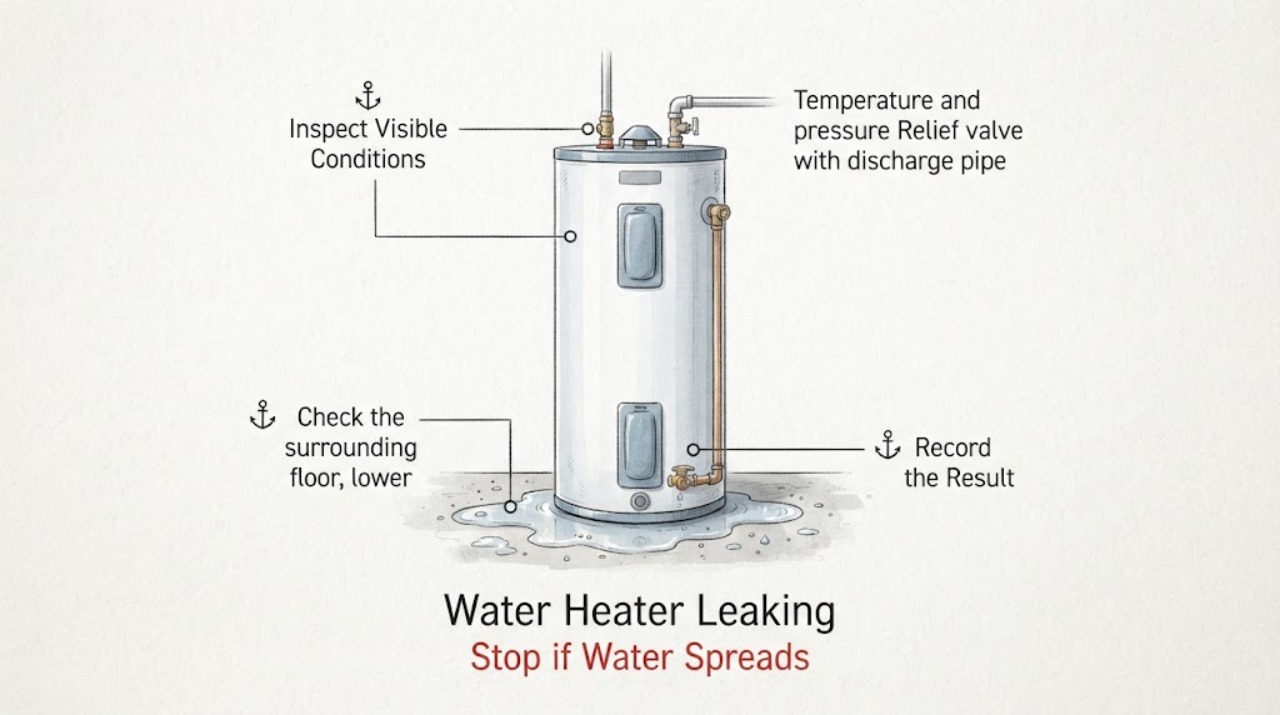
Bradford White Water Heater Leaking: What to Check and What to Do Next
First find the highest wet point rather than assuming the tank has failed. Water at a threaded connection, drain valve, or fitting can have a different remedy from water emerging through the tank shell; water at the temperature and pressure relief discharge can indicate a relief or pressure condition, and water on a condensing model may be condensate or a blocked drain.
-
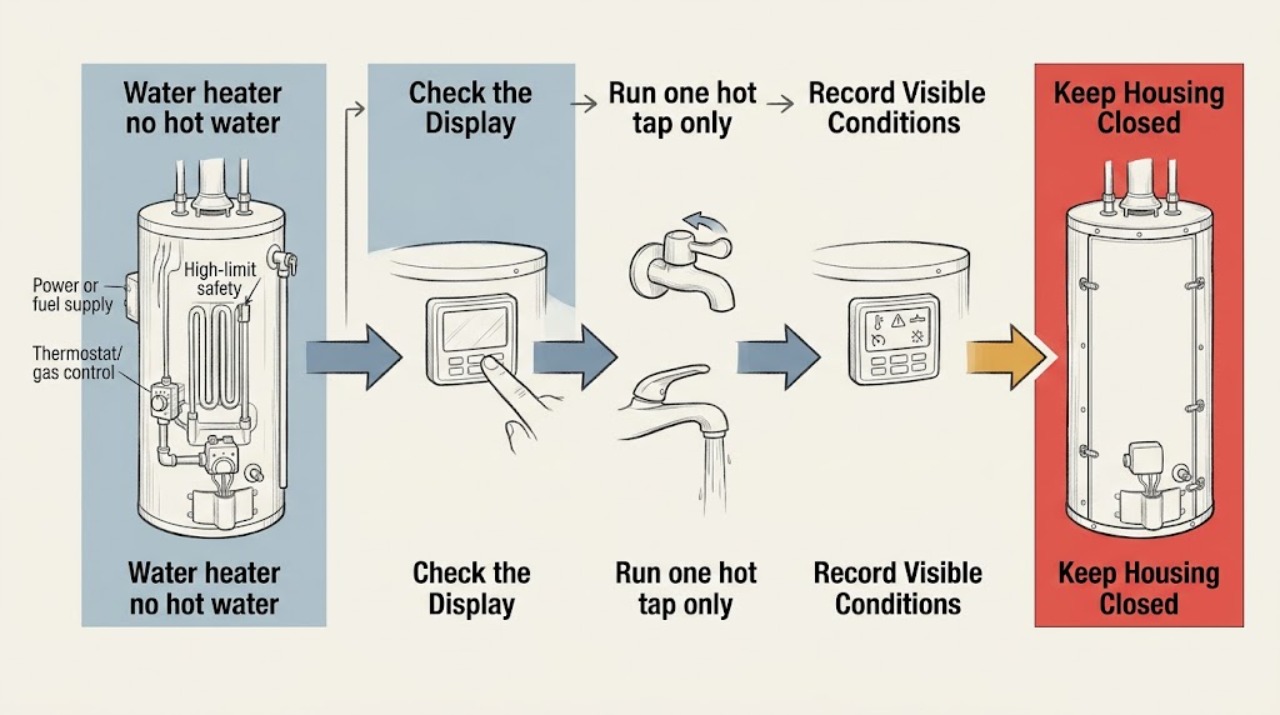
Bradford White water heater no hot water: What to Check and What to Do Next
When a Bradford White water heater produces no hot water, first identify whether the unit is electric, gas, tankless, or a heat-pump model and whether the problem affects every hot tap.
-
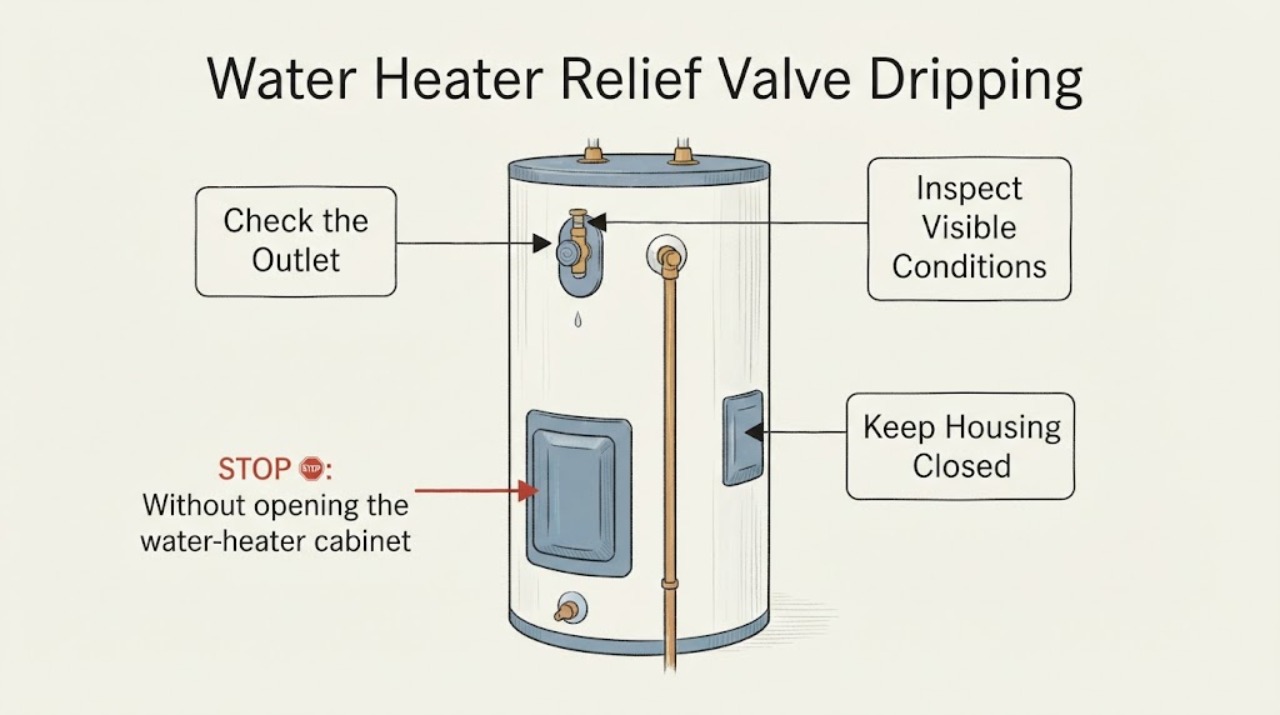
Bradford White Water Heater Relief Valve Dripping: What to Check and What to Do Next
A dripping temperature and pressure relief valve is a safety signal, not a nuisance leak to cap. Water may be discharged because a closed water system is building pressure as water heats, because the valve is defective or contaminated, or because temperature or another water-heater condition needs attention.
-
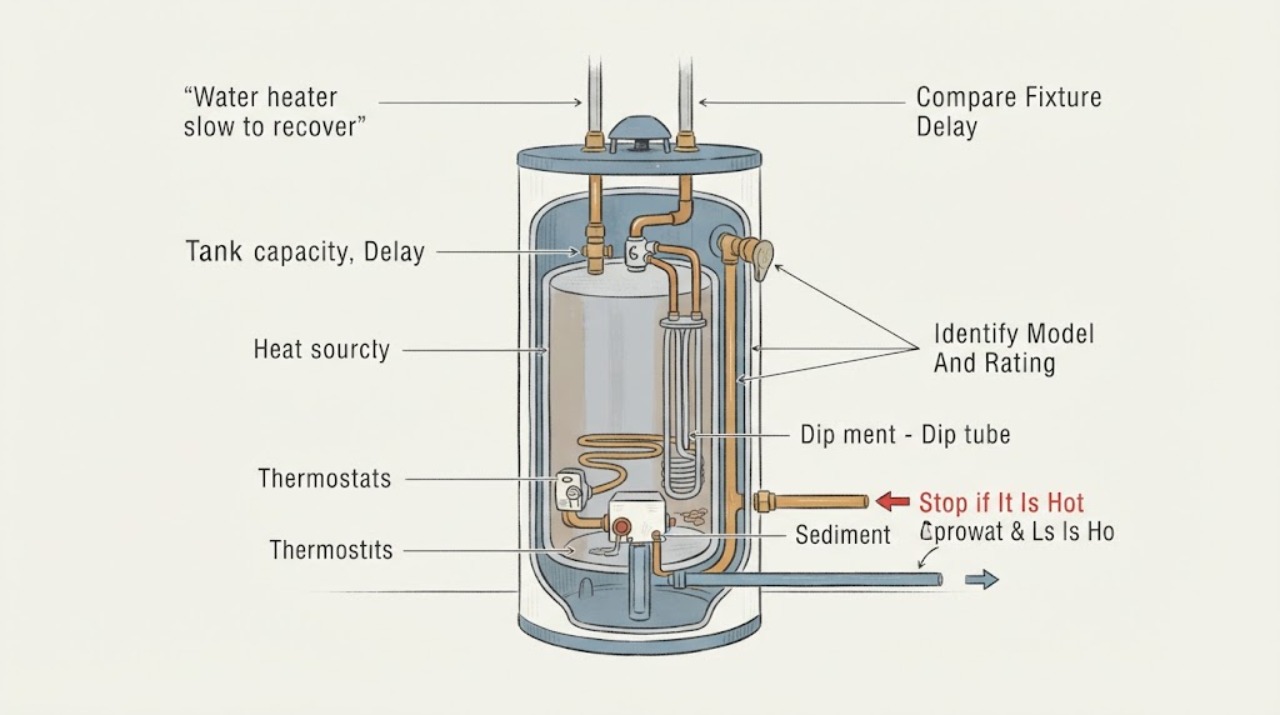
Bradford White water heater slow to recover: What to Check and What to Do Next
First separate slow hot water reaching one distant faucet from a Bradford White tank that actually takes too long to reheat after a known hot-water draw. Recovery depends on the heater's tank capacity, heat source, and burner or element input, so compare the timing with the model's rating and household demand rather than guessing from one shower.
-
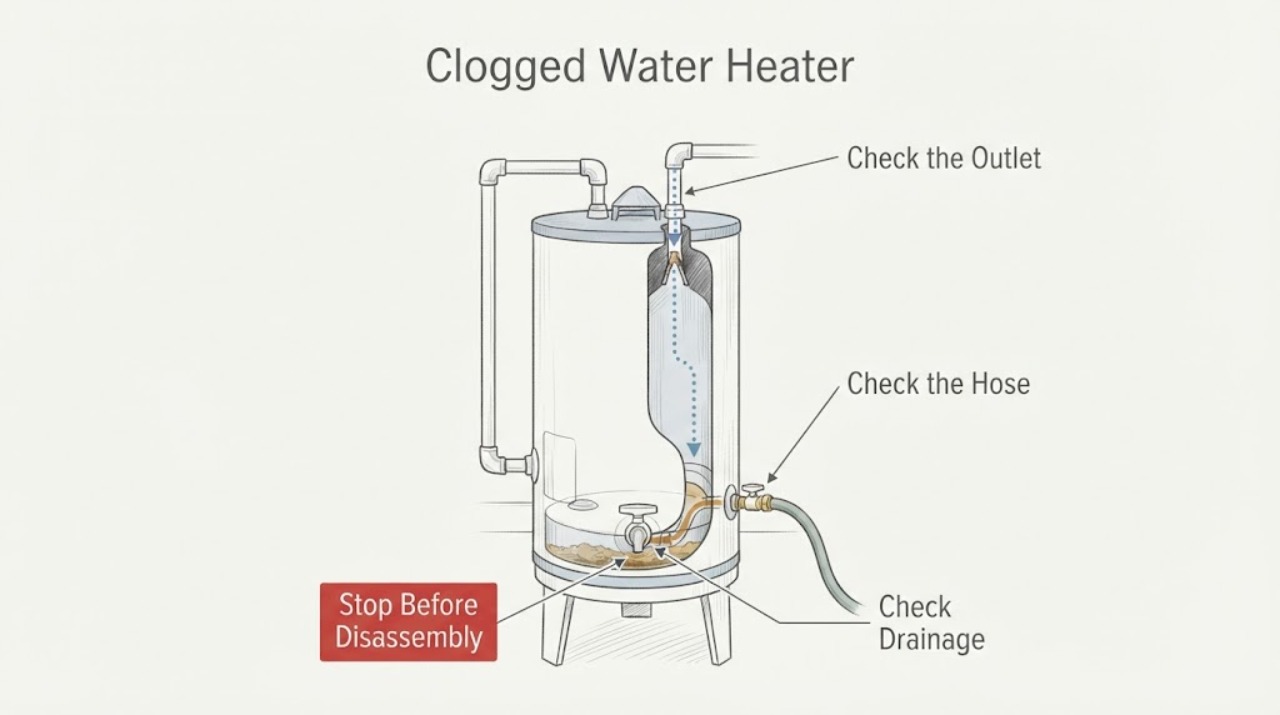
Clogged Water Heater: Safe Checks for Low Flow and Sediment
A water heater that seems clogged may have sediment blocking a storage-tank drain valve, a restricted hot-water outlet or shutoff valve, or debris in a tankless inlet filter. First compare hot and cold flow at more than one fixture and look for leaks, hot discharge, or gas or electrical warning signs without opening the heater.
-
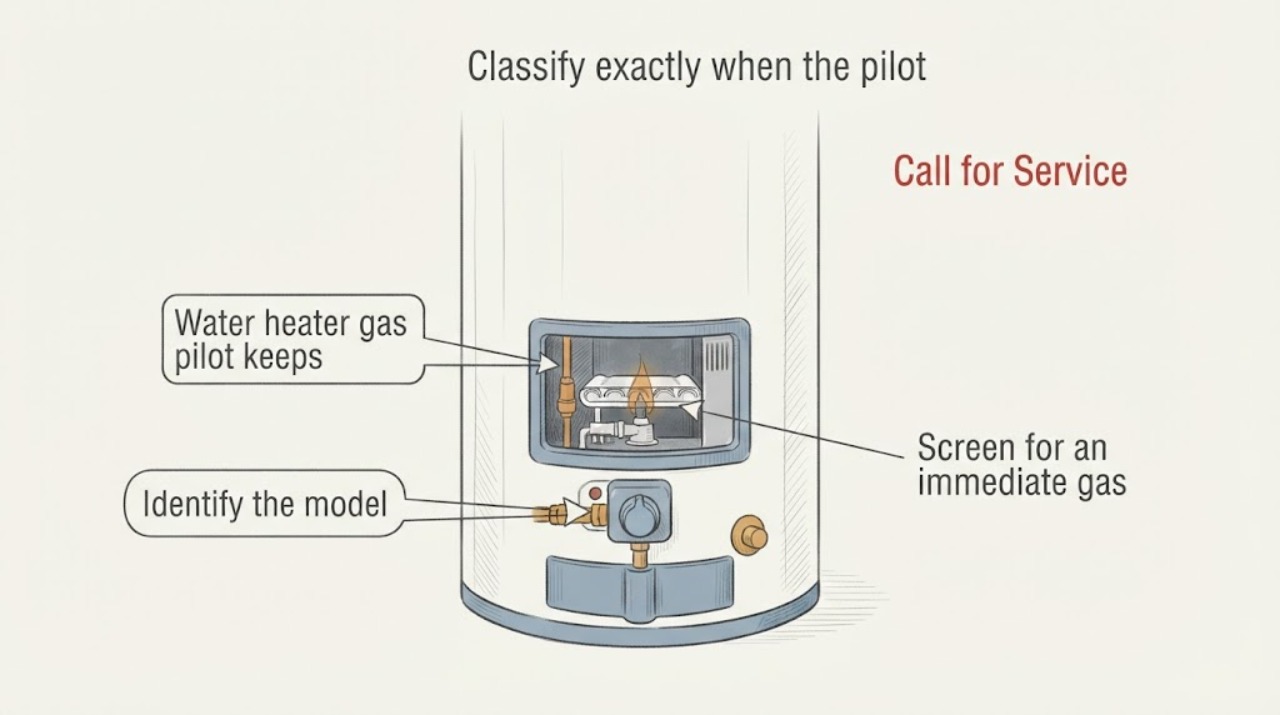
Rheem water heater gas pilot keeps going out: What to Check and What to Do Next
A Rheem gas water heater pilot that will not stay lit is a combustion and safety-control symptom, not a reason to keep relighting it. First check from ordinary safe access for a gas odor, hissing, smoke, soot, water damage, or a flame that behaves abnormally; leave the area and use the gas supplier or emergency procedure for a gas hazard.
-
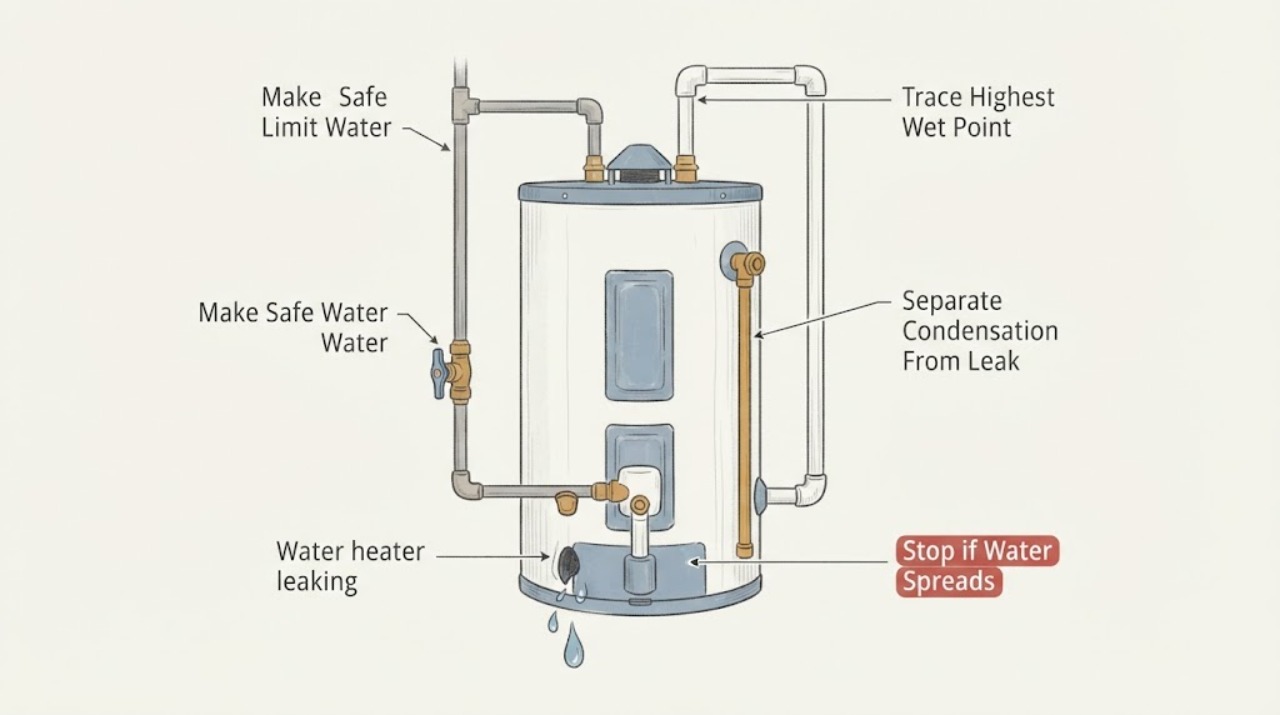
Rheem water heater leaking: What to Check and What to Do Next
Treat a Rheem water-heater leak as a water-damage and equipment-safety issue, not as a reason to tighten every fitting or open the heater. From a dry, safe position, identify whether water is coming from an external pipe or fitting, the temperature-and-pressure relief discharge, the drain or service opening, condensation, or the tank body.
-
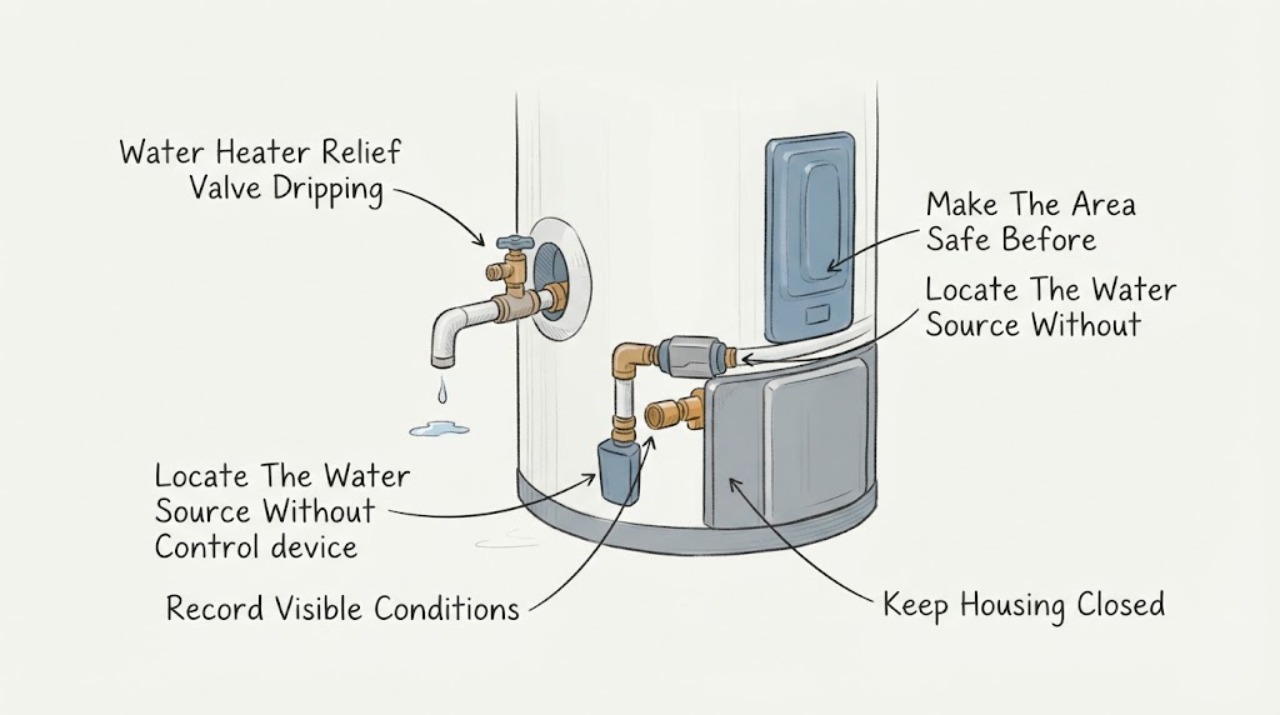
Rheem Water Heater Relief Valve Dripping: What to Check and What to Do Next
A drip from a Rheem water heater's temperature-and-pressure (T&P) relief valve or its discharge pipe is a safety signal, not a fitting to cap. Keep people away from the outlet because the water may be scalding, and do not lift the lever, remove the valve, or work on the heater while it is hot.
-
Rheem water heater slow to recover: What to Check and What to Do Next
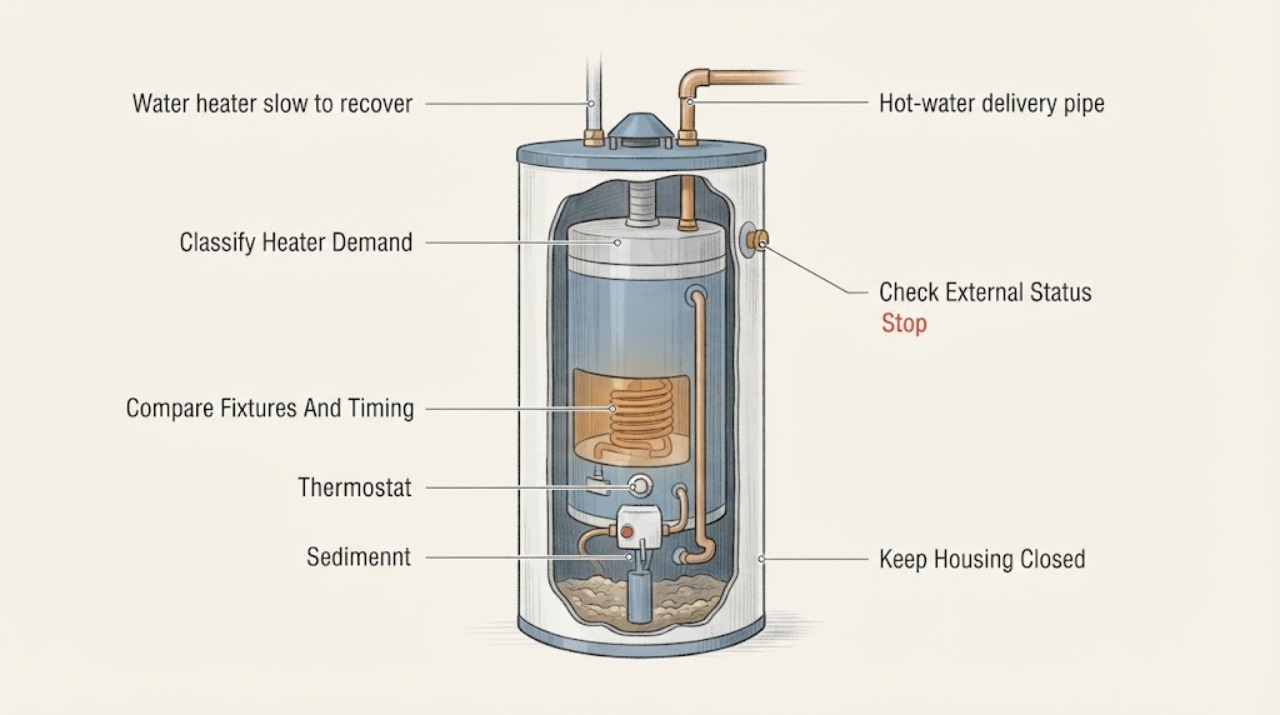
A Rheem water heater may recover slowly after a large draw because demand, tank capacity, fuel type, heat input, incoming-water conditions, operating mode, and maintenance all affect the result. First compare a repeated equivalent draw: determine whether the shortage has always existed or is new, whether water is lukewarm from the start or only runs out, and whether every fixture is affected.
-
Rinnai water heater gas pilot keeps going out: What to Check and What to Do Next
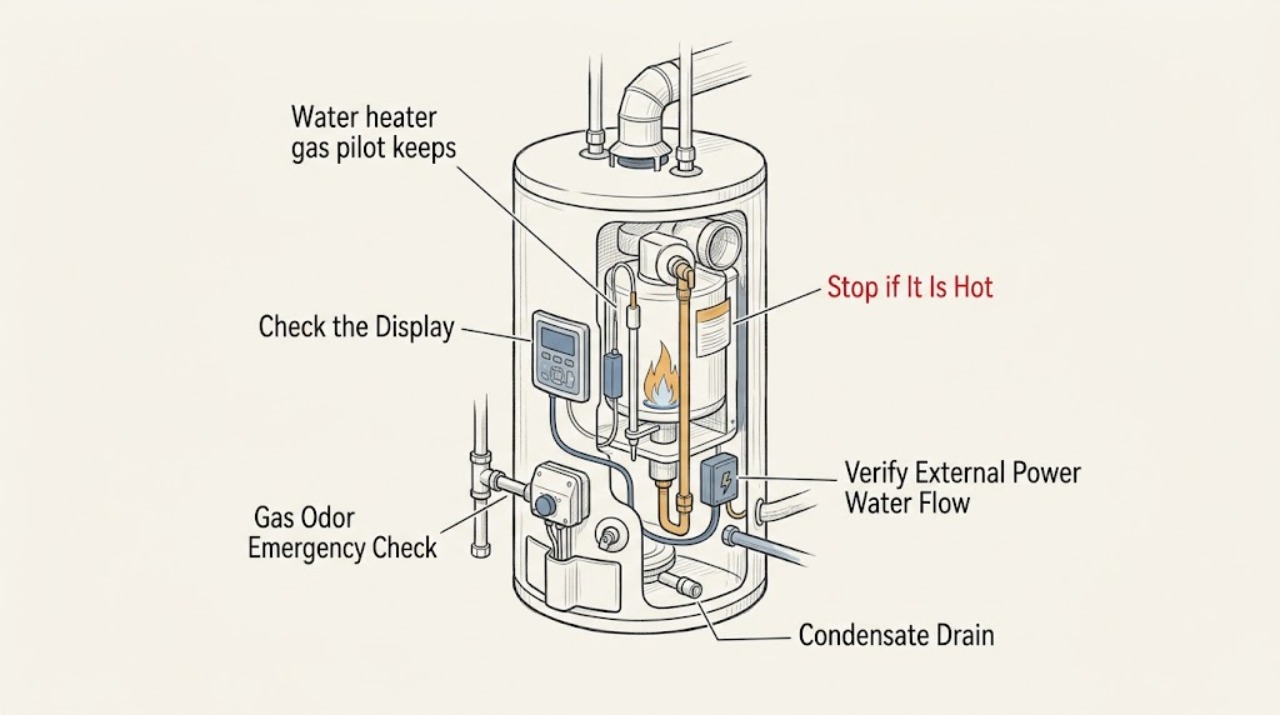
First confirm what kind of Rinnai heater you have. Rinnai tankless gas water heaters use direct-spark electronic ignition rather than a standing pilot: the burner lights when a hot-water tap creates demand and goes out when the tap closes.
-
Rinnai water heater leaking: What to Check and What to Do Next
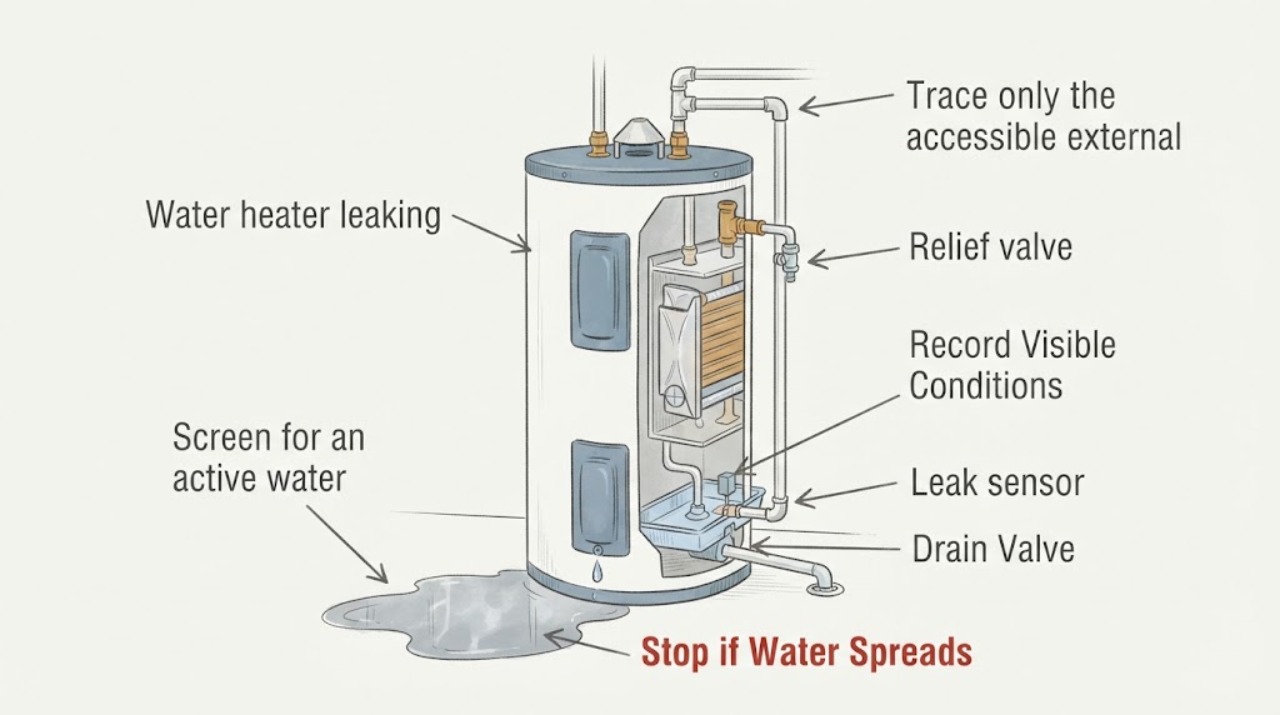
A leaking Rinnai water heater should be treated as a water-damage and, for gas or powered models, an electrical or combustion safety problem until the source is known. From a dry position, stop using hot water at the unit and identify whether the water is coming from an external pipe connection, relief discharge, condensate or drain path, the bottom pan, or inside the cabinet.
-
Rinnai Water Heater No Hot Water: What to Check and What to Do Next
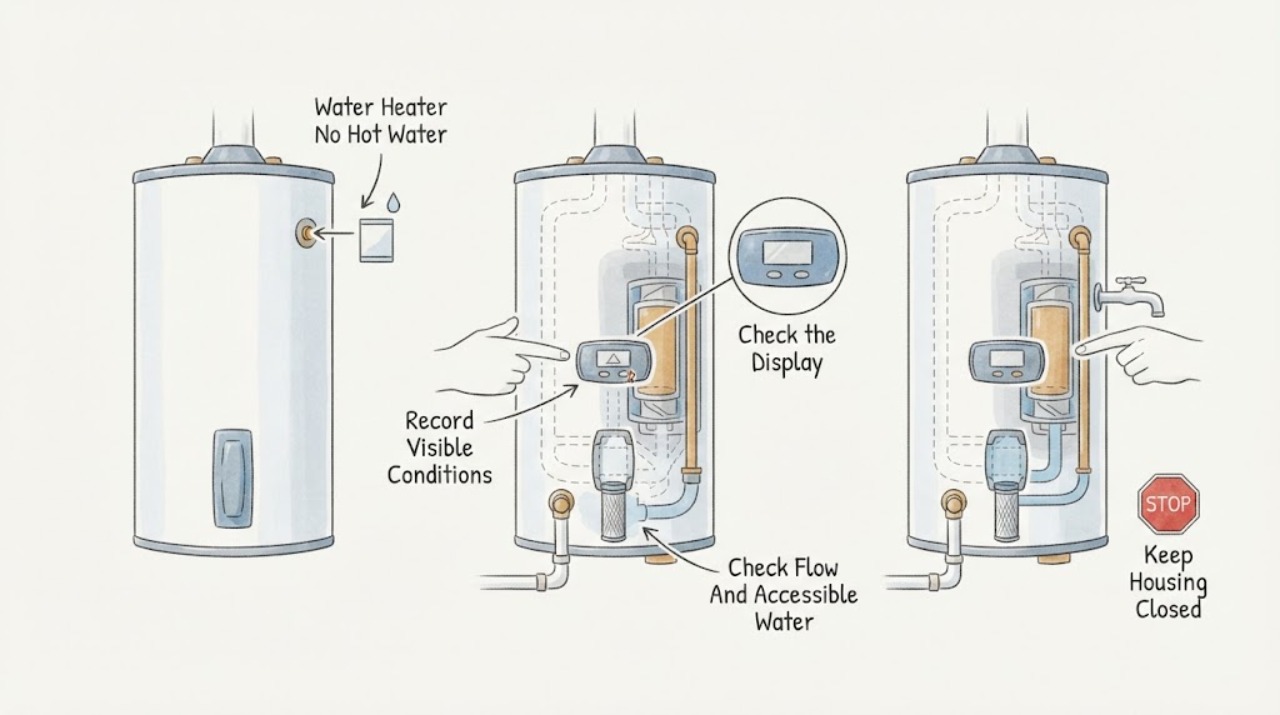
When a Rinnai water heater produces no hot water, first determine whether the problem is at every hot-water fixture or only one tap, and record any controller code or blank display. From a safe position, confirm the unit has its normal power, the user control is on, the visible water supply is open, and any external vent termination is unobstructed; do not remove the front cover or test gas or electrical parts.
-
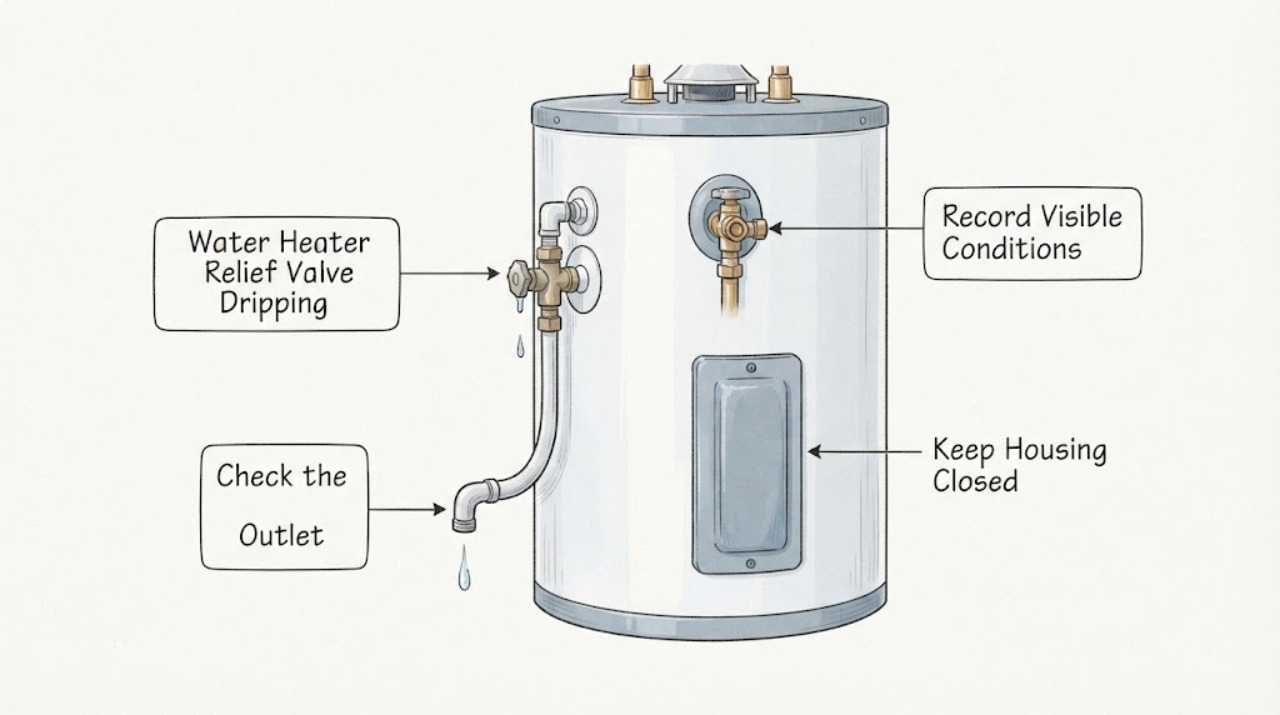
Rinnai Water Heater Relief Valve Dripping: What to Check and What to Do Next
A dripping Rinnai relief valve is a safety signal, not a leak to cap. Rinnai tankless manuals describe a pressure relief valve, while some Rinnai hybrid systems use a temperature and pressure relief valve; the exact model manual controls the diagnosis.
-
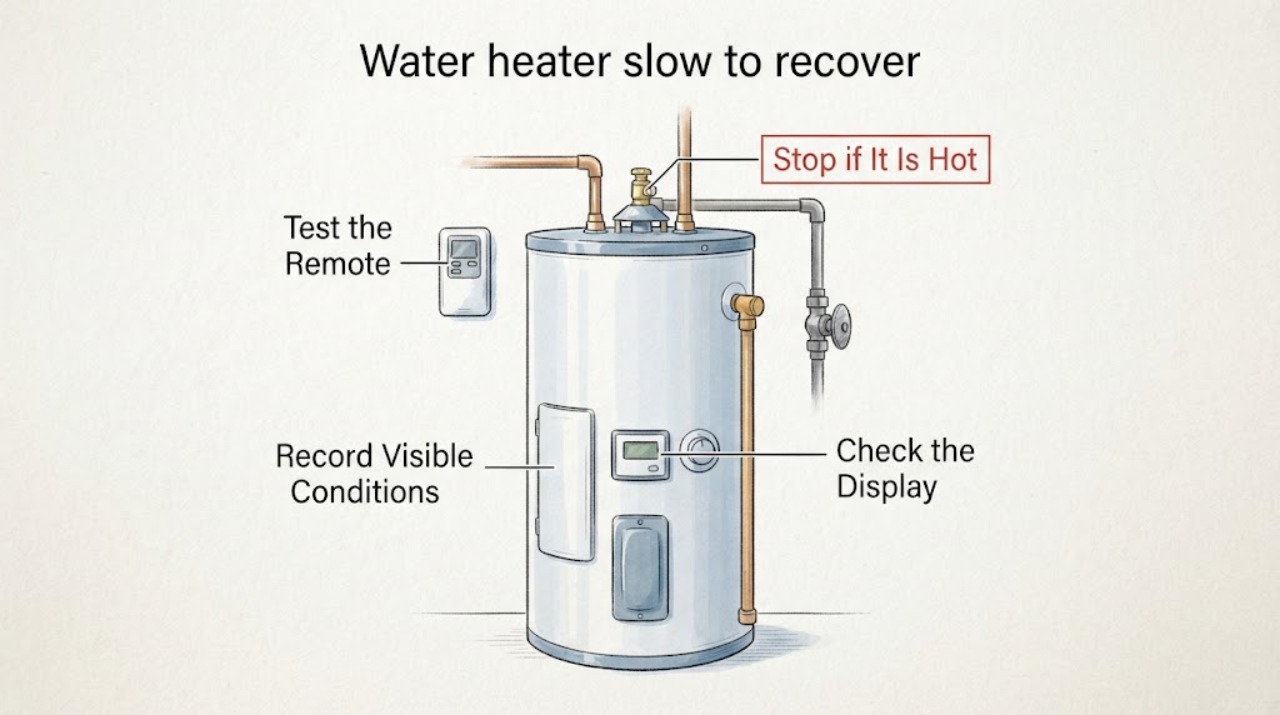
Rinnai water heater slow to recover: What to Check and What to Do Next
A Rinnai water heater that takes too long to restore hot water may be meeting a demand larger than the system's storage or heating capacity, operating on a delayed schedule, receiving too little water flow, or running with a power, gas, inlet-filter, control, or heating fault. First identify whether the unit is a tankless continuous-flow, storage-tank, heat-pump, or solar/boosted system.
-
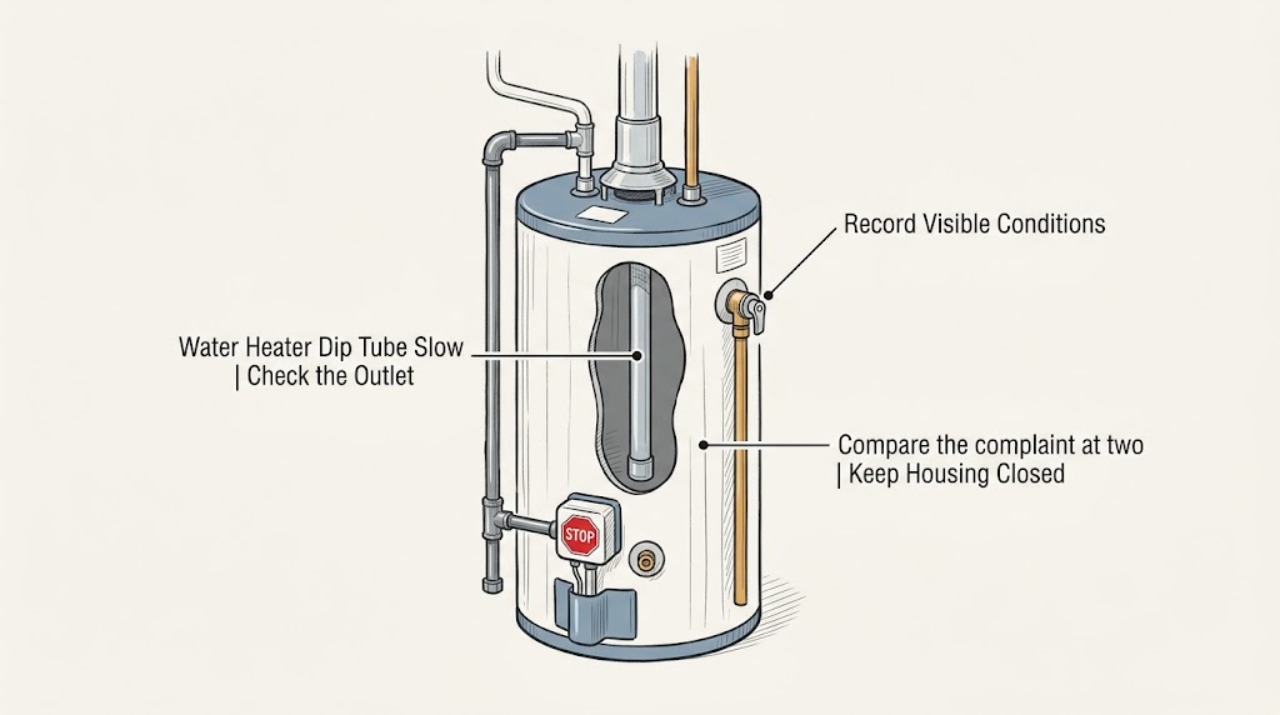
Water Heater Dip Tube Slow to Recover: What to Check and What to Do Next
A storage water heater's dip tube sends incoming cold water to the bottom of the tank so the heated water remains available at the top. If the tube cracks, breaks, or becomes restricted, cold water can mix near the hot outlet and the supply may turn lukewarm unusually quickly; however, slow recovery is also commonly associated with heavy demand, sediment at the heating source, a heating element or thermostat problem, or an undersized or very cold-water-fed system.
-
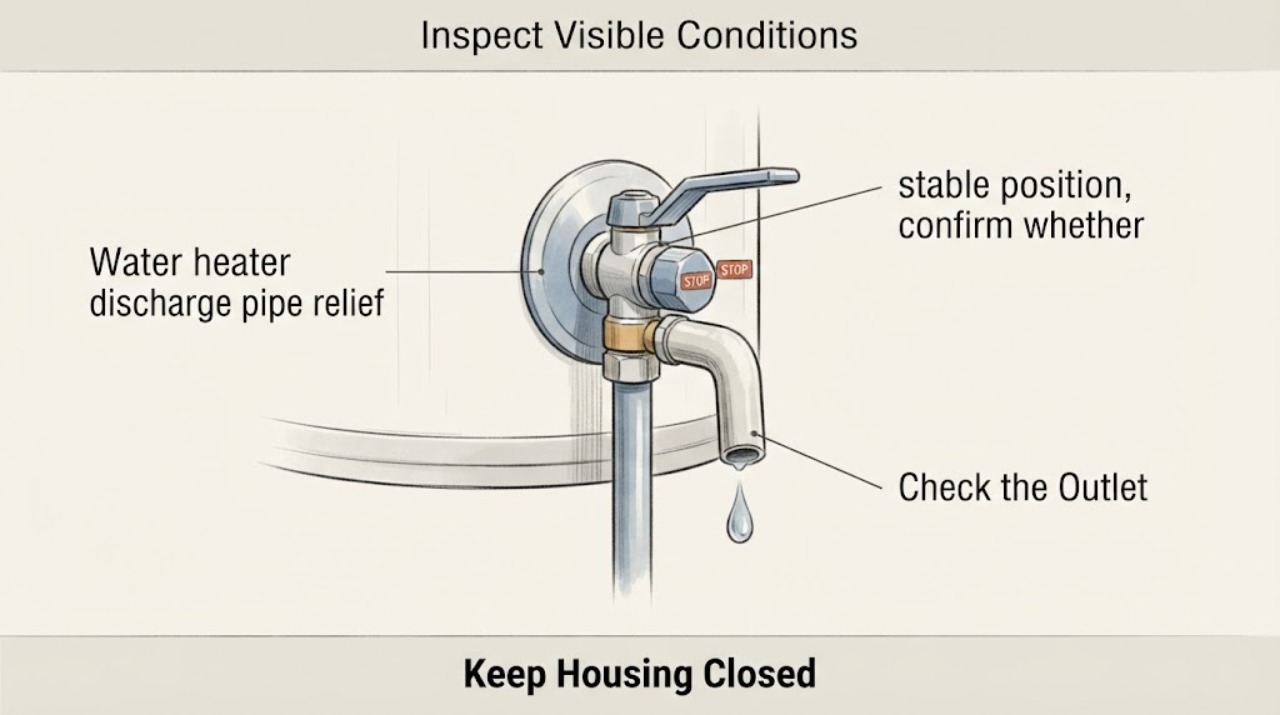
Water heater discharge pipe relief valve dripping: What to Check and What to Do Next
Water from a water heater's discharge pipe means the temperature-and-pressure relief valve has opened or is not sealing. A small drip that appears during or just after a heating or recovery cycle often points to thermal expansion, excessive incoming pressure, or a missing or failed expansion tank.
-
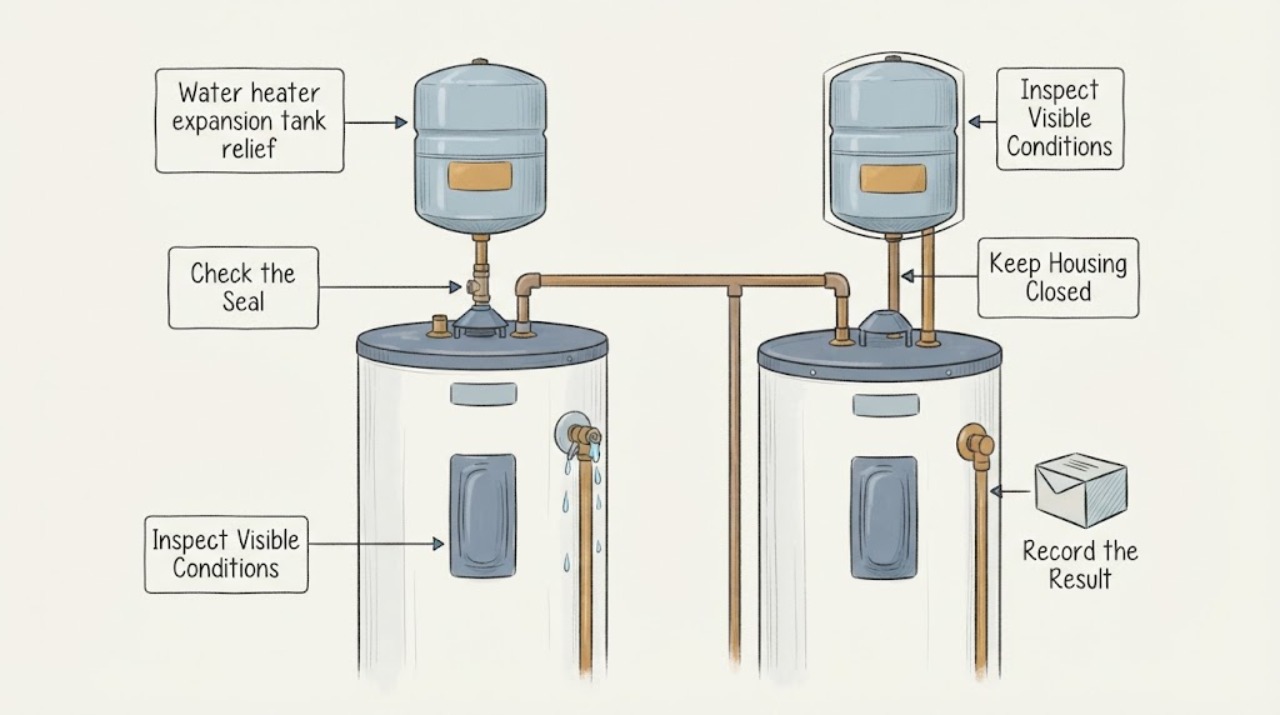
Water heater expansion tank relief valve dripping: What to Check and What to Do Next
A dripping water-heater relief valve is a safety signal, not a leak to cap or ignore. First identify whether water is coming from the temperature-and-pressure (T&P) discharge pipe, the valve's threaded connection, the expansion tank connection, or another drain or pan.
-
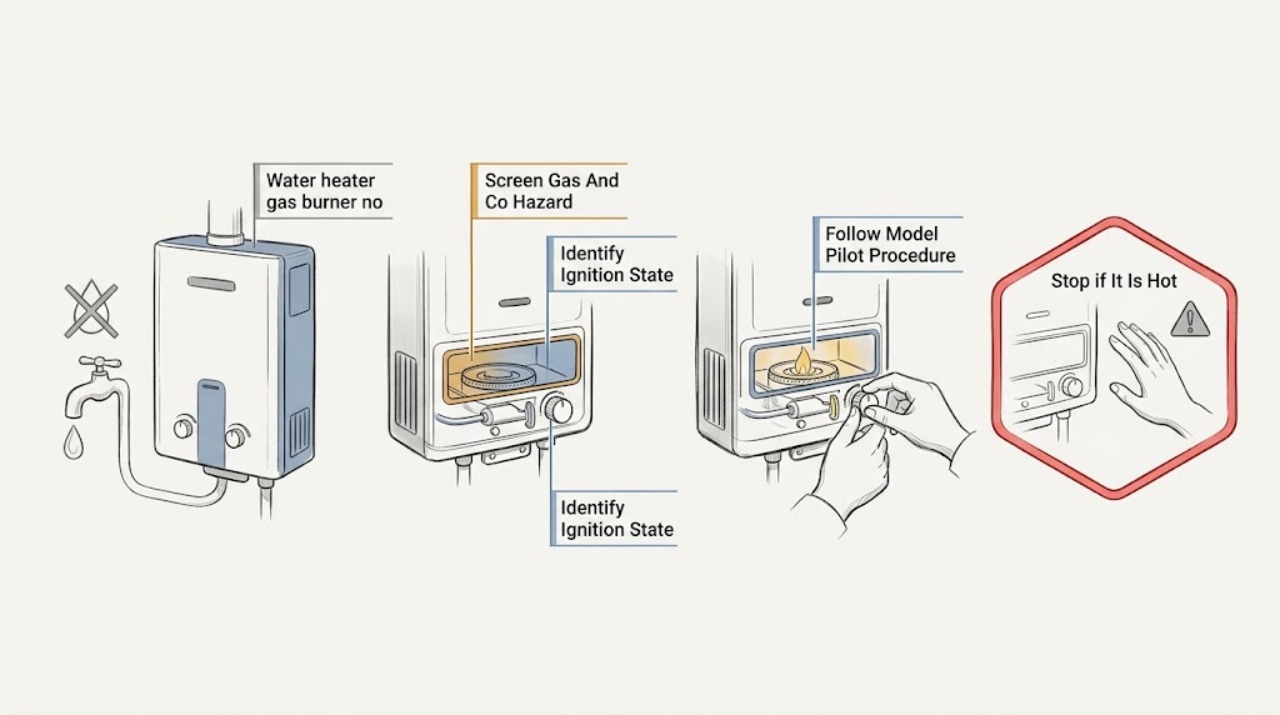
Water heater gas burner no hot water: What to Check and What to Do Next
If a gas water heater produces no hot water, first rule out a gas odor, hissing, carbon-monoxide alarm, or illness and leave the area for emergency help when any is present. If the area is safe, use the heater's label or manual to identify whether the pilot or ignition status is present, observe the burner only through the intended viewing window, and compare hot-water flow at more than one fixture.
-
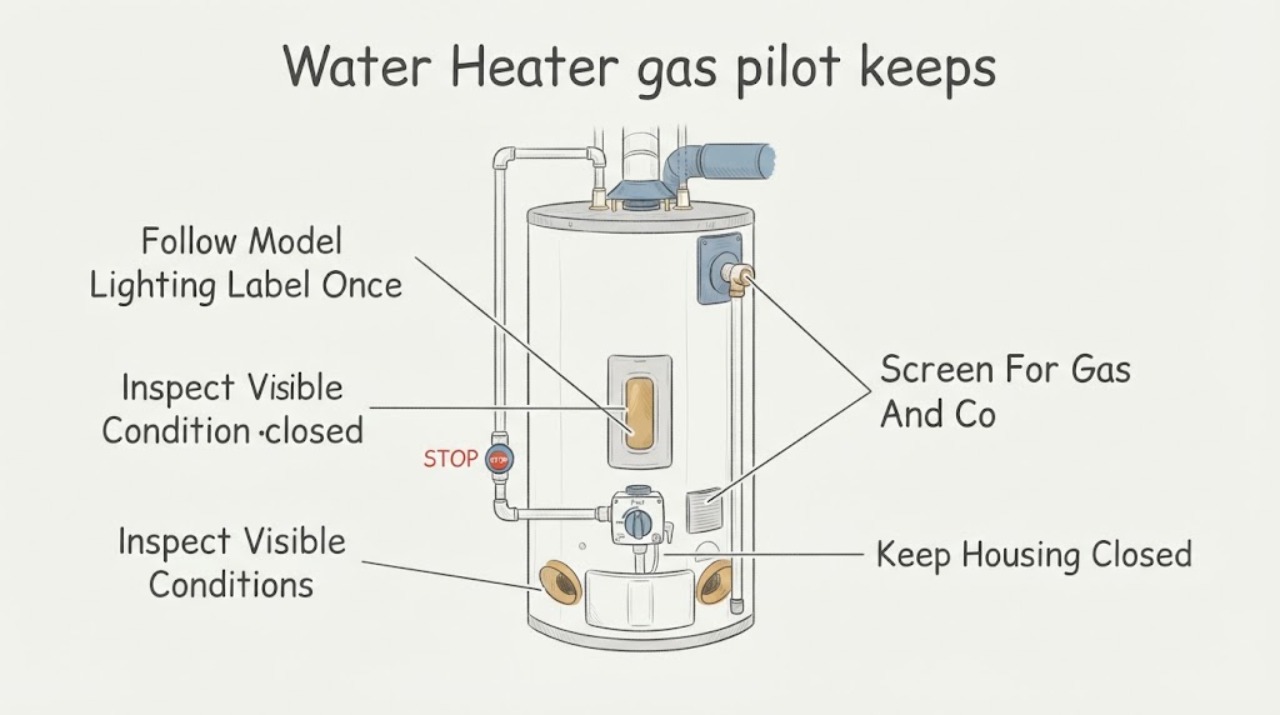
Water heater gas pilot keeps going out draft may be present: What to Check and What to Do Next
A gas water-heater pilot that repeatedly goes out should not be relit over and over. If you smell gas, hear gas escaping, a carbon-monoxide alarm sounds, or anyone has headache, dizziness, nausea, confusion, or faintness, leave immediately and contact emergency or gas authorities from outside.
-
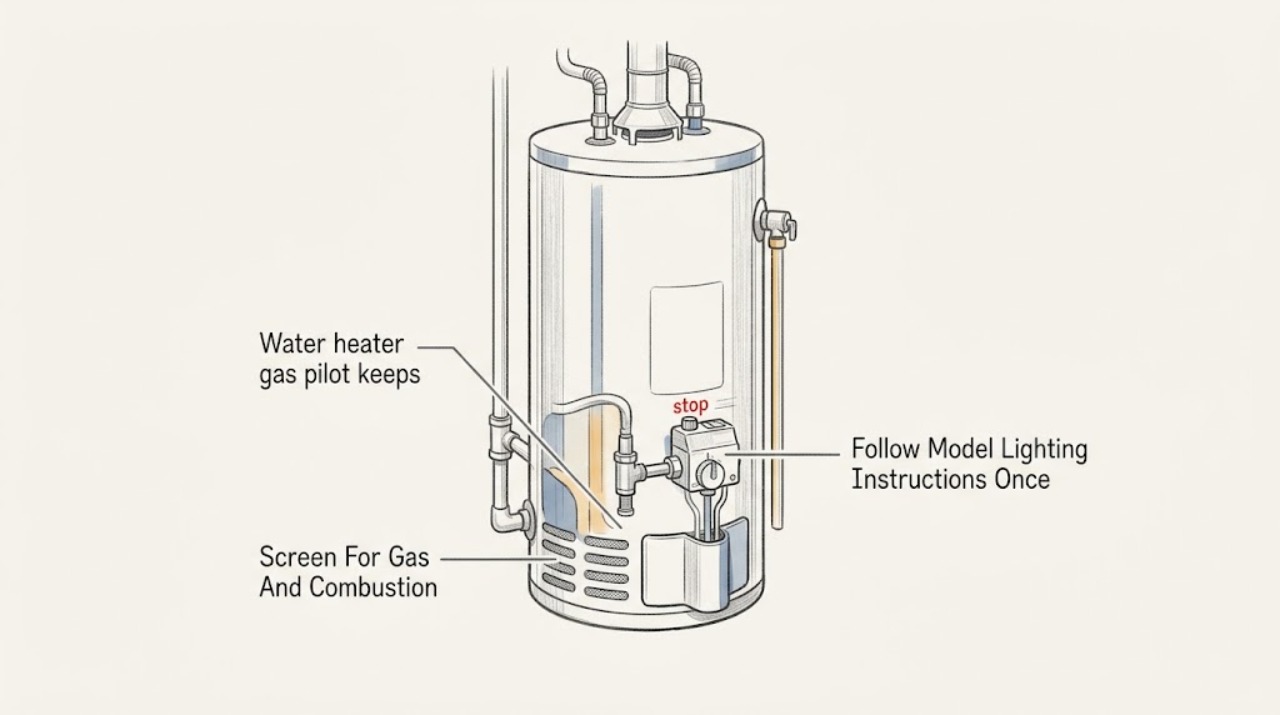
Water heater gas pilot keeps going out will light then extinguish: What to Check and What to Do Next
If a gas water-heater pilot lights and then goes out, the control is usually not receiving a reliable flame-safety signal, or the pilot flame, gas supply, combustion air, or venting is not stable. Before any relight attempt, check for gas odor, smoke, soot, flame rollout, or a carbon-monoxide alarm; if any is present, stop and leave the area as appropriate.
-
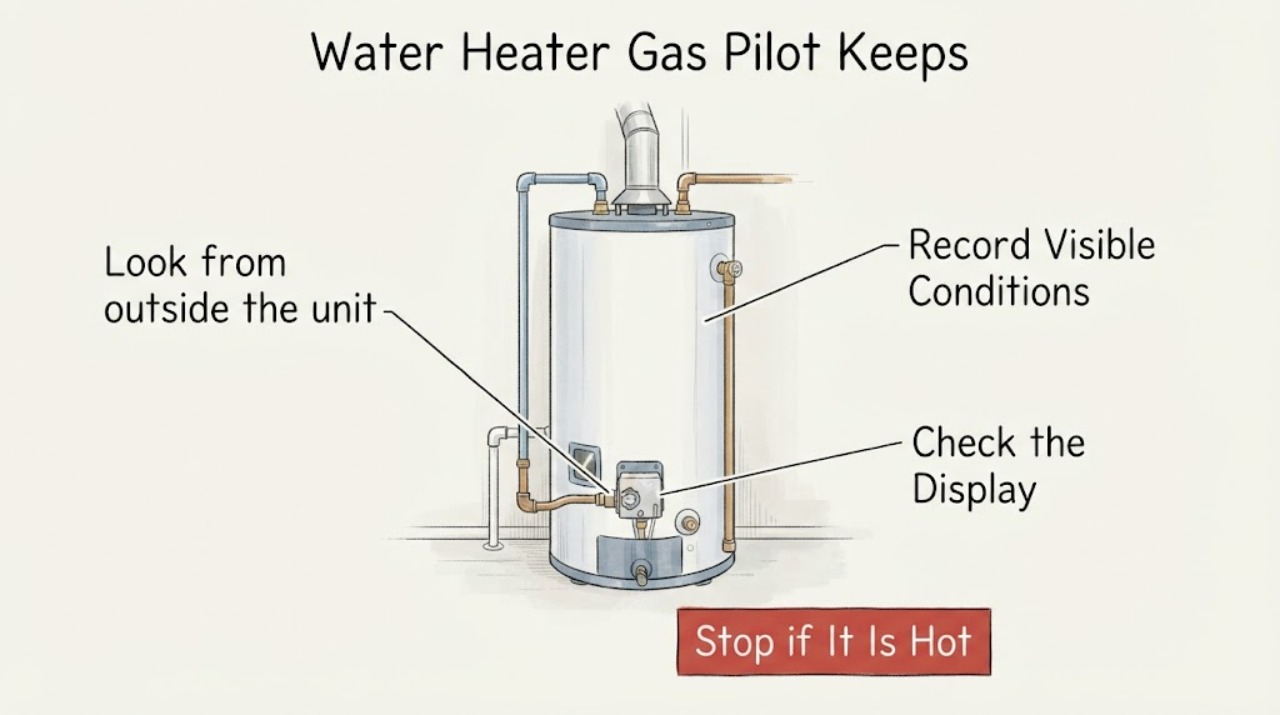
Water Heater Gas Pilot Keeps Going Out, Smell Is Absent: What to Check and What to Do Next
No gas smell does not make a repeatedly extinguishing pilot safe to keep relighting. Confirm the appliance uses a standing pilot, note whether it goes out immediately, when the control is released, or when the main burner starts, and follow the lighting label for that exact model only once after the required wait.
-
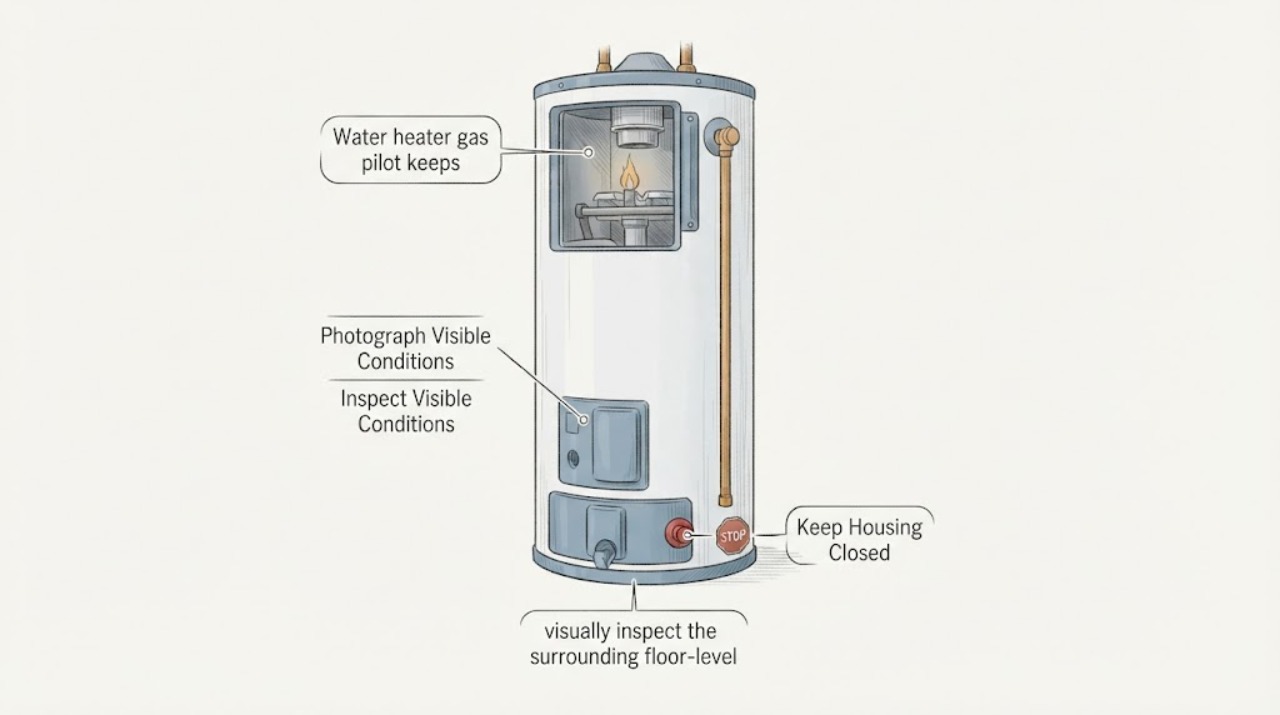
Water heater gas pilot keeps going out: What to Check and What to Do Next
Do not keep relighting a gas water-heater pilot that repeatedly goes out. Keep the heater out of service and arrange a qualified gas-appliance or plumbing service visit.
-
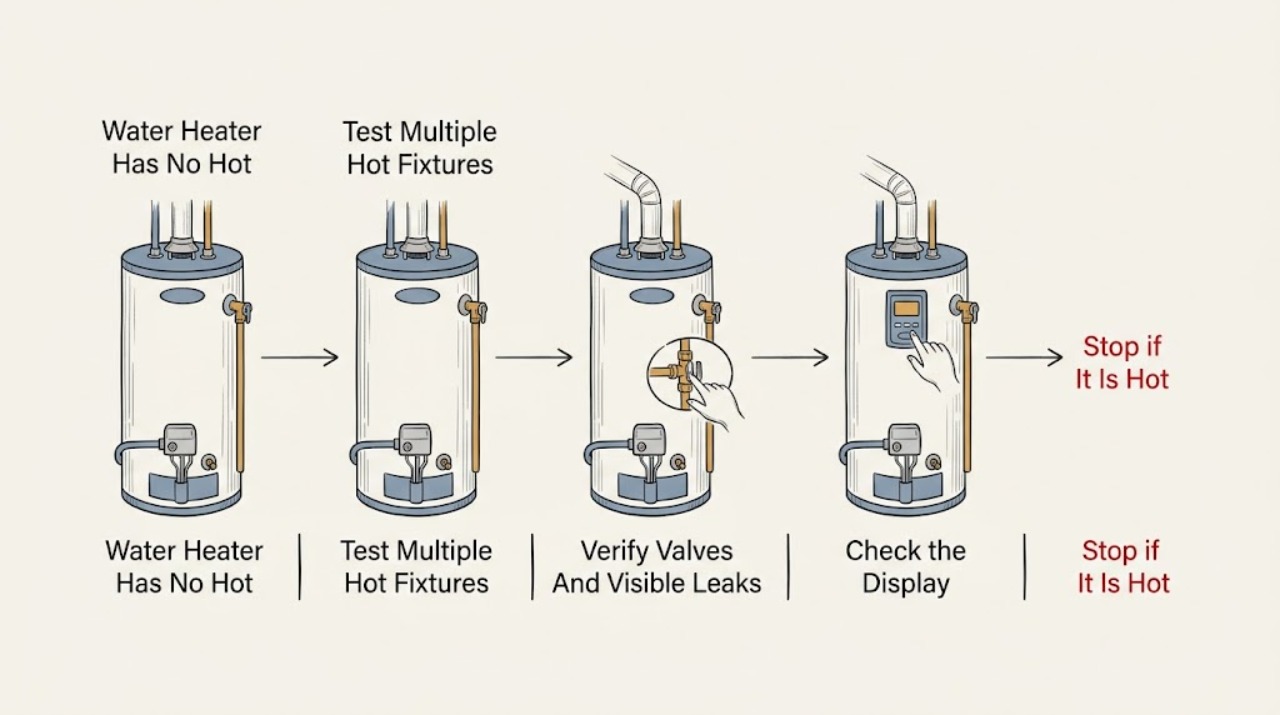
Water Heater Has No Hot Water but Cold Supply Is Present: What to Check and What to Do Next
If cold water is available but the water heater supplies no hot water, first test more than one hot fixture and compare the temperature and flow with cold water. If only one tap or shower is cold, the heater may be working and a local mixing valve, cartridge, or plumbing restriction is more likely.
-
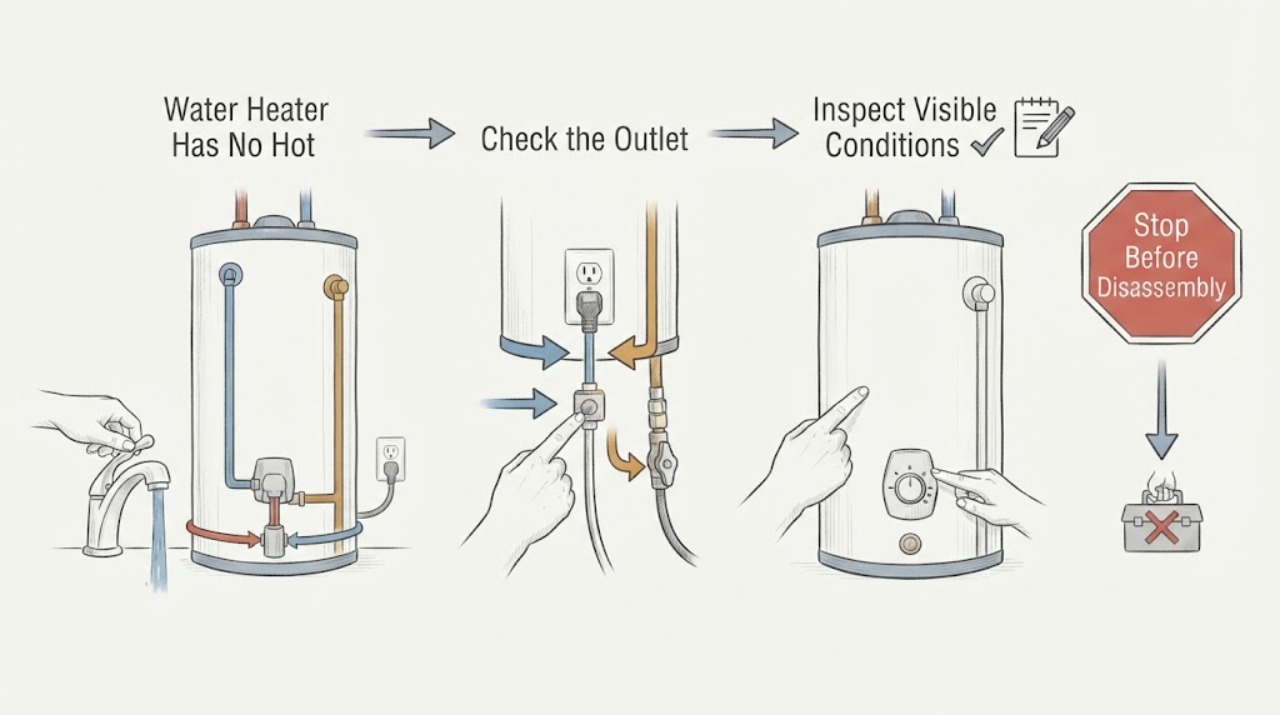
Water Heater Has No Hot Water: Safe Checks and Service Boundaries
When a water heater has no hot water, first determine whether every hot fixture is cold or only one faucet or shower. Check the heater's external water valves and look for leaks, moisture, unusual noises, gas odor, smoke, or electrical warning signs without opening covers or testing live parts.